
Reviewed · VIENNA CITY SIGHTSEEING TOURS
Vienna: 2 Hours Sightseeing Walking Tour
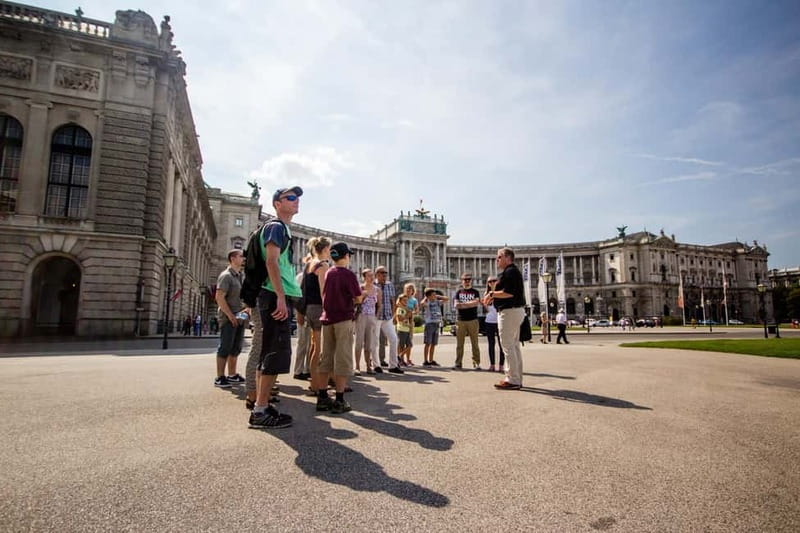
Vienna’s grand center is easy to admire but harder to understand. This two-hour walk connects palace courtyards, Baroque squares, opera houses, museums, and cathedral towers into one clear story, with local guides such as Herbert and Wolfgang adding the jokes, side streets, and human details that maps leave out. Michaelerplatz and the Hofburg give you the best early lesson in how Vienna grew from imperial power.
I like the small-group format, which gives you room to ask questions and often creates a personal feel. I also like the route’s mix of famous sights and less obvious courtyards, plus the practical tips guides offer for the rest of your stay. One consideration: this is an outdoor walking tour in all weather, with no entrance fees included, and it is not suitable for children under 12 or people with mobility impairments.
Key points at a glance
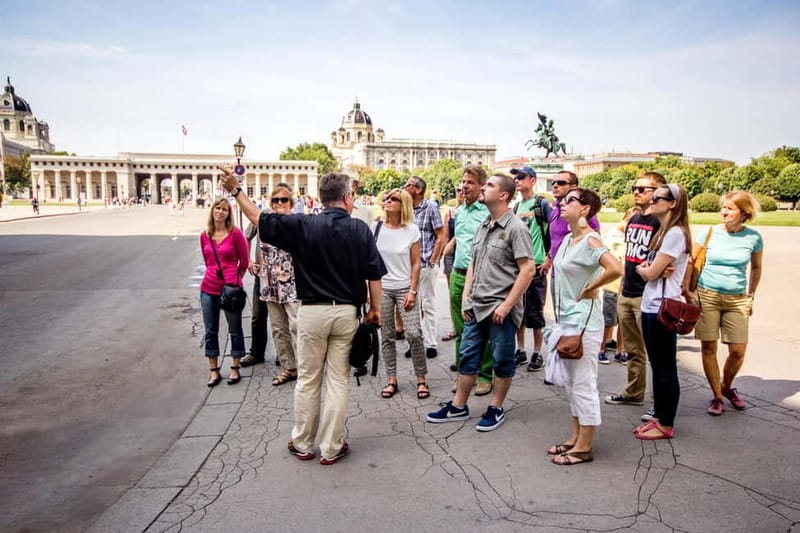
- Imperial Vienna in two hours: Follow the Habsburg story through Michaelerplatz, the Hofburg, Josefplatz, and the Opera.
- A useful first-day orientation: The route covers the central sights you will likely revisit on your own.
- Strong local guiding: Herbert and Wolfgang are especially noted for clear English, humor, historical detail, and practical advice.
- Small groups: Group sizes can be intimate, sometimes only a few people, making questions easier.
- Mostly exterior sightseeing: You see important buildings from the street, but admission charges are not included.
- Central finish: The walk ends near Stephansplatz and St. Stephen’s Cathedral, right in the heart of Vienna.
Why this walk works as a first look at Vienna
I would use this tour near the start of a Vienna visit. In two hours, you get a map in your head, a basic grasp of Habsburg power, and a list of places worth returning to. That matters in central Vienna, where one ornate facade can blur into another if you do not know what you are looking at.
The route is not built around rushing into museums. Instead, it gives you the city from the street, where Vienna’s history is easiest to see as a whole. You move from a Baroque square to an imperial palace, then past a royal library setting, an opera house, an art museum, a market square, and the cathedral.
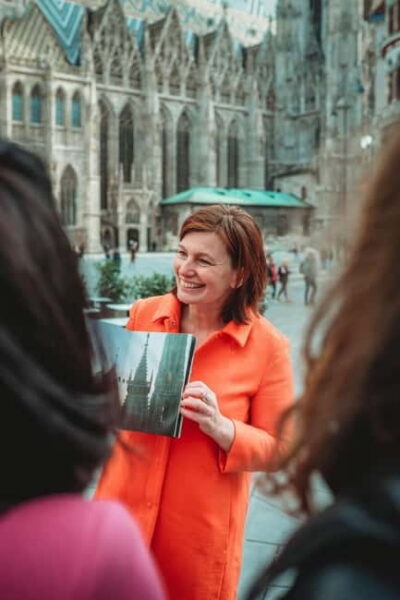
The guides are the main reason this format works. Herbert is praised for making the Habsburgs easy to follow without burying you in dates. Wolfgang is known for a strong command of Vienna’s past, a friendly manner, and stories that lead into courtyards and buildings many people would otherwise pass. Dorothea has also led very small groups and is described as informative and attentive to questions.
That variation matters. This is not a recorded audio walk with a fixed script. You get a live guide in English or German, and the tone can adjust to the group. The best guides combine political history with personal stories, architectural details, humor, and suggestions for what to see next.
More sightseeing tours of Vienna:
- Vienna: Hop-On Hop-Off Sightseeing Bus Tour in 19 Languages
★ 4.2 · 4,518 reviews - Vienna PASS: All incl. Sightseeing Pass for 85+ Attractions
★ 4.3 · 3,067 reviews - Vienna: Guided Walking Tour of City Highlights & Hidden Gems
★ 4.9 · 2,180 reviews
Starting at Michaelerplatz and the Loos Haus
Meet in front of the Loos Haus at Michaelerplatz 3, between Kohlmarkt and Herrengasse. Look for the building with Raiffeisenbank on its facade. The meeting point is about a three-minute walk from the Herrengasse station on the U3 metro line.
Michaelerplatz is an excellent place to begin because it puts several eras in one view. The star-shaped Baroque plaza sits in the center of old Vienna, with the Hofburg on one side and other historic facades around it. The contrast between imperial decoration and the more modern Loos Haus gives the guide an easy way to explain how Vienna changed over time.
Expect the guide to establish the basic story here: Vienna as the old center of the Habsburg monarchy and, earlier, a major seat connected with the Holy Roman Empire. You are not just looking at pretty buildings. You are learning why the city has such a concentrated collection of palaces, ceremonial spaces, churches, and government buildings.
This is also where you should confirm the guide’s location before the walk begins. One person had trouble spotting the guide at first, though a phone call solved the problem quickly. Arrive early, especially if you are unfamiliar with the center or carrying a phone with limited data.
Reading the Hofburg Palace one layer at a time
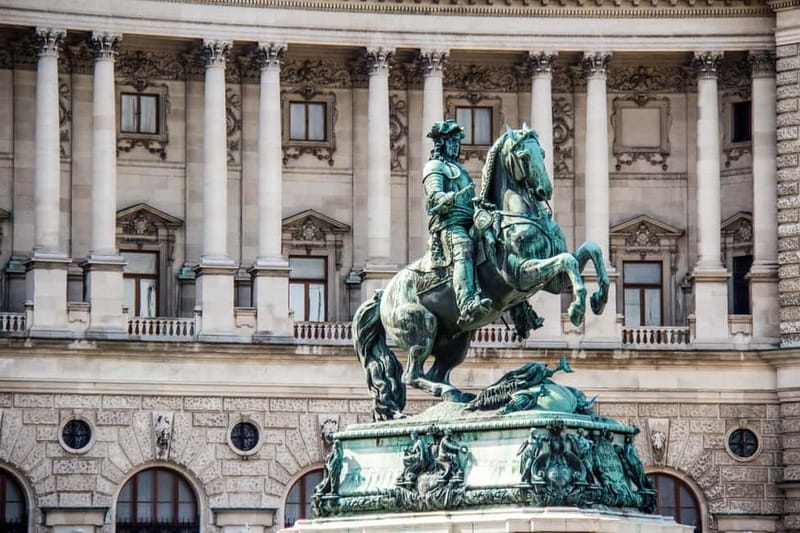
From Michaelerplatz, the walk turns toward Hofburg Palace. The palace is not a single cleanly planned structure. It has been extended, rebuilt, and altered over many years, and that layered appearance is part of the lesson.
A guide can make sense of what might otherwise feel like a wall of grand architecture. You will hear how the palace served the rulers of the Habsburg realm and how changing needs added new wings and formal spaces. The point is less about memorizing every ruler than seeing how political power physically expanded through the city.
This section can be especially useful if you plan to visit palace interiors later. The walk does not include entrance tickets, so you will not automatically go inside paid attractions. Instead, you get context before deciding how much time and money to spend on them.
I like that the tour treats the Hofburg as a working piece of the city rather than an isolated monument. You can see how streets, squares, ceremonial routes, and palace buildings fit together. The guide’s stories also help put faces and personalities behind the imperial title.
Herbert receives particular praise for making generations of Habsburg rulers easy to follow. His approach is described as light and often funny, which is helpful when a dynasty’s family tree starts to feel like homework.
Josefplatz and the quieter imperial spaces
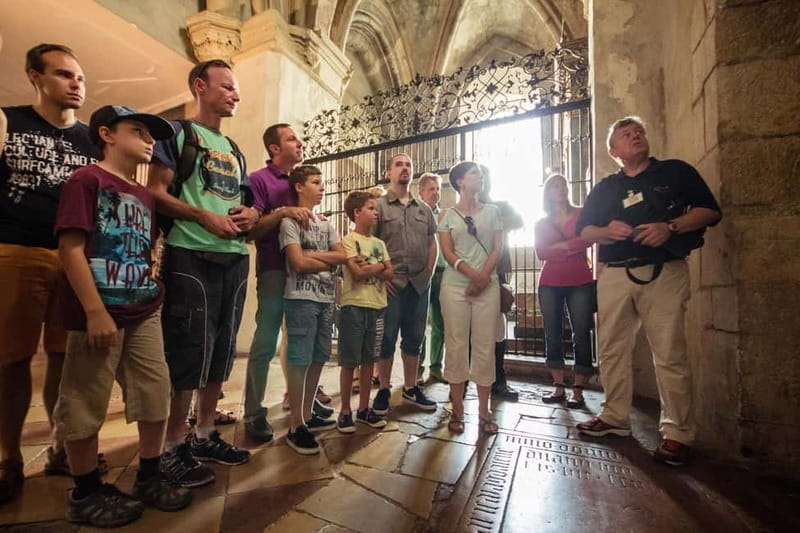
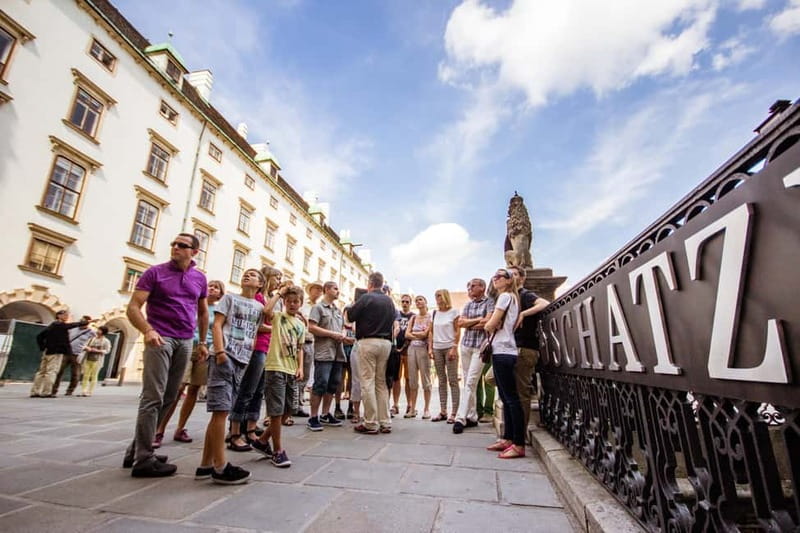
Josefplatz offers a calmer stop and a chance to slow the pace. The square is surrounded by important imperial architecture, but it can feel less obvious than the Hofburg’s main frontage. That makes it a good place for a guide to explain how court life, scholarship, ceremony, and political authority were arranged around the palace.
The walking style is not simply nonstop movement. The guide may have you walk, pause, sit, and listen, creating a rhythm that several participants found comfortable. That is important on a history walk. Two hours can feel long if you are standing in one place the entire time, but the route remains active enough to keep the city in view.
You should expect plenty of historical interpretation here, not an interior visit. The value comes from understanding what you are seeing and knowing which buildings deserve a closer look later. If you want a tour focused on elaborate rooms, art collections, or palace admission, this is not that experience.
More walking tours in Vienna:
- Vienna: Guided Walking Tour of City Center Highlights
★ 4.7 · 4,989 reviews - Vienna: Vienna Central Cemetery Guided Walking Tour
★ 4.8 · 3,307 reviews - Vienna: Viennese Underworld Guided Walking Tour
★ 4.7 · 1,865 reviews - Vienna: World War II Historical Walking Tour
★ 4.8 · 1,772 reviews
The Vienna State Opera and the city’s grand boulevard
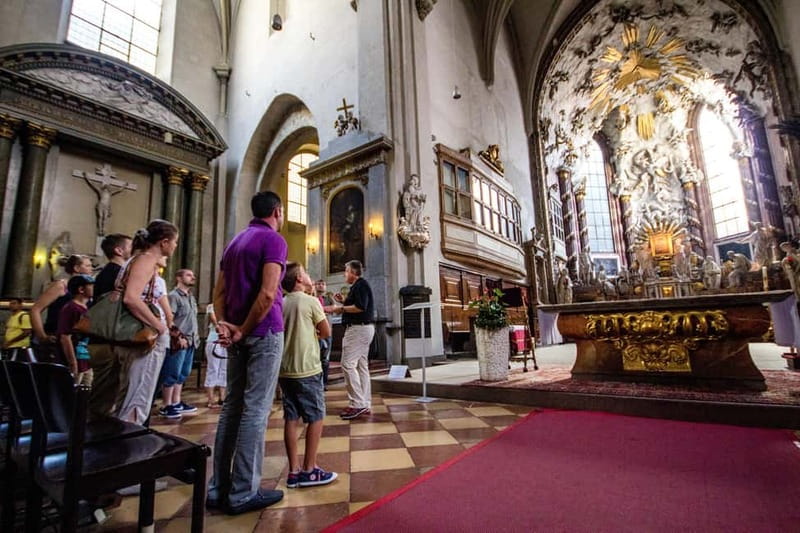
The Vienna State Opera brings the route back to one of the city’s most recognizable public buildings. The guide explains its place in Vienna’s cultural life and points out details you might miss while simply walking past the facade.
This is also where the tour adds a lighter, more personal detail: you hear about the place where Sisi’s diamond stars were produced. Small stories like this keep the walk from becoming a procession of dates and building names. They connect the imperial world to fashion, image, ceremony, and the people who lived around the court.
The route through this central area moves briskly. One advantage is the amount of ground covered in two hours. You get a useful look at several major sights instead of spending the whole morning on one palace. The tradeoff is that some stops receive only an explanation from outside, not a long pause or indoor visit.
If the opera matters to you, treat this stop as an orientation. You may want to return independently for a performance or another visit, but no admission is included in the tour price.
The Albertina and art above the old city
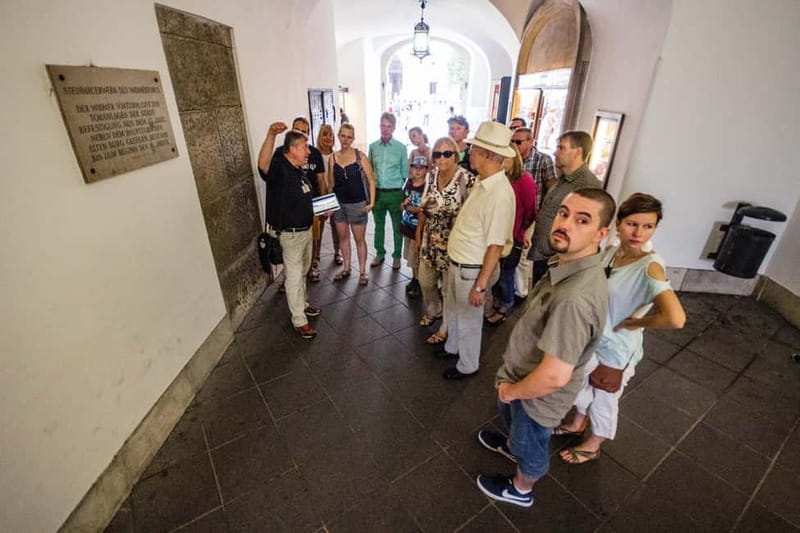
The Albertina Art Museum is another highlight along the route. It is home to one of the world’s important print collections, and the guide gives you a reason to notice it rather than treating it as just another grand building.
The stop is useful even if you are not planning a museum visit. Vienna’s center is full of institutions that can look similar from the pavement. A short explanation helps you decide which places fit your interests and which can wait.
Again, this is an exterior tour stop, and any museum admission would be separate. The advantage is flexibility. You can finish the walk with a clearer sense of what you want to enter, rather than paying for a collection before you know how it fits your plans.
Guides also use this stretch to point out details and possible places to explore later. Wolfgang, in particular, is praised for showing less obvious courtyards and for offering lunch suggestions after the formal tour. That extra advice can be more useful than a long list of facts, especially on a first day.
Neuer Markt and the final approach to St. Stephen’s
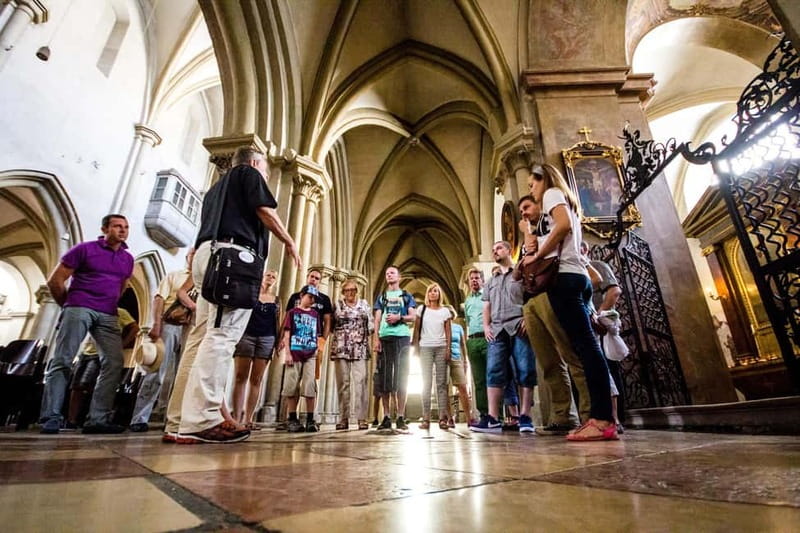
Neuer Markt adds another urban space to the route before the walk heads toward Stephansplatz. The changing sequence of plazas is one of the tour’s strengths. You see Vienna not just as a line of monuments but as a network of public spaces with different roles and moods.
The final major sight is St. Stephen’s Cathedral, one of Vienna’s most impressive landmarks. The cathedral gives the tour a strong finish because it shifts the story from imperial power and court culture to religious life and the city’s long public identity.
The activity ends at Stephansplatz 8A, near St. Stephen’s Cathedral. The supplied meeting information also says the activity ends back at the meeting point, so confirm the exact ending arrangement when you book. Either way, you finish in a central area with easy access to more sightseeing, food, shopping, and public transportation.
A practical point: the final cathedral area can be busy, so stay close to the guide and listen for instructions. The group is small, but central Vienna has plenty of foot traffic and distractions.
What the guides do best
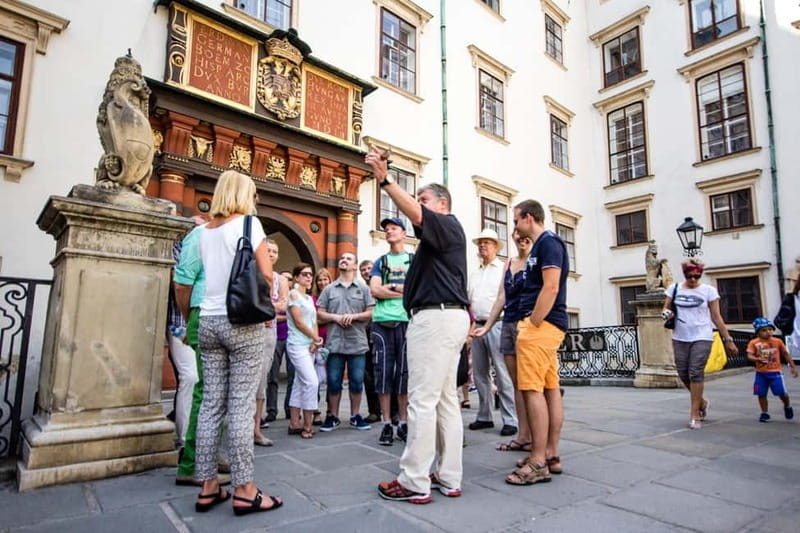
The strongest part of this experience is the guiding rather than the route alone. Vienna’s main sights are easy to locate on a map. The harder task is deciding what matters, remembering the sequence, and understanding how the Habsburg story shaped the streets around you.
Herbert is a particularly good choice if you want a clear historical thread. His style is described as informative, funny, and free of too many dates. He answers questions and adds practical suggestions about what to see next, including places that may not deserve your limited time.
Wolfgang is also praised for strong English, historical detail, humor, and a professional manner. His tours may include attractive courtyards and buildings that are not obvious from the main street. He also stays to offer tips after the scheduled walk, which is useful if you want advice on lunch or further sightseeing.
Dorothea has led a very small group and is described as attentive and informative. Since guides can vary, you should book this for the overall format and route rather than expecting one specific person unless the operator confirms your guide.
The experience is offered in English and German. It is designed for a small group, though the exact number can change. A group of around eight has been reported, while some departures have had only one family or even just a couple of participants.
Price, pace, weather, and comfort
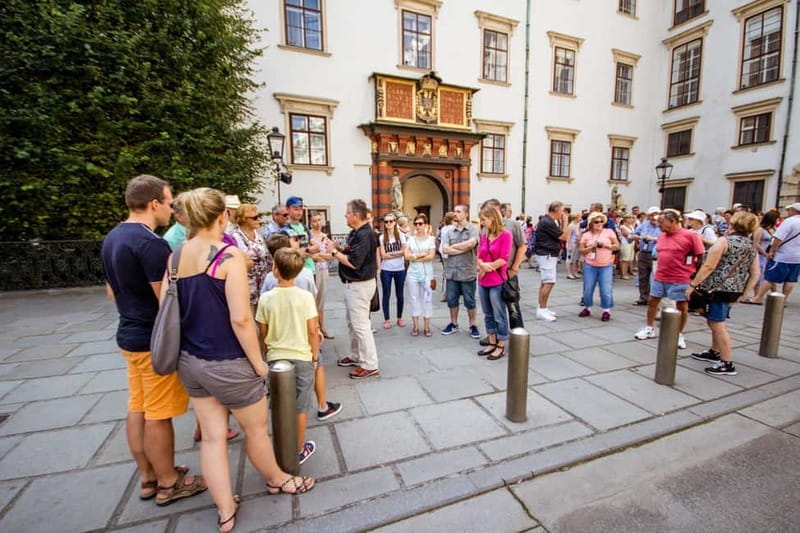
At $33 per person, the tour offers fair value if you want a live introduction to central Vienna. You are paying for a certified tourist guide, a native speaker, local recommendations, and two hours of direct explanation across several major sights.
The value is strongest for first-time visitors and anyone who wants to organize the rest of the trip efficiently. A guide can help you avoid wasting time on places that do not suit your interests and can point out where a return visit makes sense.
The price does not include entrance fees. Plan extra money if you want to enter the Albertina, the Hofburg, the State Opera, or other attractions afterward. The tour itself is primarily about outdoor viewing and interpretation.
Wear shoes suitable for city walking and dress for changing weather. Tours operate in rain and cold, and a guide has continued successfully through wet conditions. There is no promise of shelter or weather cancellation, so bring appropriate clothing. Large bags and luggage are not allowed, and audio recording is prohibited.
The route is not suitable for wheelchair users or people with mobility impairments. Children under 12 cannot join. Those limits matter because the tour moves through historic streets and includes a sustained walk rather than a seated sightseeing experience.
Cancellation is flexible if your plans change: cancel up to 24 hours ahead for a full refund. You can also reserve now and pay later, which is useful when your Vienna schedule is still shifting.
Who should book this Vienna walk?
I would choose this tour if you want a compact introduction to the old center, enjoy history told through stories, and prefer asking a real person questions. It is especially useful on your first day, when the route can give meaning to places you pass again later.
It suits adults and older teenagers who are comfortable walking for two hours in outdoor conditions. Small groups make it a good option for people who dislike large flag-led groups and want a chance to ask about food, museums, neighborhoods, and further sightseeing.
I would look elsewhere if you need step-free access, want a child-friendly activity for younger children, or prefer extensive indoor visits. It is also not the best match if you want a detailed art tour of the Albertina or a full palace tour with admission included.
Should you book it?
Book this walk if you want Vienna’s major central sights explained in a sensible order, with humor, historical context, and useful local advice. The strongest guides, especially Herbert and Wolfgang, add far more than a list of dates, and the small-group setting gives the experience a personal edge.
Skip it if you already know central Vienna well or want to spend two hours inside museums and palaces. For most first-time visitors, though, $33 is a reasonable price for getting oriented quickly and learning which grand doors, squares, and courtyards deserve another look.
FAQ
How long is the Vienna walking tour?
The tour lasts two hours.
Where does the tour start?
It starts in front of Loos Haus at Michaelerplatz 3, 1010 Vienna, between Kohlmarkt and Herrengasse.
How close is the meeting point to public transportation?
The meeting point is about a three-minute walk from Herrengasse metro station on line U3.
Where does the tour end?
The stated drop-off point is Stephansplatz 8A, near St. Stephen’s Cathedral. The meeting information also says the activity ends back at the meeting point, so confirm the exact arrangement when booking.
Which languages are available?
The tour is offered in English and German.
Is an entrance ticket included?
No. Entrance fees are not included, so visits inside museums, palaces, or other paid attractions cost extra.
Is the tour suitable for children?
It is not suitable for children under 12.
Can wheelchair users join?
No. The activity is not suitable for wheelchair users or people with mobility impairments.
Does the tour run in bad weather?
Yes. Tours take place regardless of weather, so dress for rain or cold.
Can I cancel the booking?
Yes. You can cancel up to 24 hours in advance for a full refund. You can also reserve now and pay later.
More 2-Hour Experiences in Vienna
- Vienna: Romantic Old Town 2-Hour Discovery Tour
★ 4.7 · 816 reviews - Vienna: 2-Hour Historical Crimes Guided Walking Tour
★ 4.8 · 130 reviews - Vienna: Jewish Life in Leopoldstadt 2-Hour Walking Tour
★ 4.9 · 109 reviews - Vienna: 2-Hour Street Art Tour
★ 4.5 · 76 reviews
Just reviewed in Vienna
- World War II History Vienna Old Town Private Walking Tour★ 4.8 · 9 reviews
- Vienna: Wine Tasting E-Bike Tour★ 4.9 · 46 reviews
- Vienna: Winery and Wine Tasting Tour with a Wine Expert★ 5.0 · 5 reviews
- Vienna: Unforgettable Private City Tour★ 5.0 · 7 reviews
- Vienna Urban Art Tour: Explore a different side of Vienna!★ 3.8 · 14 reviews
- Vienna: Concert by the Vienna Baroque Orchestra★ 4.6 · 56 reviews
- Vienna: Sunday Brunch Danube Cruise & Live Music★ 4.2 · 42 reviews
- Vienna Supreme Orchestra at Palais Niederösterreich★ 4.8 · 10 reviews
Vienna City Sightseeing Tours, compared.
Vienna PASS: All incl. Sightseeing Pass for 85+ Attractions
Read our review →
Guided Walking Tour of City Highlights & Hidden Gems
Read our review →

Skip-the-Line Schonbrunn Palace Guided Tour and Vienna Historical City Tour
Read our review →
Browse the lists this tour appears in