
Reviewed · VIENNA CITY SIGHTSEEING TOURS
Vienna: Guided Walking Tour of City Highlights & Hidden Gems
Vienna’s grandest sights fit into this brisk two-hour walk, but the real treat is the Last Supper mosaic inside Minoriten Church, an unusual stop that many visitors might miss. I like the route for two reasons: it gives you a quick grasp of the old center, and guides such as Michael, Petra, Max, and Celine bring the city’s imperial past down to street level with stories, humor, and useful tips for the rest of your stay.
The main tradeoff is simple: you see the landmarks from outside. You will not enter the Hofburg, Spanish Riding School, Albertina Museum, State Opera, or St. Stephen’s Cathedral, and the pace covers a lot of ground. On cold or wet days, good shoes and warm clothing matter. A large group may also make the walk feel less personal, though listening devices help.
Key points at a glance
- See the Last Supper mosaic: Begin at Minoriten Church, with a church visit subject to Mass schedules.
- Cover Vienna’s imperial center: Walk from Minoritenplatz through Michaelerplatz, the Hofburg, Heldenplatz, and the Spanish Riding School.
- Finish beside St. Stephen’s Cathedral: The final stop puts you in a useful part of central Vienna for food, shopping, and further exploring.
- Expect strong storytelling: Guides including Michael, Petra, Max, Celine, and Ivo are praised for clear explanations, humor, and personal stories.
- Hear the guide in a crowd: Earpieces are often supplied, a real help when the group is large.
- Pay $27 for a brisk orientation: The price is reasonable if you want context and direction before exploring Vienna on your own.
Why this two-hour walk works well on a first day
I see this tour as an orientation walk rather than a full sightseeing program. In two hours, you move through the central district and learn how Vienna’s imperial power, music, religion, and public life fit together.
That matters because Vienna can feel grand but spread out when you first arrive. The buildings are impressive, yet their purpose is not always clear from the pavement. A guide can explain why Michaelerplatz mattered, how the Hofburg grew into a seat of power, and why the Spanish Riding School remains tied to Vienna’s identity.
The route is also efficient. It begins at Minoritenplatz and ends at St. Stephen’s Cathedral, so you do not spend the whole morning walking back to where you started. If this is your first full day in town, I would book it early in your visit. You can use the guide’s suggestions to choose museums, cafés, churches, and other sights for the days ahead.
The tour has earned a 4.9 rating from 2,180 reviews, and the strongest praise centers on the guides. Michael is repeatedly described as warm, entertaining, and full of useful stories. Max combines local memories from growing up in Vienna with city history. Petra, Celine, Ivo, and others are noted for clear delivery and lively explanations.
You should not expect the exact same personality on every departure. The experience depends on the guide assigned to your group. Still, the consistent pattern is encouraging: guides explain the city rather than simply point at buildings.
More sightseeing tours of Vienna:
- Vienna: Hop-On Hop-Off Sightseeing Bus Tour in 19 Languages
★ 4.2 · 4,518 reviews - Vienna PASS: All incl. Sightseeing Pass for 85+ Attractions
★ 4.3 · 3,067 reviews - Big Bus Vienna Hop-On Hop-Off Sightseeing Tour
★ 4.0 · 1,735 reviews
Meeting the guide at Minoritenplatz
The meeting point is in front of the Leopold-Figl statue at Minoritenplatz. From Stephansplatz, allow about 10 minutes on foot. You can also take the U3 subway to Herrengasse station and follow signs to Minoritenplatz.
This is a practical starting point. Minoritenplatz sits close to the historic center but feels less hectic than Stephansplatz. Arrive a little early so you can identify the statue and join the group before the walk begins. Latecomers are subject to a no-show policy, so this is not a good activity to join at the last second.
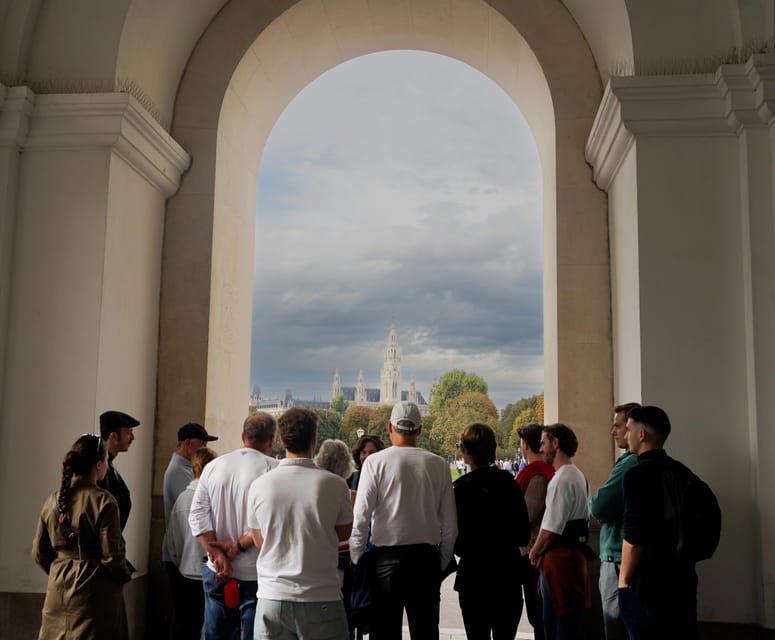
The guide may provide listening equipment, especially for a larger group. This is one of the most useful details of the experience. A December group of about 30 people still managed to hear the guide clearly with earpieces, and other participants found that the system made the walk feel more personal.
Bring comfortable shoes, a camera, and clothing suited to the forecast. The walk operates in all weather. Vienna’s cold wind can make two hours outdoors feel much longer, as several winter visitors discovered, so gloves and a warm coat are sensible additions.
Minoriten Church and the Last Supper mosaic
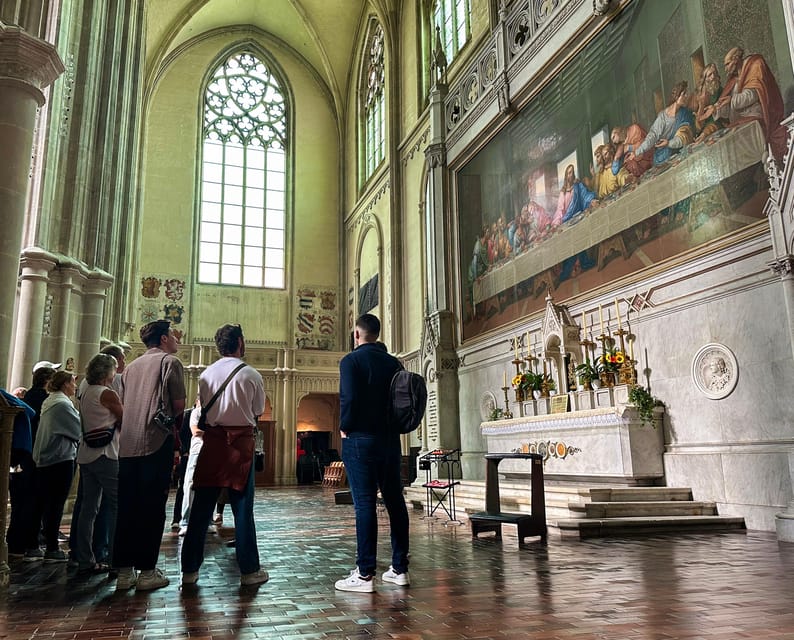
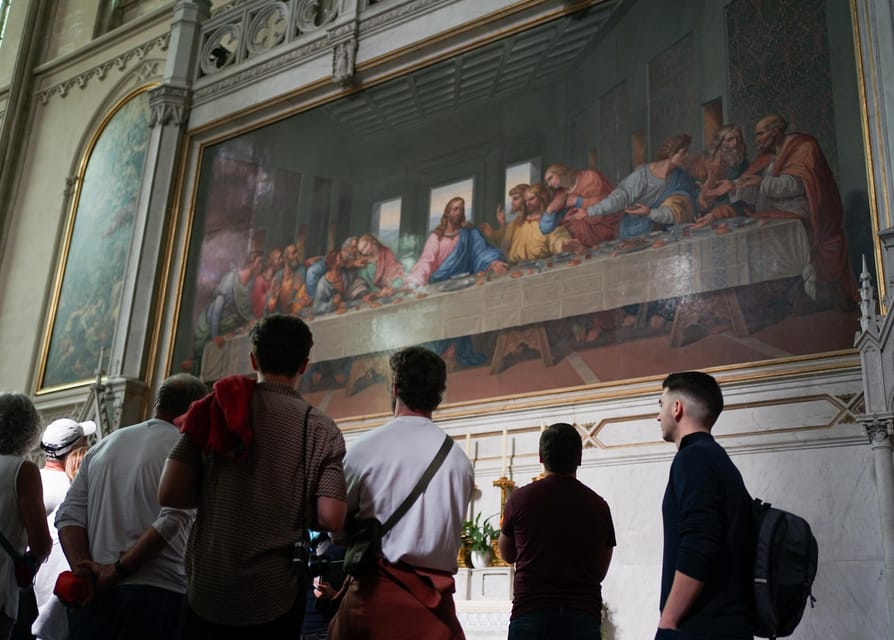
The first stop is Minoriten Church, also called the Church of the Minorites. The highlight is a mosaic reproduction of Leonardo da Vinci’s Last Supper.
This is a smart opening stop because it gives the tour something more than a procession of famous façades. You begin with art and worship, then move into the imperial heart of Vienna. The mosaic is especially useful for travelers who want to see something distinctive without paying an extra museum admission.
There is one important restriction. If Mass is taking place, the group cannot visit the church. The experience includes the Last Supper mosaic, but access depends on church activity that day. If seeing it is a priority, confirm the timing when booking or be prepared for that possibility.
The church visit is brief, so do not treat it as a substitute for a full church tour. Its value is that it adds a lesser-known interior stop to an otherwise exterior-focused route.
Michaelerplatz and the Hofburg entrance
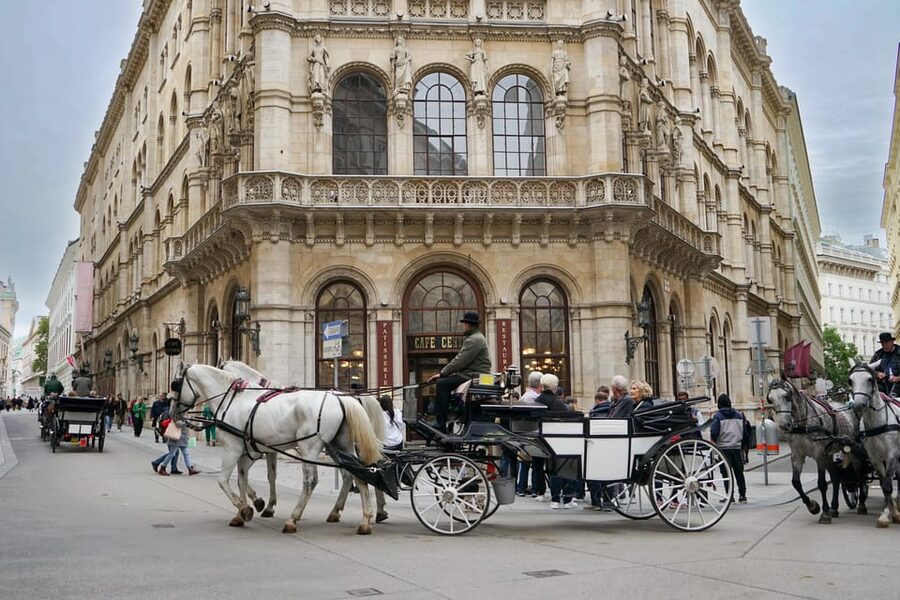
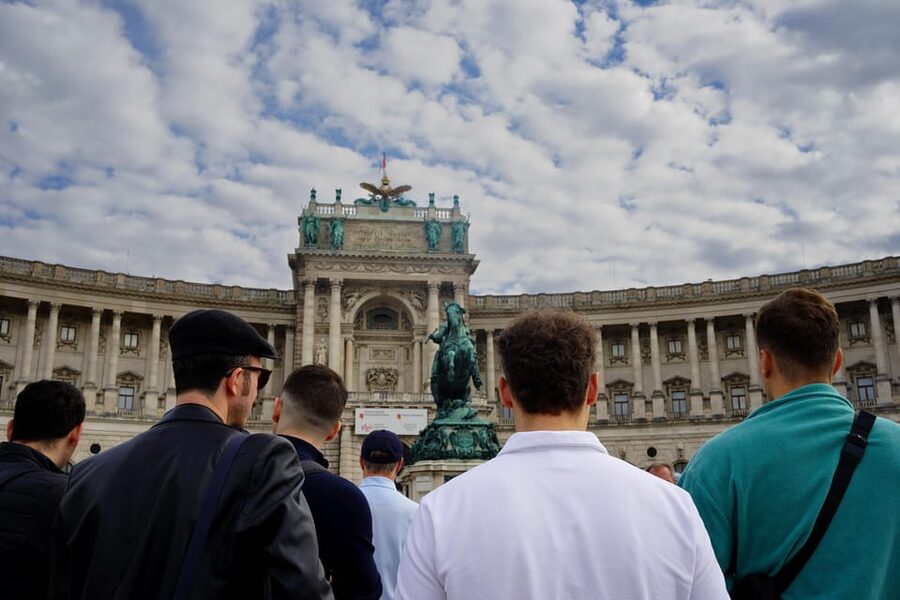
From Minoritenplatz, the walk continues toward Michaelerplatz, one of Vienna’s best places to understand the scale of the Habsburg court.
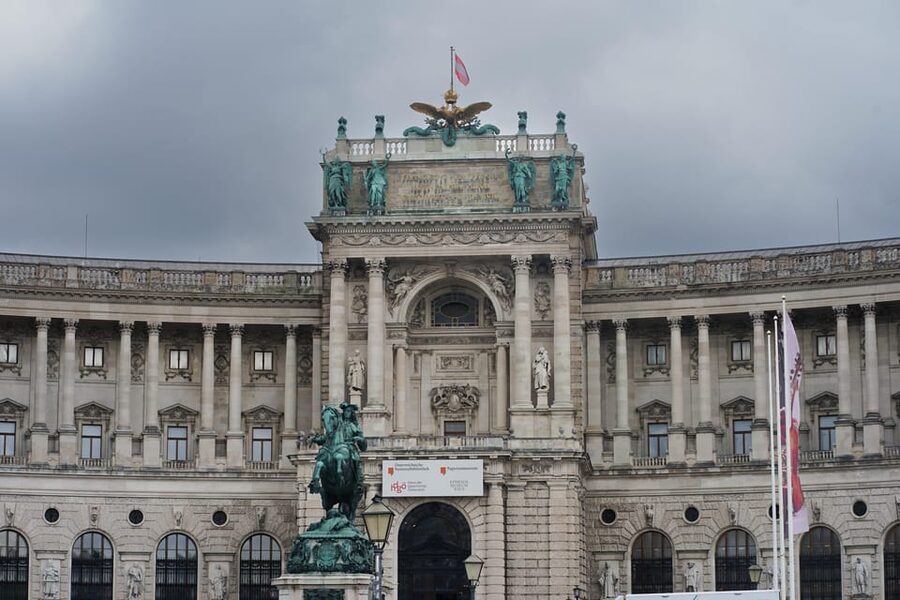
The square gives you a striking view of the Hofburg’s grand entrance. A guide can help you read the architecture and explain how the palace complex developed over time. From the street, you get the visual drama of the domed entrance and the sense of power built into the setting.
The limitation is clear: you do not go inside the Hofburg on this tour. If you want the Imperial Apartments, the Sisi Museum, the Imperial Silver Collection, or other palace interiors, you will need a separate ticket and more time.
That is not a flaw if you use this walk as a first look. You can decide later which interior interests you most instead of wandering into a large palace complex without a plan. The guide’s explanation gives the exterior some meaning, then you can return independently if you want a closer visit.
More walking tours in Vienna:
- Vienna: Guided Walking Tour of City Center Highlights
★ 4.7 · 4,989 reviews - Vienna: Vienna Central Cemetery Guided Walking Tour
★ 4.8 · 3,307 reviews - Vienna: Viennese Underworld Guided Walking Tour
★ 4.7 · 1,865 reviews - Vienna: World War II Historical Walking Tour
★ 4.8 · 1,772 reviews
Heldenplatz and Vienna’s imperial stage
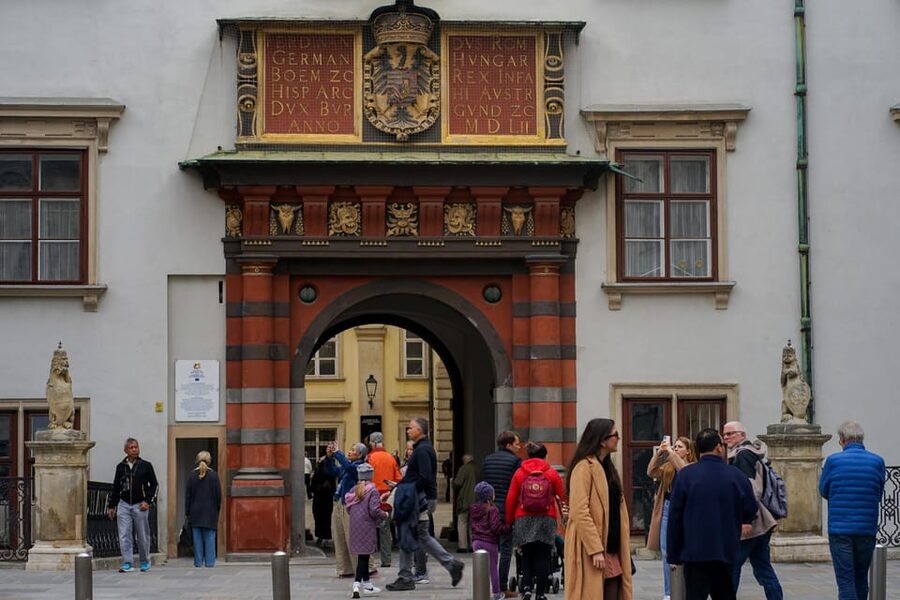
Heldenplatz, or Heroes’ Square, follows naturally from the Hofburg. This broad open space was designed to impress, and it still does.
The square helps explain how Vienna presented imperial authority through buildings, ceremonies, and public spaces. It also links the Hofburg to the city’s wider political story. This is the kind of place that can seem like a grand empty lawn if you visit without context. With a guide, the scale becomes part of the story.
You should expect some standing while the guide talks. The group continues at a steady pace, so there is not much time to linger over every detail or take long photo breaks. If you want carefully composed photographs of the Hofburg and Heldenplatz, plan to return later.
The Spanish Riding School and Vienna’s traditions
The Spanish Riding School is one of the most recognizable names on the route. The guide explains its place in Vienna’s imperial traditions and its long connection with ceremonial horsemanship.
Again, this is an exterior stop. You will not attend a performance, watch a training session, or enter the riding school as part of the $27 walking tour. That distinction matters because many people associate the site with an interior show and may otherwise expect tickets to be included.
What you do receive is context. The guide links the school to the court, the Hofburg, and Vienna’s continuing attachment to old traditions. If you are considering a performance or morning exercise later, this introduction can help you decide if it deserves space in your schedule.
The stop also shows how the tour balances famous sights with explanation. You see the place, but the guide’s job is to explain why it matters rather than simply pause for a photograph.
The Albertina and the city’s art scene
The route then passes the Albertina Museum. This is another exterior visit, not a museum admission.
The Albertina is useful on the walk because it broadens the story beyond emperors and churches. Vienna is also a city of art, drawing, music, and grand cultural institutions. The guide may point out architectural details and explain the museum’s place among the city’s cultural sights.
If you have limited time, this stop lets you mark the museum for a later visit. The walking tour does not include entry fees, so you can choose your own day and decide if the collections fit your interests.
Do not expect a gallery experience here. You will not see the exhibits, and the group will keep moving. Think of this as a preview and a helpful location lesson.
Vienna State Opera and the city’s musical identity
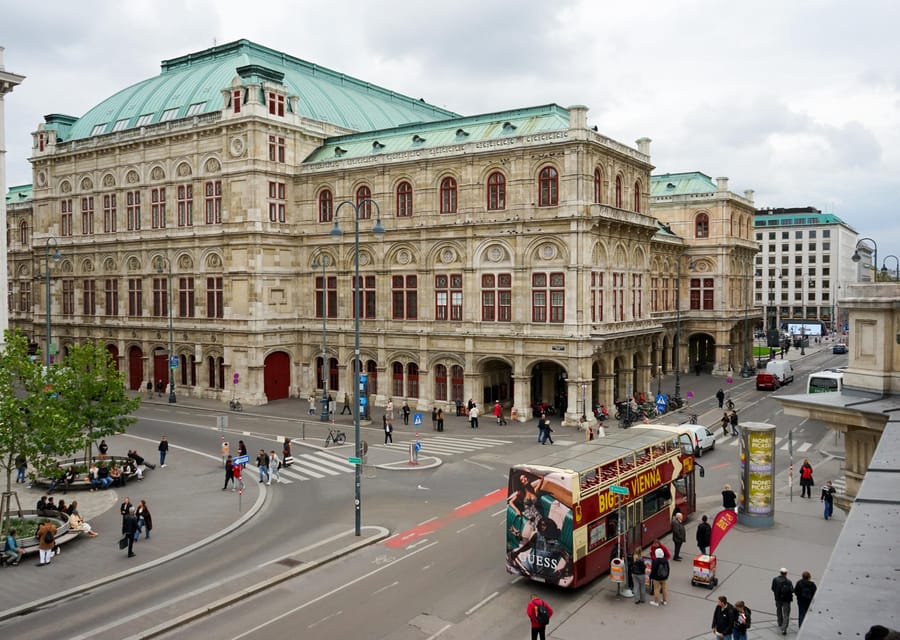
The Vienna State Opera is one of the route’s strongest photo stops. Its exterior reflects the city’s long musical reputation, and the guide places the building within Vienna’s cultural story.
This is a good place to ask questions if you are interested in concerts, opera, or the city’s performance traditions. The walk gives you a basic understanding of why the Opera matters before you decide if you want to attend a performance.
The tour does not include an interior visit or a show ticket. That keeps the price low, but it also means the stop is fairly quick. I would enjoy the building from outside, listen to the guide’s explanation, then return on my own if I wanted more time for photographs or an interior tour.
Ending at St. Stephen’s Cathedral
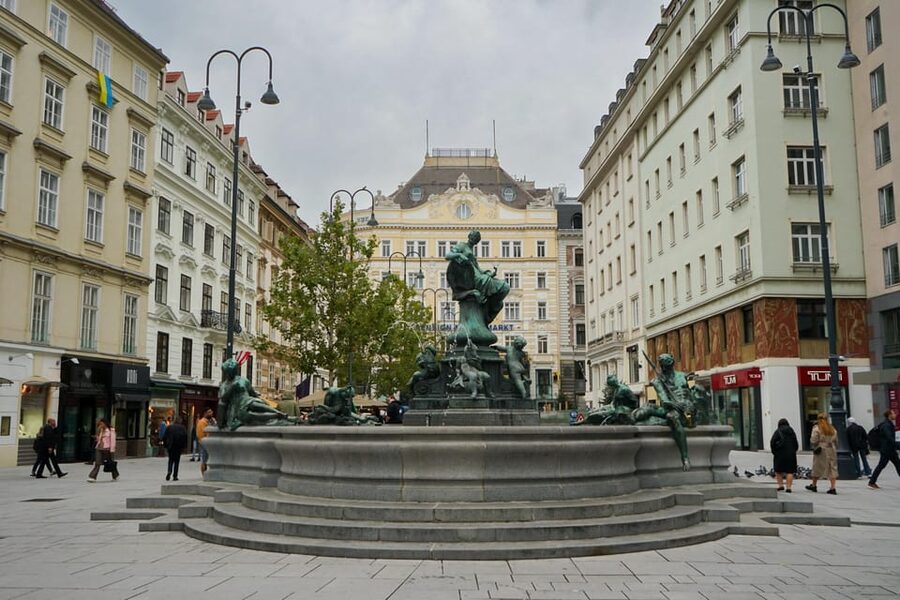
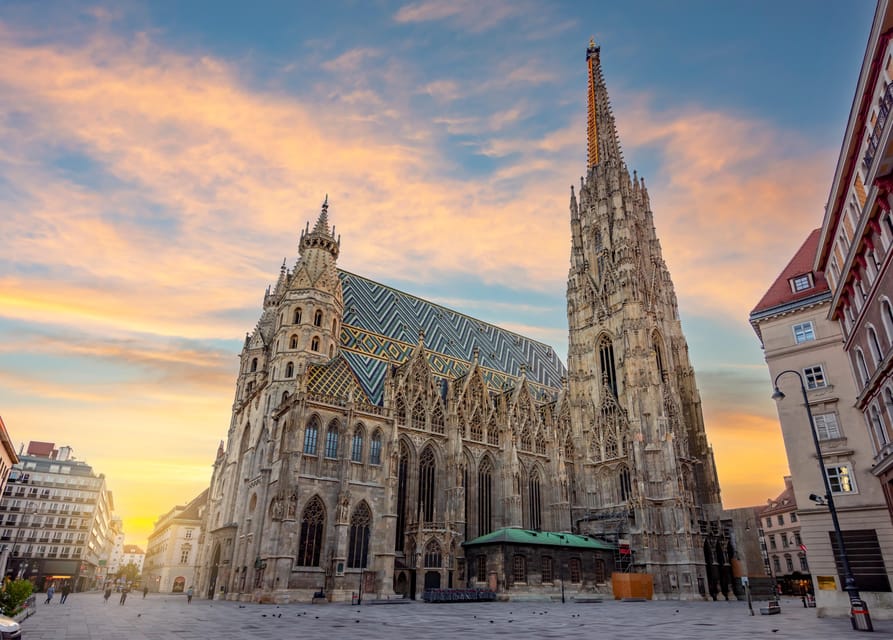
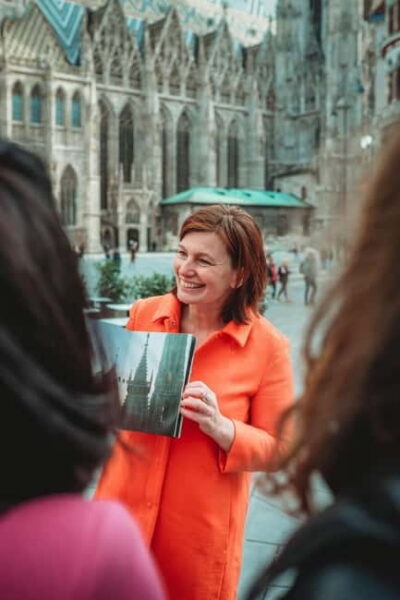
The walk ends at St. Stephen’s Cathedral, Vienna’s most famous Gothic landmark. Its patterned roof and tall stone form make a strong finish to a route through the city center.
Ending here is useful beyond the tour itself. Stephansplatz is a natural base for further sightseeing, food, and shopping. You can continue exploring, stop for a meal, or enter the cathedral independently if it is open and you have time.
The cathedral is an exterior stop during the guided walk. Admission to any interior areas is not included, and the tour does not promise access to towers or other parts of the building.
Several people found the final location especially convenient for continuing their day. I agree with that choice. The guide gives you a quick framework, then leaves you at one of Vienna’s most central landmarks with plenty of options nearby.
How the pace and group size affect the experience
Two hours sounds generous until you count nine points along the route. You will walk, stop for explanations, take photographs, and move on. The pace is active rather than strenuous, but it is not a slow architectural study.
The tour can be offered as a private group, which may suit families or small parties that want more control over questions and timing. Standard departures can be larger. One group had around 30 people, yet the listening equipment helped everyone follow the guide.
A larger group brings two drawbacks: you may stand toward the back at each stop, and the guide cannot give every question much time. The benefit is a lower price and a lively shared atmosphere. If you prefer quiet, unhurried observation, a private option or a self-guided visit may suit you better.
Some participants also wished for a short restroom break during the two hours. Plan ahead, since the walk is designed as a continuous route.
What the guides add
The guide is the heart of this activity. Strong guide-led walks do more than list dates, and this one aims for that approach.
Michael is often praised for his humor, warmth, and ability to keep a group moving in cold weather. Max brings both historical explanation and childhood memories from Vienna. Petra is described as energetic and clear, while Celine uses earpieces and keeps the group engaged. Ivo is noted for his passion and for offering useful suggestions beyond the formal route.
Those details matter because the route itself is easy to follow with a map. The value comes from hearing the stories that connect each place. You can walk past the Opera on your own, but a good explanation helps you notice how the building fits into Vienna’s identity.
Guide quality can vary, of course. The exact guide is not guaranteed, and no two people tell the city in quite the same way. The strong pattern across the available feedback is that the team delivers more than a dry list of facts.
Is $27 good value?
At $27 per person, the tour is fairly priced for a two-hour guided introduction in central Vienna. You are paying for a professional guide, a carefully arranged route, exterior explanations, and the Last Supper mosaic visit when church access is possible.
The price is especially reasonable if you are new to Vienna and want to save planning time. A good first walk can prevent you from spending half a day crossing the center without understanding what you are seeing.
It is less valuable if you already know the Innere Stadt well or want interior access. Museum admissions, food, drinks, and transportation are extra. You also need to pay separately for any palace, museum, cathedral, or performance visit you choose afterward.
Free cancellation up to 24 hours before the start and a reserve-now, pay-later option make the booking flexible. Still, check the weather before the cancellation deadline. The walk runs in all conditions, and there is no indoor version of the route.
Who should book this Vienna walk?
I would recommend it to first-time visitors, short-stay visitors, solo visitors who want an easy way to meet a group, and anyone who likes history explained in plain language. It is also useful for people who want practical suggestions from a local guide before choosing museums and restaurants.
It suits you best if you are comfortable walking for two hours, standing outdoors, and seeing major sights from the outside. Families and private groups may appreciate the option to book privately.
I would look elsewhere if you need wheelchair access or have significant mobility limits. The activity is not suitable for wheelchair users or people with mobility impairments. I would also skip it if your main goal is to enter the Hofburg, Spanish Riding School, Albertina, Opera, and cathedral during the same outing.
Should you book it?
Book this tour if you want a fast, story-filled introduction to central Vienna at a sensible price. The route covers the city’s major imperial and cultural markers, adds the unusual Minoriten mosaic, and finishes in a useful part of town.
Skip it if exterior views will leave you frustrated or if you prefer to set your own pace. For most first visits, though, two hours with a lively guide such as Michael, Max, Petra, Celine, or Ivo can give you a strong start and a better plan for the rest of Vienna.
FAQ
Where does the Vienna walking tour start?
It starts in front of the Leopold-Figl statue at Minoritenplatz. Minoritenplatz is about a 10-minute walk from Stephansplatz.
How can I reach the meeting point by subway?
Take the U3 subway to Herrengasse station. Follow the signs for Minoritenplatz and exit there.
Where does the tour finish?
The tour finishes at St. Stephen’s Cathedral in central Vienna.
How long does the walking tour last?
The guided walking tour lasts two hours.
What languages are available?
The tour is available in English, German, and Italian.
Does the tour enter the museums and palaces?
No. The tour focuses on exterior visits. Museum entrance fees and other interior admissions are not included.
Is the Last Supper mosaic included?
Yes, a visit to the Last Supper mosaic at Minoriten Church is included. If Mass is taking place, the church cannot be visited at that time.
What should I bring?
Bring comfortable shoes, a camera, and clothing suited to the weather. The tour operates in all weather conditions.
Is the tour suitable for wheelchair users?
No. The activity is not suitable for wheelchair users or people with mobility impairments.
Just reviewed in Vienna
- World War II History Vienna Old Town Private Walking Tour★ 4.8 · 9 reviews
- Vienna: Wine Tasting E-Bike Tour★ 4.9 · 46 reviews
- Vienna: Winery and Wine Tasting Tour with a Wine Expert★ 5.0 · 5 reviews
- Vienna: Unforgettable Private City Tour★ 5.0 · 7 reviews
- Vienna Urban Art Tour: Explore a different side of Vienna!★ 3.8 · 14 reviews
- Vienna: Concert by the Vienna Baroque Orchestra★ 4.6 · 56 reviews
- Vienna: Sunday Brunch Danube Cruise & Live Music★ 4.2 · 42 reviews
- Vienna Supreme Orchestra at Palais Niederösterreich★ 4.8 · 10 reviews
Vienna City Sightseeing Tours, compared.
Vienna PASS: All incl. Sightseeing Pass for 85+ Attractions
Read our review →
Skip-the-Line Schonbrunn Palace Guided Tour and Vienna Historical City Tour
Read our review →
Browse the lists this tour appears in