
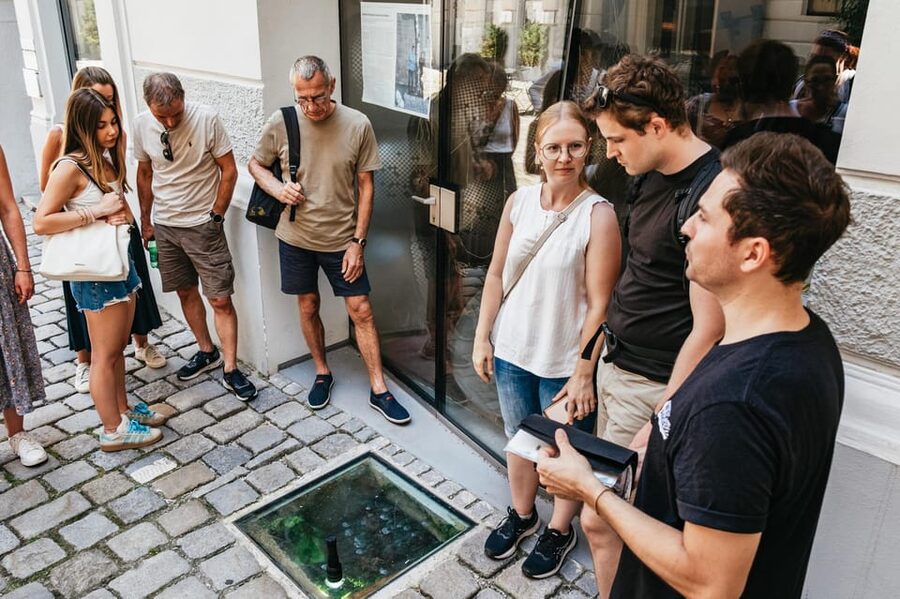
Reviewed · WALKING TOURS
Vienna: Viennese Underworld Guided Walking Tour
Vienna’s grand streets conceal a gloomier city below. This guided walk takes you down several stairways into old private cellars, wartime shelters, medicine rooms, and corridors tied to the city’s less polished past. The exact sites depend on the option you book, so read the descriptions closely before choosing.
I like the unusual subject and the chance to see places that a standard Vienna walking tour skips. I also like the small-group format and the option of an English audio guide, especially since the live guide speaks German. The main drawback is physical: expect uneven ground, narrow spaces, dirt, and several stairs with no elevator.
- Private cellars beneath central Vienna: Enter old basement spaces that once served practical, secretive, or unsettling purposes.
- Three tour lengths: Choose a 1-hour, 1.5-hour, or 2-hour version, with different places and themes.
- World War II traces: Some options include wartime relics and former air raid shelters.
- Old medical spaces: A selected tour may include a historical pharmacy laboratory and medicine cellar.
- Guides with a lively touch: Bella is especially good at keeping the stories clear, warm, and entertaining.
- Bring your own light: A phone flashlight works, but a real flashlight is more useful underground.
Vienna’s second city beneath the Ring
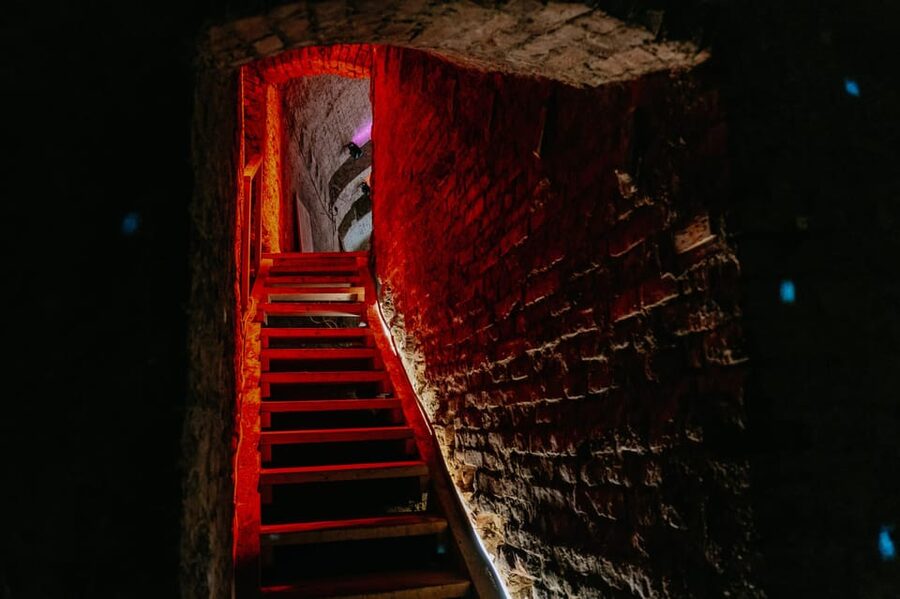
Most first-time visits to Vienna focus on palaces, concert halls, coffeehouses, and imperial streets. This tour points your attention downward. Beneath the polished center are basement rooms with old walls, rough floors, forgotten equipment, and stories that rarely appear in a standard city tour.
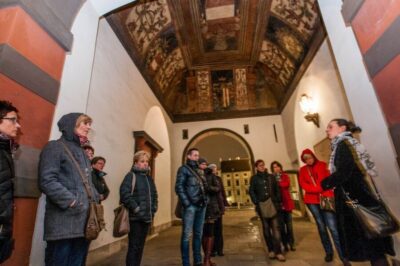
You are not entering one large, continuous underground network. Instead, the experience leads you into several historical basement spaces, depending on the version you select. These places are private and unusual, which gives the tour a more local feel than a large public museum.
The mood is part history lesson and part urban mystery. The rooms are not presented as a theme-park haunted house. Their appeal comes from the real uses they once had and from the way ordinary city buildings could conceal spaces for storage, medicine, shelter, work, and refuge.
That difference matters. You are not simply looking at old stone. You are trying to understand how Vienna’s residents used the cramped space below their homes and businesses, especially during difficult periods.
Choosing between the 1-hour, 1.5-hour, and 2-hour options
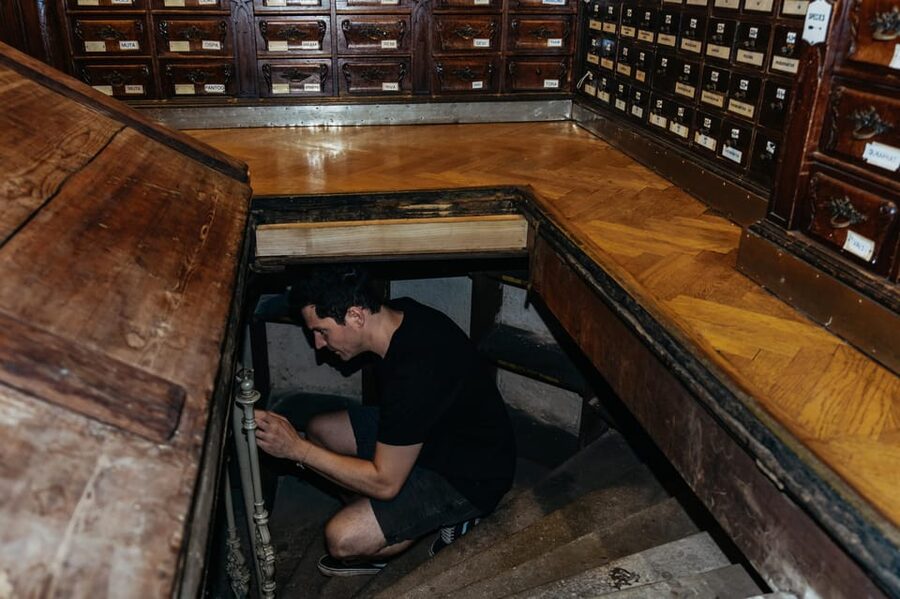
The most important booking decision is the tour length. The 1-hour, 1.5-hour, and 2-hour choices do not just add more time to the same route. Each option has its own focus and visits different private basements.
Read the description of each option with care before paying. One may emphasize wartime evidence, another may include medical history, and another may lead to different places of refuge or older basement rooms. The attraction included with your ticket also depends on that choice.
The 1-hour version makes sense if you want a quick, unusual break between major sights. It gives you a taste of Vienna’s underground side without taking up much of your day. I would choose it if your schedule is tight or if you are unsure how comfortable you will feel in cramped, uneven spaces.
The 1.5-hour option gives the subject more room to breathe. You have extra time for stories and for moving between spaces, but you still avoid turning the experience into a major half-day commitment.
The 2-hour version is best for anyone who enjoys historical oddities and wants the fullest available treatment. More time underground means more places or a longer look at the themes included in your chosen route. It also means more standing, more stairs, and more time in dark or confined rooms.
Meeting points can vary by option. Check your confirmation carefully rather than assuming every version begins at the same place.
More walking tours in Vienna:
- Vienna: Guided Walking Tour of City Center Highlights
★ 4.7 · 4,989 reviews - Vienna: Vienna Central Cemetery Guided Walking Tour
★ 4.8 · 3,307 reviews - Vienna: Guided Walking Tour of City Highlights & Hidden Gems
★ 4.9 · 2,180 reviews
Going down the stairs into old private cellars
The physical setting is a major part of the experience. You leave the bright streets of Vienna and descend through several stairways into basement rooms that may feel cool, rough, dusty, or close around you.
There are no elevators. Some surfaces are uneven, and the activity warns of tripping and injury. Wear closed-toe sports shoes with a firm sole, not dress shoes or smooth sandals. Comfortable clothes are sensible, and you should be prepared for them to get dirty.
Bring a flashlight. You can use the light on your phone, but a small real flashlight leaves both hands free and gives you a better view of steps and corners. Headphones are not provided, so bring your own if you plan to use the optional audio guide.
This is not a good choice for anyone with limited mobility, wheelchair users, or people with strong claustrophobia. Even if you are generally fit, take the stairs slowly and keep a hand free for balance. Participation is at your own risk.
The rough setting is not a flaw to hide. It is what gives the tour its character. Still, you should choose it because you are comfortable with a basic, imperfect environment, not because you expect a polished museum.
Wartime shelters and World War II relics
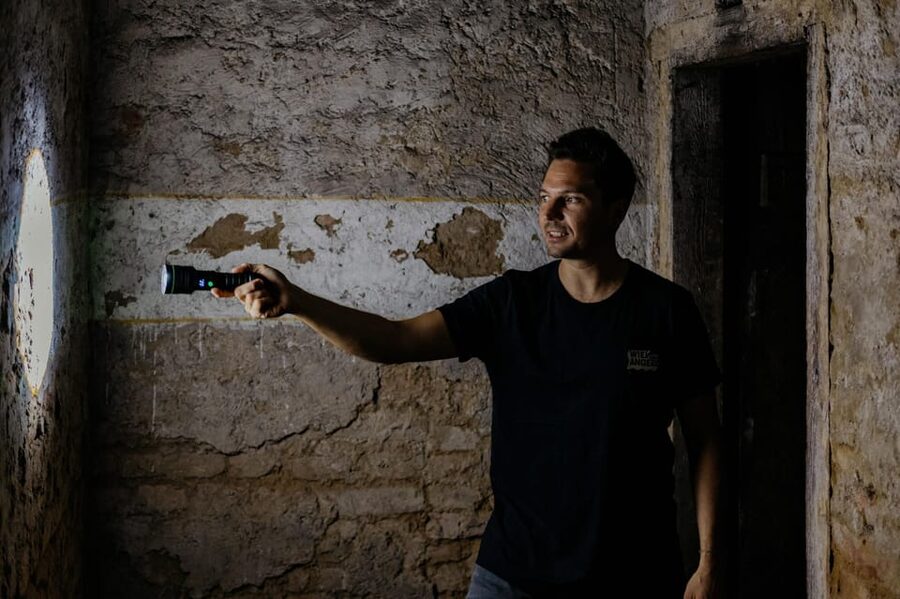
Some tour options focus on Vienna during World War II and include former air raid shelters or relics from the period. These places can make the subject feel immediate because you are standing in the kind of enclosed space where people once sought protection during attacks.
The value here is physical context. A book can tell you about air raids and civil defense, but a basement stairwell and shelter room show the limits of the available protection. You can better picture the lack of space, light, and comfort.
The tour does not promise that every option includes the wartime material. Check your chosen route if World War II history is your main reason for booking. A shorter option might focus on another part of the underground story.
Expect the tone to be serious at times. The setting is tied to fear, displacement, and survival. The guide’s role is important here, and Bella has been singled out for making the material informative, understandable, and engaging without letting the pace drag.
Pharmacy rooms, medicine, and practical history
Another possible focus is a historical pharmacy laboratory and medicine cellar. This offers a different view of Vienna’s past. Instead of concentrating only on military history or shelter, it shows how medical work and storage once took place in basement spaces.
An old laboratory gives you a sense of the practical side of city life. Medicines needed to be prepared, stored, and handled somewhere. A cellar could be useful for keeping supplies away from light, heat, and daily traffic, even if the room was not designed for modern comfort.
This part will appeal to you if you enjoy small details and unusual working spaces. It also helps broaden the tour beyond dark wartime stories. Vienna’s underground rooms were not all used for one reason, and the changing functions are part of the appeal.
Again, the pharmacy material depends on the option you select. The tour description makes clear that different versions reveal different relics and rooms, so do not assume the 1-hour route includes every theme.
A few more Vienna outings worth weighing up
- Vienna Spanish Riding School Guided Tour
★ 4.7 · 6,765 reviews - Vienna: Tickets for Mozarthaus Vienna with Audio Guide
★ 4.2 · 2,344 reviews - Classic Vienna: 3-Hour Guided Bike Tour
★ 4.7 · 1,846 reviews - Vienna: Skip the Line Schönbrunn Palace and Gardens Guided Tour
★ 4.5 · 1,540 reviews
Refuge spaces and Vienna’s outcasts
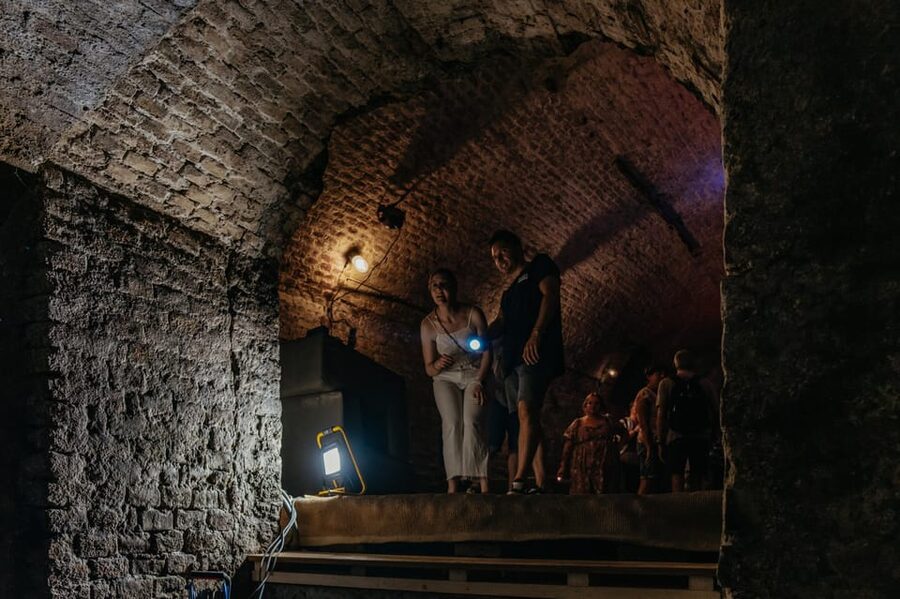
The underground settings also connect with people who needed shelter or refuge outside ordinary city life. Depending on the route, you may visit places once used by outcasts or people seeking protection.
This theme gives the tour a human edge. Basement history is not only about architecture. It is also about who was allowed comfort and safety above ground, and who had to find a place below it.
The wording of the experience is intentionally broad, so you should not expect a single fixed story or a named cast of historical characters at every stop. Instead, the guide connects the rooms with their former uses and with the less visible lives that passed through them.
These spaces can feel more compelling than a grand building because they suggest ordinary problems: where to hide, where to store supplies, where to work, and where to go when the main city offers no safe place.
A live German guide and an English audio option
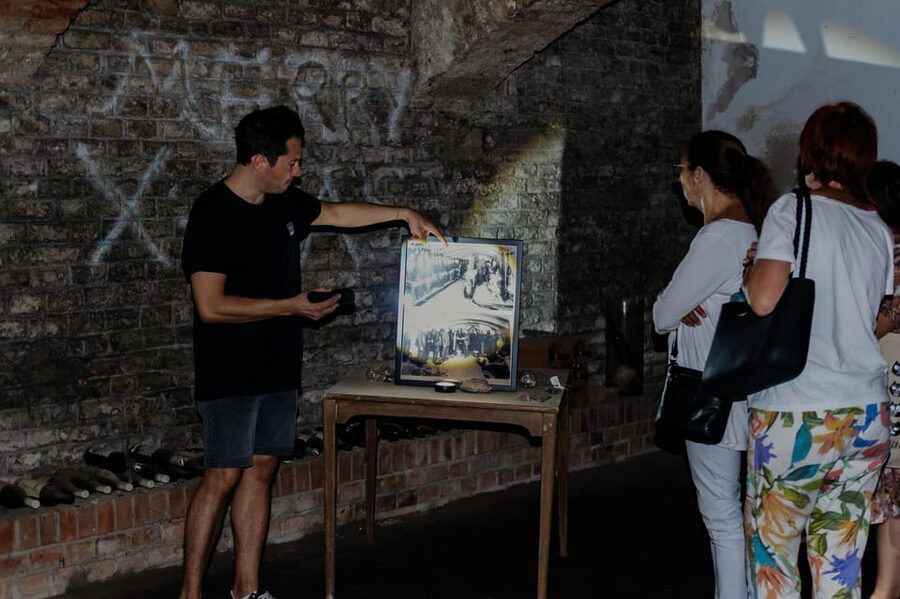
The live tour is conducted in German. An optional audio guide in English can be downloaded to your phone, which makes the experience possible for non-German speakers, but it is worth understanding the tradeoff.
A live guide can react to questions, adjust the pace, and add personality. The English audio guide gives you access to the content, but you may not get the same back-and-forth exchange as a German-speaking participant. Bring your smartphone and your own headphones for the best listening experience.
Bella is one guide associated with this experience. Her style comes across as friendly, clear, and lively. She takes questions seriously and keeps the tour moving, which matters in a basement setting where a long, flat lecture would quickly become tiring.
If you speak German, the live commentary is likely to be the strongest version of the tour. If you do not, the audio option is useful, but check the language details at booking and make sure your phone is charged.
Why the small-group format helps
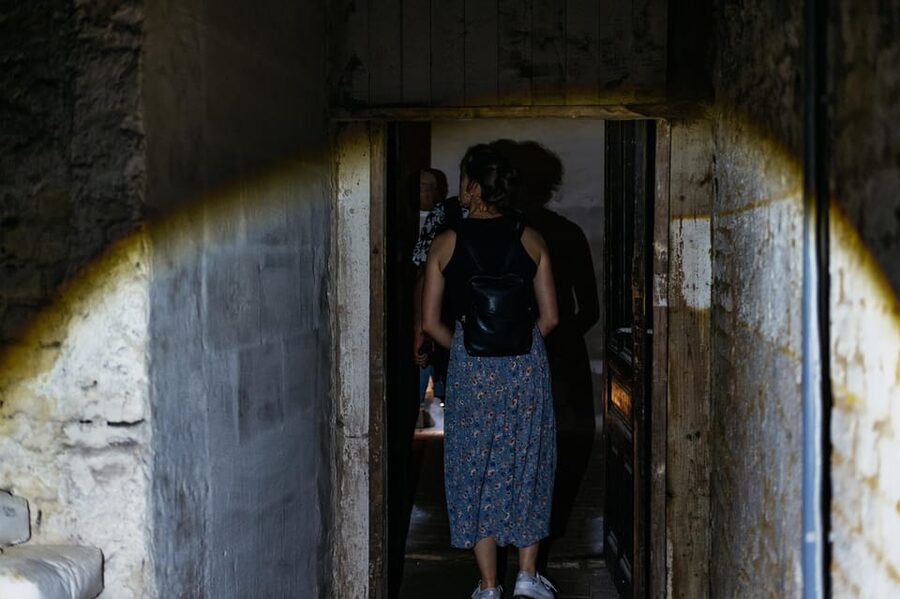
A small group is a real advantage underground. Narrow stairs and compact rooms are easier to manage when you are not moving with a large crowd. You can also hear the guide more clearly and ask questions without turning the tour into a public performance.
The experience includes entry fees for the attraction or attractions in your selected option, along with the guide. Food and drinks are not included, though that is hardly a problem for a 1 to 2-hour activity. You can eat before or after in central Vienna.
The tour costs about $37 per person. That is more than a basic city walk, but the price includes guided access to private basement spaces that you cannot simply enter on your own. The value depends on your interests.
I think the price is fair if you enjoy history outside the usual highlights and want access to unusual interiors. It is less convincing if you mainly want famous architecture, broad city views, or a relaxed stroll. You are paying for access, interpretation, and the special setting, not for a long list of major monuments.
How to prepare before meeting the guide
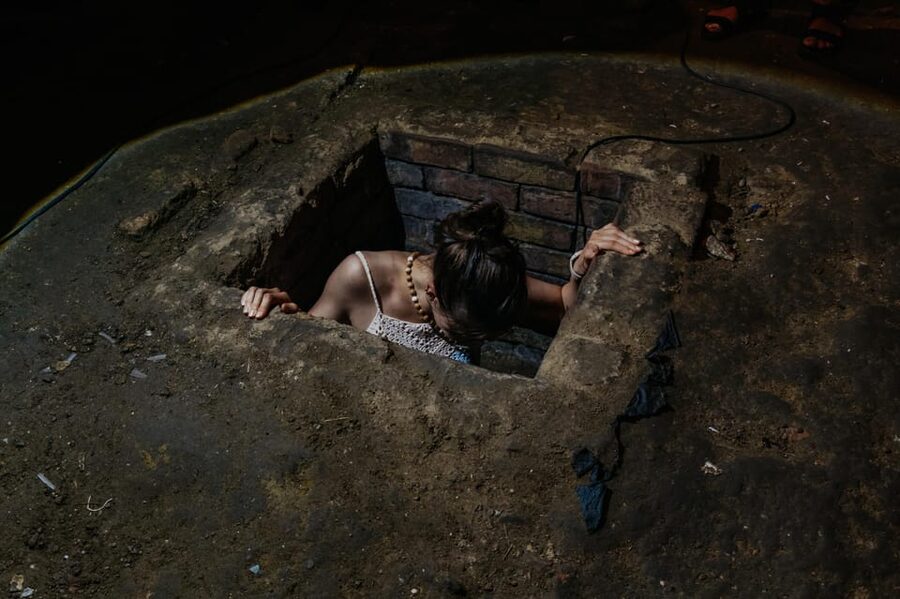
You can make the experience much easier with a few simple choices:
- Wear closed-toe shoes with good grip.
- Choose clothes that can handle dust or dirt.
- Bring a flashlight, or charge your phone fully.
- Pack headphones for the English audio guide.
- Check the exact meeting point for your selected option.
- Arrive ready for stairs, uneven surfaces, and confined rooms.
- Keep your hands free when walking through darker sections.
Do not count on the tour providing a flashlight or headphones. Both are specifically excluded. A phone light is acceptable, but a dedicated flashlight gives a wider, steadier beam.
You should also avoid booking this as a last-minute filler activity if stairs or tight spaces are a concern. The physical conditions are central to the tour, not a minor detail.
Who will enjoy this underground tour most
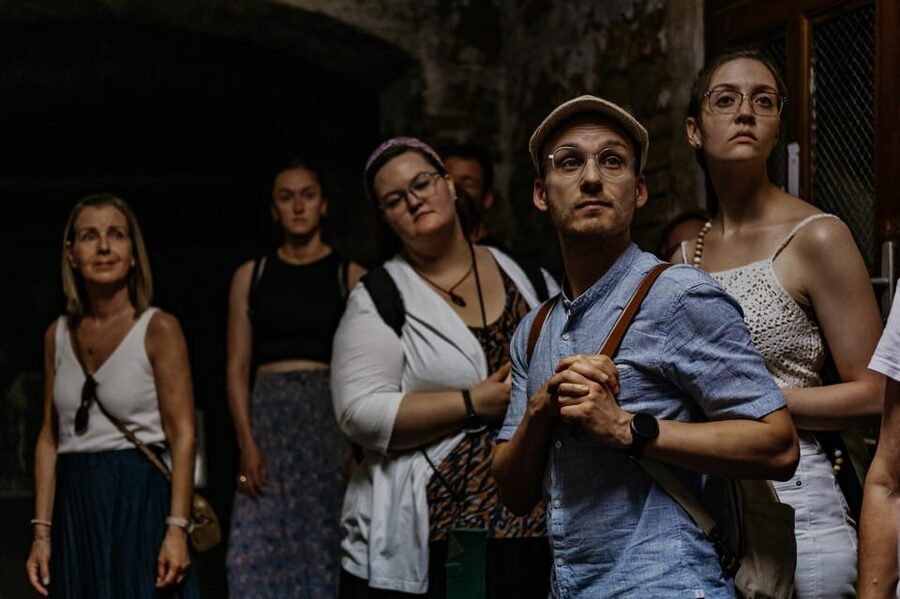
I would recommend it to repeat visitors who have already seen Vienna’s main palaces and museums and want a different angle. It also suits history fans, people interested in World War II, and anyone who enjoys unusual city spaces.
The tour works well for adults and older children, but children under 10 are not permitted. The subject matter and physical setting are better suited to people who can listen carefully, manage stairs, and stay comfortable in a gloomy basement.
It is less suitable for a first activity after a long flight if you are tired or carrying heavy luggage. The stairs and uneven ground demand attention. It is also a poor match for anyone who wants a gentle, accessible walk.
The tour has a rating of 4.7 from 1,865 ratings, and the strongest praise centers on the guides’ warm, entertaining way of telling the stories. That is worth noting because this experience depends heavily on presentation. The rooms are interesting, but a good guide turns scattered cellars into a coherent story about Vienna.
Cancellation and planning flexibility
You can cancel up to 24 hours before the activity for a full refund. You can also reserve now and pay later, which helps if your Vienna schedule is still changing.
Starting times vary, so check availability for your date. Since the meeting point can change with the option, confirm both the time and location after booking.
Allow enough time to reach the meeting point without rushing. A late arrival is not ideal for a tour that may move through several basement entrances, though the guide has shown care with small timing issues in at least one case.
Should you book the Viennese Underworld tour?
Book it if you want a strange, physical, story-led look at Vienna rather than another grand building. The old cellars, wartime shelters, medical rooms, and refuge spaces offer a side of the city that most visitors never see.
Choose your option based on the theme and not just the duration. If World War II relics matter most, confirm that your selected route includes them. If you prefer medical or social history, look for the option that covers the pharmacy rooms or refuge spaces.
Skip it if you dislike tight spaces, uneven floors, or stairs without elevators. Also skip it if you need a fully accessible activity. For everyone else, especially German speakers who can follow the live guide, this is a memorable way to put Vienna’s polished streets in a darker, more complicated frame.
FAQ
How long does the Viennese Underworld tour last?
You can choose a tour lasting 1 hour, 1.5 hours, or 2 hours. Each option has a different focus and may visit different private basements.
What language is the live tour in?
The live guide speaks German. An optional English audio guide is available for download to your smartphone.
What should I bring?
Bring comfortable clothes, closed-toe sports shoes, a flashlight, and your smartphone. You should also bring your own headphones if you want the best experience with the audio guide.
Are the underground spaces accessible by elevator?
No. You must descend several stairs, and there are no elevators. The tour is not suitable for wheelchair users or people with mobility impairments.
Can children join the tour?
Children under 10 years old are not permitted to participate.
Can I cancel the booking?
Yes. You can cancel up to 24 hours in advance for a full refund. Reserve now and pay later is also available.
Just reviewed in Vienna
- World War II History Vienna Old Town Private Walking Tour★ 4.8 · 9 reviews
- Vienna: Wine Tasting E-Bike Tour★ 4.9 · 46 reviews
- Vienna: Winery and Wine Tasting Tour with a Wine Expert★ 5.0 · 5 reviews
- Vienna: Unforgettable Private City Tour★ 5.0 · 7 reviews
- Vienna Urban Art Tour: Explore a different side of Vienna!★ 3.8 · 14 reviews
- Vienna: Concert by the Vienna Baroque Orchestra★ 4.6 · 56 reviews
- Vienna: Sunday Brunch Danube Cruise & Live Music★ 4.2 · 42 reviews
- Vienna Supreme Orchestra at Palais Niederösterreich★ 4.8 · 10 reviews
Walking Tours, compared.

Guided Walking Tour of City Highlights & Hidden Gems
Read our review →

Vienna Historic Center Small Group Walking Tour
Read our review →
Browse the lists this tour appears in