Reviewed · GUIDED
Vienna Spanish Riding School Guided Tour
Vienna’s Spanish Riding School is not just a performance hall. On this 55-minute behind-the-scenes tour, you enter the Winter Riding School, see the Summer Riding School’s enormous oval horse walker, and walk into the Stallburg where Lipizzaner stallions are kept. The horses are the stars, but the buildings and centuries-old training system give the visit its real shape.
I like two things especially: you get much closer to the working side of the school than a performance alone allows, and the guides explain how horses and riders are trained rather than simply pointing out pretty architecture. Guides such as Natasha, Sisi, and Lorelei have earned praise for mixing solid facts with humor and taking time for questions.
The main catch is simple: this is not a show. Morning exercise tickets are not included, and there may be no riding demonstration during your visit. You also cannot take photographs or videos, touch the horses, or bring a wheelchair into the guided tour.
Key points
- The Winter Riding School puts you inside the elegant Baroque arena used for classical equitation.
- The Stallburg stables bring you close to Lipizzaner stallions, though touching and photography are forbidden.
- The Summer Riding School contains the world’s largest oval horse walker.
- The guide makes the difference, with English and German tours and plenty of time for questions.
- The $28 price is fair for access to several working areas in less than an hour, especially if a performance is sold out.
- The tour suits horse lovers and curious non-riders alike, but it is not wheelchair accessible and does not include morning training.
Entering the Spanish Riding School at Michaelerplatz
You meet at Michaelerplatz 1, at the main entrance of the Spanish Riding School. Show your mobile voucher at the ticket counter, then exchange it for an admission ticket. You can collect that ticket no earlier than one hour before the activity, so do not plan on picking it up first thing in the morning for an afternoon visit.
The location is central and easy to fit into a day of sightseeing around Vienna’s Hofburg area. Give yourself enough time to find the entrance and complete the voucher exchange. The tour itself lasts 55 minutes, but the ticket collection adds a small practical step.
Guided tours run in English and German. The English guides have received especially strong praise for answering questions from both horse experts and complete beginners. Some guides, including Natasha, Sisi, Lorelei, and Inga, are described as warm, funny, and clearly attached to the work of the school.
That matters here. The tour covers architecture, breeding, stable routines, rider training, and the rules of classical equitation. A dry guide could turn that into a list of dates and horse terms. A good guide connects the pieces and helps you understand why the institution still operates as a working school rather than a museum.
A few more Vienna outings worth weighing up
- Vienna: Guided Walking Tour of City Center Highlights
★ 4.7 · 4,989 reviews - Vienna: Vienna Central Cemetery Guided Walking Tour
★ 4.8 · 3,307 reviews - Vienna: Tickets for Mozarthaus Vienna with Audio Guide
★ 4.2 · 2,344 reviews
The Winter Riding School and its Baroque setting
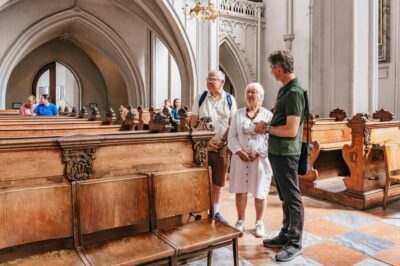
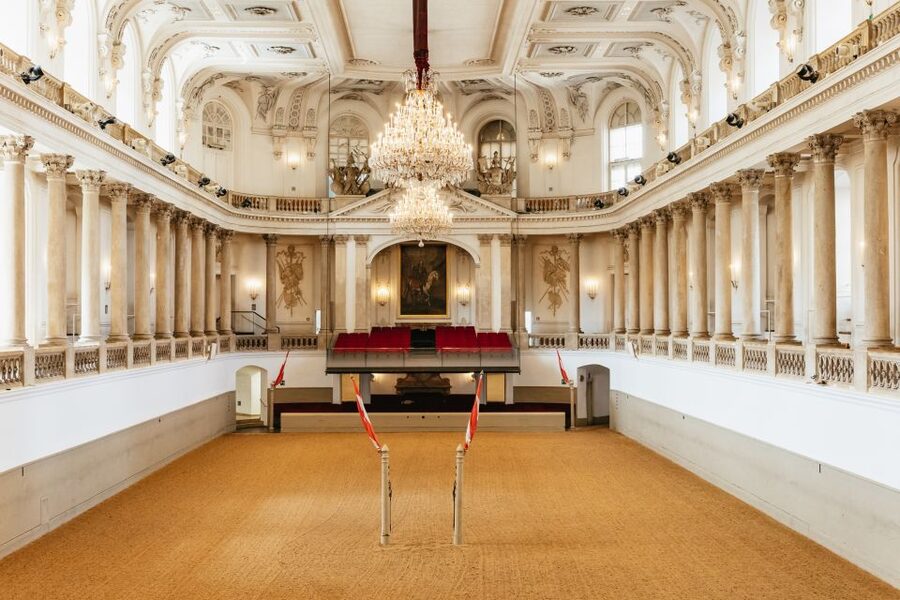
The first major stop is the Winter Riding School, a grand Baroque hall built for classical riding. You sit or gather in the performance area while the guide explains the purpose of the school and the tradition of Haute Ecole, the refined form of equitation developed in the Renaissance tradition.
Even without horses performing, the arena gives you a sense of the school’s public face. This is where the polished movements, formal presentation, and famous white stallions come together during performances. The guided visit lets you see the room without having to buy a separate performance ticket.
The building itself is a major reason to take the tour. If you are interested in Vienna’s imperial architecture, the riding school offers a different angle from the usual palace rooms. Here, decoration serves a working purpose. The space was designed for horses, riders, training, and public display.
You should keep your expectations clear. The arena may be empty during the tour, and the visit does not promise a performance or a short riding presentation. Several people who hoped to see the horses work found that the animals were on break or away at their summer location.
Still, the empty arena is not wasted time. The guide explains what happens there and how the training system works. If you later attend a performance, this background will make the movements easier to understand.
The Stallburg stables and Lipizzaner stallions
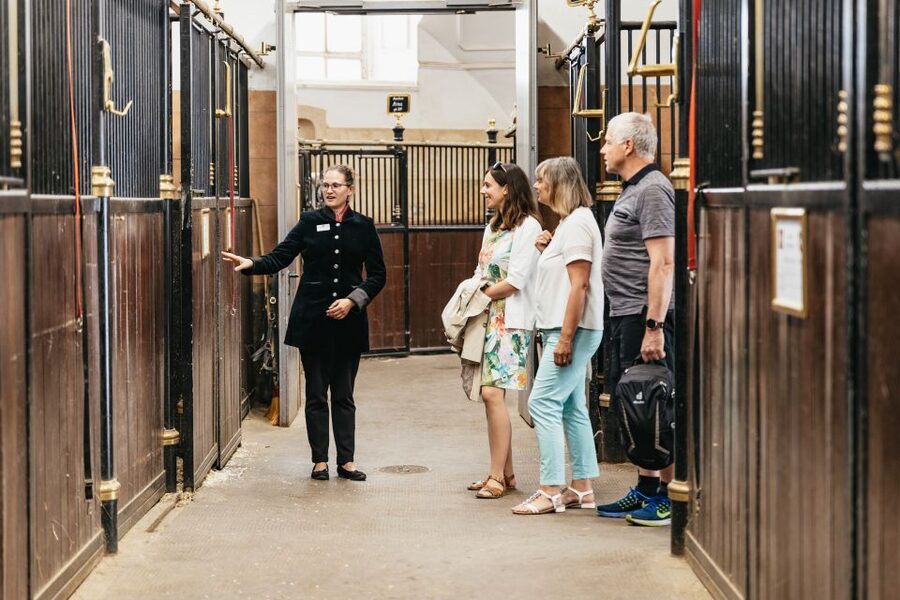
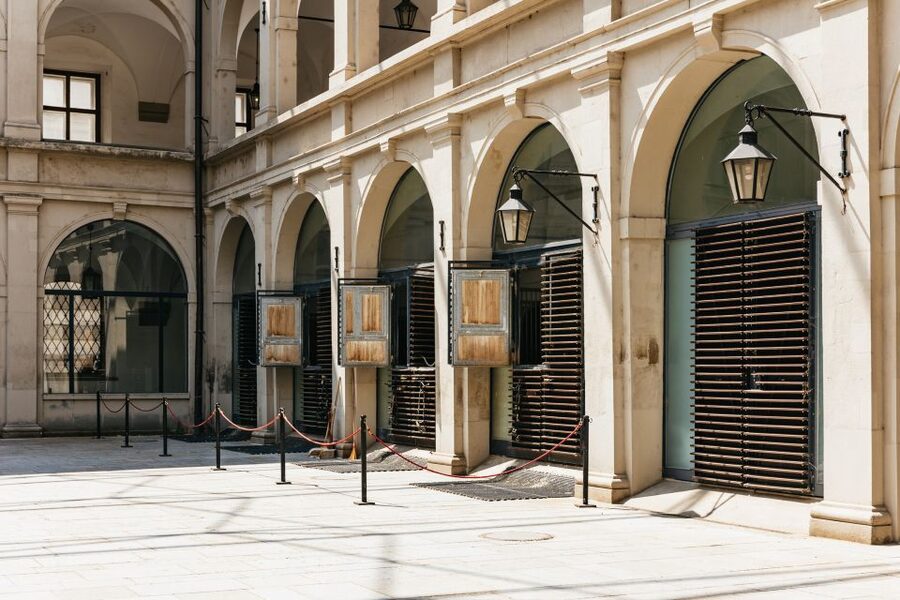
The tour then moves through the Stallburg, Vienna’s most important Renaissance building. Its arcade courtyard and historic stables give the visit a more personal feel than the formal arena.
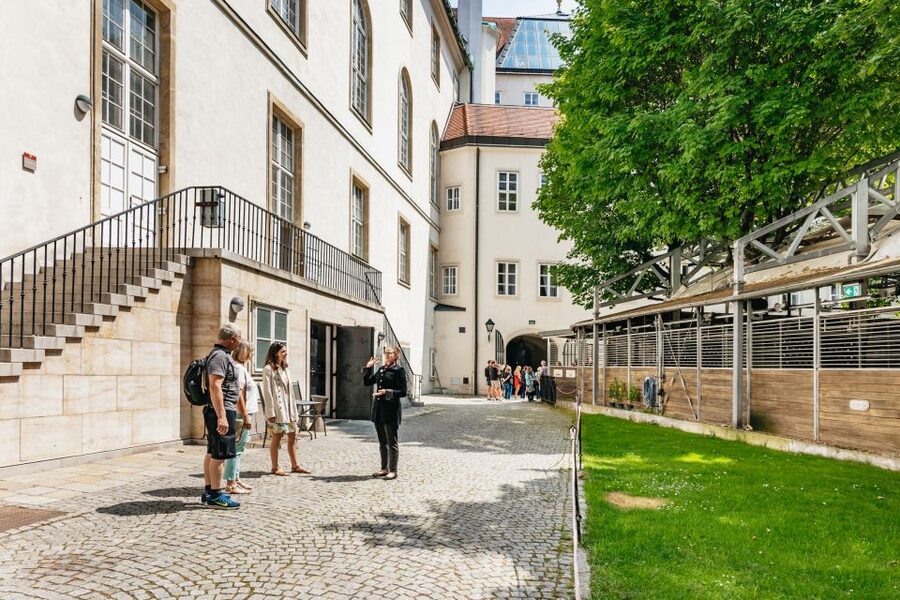
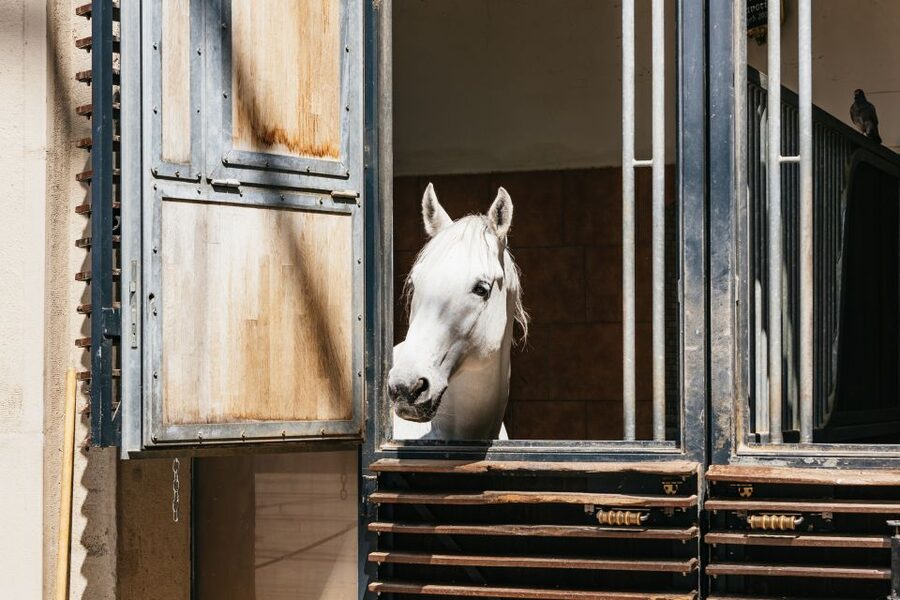
This is where you can see the stallions close up, often from the open courtyard or stable area. You cannot touch them, and photography and video are not permitted. The restrictions can frustrate horse lovers who want a picture or a quick pat, but they protect the animals and keep the stable functioning as a workplace.
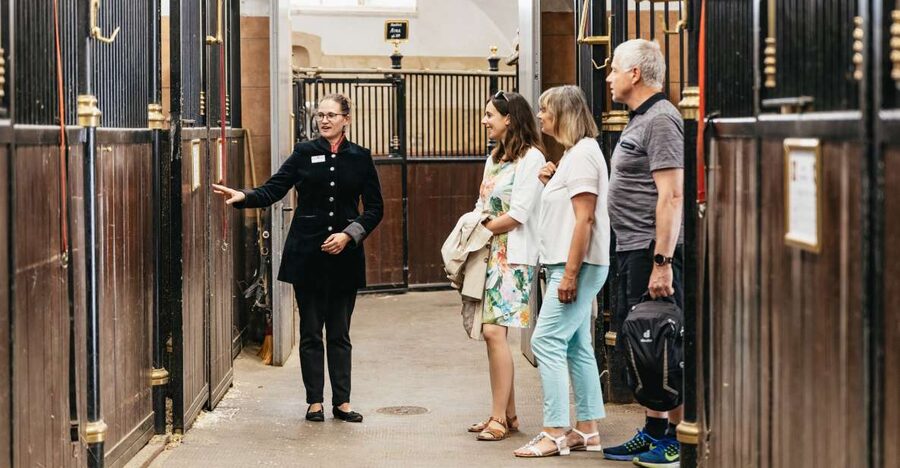
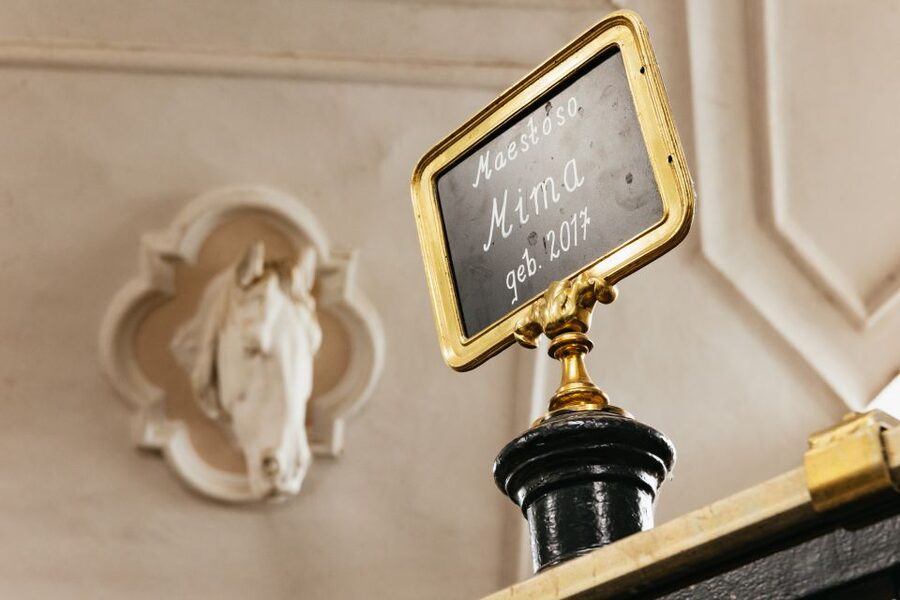
The horses are usually in their stalls, not presented for a staged encounter. That is part of the appeal. You see them as working animals with routines, training, rest periods, and careful care. The guide explains their breeding, naming, lineage, age groups, and preparation for the school.
The Lipizzaners are famous for their white coats, but the tour can add useful detail to that familiar image. You might also see a bay horse, a rare exception that does not turn white. One visitor specifically remembered seeing this unusual horse, which shows why the stable portion can be rewarding even when no training is scheduled.
You may notice stable cats around the working areas and tack room. They are not part of the official program, but one or two have become familiar fixtures, quietly observing the groups and doing their expected mouse-catching work.
The stable visit is the strongest part for most people who love horses. It is also the point where the rules matter most. Keep your hands to yourself, follow the guide’s instructions, and do not hold up the group for a closer look.
The Summer Riding School and the giant horse walker
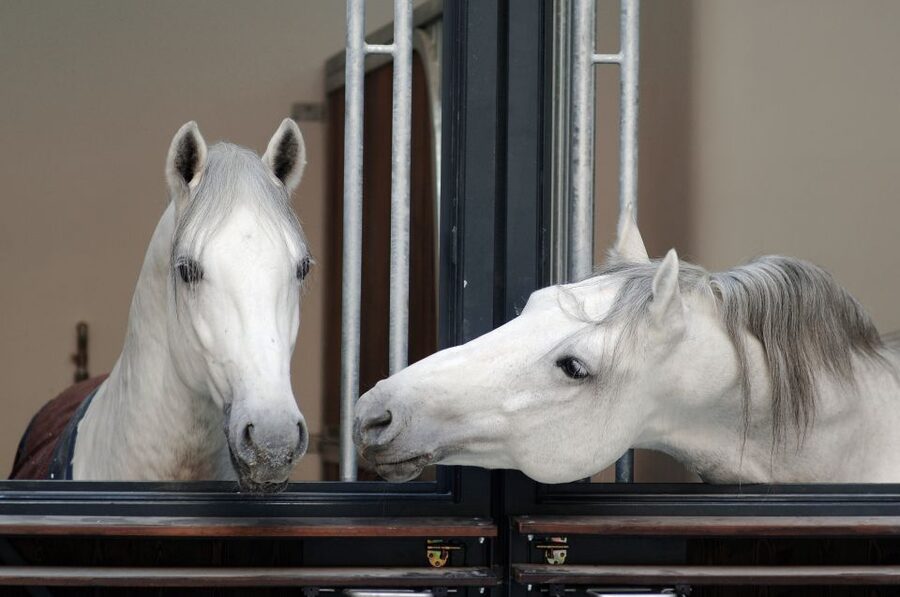
The route includes the Summer Riding School, which houses the world’s largest oval horse walker. This is a practical part of the school’s daily operation, not merely another impressive room.
The horse walker lets several horses exercise in a controlled setting. Seeing it helps explain how the institution manages the physical needs of its animals outside formal training. The guide can place this equipment within the broader routine of grooming, exercise, riding, rest, and care.
This stop may not have the visual drama of the Winter Riding School, but it gives the tour useful balance. You are not only seeing historic rooms. You are also learning how a traditional riding school functions day to day.
The exact order of the stops can vary, but the route generally takes you from the arena through working areas and ends near the stables and tack room. Wear comfortable shoes because you are on your feet and moving between several parts of the complex.
A different sort of day out in Vienna:
- Vienna: Vivaldi’s Four Seasons Concert in Karlskirche
★ 4.7 · 14,951 reviews - Vienna: Skip-the-cashier-desk-line Giant Ferris Wheel Ride
★ 4.5 · 7,859 reviews - Vienna: Schönbrunn Palace & Gardens Skip-the-Line Tour
★ 4.7 · 7,739 reviews - Vienna: Light of Creation Votive Church Immersive Light Show
★ 4.8 · 6,779 reviews
The tack room and the work behind the spectacle
The tack room adds another practical layer. You see the equipment used for training and performances, and the guide explains how the tools fit into the school’s methods.
This is particularly helpful if you know little about riding. The elegant show depends on countless details that are easy to miss from the audience: correct equipment, repeated practice, careful handling, and a long training process for both horse and rider.
Horse owners and riders may already understand some of this, but strong guides still have enough detail for experienced visitors. One guide answered questions from people who worked with horses, while also keeping the explanation clear for those who had never ridden.
The school’s standards are demanding. The tour explains how horses and riders are selected and trained, and how many years it takes to reach the level associated with the Spanish Riding School. You leave with a better sense of the work behind the graceful movements.
What the guide adds to the 55 minutes
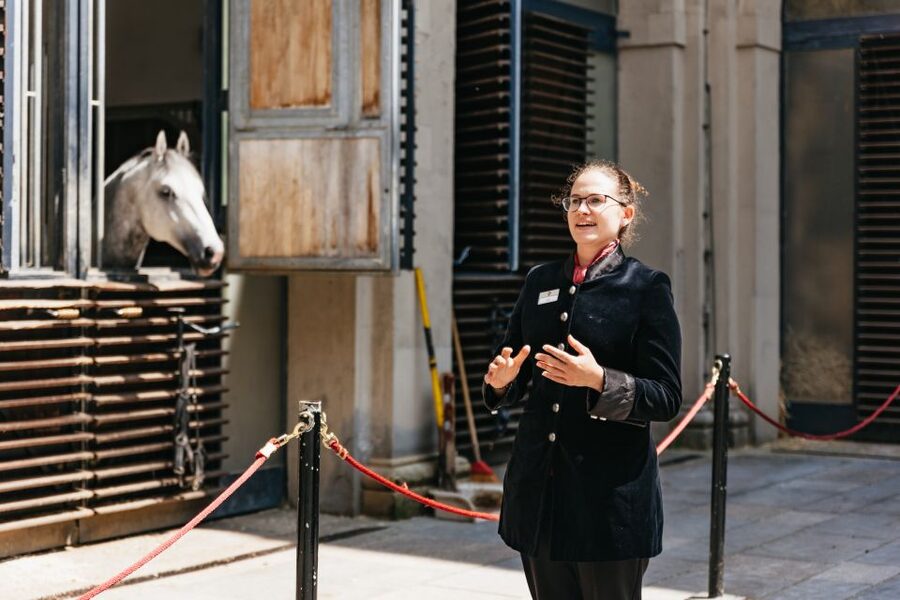
The tour is short, but it is packed. You are not given an hour to wander alone. You move as part of a group, with the guide controlling the route and adding context at each stop.
The best guides make room for questions. Natasha has been praised for combining history with daily information. Sisi is remembered for clear explanations and light jokes. Lorelei is especially well regarded for handling questions from people with different levels of horse experience. Inga has also been praised for her enthusiasm for the institution.
Guide quality can vary from one departure to another, and group size affects how well you hear. One person found the group so large that the guide was difficult to hear at times. Stay near the guide when you can, especially inside the stable areas where voices may carry poorly.
The tone is generally professional but not stiff. You can expect a serious explanation of the school’s traditions, balanced with anecdotes and humor. That mix makes the tour work for a family group, a couple with one horse enthusiast, or someone who booked simply to see an unusual part of Vienna.
Children under three are not allowed on guided tours. Older children may appreciate the horses and grand rooms, though the no-touching and no-photography rules require patience.
Is $28 a good value?
At $28 per person, I consider this a reasonable purchase for Vienna. You receive a guided visit to several parts of a famous institution, not just entry to one room. The Winter Riding School, Summer Riding School, Stallburg, stables, and tack room give the tour a broad range for less than an hour.
The value is strongest if performance tickets are unavailable, too expensive, or do not fit your schedule. It also works well if you want to understand the school before seeing a show later.
The value is weaker if your main goal is to watch horses perform. This ticket does not include morning exercise, and a performance is not part of the guided tour. In that case, check the separate performance and training options rather than assuming this visit includes them.
The tour also gives you access during periods when many horses may be away for summer holidays. You should still see some stallions, but the number can be lower than expected. This is not a flaw in the care of the horses. The animals spend time outside the city and are not kept at the central stables all year.
Photography, access, and practical limits
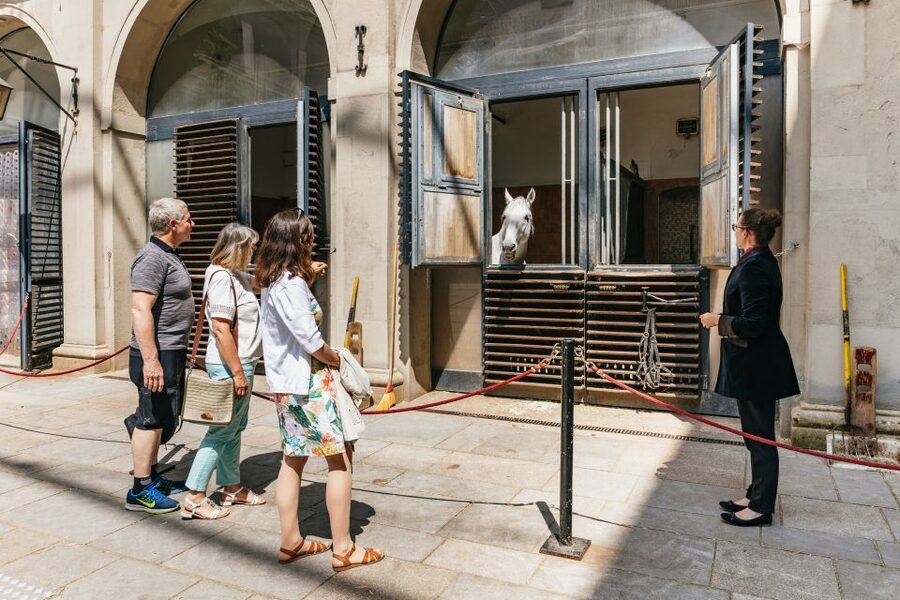
The official rules are strict: cameras are not allowed, and neither photography nor video recording is permitted. Do not plan your visit around taking stable pictures. Some people have been able to view horses from an open courtyard, but you should follow the current instructions given by staff and your guide.
You cannot touch the stallions. The close view is satisfying, but this is not a meet-and-greet activity. The horses are at work or resting, and the school protects both animal welfare and visitor safety.
The guided tour is not accessible by wheelchair. Wheelchair users should not book it without confirming whether another form of access is available, since the stated tour is unsuitable.
Free cancellation is available until 24 hours before the activity for a full refund. You can also reserve now and pay later, which helps if your Vienna schedule is still shifting.
Who should book this tour?
I would book it for horse lovers, architecture fans, and anyone curious about an old institution that still works in its original field. It is also a good choice for someone who cannot attend morning training or an evening performance.
You do not need to know anything about horses. The guide explains the basics and connects them to the school’s daily routine. If one person in your group loves horses and the others do not, the buildings, history, tack room, and stories give everyone something to follow.
I would think twice if you need wheelchair access, expect a live presentation, or want lots of photographs. The no-camera rule is not a small detail, and the absence of a performance may disappoint someone who only wants to see the famous movements.
FAQ
How long does the Spanish Riding School guided tour last?
The tour lasts 55 minutes.
What areas does the tour include?
You visit the Winter Riding School, the Summer Riding School, the Stallburg, the historic stables, and the tack room.
Are Lipizzaner stallions included?
Yes. The tour includes a visit to the stables where you can see Lipizzaner stallions, subject to their schedules and location.
Is a performance included?
No. The guided tour does not include a performance or morning exercise tickets.
Can I take photographs or videos?
No. Cameras, photography, and video recording are not permitted during the tour.
Can I touch the horses?
No. You can see the horses close up, but touching them is not allowed.
What languages are available?
The live guided tours are offered in English and German.
Is the tour wheelchair accessible?
No. The guided tour is not accessible by wheelchair.
Should you book it?
Book this tour if you want the working side of the Spanish Riding School, not only its polished public show. For $28, you get close to the stables, see the grand riding spaces, learn how horses and riders train, and hear the story from a live guide in less than an hour.
If you want a performance, book that separately. If you want photos or hands-on contact, choose a different horse experience. But if you want a clear, compact look at Vienna’s Lipizzaner tradition, this is a smart addition to your city schedule.
Just reviewed in Vienna
- World War II History Vienna Old Town Private Walking Tour★ 4.8 · 9 reviews
- Vienna: Wine Tasting E-Bike Tour★ 4.9 · 46 reviews
- Vienna: Winery and Wine Tasting Tour with a Wine Expert★ 5.0 · 5 reviews
- Vienna: Unforgettable Private City Tour★ 5.0 · 7 reviews
- Vienna Urban Art Tour: Explore a different side of Vienna!★ 3.8 · 14 reviews
- Vienna: Concert by the Vienna Baroque Orchestra★ 4.6 · 56 reviews
- Vienna: Sunday Brunch Danube Cruise & Live Music★ 4.2 · 42 reviews
- Vienna Supreme Orchestra at Palais Niederösterreich★ 4.8 · 10 reviews
Guided, compared.
Guided Walking Tour of City Highlights & Hidden Gems
Read our review →
Skip the Line Schönbrunn Palace and Gardens Guided Tour
Read our review →