
Reviewed · HISTORICAL TOURS
Vienna: World War II Historical Walking Tour
Vienna’s grand center carries the marks of a much darker past. This 2.5-hour WWII walking tour connects Hitler’s early years, the annexation of Austria, the destruction of Vienna’s Jewish community, wartime bombing, and the city’s unusual postwar division. I like that it tells history at the very places where it happened, rather than treating World War II as a list of dates. I also like the use of headsets, which makes it easier to hear the guide on busy streets.
The tour is especially strong when guides such as Dieter, Stefan, Siggy, Michael, Wolfgang, or Charles add personal stories, photographs, and thoughtful questions. The main consideration is that you walk about 4 kilometers and spend 150 minutes outdoors, so good shoes and suitable clothing matter. It also ends near a different metro stop rather than returning to the Albertina.
Key points to know before booking
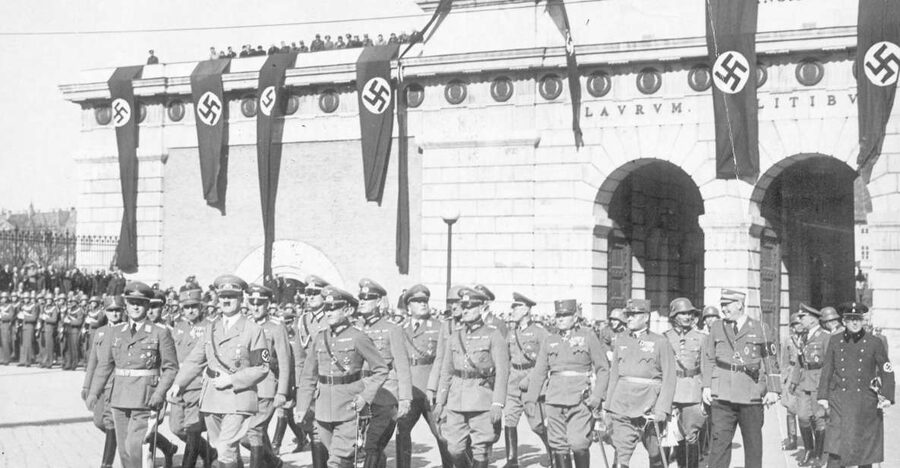
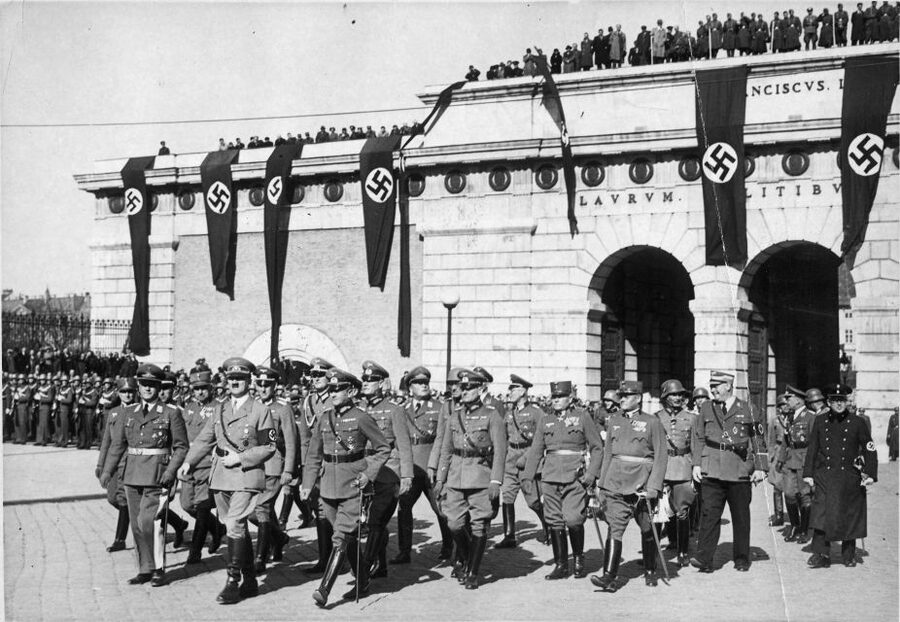
- Hitler’s Vienna: Follow the social and political setting that shaped the young Adolf Hitler before his rise to power.
- A surviving synagogue: See Vienna’s only synagogue said to have survived the Nazi regime.
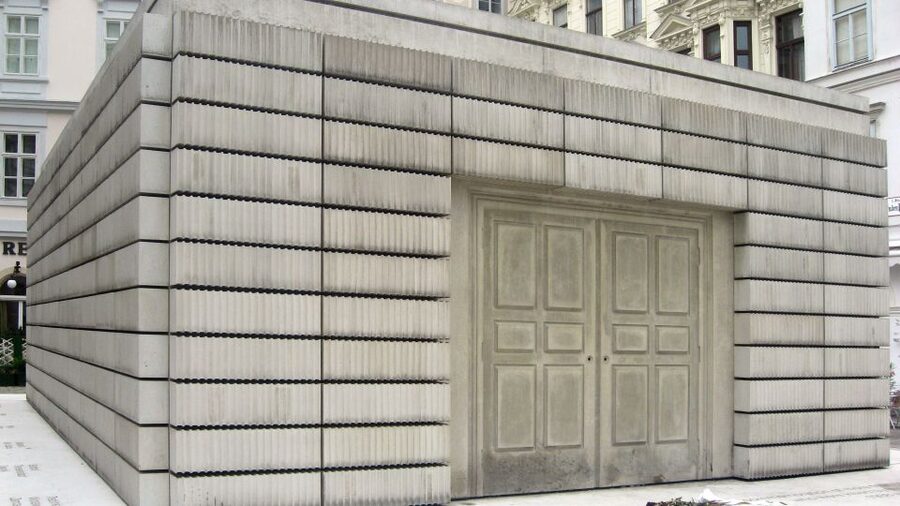
- A quiet Holocaust memorial: Visit one of the city’s most serious places of remembrance.
- Postwar Vienna: Learn how the Allied powers divided and jointly administered the city after 1945.
- Clear audio on city streets: Headsets help you hear the guide without walking shoulder to shoulder.
- A manageable but real walk: The route covers about 4 kilometers, with stops to sit, pause, and take shelter when possible.
Starting beside the Opera House
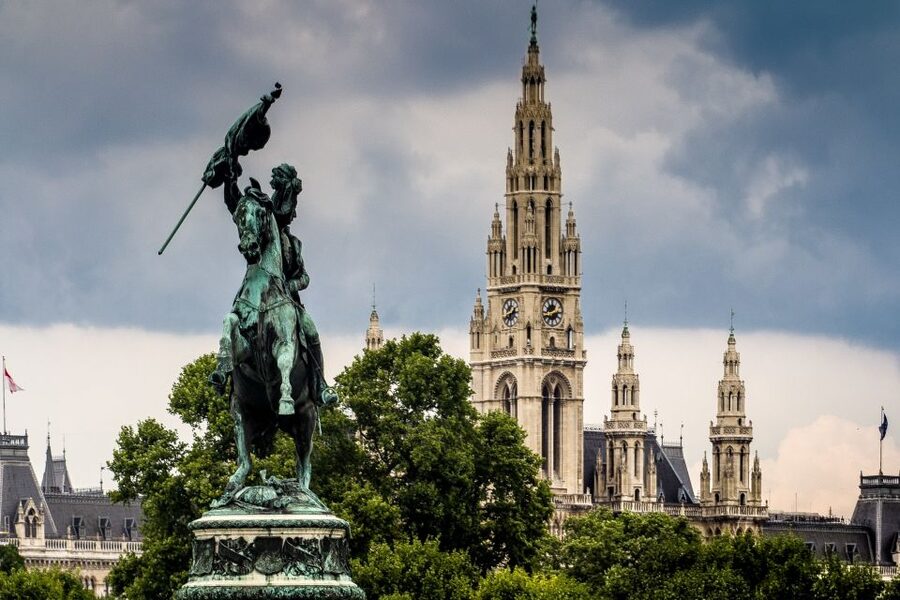
The tour begins at the Albertina Museum, beside Vienna’s famous Opera House. Look for the green umbrella in front of Albrechtsbrunnen, the fountain below the Albertina. Karlsplatz/Oper is the nearest subway stop, so this is a simple meeting point if you are already exploring the central city.
The setting is useful. You begin among Vienna’s imperial buildings, museums, and elegant streets, then hear how this polished capital became a center of political anger, antisemitism, authoritarian rule, and later destruction. That contrast gives the tour its purpose. The subject is not treated as something that happened far away. It happened in the same city you are walking through.
Your guide provides the historical frame before the group gets too far into the route. Guides have included Dieter, Stefan, Siggy, Michael, Wolfgang, Charles, Florian, Charlie, and others. The quality of the tour depends partly on who leads it, but the strongest descriptions consistently point to guides who explain causes and consequences instead of simply reciting facts.
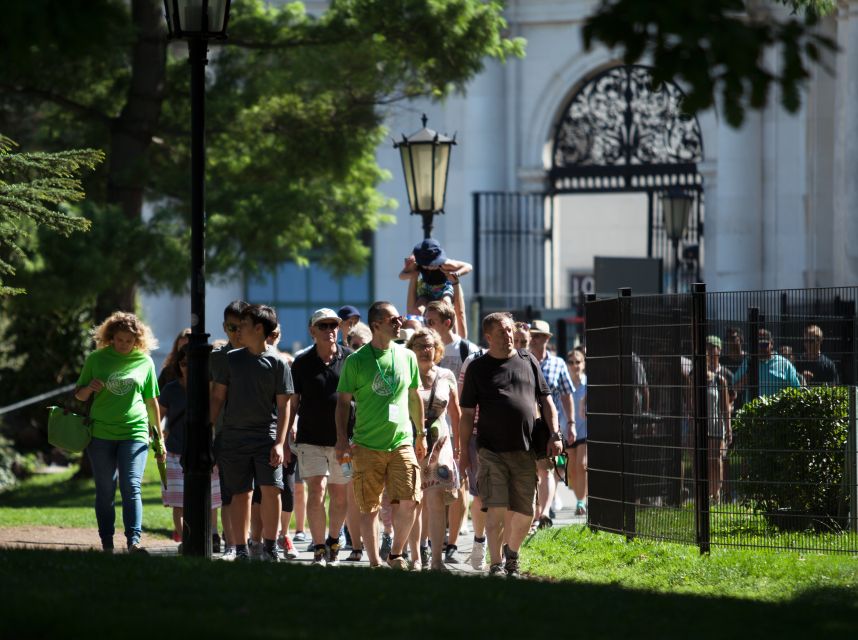
The headsets are a real practical help. The group can spread out a little while crossing streets or looking at buildings, and you do not need to stay within a few feet of the guide. On larger groups, this can make the difference between following the story and missing half of it.
More history walks in Vienna:
- Vienna: Time Travel and Magic Vienna History Tour
★ 4.6 · 3,879 reviews - Vienna Historic Center Small Group Walking Tour
★ 5.0 · 1,746 reviews - Time Travel-Magic Vienna History Tour Ticket
★ 4.5 · 1,099 reviews
Hitler’s early years in Vienna
One of the opening themes is Hitler’s time as a young art student in Vienna. The guide explains the city’s social and political climate and considers how that setting influenced his developing ideas. This is not presented as a simple excuse for his later crimes. The better approach is to examine the mix of political movements, ethnic rivalry, fear, and public prejudice that helped create a climate in which extreme ideas could spread.
That distinction matters. You will hear about Hitler’s early years, but the tour is not a personality tour built around fascination with a dictator. The focus is on how an ordinary-looking city could help shape a dangerous ideology, and on how institutions and residents responded to growing pressure.
Guides such as Dieter and Wolfgang have been praised for putting events into context and linking different parts of the story. That is important here because Hitler’s Vienna cannot be separated neatly from the city’s politics, its large Jewish population, or the tensions within late imperial society.
You should expect some difficult subject matter. The tour deals with antisemitism, persecution, the annexation of Austria, and the destruction that followed. It handles the material in a serious and sympathetic way, but this is not a light sightseeing walk. I would schedule it when you have the attention and energy to think about what you are hearing.
Jewish Vienna and the synagogue that survived
The Jewish history of Vienna is one of the most important parts of the route. The city once had a large Jewish community, and the tour explains what happened as ethnic hostility, political pressure, and fear took hold.
The stop at the synagogue is particularly striking because it is described as the only synagogue in Vienna to survive the Nazi regime. You will not be touring a grand palace or a museum display here. The power of the stop comes from its survival and from the reminder that Vienna’s Jewish life was not a small side note in the city’s story.
This part of the walk also helps correct a common mistake in thinking about wartime Austria. The annexation, persecution, and later destruction are not presented as events imposed on a completely unwilling city. The tour examines Vienna’s own political and social climate, including the hostility that greeted the annexation and the treatment of Jewish residents.
The guide may use historical photographs to show how streets and buildings looked at the time. Siggy, in particular, has used printed images to help connect the present-day view with earlier scenes. These visual aids are useful because the city often looks remarkably calm now. Without them, it can be hard to imagine how quickly familiar streets became places of exclusion and danger.
The Holocaust memorial and the weight of place
The Holocaust memorial is one of the tour’s most serious stops. It offers a quiet point for remembering the people murdered during the Holocaust and for considering the scale of what happened to Vienna’s Jewish community.
A good guide does not rush through this part. Charles has been praised for handling difficult history with care, and that kind of approach matters at a memorial. You should expect less sightseeing commentary and more space for reflection.
The memorial also gives the tour a needed change of pace. Earlier stops explain political movements and wartime events. Here, the focus returns to human loss. I appreciate that balance because a walking tour about World War II can become too focused on military facts, bombings, and leaders. This stop keeps the victims at the center.
You should be respectful around the memorial and follow the guide’s instructions about local rules. The tour aims to explain rather than sensationalize. That makes it suitable for people who want a serious historical account, not a dramatic war story.
More walking tours in Vienna:
- Vienna: Guided Walking Tour of City Center Highlights
★ 4.7 · 4,989 reviews - Vienna: Vienna Central Cemetery Guided Walking Tour
★ 4.8 · 3,307 reviews - Vienna: Guided Walking Tour of City Highlights & Hidden Gems
★ 4.9 · 2,180 reviews - Vienna: Viennese Underworld Guided Walking Tour
★ 4.7 · 1,865 reviews
More than 100,000 bombs and a damaged city
The walk also covers the physical effect of the war on Vienna. You hear about the more than 100,000 bombs that struck the city and about the damage left behind.
Vienna’s beauty can make wartime destruction difficult to picture. Grand facades have been repaired, streets work as normal, and the city’s historic center can feel almost untouched. The guide helps you look more closely at the places where the war left scars and explains how the damage affected daily life.
This section works best when the guide ties the bombing to specific locations. Stefan has been praised for stopping at important sites and telling stories linked to those places. That approach gives the history a physical anchor. Instead of hearing only that Vienna was bombed, you begin to consider what that meant for buildings, families, transport, and the city’s recovery.
The route is not a battlefield tour, and you should not expect a large collection of ruins. Vienna’s wartime story is often found in details, explanations, and surviving traces rather than dramatic remains. That is a strength for anyone who wants to understand the city, but it may feel understated if you are looking for major military monuments.
Vienna after 1945 and the four Allied powers
The final part of the story moves into the postwar period. Vienna was divided among the Allied powers, and it was the only city in the world where the Allied powers jointly managed zones together.
This unusual arrangement helps explain why Vienna’s postwar history differs from the standard image of a city split into separate political halves. The tour shows how occupation, control, and rebuilding shaped the city after the fighting ended. You also hear about the remains of a divided city and the marks that period left on Vienna.
This is a valuable part of the tour because World War II did not end neatly in 1945. Cities still had to deal with ruined buildings, competing political interests, displaced people, and a new balance of power. The postwar section gives the walk a longer view and prevents the story from ending with liberation alone.
The tour’s route does not return to the starting point. It finishes near another metro stop, which is useful if you plan your next stop in advance. Fiona noted that the nearby station made the ending easy to manage. I would avoid booking a tight timed attraction immediately after the walk, since the exact pace can depend on questions, weather, and the size of the group.
How much walking and standing to expect
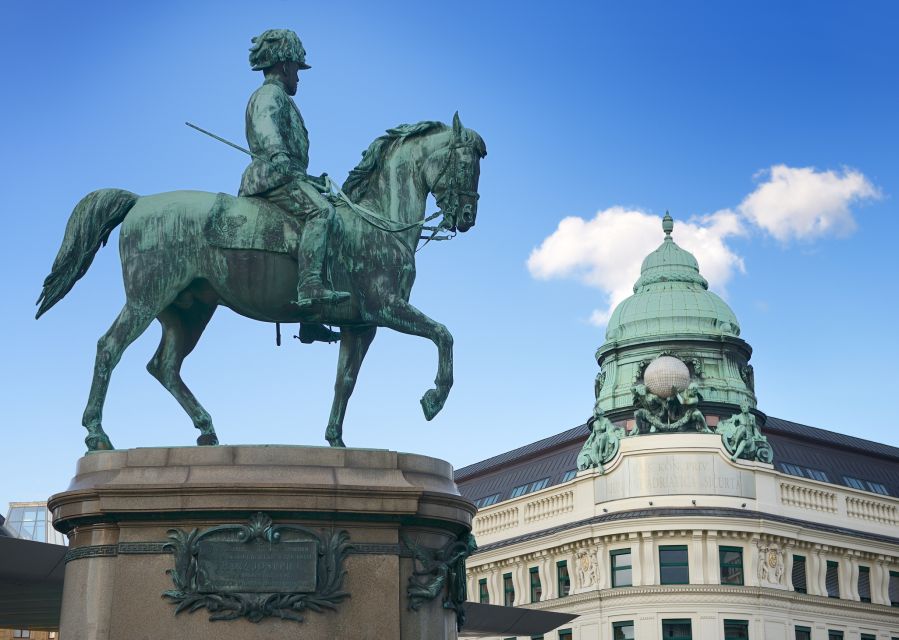
The route covers about 4 kilometers over 2.5 hours. That is not a strenuous hike, but it is more than a short stroll between two central sights. You will walk on city streets, stop at historical sites, and spend time listening while standing.
The pacing appears to be one of the tour’s better features. Guides have built in pauses, chances to sit, bathroom breaks, and occasional shelter from cold or rain. Florian adjusted the pace during heavy rain, while Dieter made a point of finding warm places to pause in poor weather.
That said, Vienna weather can change quickly. Wear comfortable shoes and bring clothing suited to the forecast. The route is mostly an outdoor experience, and the tour does not include attraction entrances or transport.
The 4-kilometer distance was considered manageable even for one person with mobility problems, but you should judge your own comfort with city walking and standing. If you need frequent seating or cannot walk several kilometers, contact the operator before booking rather than assuming the regular pace will suit you.
The guide makes the difference
The subject is complex, so the guide’s delivery matters as much as the route. The strongest guiding style here is thoughtful, organized, and open to questions.
Dieter has been singled out for answering questions, connecting events, and pacing the group carefully. Stefan is known for broad subject knowledge and strong storytelling. Siggy has used photographs and adjusted the emphasis to match the group’s interests. Michael has been praised for linking Hitler’s youth, the annexation, liberation, and the wider wartime story. Wolfgang has focused on interpretation and the meaning of events, not just dates.
These details help you understand what the tour aims to be. It is not a scripted march from plaque to plaque. The guide may ask questions, explain competing viewpoints, and add family or local stories where relevant. The best moments come when the historical facts are tied to the street in front of you.
The quality can naturally vary from one guide to another. The consistently positive response to Dieter, Stefan, Siggy, Michael, Wolfgang, Charles, and the other named guides suggests a strong guide team, but you cannot select a particular guide based on the information provided. Go for the subject and format, not a guarantee of one specific person.
Is $31 a good value?
At $31 per person, the tour is fairly priced for 150 minutes with a live English-speaking guide and an organized route through central Vienna. You are paying for interpretation, local context, and the chance to connect several important sites in one sitting, not for entry to museums or monuments.
The value is strongest if you are new to Vienna’s WWII history. A guide can show you how Hitler’s early years, the annexation, persecution, bombing, Holocaust memorial, and Allied occupation fit together. Seeing those locations in one walk may save you from piecing the story together from scattered museum visits.
The value is lower if you want to enter major attractions or spend long periods inside exhibitions. Entrances are not included, and this is a street-based tour. You are also paying for a specific historical focus, so it may not suit you if your main interest is imperial Vienna, art, music, or general sightseeing.
Free cancellation up to 24 hours before the start and reserve-now, pay-later booking make the cost easier to manage. Still, I would book only if you are ready for a serious subject and a full walking route.
Who should book this walk?
I would recommend it to you if you want to understand Austria’s role in World War II rather than hear only a general story about the conflict. It suits history students, teachers, museum visitors, and anyone who wants to see Vienna through a less polished and more honest lens.
It also works well early in your stay. The route introduces places and themes that can shape later visits around the city. One guide even suggested taking it near the beginning of a Vienna trip so the rest of the city makes more sense.
Families with older teenagers may find it useful, provided they are prepared for the subject. It is also a good choice for solo visitors who want a clear route and the chance to ask questions. The headsets help if you are not comfortable squeezing into a large group.
I would skip it if you want a relaxed overview with little walking, if you are seeking interior museum visits, or if you prefer to avoid Holocaust and Nazi-era history. This tour treats the subject seriously from start to finish.
Should you book the Vienna WWII Historical Walking Tour?
Book it if you want context, difficult truths, and real places rather than a quick list of wartime dates. The surviving synagogue, Holocaust memorial, bomb damage, and Allied occupation story give the walk a strong range, while the guides add the local perspective that books alone cannot provide.
The best practical plan is to wear comfortable shoes, bring weather protection, allow the full 150 minutes, and avoid a fixed appointment right afterward. At $31, it is good value for a thoughtful guided introduction to Vienna’s World War II past, especially when led by a strong storyteller such as Dieter, Stefan, Siggy, Michael, Wolfgang, or Charles.
FAQ
Where does the tour begin?
It begins in front of Albrechtsbrunnen, the fountain downstairs at the Albertina Museum, beside the Opera House. Look for the green umbrella. The nearest subway stop is Karlsplatz/Oper.
How long does the tour last?
The walking tour lasts 150 minutes, or 2.5 hours.
What language is the tour in?
The live guided tour is conducted in English.
What topics does the tour cover?
It covers Hitler’s early years in Vienna, the political and social climate of the city, the annexation of Austria, the persecution of Vienna’s Jewish community, wartime bombing, the Holocaust memorial, liberation, and the postwar Allied division of Vienna.
Does the tour visit a synagogue?
Yes. The route includes Vienna’s only synagogue described as having survived the Nazi regime.
Does the tour visit a Holocaust memorial?
Yes. A visit to Vienna’s somber Holocaust memorial is included in the walking route.
Are attraction entrance fees included?
No. Entrances to attractions are not included. The listed inclusions are the live guide and walking tour.
How far does the tour walk?
The route covers about 4 kilometers over 2.5 hours, according to the practical route information provided.
Can I cancel or pay later?
You can cancel up to 24 hours before the tour for a full refund. You can also reserve now and pay later.
Just reviewed in Vienna
- World War II History Vienna Old Town Private Walking Tour★ 4.8 · 9 reviews
- Vienna: Wine Tasting E-Bike Tour★ 4.9 · 46 reviews
- Vienna: Winery and Wine Tasting Tour with a Wine Expert★ 5.0 · 5 reviews
- Vienna: Unforgettable Private City Tour★ 5.0 · 7 reviews
- Vienna Urban Art Tour: Explore a different side of Vienna!★ 3.8 · 14 reviews
- Vienna: Concert by the Vienna Baroque Orchestra★ 4.6 · 56 reviews
- Vienna: Sunday Brunch Danube Cruise & Live Music★ 4.2 · 42 reviews
- Vienna Supreme Orchestra at Palais Niederösterreich★ 4.8 · 10 reviews
Historical Tours, compared.
Vienna Historic Center Small Group Walking Tour
Read our review →
Time Travel-Magic Vienna History Tour Ticket
Read our review →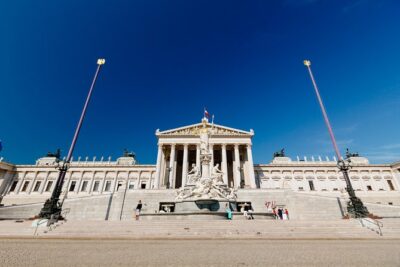
Skip-the-Line Schonbrunn Palace Guided Tour and Vienna Historical City Tour
Read our review →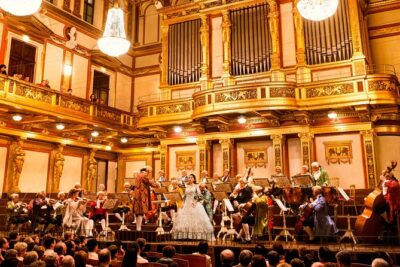
Vienna Mozart Concert in Historical Costumes at the Musikverein
Read our review →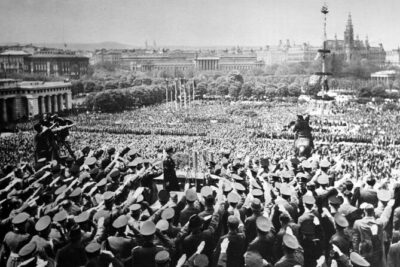
Historical Hitler Walking Tour of Vienna
Read our review →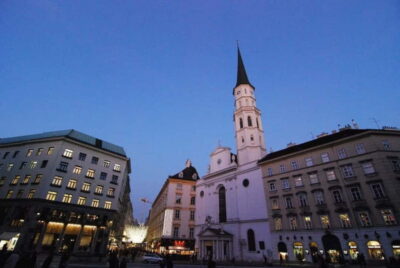

Vienna Classical Concert – Strauss in Historic 1837 Hall
Read our review →Browse the lists this tour appears in