
Reviewed · VIENNA CITY SIGHTSEEING TOURS
Vienna: Small Group Guided Walking Tour of City Highlights
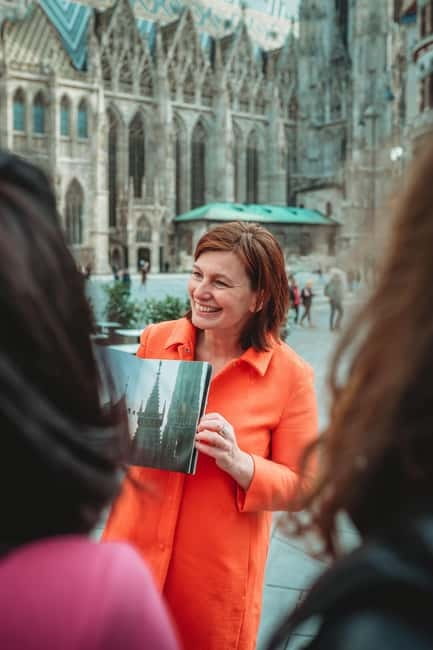
Vienna’s grand center is best understood on foot, where an imperial palace, a coffeehouse, a plague column, and a composer’s former home sit within easy reach. This two-hour walk with Maria covers the city’s major sights while adding stories about the Habsburgs, Empress Sisi, Mozart, Beethoven, and Johann Strauss.
I like the small group of 14 or fewer, which gives you a fair chance to ask questions and hear the guide without fighting through a crowd. I also like the practical local advice, especially the recommendations for coffee, strudel, restaurants, and sights worth entering later.
The main consideration is that this is an exterior walking tour. You will see many impressive buildings, but entrance fees are not included, and the quick route may leave you wanting more time inside the Hofburg, cathedral, or museums.
Key points to know before booking
- Maria’s personal style: Expect lively storytelling, local suggestions, and time for questions rather than a dry list of dates.
- A smart first-day route: The walk links the Opera, Hofburg, Spanish Riding School, Albertina, Graben, and St. Stephen’s Cathedral.
- Small-group attention: The group is limited to 14 people or fewer, a useful middle ground between a private tour and a large crowd.
- Exterior sightseeing only: You will view major landmarks from outside, so plan separate visits if you want museum or palace interiors.
- A lot in two hours: The route is efficient, but you will be walking steadily and should wear comfortable shoes.
- Good local orientation: The tour ends near St. Stephen’s Cathedral, placing you in a useful spot for further exploring.
A quick orientation to Vienna’s imperial center
This tour is designed to help you get your bearings quickly. In two hours, you move through the central district on foot, following the grand public face of Vienna while also pausing for smaller details and local stories.
The route begins at one of two possible meeting points, either the Ankeruhr clock or the Maria Theresa Memorial. Check the exact option when you book. From there, you pass the Kunsthistorisches Museum and Naturhistorisches Museum, two monumental buildings facing one another around Maria Theresa’s large memorial.
These opening stops set the tone. Vienna does not do modest imperial architecture, and the museums show how the Habsburg court used art, science, and public monuments to express power. Since these are photo stops rather than interior visits, you can admire the facades without spending the tour inside.
The walk then joins the Ringstrasse, the broad boulevard that circles the old center. Here, the pleasure is less about one single sight and more about seeing how Vienna arranged its public buildings, gardens, monuments, and ceremonial spaces around the former imperial core.
More sightseeing tours of Vienna:
- Vienna: Hop-On Hop-Off Sightseeing Bus Tour in 19 Languages
★ 4.2 · 4,518 reviews - Vienna PASS: All incl. Sightseeing Pass for 85+ Attractions
★ 4.3 · 3,067 reviews - Vienna: Guided Walking Tour of City Highlights & Hidden Gems
★ 4.9 · 2,180 reviews
From the Hofburg to Burggarten
The Hofburg Palace is the route’s main historical anchor. Rather than treating it as one simple palace, Maria can help you understand it as a large collection of wings and courtyards shaped by centuries of Habsburg rule.
You will walk around the palace and stop for views rather than enter. That is both a strength and a limitation. You get a clear introduction to the imperial setting, but you will need another visit for the Imperial Apartments, Sisi Museum, or other interior displays.
The Habsburg stories give the walk much of its human interest. Royal marriages, political struggles, court life, and family drama explain how this dynasty influenced much of Europe. Empress Sisi is an especially useful figure for understanding the gap between public ceremony and private life. Her story includes royal pressure, personal difficulty, and the myths that later grew around her.
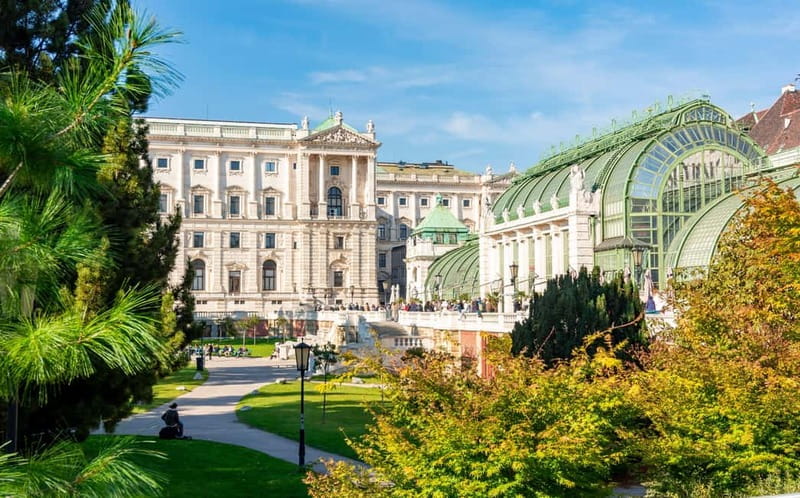
From the Hofburg, the route reaches Burggarten, a former imperial garden now used as a pleasant green pause in the center. You pass the Palmenhaus, a graceful glass structure that provides one of the route’s more relaxed photo settings. The nearby Schmetterlinghaus is passed rather than visited.
This section works well early in a Vienna stay. You see the palace district before deciding which interior attractions deserve your limited museum time.
Palmenhaus, Albertina, and the Opera
The walk continues toward the Albertina Museum and Hotel Sacher. These stops help connect imperial Vienna with its later artistic and culinary identity.
The Albertina is viewed from outside, and the route includes time for photos. Hotel Sacher is another exterior stop, useful for placing the famous name within Vienna’s city center. You should not expect a dessert tasting or meal here, since food and drinks are not included.
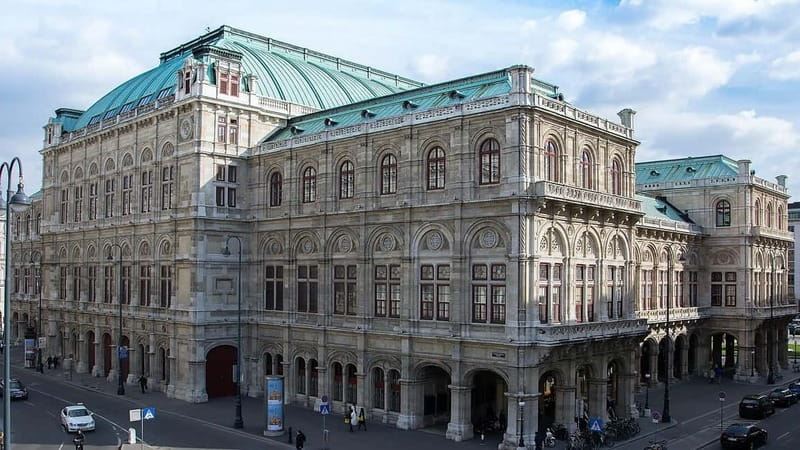
The Vienna State Opera receives a proper pause and photo stop. Its facade and position on the Ringstrasse make it one of the city’s clearest symbols of music and public culture. Maria also places the building within Vienna’s wider musical story, with connections to Mozart, Beethoven, and Johann Strauss.
That musical thread matters because Vienna’s reputation is not limited to its palaces. The city’s streets are tied to composers, performances, coffeehouses, and the cultivated public life that grew around them. You will not attend a concert during this tour, but you should leave with a better sense of where music fits into the city.
I would bring a camera, but do not count on long, empty stretches for photography. This is a guided walk with many stops, and the two-hour schedule means the group keeps moving.
Spanish Riding School and Michaelerplatz
The Spanish Riding School is one of the most recognizable institutions in Vienna. The tour explains its place in court culture and introduces the Lipizzaner horses, but the visit remains outside. There is no riding demonstration or stable admission included.
That distinction is important. If the horses are high on your list, you will need to arrange a separate ticket for a performance or another official visit. The walking tour gives you the setting and the background, which can help you decide if the full experience is worth adding.
Nearby, Michaelerplatz reveals the layered character of the old center. The route moves through the Hofburg area and then toward Kohlmarkt, one of the elegant streets leading into the heart of Vienna. Demel, the famous pastry shop, is a photo stop rather than a scheduled food break.
This is where Maria’s coffeehouse stories and advice can be useful. You can ask where to look for coffee, strudel, or a meal after the walk. Several people who took the tour found the food suggestions especially helpful, and one of the most practical reasons to schedule this experience early is that you can use those recommendations for the rest of your visit.
More walking tours in Vienna:
- Vienna: Guided Walking Tour of City Center Highlights
★ 4.7 · 4,989 reviews - Vienna: Vienna Central Cemetery Guided Walking Tour
★ 4.8 · 3,307 reviews - Vienna: Viennese Underworld Guided Walking Tour
★ 4.7 · 1,865 reviews - Vienna: World War II Historical Walking Tour
★ 4.8 · 1,772 reviews
Graben, St. Peter’s Church, and the plague column
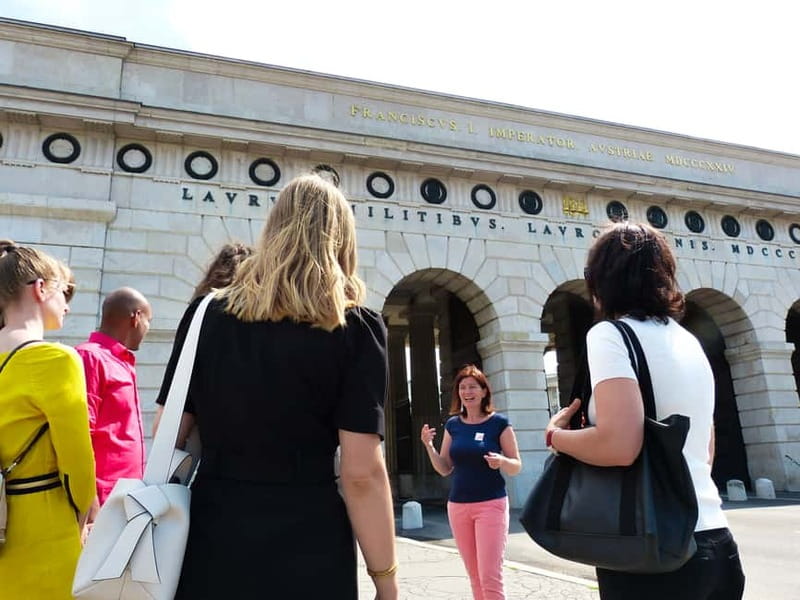
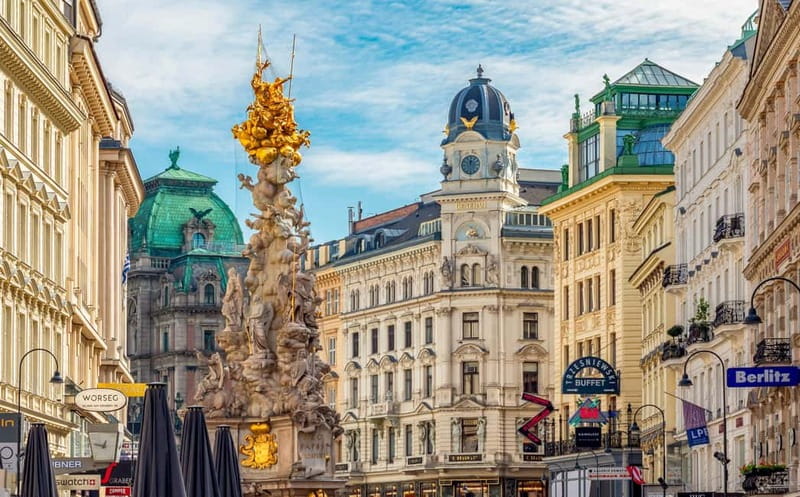
The route next follows Graben, one of the central streets in Vienna’s old town. Its grand facades and open pedestrian space make it an easy place to appreciate the city’s urban design without needing a map.
St. Peter’s Church is another exterior and photo stop. The church adds a religious layer to a route otherwise dominated by imperial and musical landmarks. You will also pass the Vienna Plague Column, a large Baroque monument built as a public expression of faith and remembrance.
These stops show why a walking tour is useful here. On a map, they may look like separate points. On foot, they form a connected story about monarchy, religion, public ceremony, illness, art, and daily city life.
The guide also points out smaller corners that you might miss while walking alone. The route does not promise a long detour into quiet side streets, but the focus is not limited to the obvious postcard views. The stories and visual aids, including pictures and maps, add context when a building’s purpose is not immediately clear.
St. Stephen’s Cathedral and the end of the walk
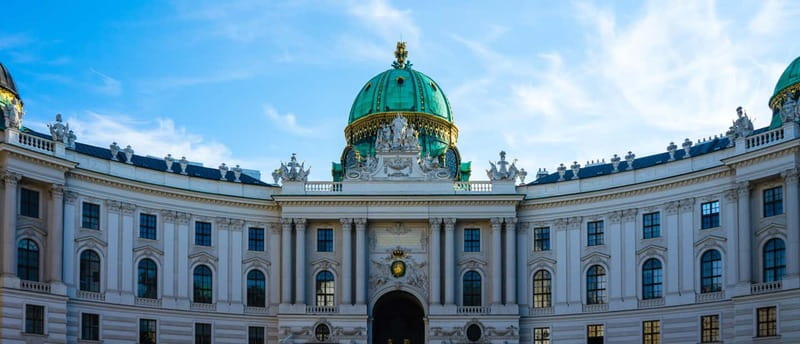
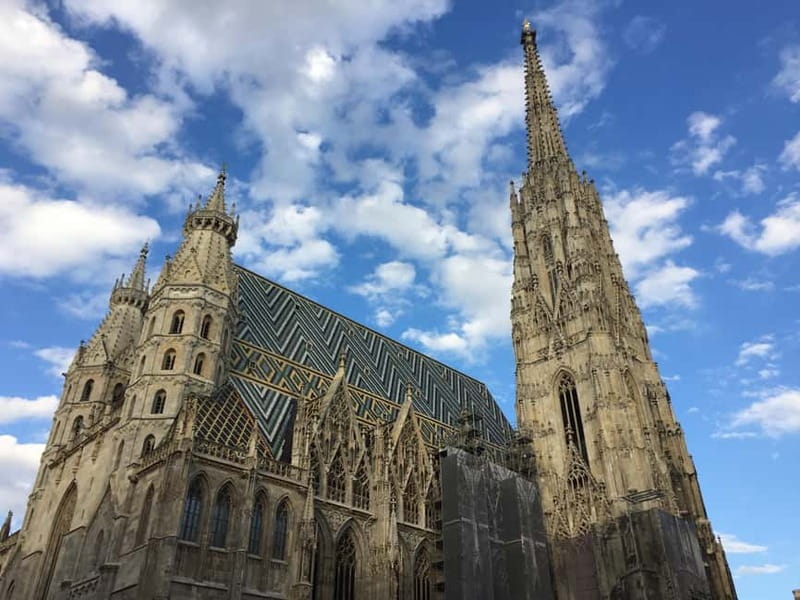
The tour finishes near St. Stephen’s Cathedral, usually one of the easiest meeting points in central Vienna. The cathedral’s patterned roof and tall Gothic form make it an effective final landmark, and the surrounding streets give you plenty of choices for continuing your day.
The cathedral is viewed from outside. You do not receive an included interior visit, tower climb, or church admission. If you want to explore inside, plan that separately after the tour.
Ending here is practical. You can use Maria’s suggestions while the route is still fresh, then continue through the surrounding streets, return to a museum, find a coffeehouse, or make your way to another attraction. The alternative listed drop-off point is the Albertina, so confirm where your particular departure option ends.
How much history fits into two hours?
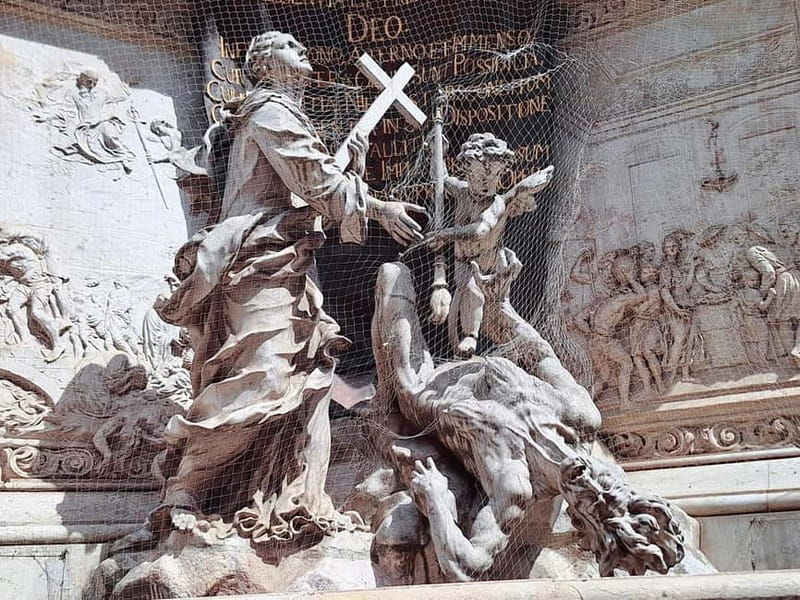
Quite a lot, but the pace is the trade-off. The route covers museums, the Ringstrasse, Hofburg Palace, Burggarten, Palmenhaus, Albertina, Hotel Sacher, the Opera, National Library, Spanish Riding School, Kohlmarkt, Graben, St. Peter’s Church, the plague column, and St. Stephen’s Cathedral.
You are not stopping for long lectures at every site. Instead, Maria links the places through a series of stories about the Habsburgs, Sisi, composers, coffeehouse culture, and famous Viennese personalities. That approach keeps the walk moving and gives you a broad framework for later exploration.
The small group makes a difference here. A maximum of 14 people is still large enough to feel social, but small enough for questions and personal attention. The guide can respond to what interests you, and the route can feel closer to a conversation than a march behind a flag.
Maria’s style is described as friendly, lively, patient, and passionate about Vienna. She has also been praised for staying beyond the planned finish to help with questions, though you should treat the stated two-hour duration as the reliable schedule.
Price, pace, and practical value
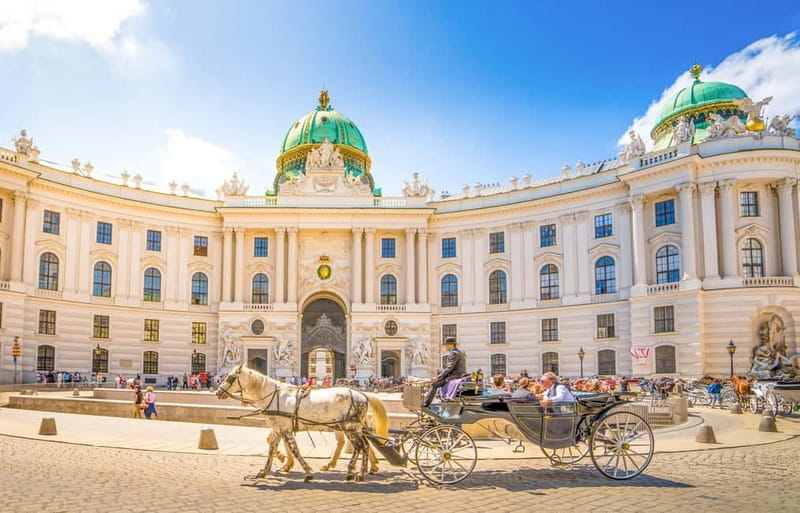
At $40 per person, this is not the cheapest way to see Vienna’s center, but it offers solid value if you want a clear introduction without paying for a private guide. The price covers the two-hour English-language walk, a professional local guide, visual aids, and the small-group format.
You are paying for interpretation and orientation, not admission tickets. Meals, drinks, and entrances are excluded. That keeps the base price reasonable, but you should budget separately for any palace, museum, cathedral, or Spanish Riding School visit you add.
The route works best as a first or second activity in Vienna. You learn what the buildings are, hear which parts of the city deserve more time, and get suggestions for food and later sightseeing. I would avoid booking it at the very end of your stay, since the local recommendations are more useful when you still have days ahead.
Wear comfortable shoes and bring water, a camera, and clothing suited to the weather. The tour operates in all weather, and there is no promise of shelter during the walk. Large bags and luggage are not allowed, and the activity is not suitable for wheelchair users or people with mobility impairments.
Late arrivals face a no-show policy, so arrive early enough to find the correct meeting point. The start can vary depending on the option you book.
Who should book this Vienna walking tour?
I would recommend it to first-time visitors who want the major sights explained in a short, manageable outing. It is also a good choice if you enjoy history told through personalities, especially the Habsburgs, Sisi, Mozart, and Vienna’s coffeehouse figures.
The tour suits solo visitors and couples who want company without a large crowd. It is also useful for families with older children who can manage two hours of walking, though strollers are not allowed.
You may want a different option if you need step-free access, dislike walking in poor weather, or want to spend most of your time inside museums. You should also choose a private tour if you want the guide to shape the entire route around your own interests.
Should you book it?
Book this tour if you want a lively introduction to central Vienna, direct access to a local guide, and useful advice for the rest of your stay. Maria’s warmth, stories, and practical suggestions are the main reason to choose it over a large, impersonal group walk.
Skip it if your priority is interior access, a relaxed photography session, or detailed study of one palace or museum. For most first-time visitors, though, the route gives you a sensible overview at a fair price, with enough local character to make Vienna’s grand center feel connected rather than scattered.
FAQ
How long does the Vienna walking tour last?
The tour lasts two hours. Starting times vary, so check availability for the date you want.
What language is the tour conducted in?
The live tour is conducted in English.
Who guides the tour?
The named local guide is Maria. The experience provider is Maria Tours Live.
How many people are in the group?
The group is limited to a maximum of 14 participants or fewer.
Does the tour enter the Hofburg Palace?
No. This is an exterior-only walking tour. You see and discuss the Hofburg from outside, but entrance fees are not included.
Does the tour include entry to museums?
No. The Kunsthistorisches Museum, Naturhistorisches Museum, Albertina, and other attractions are viewed from outside or passed during the walk. Entrance fees are not included.
Does the tour include a Spanish Riding School performance?
No. The route covers the history and exterior of the Spanish Riding School and discusses the Lipizzaner horses, but no performance admission is included.
Where does the tour finish?
The tour can finish near St. Stephen’s Cathedral or the Albertina, depending on the option booked. Confirm the exact drop-off point when reserving.
What should I bring?
Bring comfortable shoes, water, a camera, and clothing suitable for the weather. The walk operates in all weather conditions.
Is the tour suitable for wheelchair users?
No. The activity is listed as unsuitable for wheelchair users and people with mobility impairments. Baby strollers, luggage, and large bags are also not allowed.
Just reviewed in Vienna
- World War II History Vienna Old Town Private Walking Tour★ 4.8 · 9 reviews
- Vienna: Wine Tasting E-Bike Tour★ 4.9 · 46 reviews
- Vienna: Winery and Wine Tasting Tour with a Wine Expert★ 5.0 · 5 reviews
- Vienna: Unforgettable Private City Tour★ 5.0 · 7 reviews
- Vienna Urban Art Tour: Explore a different side of Vienna!★ 3.8 · 14 reviews
- Vienna: Concert by the Vienna Baroque Orchestra★ 4.6 · 56 reviews
- Vienna: Swarovski DIY Workshop Experience★ 5.0 · 9 reviews
- Vienna: Sunday Brunch Danube Cruise & Live Music★ 4.2 · 42 reviews
Vienna City Sightseeing Tours, compared.
Vienna PASS: All incl. Sightseeing Pass for 85+ Attractions
Read our review →
Guided Walking Tour of City Highlights & Hidden Gems
Read our review →
Skip-the-Line Schonbrunn Palace Guided Tour and Vienna Historical City Tour
Read our review →
Browse the lists this tour appears in