
Reviewed · VIENNA OLD TOWN WALKING TOURS
Vienna: Walking Tour of the Historic Ringstrasse
Vienna’s Ringstrasse is a grand 19th-century showpiece, but the best part of this walk is the human story behind the stone. You’ll see palaces built by bankers, public buildings commissioned by Emperor Francis Joseph, and monuments tied to architects, artists, workers, and families whose fortunes later changed. Palais Ephrussi, linked to the family in The Hare with Amber Eyes, adds a personal thread to all that imperial scale.
I like the private format, especially for a group of up to eight, and I like the way the route mixes major sights with small stories about palace owners. The short pauses in Volksgarten and other open spaces also help break up the architecture. The main drawback is that two hours is tight for such a full stretch of the Ring, and one past booking found the content too thin, so your experience will depend heavily on the guide assigned that day.
Key points to know
- A compact tour of the Ringstrasse: Cover major monuments from the Votive Church to the Opera House in two hours.
- Private group pricing: The $353 rate covers up to eight people, making it more reasonable when shared by a full group.
- Palais Ephrussi adds a personal story: Learn about the Jewish banking family connected with The Hare with Amber Eyes.
- A guide-led history lesson: Hear about imperial projects, ambitious industrialists, famous artists, and poorly treated workers.
- Gardens provide welcome pauses: Volksgarten and other open areas offer flowers, statues, and a break from walking.
- Bring a public transport ticket: The tour does not include a tram ticket, and the meeting point is at Liebenberg-Denkmal.
Why Vienna Built the Ringstrasse
The Ringstrasse exists because Emperor Francis Joseph ordered Vienna’s old city walls demolished about 150 years ago. His aim was not simply to make room for traffic. He wanted a grand civic belt filled with public institutions, cultural buildings, gardens, and monuments.
That decision turned the edge of the old city into a giant urban project. The new boulevard made room for the opera, theater, museums, university buildings, parliament, and city hall. Trees lined the roadway, while separate paths were laid out for carriages, riders, and pedestrians.
I find this background useful because it explains why the Ring feels so different from an ordinary city street. You are not looking at unrelated buildings assembled over centuries. You are seeing a planned imperial statement, designed to show Vienna as a modern European capital.
The project also drew people from across Europe. Famous architects, artists, and planners came to work in Vienna, while poor workers arrived in search of jobs. The polished facades tell only part of the story. Behind them were demanding work conditions and a sharp divide between the people commissioning enormous homes and the people building them.
Your guide brings these contrasts into the walk. You’ll hear about wealthy industrialists and bankers who used grand houses to display their fortunes and, in some cases, gain social status or a title. That makes the architecture easier to read. A huge palace is no longer just a pretty facade. It becomes a public announcement about money, ambition, and rank.
More old town walks in Vienna:
- Vienna: Guided Walking Tour of City Center Highlights
★ 4.7 · 4,989 reviews - Vienna Historic Center Small Group Walking Tour
★ 5.0 · 1,746 reviews - Vienna: Old Town Sightseeing Tour in a Vintage-Style E-Car
★ 4.5 · 1,107 reviews
Starting at Liebenberg-Denkmal
The meeting point is Liebenberg-Denkmal at Mölker Bastei 8, 1010 Vienna. Arrive 10 minutes early, since a central monument can be easier to find when you are not rushing.
The monument honors Mayor Liebenberg, one of the figures connected with Vienna’s civic story. From here, the walk moves toward the representative section of the Ringstrasse, where the buildings appear in quick succession.
This opening area helps set the tone. You are close to the old city and the grand boulevard, so the route connects Vienna’s earlier defensive form with the imperial city that replaced it. I would take a moment here to get oriented before the guide begins, particularly if you want to follow the shift from medieval Vienna to the 19th-century capital.
The tour is listed as wheelchair accessible. Still, the walk includes several outdoor stops and city streets, so it is sensible to discuss your needs with the provider before arrival if you require specific assistance.
Palais Ephrussi and the Cost of Grandeur
Palais Ephrussi is one of the most memorable stops because it gives the Ringstrasse a family story. The palace was commissioned by a wealthy Jewish banking family, and the family’s fate is described in The Hare with Amber Eyes.
That connection adds emotional weight to the route. Instead of seeing only an oversized residence, you can think about the people who commissioned it, the world that made such wealth possible, and the forces that later changed the family’s fortunes.
I especially like this kind of stop on an architecture walk. Vienna’s grand facades can blur together after a while. A specific family, a book, and a difficult later history give you something concrete to remember.
The palace also illustrates the social competition built into the Ringstrasse. Industrialists and bankers wanted impressive homes that would place them among Vienna’s elite. The buildings were not modest private houses. Their size and decoration were part of the message.
Your guide points out details you might otherwise pass without noticing, including stories about the owners of the palaces. That personal attention was praised in the strongest feedback about the experience. It is a good reason to ask questions if a particular facade catches your eye.
Votive Church and the University of Vienna
The Votive Church brings a different mood to the route. Its scale and decoration fit the Ringstrasse’s taste for grand public architecture, but its religious purpose gives it a different role from the administrative and cultural buildings nearby.
You’ll also see the main building of the University of Vienna. Together, these stops show how the boulevard gathered institutions that shaped public life: faith, education, government, art, and entertainment.
The university is especially useful for understanding the imperial plan. The Ring was not only a ceremonial road for carriages. It was designed to house institutions that represented learning and civic life.
Your guide provides background information as you walk, rather than leaving you with a list of building names. The quality of that explanation matters here. One piece of feedback described the content as thin, so I would treat this as a guide-dependent experience and come ready with a few questions of your own.
Ask about the purpose of each building, who paid for it, and how its use has changed. Those questions can turn a quick exterior visit into a more meaningful lesson.
More history walks in Vienna:
- Vienna: Time Travel and Magic Vienna History Tour
★ 4.6 · 3,879 reviews - Vienna: World War II Historical Walking Tour
★ 4.8 · 1,772 reviews - Time Travel-Magic Vienna History Tour Ticket
★ 4.5 · 1,099 reviews - Skip-the-Line Schonbrunn Palace Guided Tour and Vienna Historical City Tour
★ 3.5 · 940 reviews
City Hall, Burgtheater, and Parliament
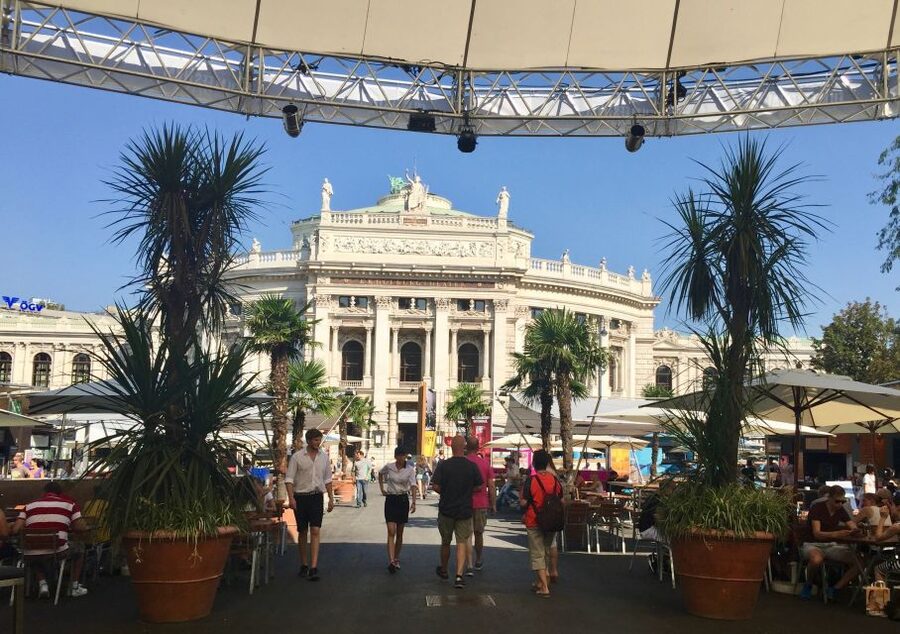
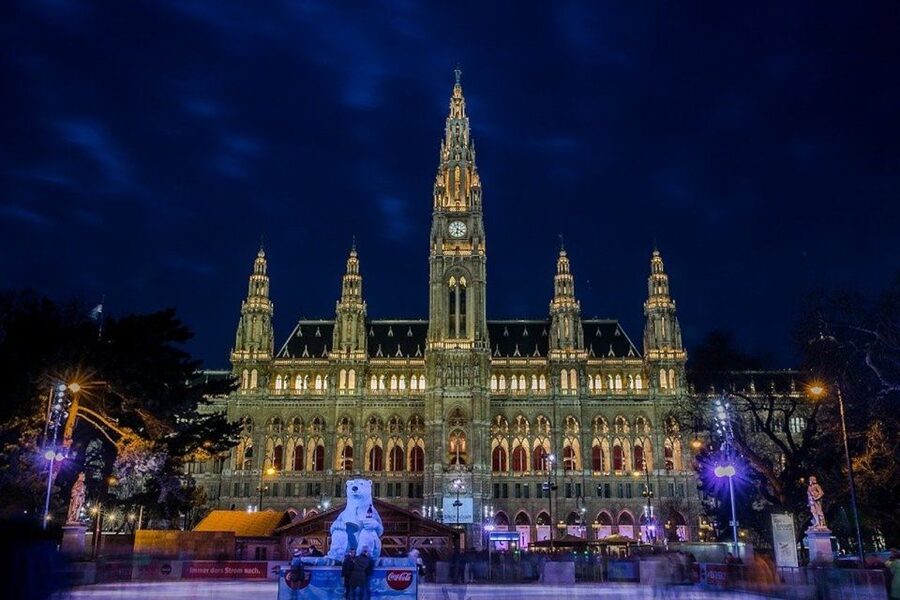
Vienna’s City Hall is one of the Ring’s major visual statements. Its size and ornament reflect the city’s ambition during the period when the boulevard was being developed.
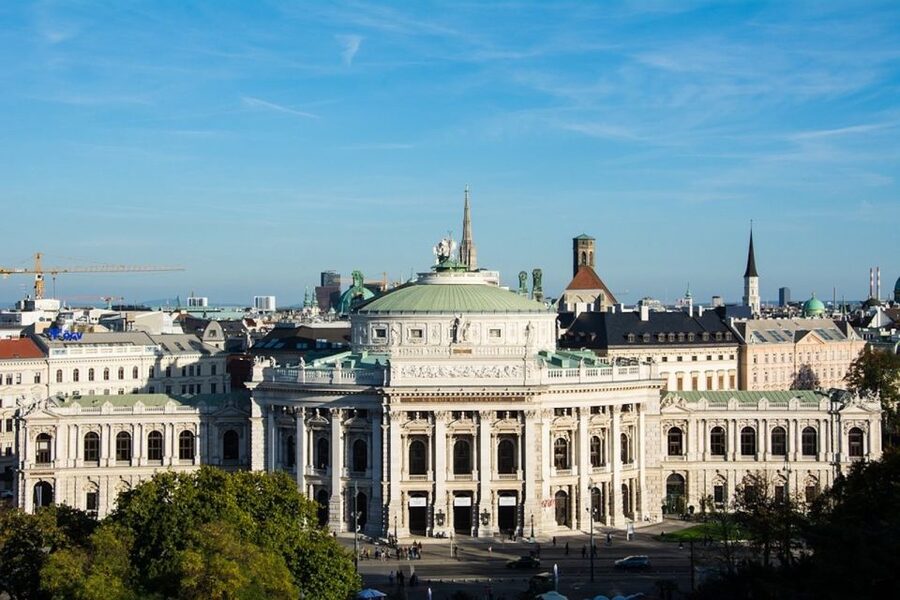
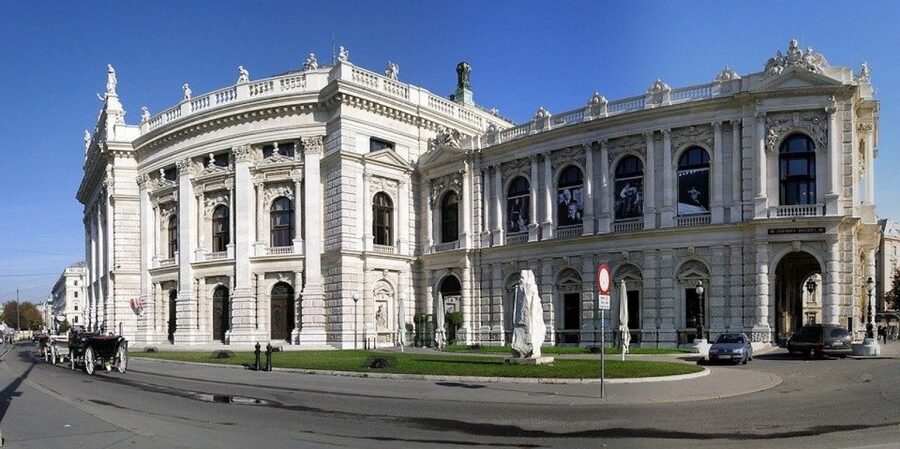
Nearby, the Burgtheater represents Vienna’s long love of performance. The theater and opera were central to the emperor’s plan for a capital filled with culture, not merely offices and government buildings.
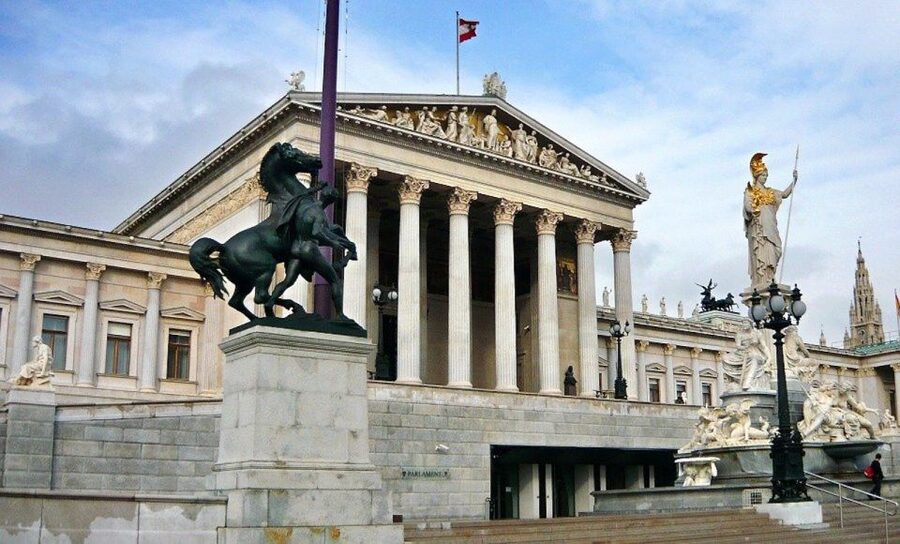
Parliament adds another layer. Along with City Hall and the university, it shows how the Ringstrasse gathered political and civic institutions into one impressive sequence.
The architectural style changes as you move along the route. You’ll see combinations of historical styles, heavy decoration, statues, columns, and elaborate facades. That variety is part of the appeal, but it can also feel overwhelming. In two hours, you will see many major buildings without having time to study every detail.
I suggest choosing one or two features at each stop: a statue, a facade detail, or the building’s original purpose. That keeps the walk from becoming a blur of grand exteriors.
Gardens, Statues, and Short Walking Breaks
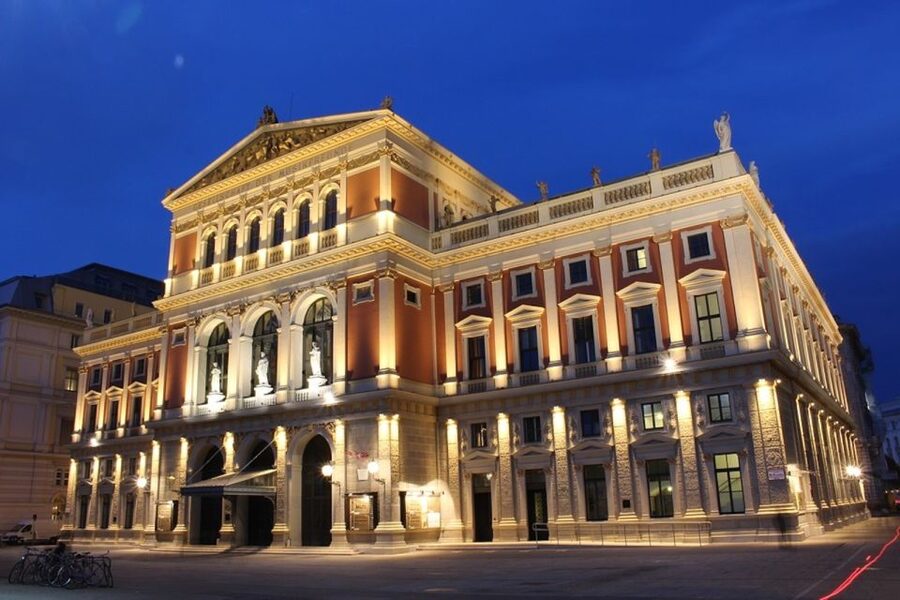
The Ringstrasse is not all stone. The route includes open gardens such as Volksgarten, with flower arrangements and statues that give you a pause from the formal buildings.
These breaks matter. Two hours on a city walk can feel long when every stop requires looking upward at monumental architecture. A few minutes among flowers and sculptures let you rest your feet and reset your attention.
The gardens also show how the Ring was designed as a complete public setting. Trees, walking paths, carriage routes, rider paths, buildings, and monuments were planned together. The result was meant to be impressive from several kinds of movement, not just from a stationary viewpoint.
You may encounter statues including the monument to Mayor Liebenberg and Pallas Athene. These works add political and symbolic meaning to the route, and your guide can explain how they fit into the larger civic picture.
If you enjoy photography, these garden pauses may be among the easiest places to frame the architecture without feeling hurried. The flower displays and statues provide a change of texture from the large stone buildings.
Heldenplatz and the Museum Section
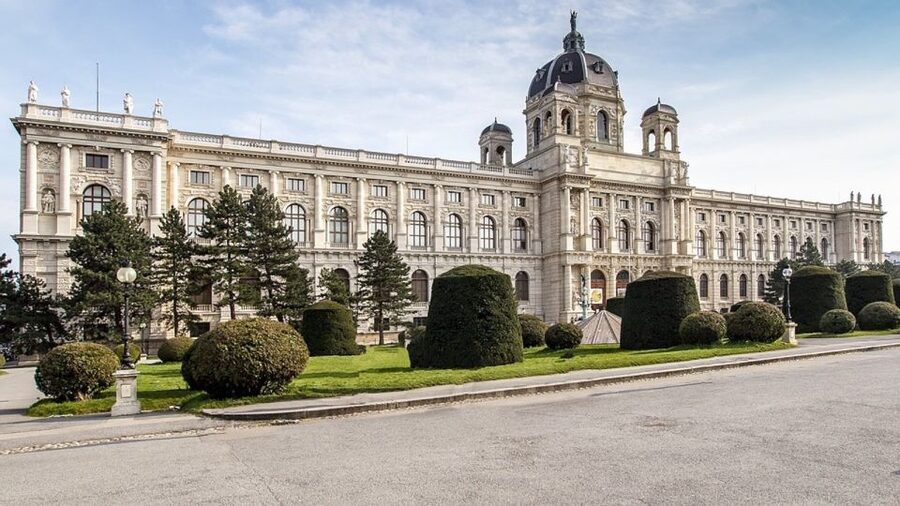
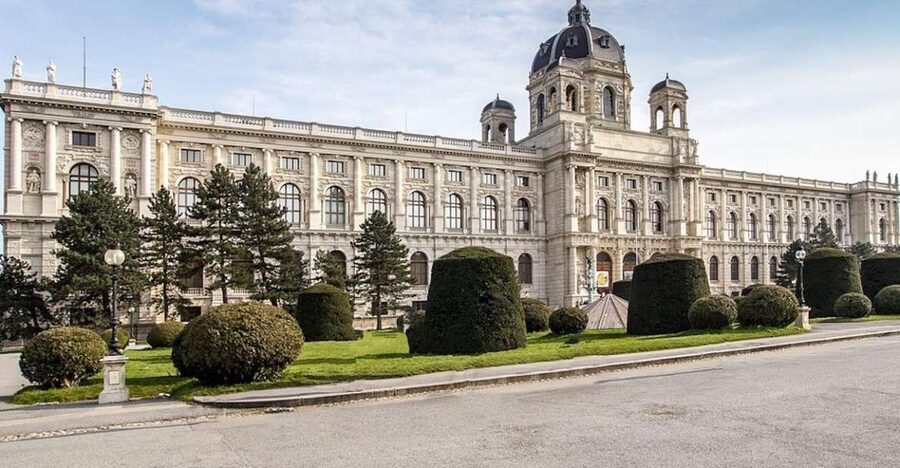
Heldenplatz is another major public space on the route. Its name and scale fit the Ringstrasse’s imperial character, while the surrounding museums underline Vienna’s role as a center for art and culture.
The museum section is a good place to notice the mixture of architectural styles. Buildings from the same broad period can still use different historical references and decorative schemes. Rather than aiming for simplicity, the Ring’s designers often aimed for visual impact.
This is where the tour’s theme of style combinations becomes clear. You’ll see how the city used architecture to express power, education, art, and civic pride. The effect can be grand, even excessive, which is part of the honest appeal of the route.
I would not choose this walk if you want long interior visits. The experience is an outdoor city tour, and the supplied details focus on exteriors, public spaces, and explanation from the guide. The museums and other institutions are viewed as part of the urban setting rather than explored inside.
Finishing Beside the Vienna Opera House
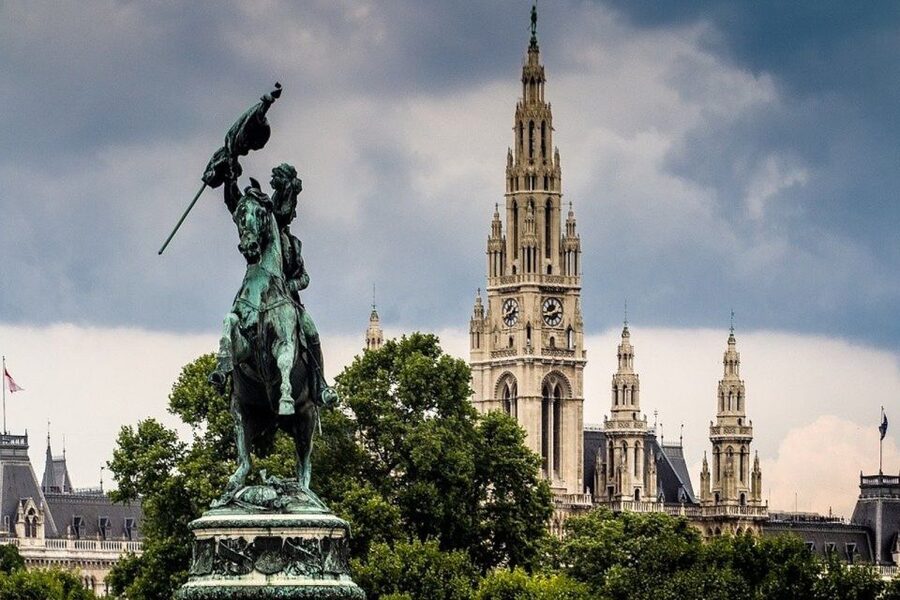
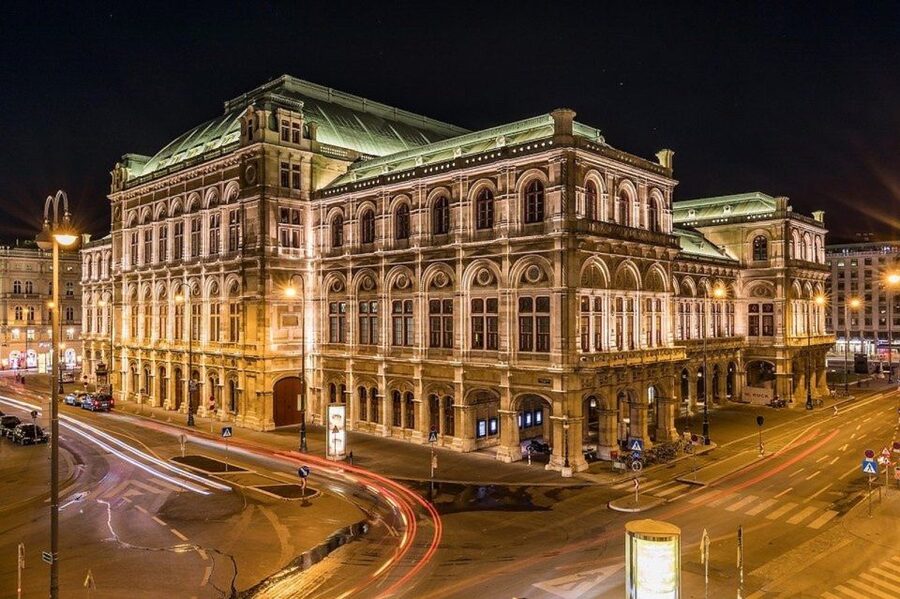
The walk ends near the Opera House, a fitting finish to an itinerary built around the emperor’s vision for a cultural capital.
By the end, you will have crossed a representative part of the Ring and seen the connection between government, education, performance, museums, gardens, and private wealth. The Opera House brings the cultural purpose of the boulevard back into focus.
The ending is also practical. From the Opera area, you can continue exploring central Vienna on your own, though no onward plan is included in the tour. Since the walk ends outside rather than at a hotel, you should be prepared to make your own way afterward.
The two-hour length gives you a useful introduction without consuming half a day. The tradeoff is depth. You will not have time for long discussions at every monument, so I would use the walk as a framework for later exploration rather than as a complete study of Ringstrasse architecture.
Is $353 Good Value for a Private Two-Hour Walk?
The price is $353 per group of up to eight people. For one or two people, that is expensive for a two-hour outdoor tour. For a full group of six to eight, the cost works out more reasonably per person, especially if you want a private guide rather than a large shared group.
The strongest value comes from the guide’s ability to adjust the conversation. You can ask about the Palais Ephrussi family, the architects, the political buildings, or the social gap between wealthy patrons and poorly paid workers. A private group can also move at a pace that suits its members.
The price does not include a tram ticket, hotel pickup, or hotel drop-off. Bring a public transport ticket as requested, and do not expect transportation to be built into the fee.
You also have some booking flexibility, since cancellation is allowed up to 24 hours before the activity for a full refund, and you can reserve while paying later. Those terms are useful if your Vienna schedule is still changing.
Who Will Get the Most From This Tour?
I would choose this walk if you want to understand why Vienna looks the way it does, not simply collect photographs of famous buildings. It suits first-time visitors who need an organized introduction to the Ring, as well as repeat visitors who want the social stories behind familiar sights.
It is particularly well suited to:
- Families or friends who can share the private-group price
- Architecture fans interested in decoration and mixed historical styles
- Readers of The Hare with Amber Eyes who want context for the Ephrussi family
- Visitors who prefer outdoor sightseeing and short stops
- People who want an English, German, or Polish-speaking guide
I would be more cautious if you need extensive interior visits, long explanations at every stop, or a very slow pace. The route covers a lot in two hours, and the guide’s approach can shape how much historical detail you receive.
Should You Book the Ringstrasse Walk?
Book it if you want a focused introduction to Vienna’s grand boulevard and prefer personal stories over a bare list of monuments. The combination of Palais Ephrussi, the gardens, public institutions, statues, and the Opera House gives you a clear sense of how imperial Vienna was built and who paid the human cost.
For the best value, bring a group of several people and prepare a few questions. I would also allow extra time before or after the tour to look at a building that catches your interest, since the walk itself cannot linger everywhere.
If you are traveling alone or as a couple on a tight budget, the $353 private rate may be hard to justify. If you are sharing it with up to eight people and want a flexible guide-led walk through Vienna’s most monumental street, it becomes a practical and worthwhile choice.
FAQ
How long is the Vienna Ringstrasse walking tour?
The tour lasts two hours.
How much does the private tour cost?
The price is $353 for a private group of up to eight people.
Where does the tour meet?
Meet at Liebenberg-Denkmal, Mölker Bastei 8, 1010 Wien. Arrive 10 minutes before the start time.
Where does the walking tour finish?
The tour ends next to the Vienna Opera House.
Which languages are available?
The live guide can conduct the tour in English, German, or Polish.
Is a tram ticket included?
No. A tram ticket is not included, and you should bring a public transport ticket.
Is the tour wheelchair accessible?
Yes, the activity is listed as wheelchair accessible.
More walking tours in Vienna
- Vienna: Vienna Central Cemetery Guided Walking Tour
★ 4.8 · 3,307 reviews - Vienna: Guided Walking Tour of City Highlights & Hidden Gems
★ 4.9 · 2,180 reviews - Vienna: Viennese Underworld Guided Walking Tour
★ 4.7 · 1,865 reviews - Vienna: Private Walking Tour with a Local Guide
★ 4.6 · 1,420 reviews
Just reviewed in Vienna
- World War II History Vienna Old Town Private Walking Tour★ 4.8 · 9 reviews
- Vienna: Wine Tasting E-Bike Tour★ 4.9 · 46 reviews
- Vienna: Winery and Wine Tasting Tour with a Wine Expert★ 5.0 · 5 reviews
- Vienna: Unforgettable Private City Tour★ 5.0 · 7 reviews
- Vienna Urban Art Tour: Explore a different side of Vienna!★ 3.8 · 14 reviews
- Vienna: Concert by the Vienna Baroque Orchestra★ 4.6 · 56 reviews
- Vienna: Sunday Brunch Danube Cruise & Live Music★ 4.2 · 42 reviews
- Vienna Supreme Orchestra at Palais Niederösterreich★ 4.8 · 10 reviews
Vienna Old Town Walking Tours, compared.
Vienna Historic Center Small Group Walking Tour
Read our review →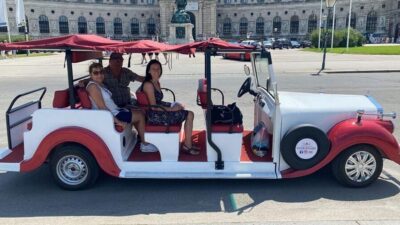
Exclusive Vienna Old Town Highlights Walking Tour (max. 6 persons)
Read our review →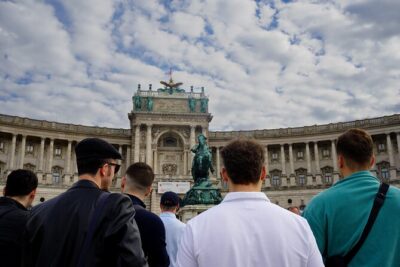
Browse the lists this tour appears in