
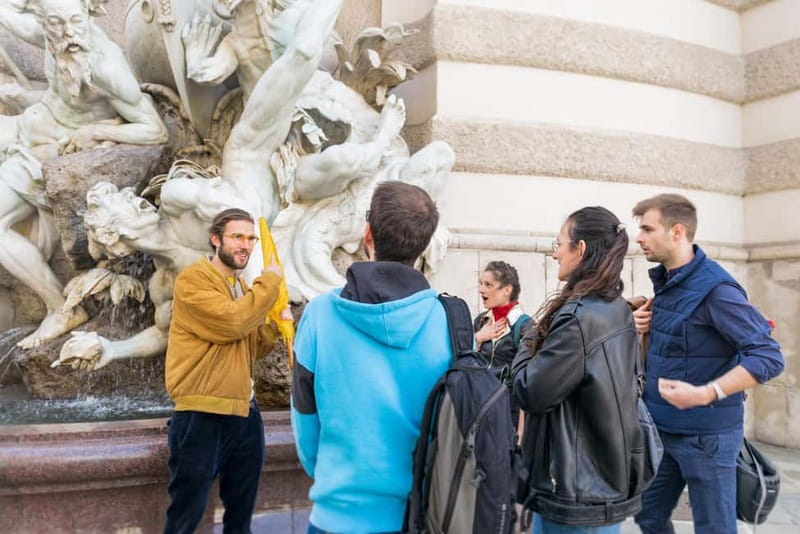
Reviewed · HISTORICAL TOURS
Vienna: Historical Walking Tour – Hitler and the 1900s
Vienna’s past gets uncomfortable on this two-hour walk. You follow Hitler’s early years in the city, then connect those personal traces to the political, artistic, and architectural changes that reshaped Vienna in the early 1900s. It is not a standard palace-and-coffeehouse stroll.
I like the way the tour links Hitler’s Vienna with the artistic revolution led by figures such as Klimt and Wagner. I also like the practical format: a compact route, a local English-speaking guide, and stops such as Karlsplatz and Museumsquartier that help you see the city beyond its imperial center.
The main drawback is its subject. This is a serious tour about political extremism, prejudice, and a difficult chapter in European history. If you want only light sightseeing, the tone may feel heavy. The two-hour walk also gives you an introduction, not a full study of Vienna in the 1900s.
Key points to know before booking
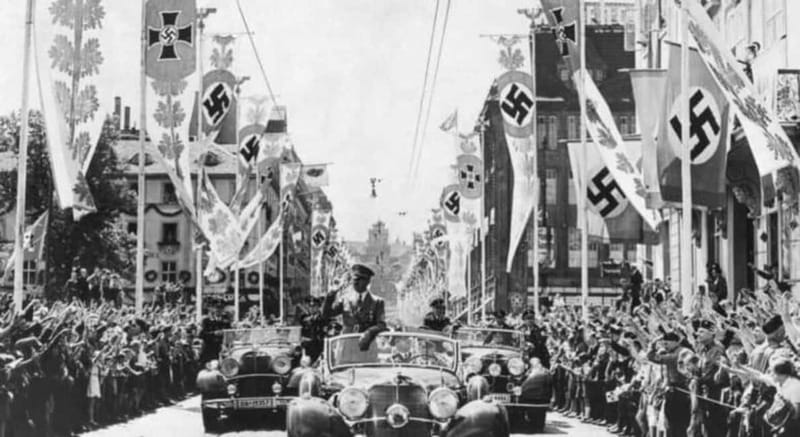
- Hitler’s early Vienna years: Follow the places and events connected with his formative time in the city without treating the tour as a celebration of him.
- Karlsplatz and Museumsquartier: Use two major city areas to understand Vienna’s shift from imperial power center to modern cultural capital.
- Art beside politics: Learn how the world of Klimt, Wagner, and artistic change existed alongside social and political unrest.
- Local English-speaking guides: Guides such as Joseph and Cristina are known for clear explanations, anecdotes, and strong storytelling.
- Two hours for $22: This is a low-cost way to add historical context to your first days in Vienna, though museum entry and refreshments are not included.
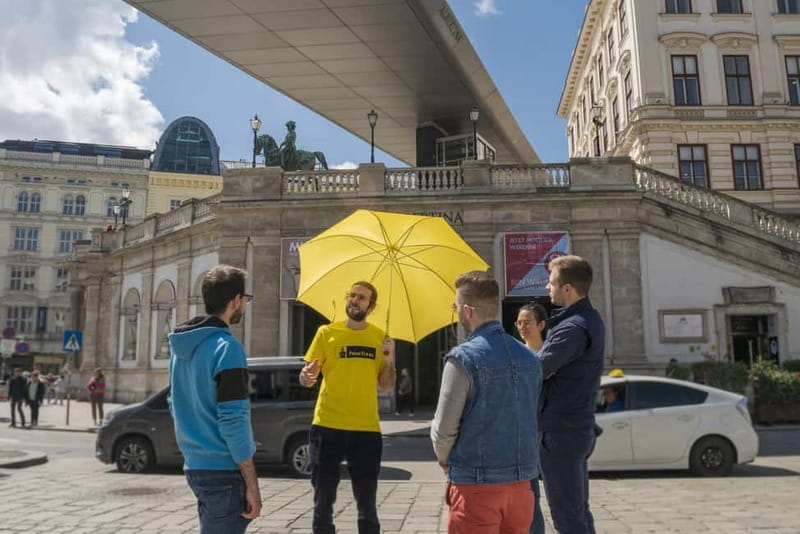
- Simple meeting point: Look for the yellow Prime Tours umbrella, then return to the same meeting point at the end.
Why this walk gives Vienna a different frame
Most first visits to Vienna begin with imperial grandeur: the Hofburg, grand avenues, palaces, and formal squares. Those sights matter, but they can make the city seem frozen in Habsburg splendor. This tour asks you to look at the period when that old order was starting to crack.
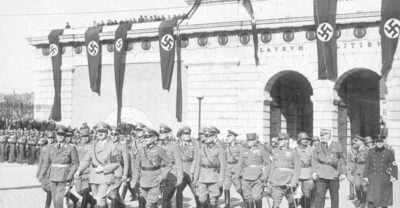
The early 1900s were a turning point. Vienna was still tied to the Habsburg Empire, yet new ideas were reshaping art, architecture, politics, and daily life. The tour uses Hitler’s early life as one thread, but it also places him in a wider city filled with competing movements and cultural change.
That wider frame is important. You are not simply being led from one Hitler-related location to another. You are being shown how the city he encountered was changing, and how Vienna’s political and artistic atmosphere formed part of the setting for his later life.
I find that approach more useful than a tour built around shock value. It gives you historical context and helps you understand why Vienna’s past cannot be reduced to palaces, waltzes, and polished facades.
More history walks in Vienna:
- Vienna: Time Travel and Magic Vienna History Tour
★ 4.6 · 3,879 reviews - Vienna: World War II Historical Walking Tour
★ 4.8 · 1,772 reviews - Vienna Historic Center Small Group Walking Tour
★ 5.0 · 1,746 reviews
Following Hitler’s early years without losing the wider story
The Hitler portion is likely to interest visitors who want to understand how his years in Vienna influenced his later views. The tour explores his early life and the traces left by that period, while connecting his personal story to the larger political changes of the time.
That distinction matters. A responsible historical walk should explain context rather than turn a dictator into the main attraction. Based on the stated focus of this experience, the emphasis is on understanding Vienna and its changes, not glorifying Hitler.
You should expect discussion of difficult subjects. The wording of the tour points toward political and cultural change, early influences, and the city’s move toward modernity. It does not promise entry to a museum or a preserved private interior, so the value comes from the guide’s explanation of public places and historical connections.
This is where a good guide makes a real difference. Joseph is praised for using anecdotes and many stories, while Cristina is described as clear and well spoken. Another guide, Ángeles, is specifically associated with an informative walk that helped visitors learn a great deal about Vienna’s past. Guide assignments can change, but these comments suggest the company has several strong storytellers.
Karlsplatz and the city’s move toward modernity
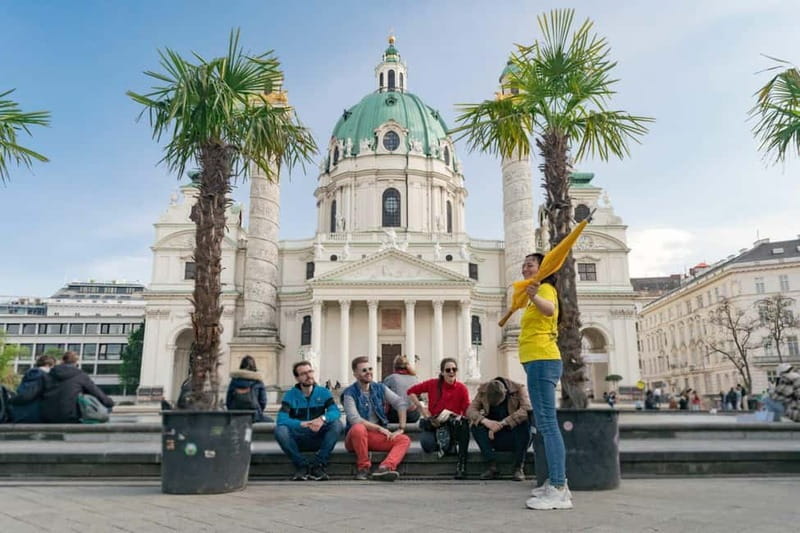
Karlsplatz is one of the most useful stops for understanding Vienna’s transition. It brings together transport, architecture, public space, and cultural institutions in one central area. On a tour like this, the square becomes more than a place to take photos.
You can expect the guide to use Karlsplatz to explain how Vienna expanded and changed as the old imperial system met modern urban life. The square helps connect the grand city of the Habsburg period with the city that developed around new public needs, new styles, and new political pressures.
The benefit of visiting a place like Karlsplatz with a guide is that the meaning is not always obvious from the pavement. You might otherwise see a handsome square and move on. With historical explanation, you begin to read it as evidence of changing priorities and changing power.
Karlsplatz is also a practical stop because it is familiar and central. You do not need to devote a separate afternoon to it. The tour folds it into a larger story, which is helpful if you are still learning your way around Vienna.
Museumsquartier and Vienna’s artistic revolution
Museumsquartier adds the cultural side of the story. The area is strongly linked with Vienna’s museum life and gives the tour a natural setting for discussing the artistic changes of the early 1900s.
The experience specifically connects this period with Klimt and Wagner. Their names help show that Vienna was not only a political center but also a place where artists and architects challenged established taste. The city’s polished imperial image existed beside new forms, new arguments, and a willingness to question old rules.
You may find this part especially rewarding if you have already seen some of Vienna’s traditional architecture. The tour gives you a way to compare the formal style of the empire with the more experimental ideas that were taking shape around it.
There is an important limitation. The tour does not include museum admission, and entrance fees are not covered after the walk. Museumsquartier is therefore a discussion stop and an urban setting, not a substitute for visiting a Klimt collection or another gallery on your own.
I would treat this portion as a useful preview. If the guide sparks your interest, you can decide later which museum deserves your time and money.
More walking tours in Vienna:
- Vienna: Guided Walking Tour of City Center Highlights
★ 4.7 · 4,989 reviews - Vienna: Vienna Central Cemetery Guided Walking Tour
★ 4.8 · 3,307 reviews - Vienna: Guided Walking Tour of City Highlights & Hidden Gems
★ 4.9 · 2,180 reviews - Vienna: Viennese Underworld Guided Walking Tour
★ 4.7 · 1,865 reviews
Hidden corners, public places, and the value of a local guide
The route promises lesser-known spots and stories beyond the usual sightseeing path. The exact stops may vary, and no full street-by-street itinerary is provided, so you should not book this expecting a fixed list of monuments.
That flexibility can work in your favor. A local guide can spend more time on a place when the group has questions, or point out a detail you would likely miss while walking alone. The experience depends heavily on the person leading it, which is why the individual guide matters more here than a printed schedule.
The feedback attached to this experience gives a useful picture of the guiding style. Joseph is associated with anecdotes and story-filled explanations. Cristina is praised for her clear delivery and ability to hold attention. Ángeles and Mia’s comments point to a walk that made Vienna’s past easier to understand.
I would not assume you will receive one particular guide, but I would expect a personal, spoken presentation rather than a lecture with dates alone. Ask questions as you go. This subject becomes much clearer when the guide can explain how a political idea, a building, and a period of social change relate to one another.
What the two-hour format really gives you
Two hours is enough time for a focused introduction. You can cover several central areas, hear the major historical themes, and get a better sense of how Vienna developed from an imperial capital into a modern metropolis.
It is not enough time for every detail. The guide will need to keep moving, and some subjects will receive only a brief explanation. If you want a full account of Vienna under the Habsburgs, the rise of Nazism, or the city’s entire artistic history, you will need books, museums, or a longer specialist tour as well.
I see the short format as an advantage for a first or second day in Vienna. It helps you get your bearings while giving you themes to notice during the rest of your visit. You can then return to Karlsplatz, Museumsquartier, or another area with more understanding.
Wear comfortable shoes. The activity is a walking tour, and transportation to the meeting point is not included. Food and drinks are also not included, so plan a coffee or meal before or after the walk rather than expecting a break during it.
Is $22 a fair price?
At $22 per person, this is a reasonably priced way to add interpretation to places you could visit for free. You are paying for a live guide, a reserved place, local stories, and a planned historical route rather than admission to a museum.
The value is strongest if you are interested in history but do not want to spend a large sum on a private guide. It is also useful if you have limited time and want a focused introduction to Vienna’s political and artistic changes.
The price does not cover museum entry, refreshments, or transport. That keeps the upfront cost low, but you should budget separately if you want to continue the subject inside a museum afterward.
The tour is less valuable for someone who prefers to explore silently with an audio guide or who already has a strong grasp of Vienna’s early 1900s history. In that case, the route may repeat material you know. For most first-time visitors, though, the low price makes it an easy addition to a Vienna itinerary.
Meeting point, cancellation, and accessibility
Look for the yellow Prime Tours umbrella at the meeting point. The walk ends back where it begins, which makes planning the rest of your day simpler.
The tour is offered in English with a live guide. It is listed as wheelchair accessible, though the experience remains an outdoor walk, so you may want to confirm current route details if surface conditions or particular access needs are important to you.
You can cancel up to 24 hours in advance for a full refund. The reserve-now-and-pay-later option also gives you some flexibility while you finalize your Vienna plans.
The participation notice says the walk is voluntary and that the freelance guides cannot be held responsible for injuries to people or property. As with any city walk, stay aware of traffic, paving, weather, and your own pace.
Tipping is not included. A tip for the guide is expected as part of the experience, and an additional tip is welcome if you feel the guide made the history clear and engaging.
Who will get the most from this experience?
I would recommend this walk to you if you want more than Vienna’s imperial postcard. It suits history-minded visitors, students, readers interested in the early 1900s, and anyone curious about how political and artistic movements shaped the same city at the same time.
It also works well for first-time visitors who want a city orientation with substance. Karlsplatz and Museumsquartier are useful reference points, and the guide’s stories can help you place other sights in context later.
You may want to skip it if you are traveling with young children who need a light, playful outing, or if you would rather avoid discussions of Hitler and political extremism. The subject is not a minor detail. It is central to the walk.
I would also avoid booking it back-to-back with another long walking tour unless you are comfortable spending much of the day on foot. Two hours is manageable, but the historical material requires attention, not just casual sightseeing.
My recommendation for a Vienna itinerary
Book this tour early in your stay if you want a serious introduction to the city’s 1900s story. Its strongest feature is the connection between personal history, public places, art, and urban change. You leave with more useful questions than you would get from a simple list of monuments.
The guide is the key variable. Joseph, Cristina, Ángeles, or another Prime Tours guide may lead your walk, and the experience appears to benefit from guides who explain ideas through anecdotes rather than dates alone.
At $22, the risk is modest. You receive two hours with a live English-speaking guide, and you can continue exploring on your own afterward. I would book it if you want to understand the Vienna behind the imperial image. I would pass if you are looking only for cheerful sightseeing or an in-depth museum experience with included admission.
FAQ
How long does the walking tour last?
The tour lasts two hours.
What language is the tour offered in?
The tour is offered in English with a live guide.
How much does the tour cost?
The listed price is $22 per person.
Where does the tour start?
Look for the yellow Prime Tours umbrella at the meeting point.
Where does the tour end?
The activity ends back at the meeting point.
Which places are included in the route?
The tour includes Karlsplatz, Museumsquartier, and other historic locations in Vienna. The complete street-by-street route is not specified.
Does the tour include museum admission?
No. Entrance fees to museums and other attractions after the tour are not included.
Are food and drinks included?
No. Food and drinks are not included.
Is the tour wheelchair accessible?
Yes, the activity is listed as wheelchair accessible.
Can I cancel for a refund?
Yes. You can cancel up to 24 hours in advance for a full refund.
Just reviewed in Vienna
- World War II History Vienna Old Town Private Walking Tour★ 4.8 · 9 reviews
- Vienna: Wine Tasting E-Bike Tour★ 4.9 · 46 reviews
- Vienna: Winery and Wine Tasting Tour with a Wine Expert★ 5.0 · 5 reviews
- Vienna: Unforgettable Private City Tour★ 5.0 · 7 reviews
- Vienna Urban Art Tour: Explore a different side of Vienna!★ 3.8 · 14 reviews
- Vienna: Concert by the Vienna Baroque Orchestra★ 4.6 · 56 reviews
- Vienna: Sunday Brunch Danube Cruise & Live Music★ 4.2 · 42 reviews
- Vienna Supreme Orchestra at Palais Niederösterreich★ 4.8 · 10 reviews
Historical Tours, compared.
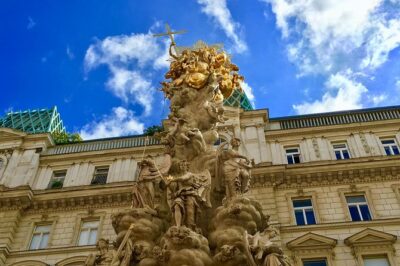
Vienna Historic Center Small Group Walking Tour
Read our review →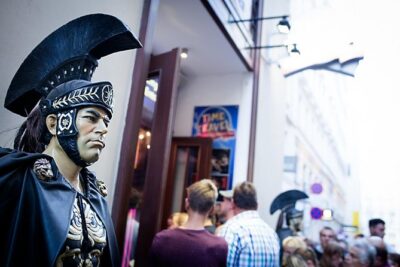
Time Travel-Magic Vienna History Tour Ticket
Read our review →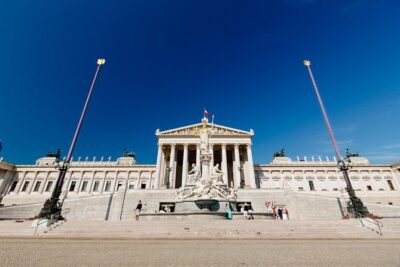
Skip-the-Line Schonbrunn Palace Guided Tour and Vienna Historical City Tour
Read our review →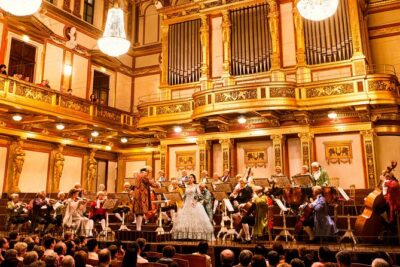
Vienna Mozart Concert in Historical Costumes at the Musikverein
Read our review →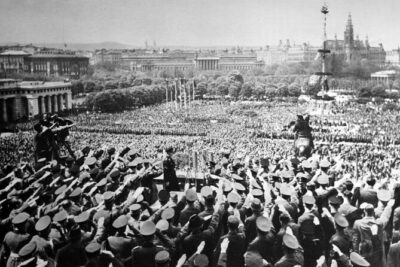
Historical Hitler Walking Tour of Vienna
Read our review →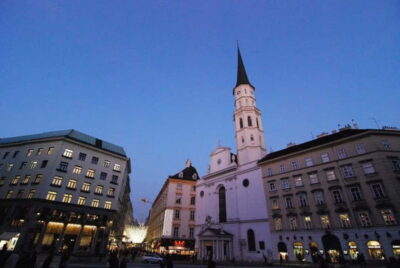
Browse the lists this tour appears in