
Reviewed · HOFBURG PALACE AND SISI MUSEUM TICKETS
Combo Ticket: Kunsthistorisches Museum & Imperial Treasury
The most striking part of this combo is the contrast: one ticket takes you from grand European painting halls to the actual crowns, jewels, and ceremonial objects of the Habsburg world. At the Kunsthistorisches Museum, you’ll find Rubens, Rembrandt, Raphael, Velázquez, Titian, and Dürer, along with Egyptian, classical, and decorative art. At the Imperial Treasury, you’ll see the Austrian imperial crown, the German imperial crown, and insignia linked to the Holy Roman Empire.
I like the freedom to visit on different dates, since both museums can easily occupy several hours. I also like the value at $37, especially if you care about art, dynastic history, jewelry, or beautifully made objects. The main catch is practical: you need a printed voucher, and audio guides are not included.
Key points to know before you go
- Two major museums in one ticket: Visit the Kunsthistorisches Museum and the Imperial Treasury at Vienna’s Hofburg.
- Masterpieces from six famous artists: Look for works by Rubens, Rembrandt, Raphael, Velázquez, Titian, and Dürer.
- Crowns with real imperial weight: The treasury displays the Austrian and German imperial crowns, plus Holy Roman Empire insignia.
- Use the ticket flexibly: Each museum may be visited once, on the same day or on different dates, and the ticket remains valid for one year.
- Plan more than two hours: The listed duration is two hours, but many visitors will want two to four hours at the art museum alone.
- Print before arriving: A paper voucher is required, and you may need to exchange it for a museum ticket at the entrance.
Two Vienna collections with very different personalities
This is not a guided walking tour with a set route or a guide leading you from room to room. It is a practical admission combination for two institutions in central Vienna.
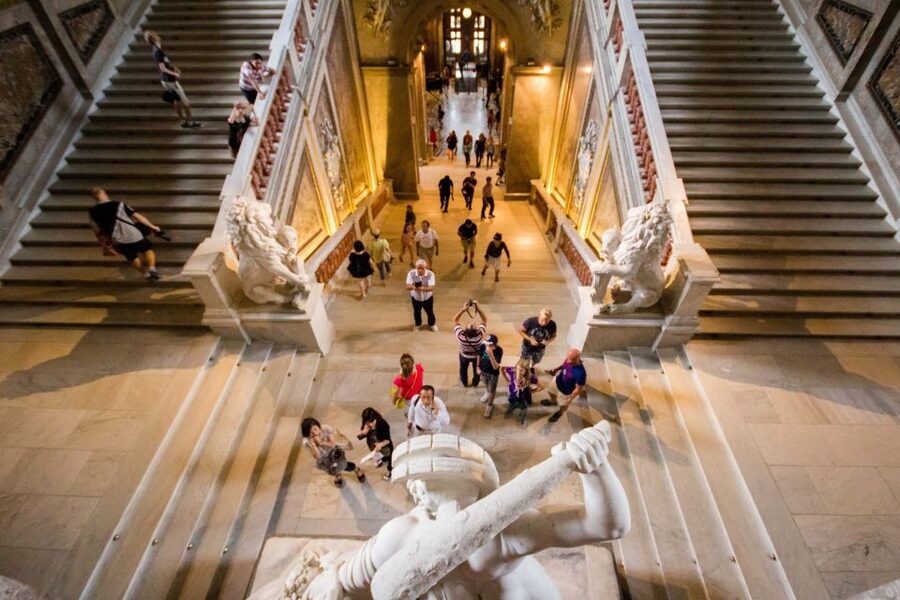
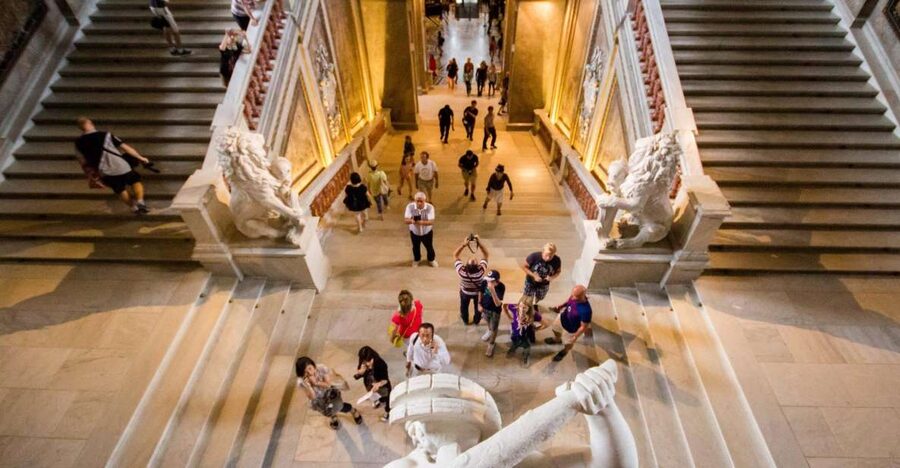
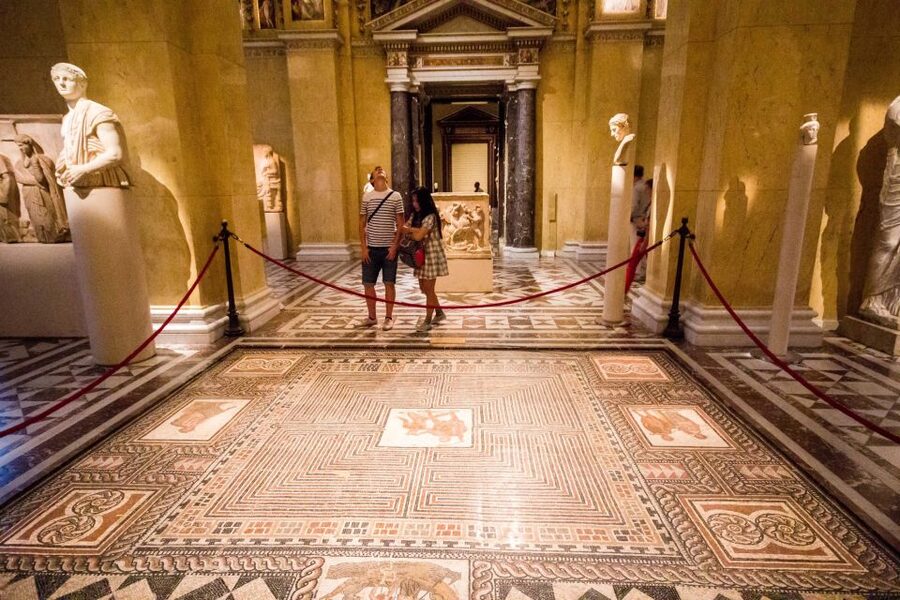
The Kunsthistorisches Museum, also called the Museum of Art History, is the grander and broader stop. Its building on Maria-Theresien-Platz is part of the experience. You enter a formal imperial setting, then move through galleries filled with paintings, sculpture, ancient objects, armor, and decorative works.
The Imperial Treasury is smaller and more focused. It occupies part of the Hofburg complex at Michaelerplatz, in the Schweizerhof. Its displays center on royal and imperial power: crowns, regalia, ceremonial objects, religious pieces, and glittering jewels.
I think of the two museums this way: the Kunsthistorisches Museum shows how the Habsburg rulers collected and displayed culture, while the Imperial Treasury shows the objects that helped present their authority. Together, they give you art, politics, religion, craftsmanship, and court life without requiring another ticket.
The two venues are within walking distance of each other, but they are not the same building. You can start at either entrance. That matters if you are building your day around the Hofburg, the Ringstrasse, or the museums on Maria-Theresien-Platz.
More Hofburg and Sisi Museum tickets:
- Vienna: Skip-the-Line Sisi Museum, Hofburg and Gardens Tour
★ 4.8 · 5,918 reviews - Vienna: Imperial Treasury in the Hofburg Palace
★ 4.4 · 1,791 reviews - Vienna: Hofburg and Empress Sisi Museum Guided Tour
★ 4.7 · 1,460 reviews
Start at the Kunsthistorisches Museum on Maria-Theresien-Platz
The Kunsthistorisches Museum deserves serious time. The official activity duration is two hours, but that is better treated as a minimum for a quick visit rather than a realistic limit.
The painting collection is the headline attraction for many people. You can seek out major works associated with Rubens, Rembrandt, Raphael, Velázquez, Titian, and Dürer. The exact pleasure here is not just ticking famous names off a list. You get to see how different schools of European art sit within the same imperial collection.
Rubens brings theatrical movement and grand scale. Rembrandt offers a more inward, human mood. Raphael represents the polished balance associated with the Italian Renaissance, while Titian shows the expressive use of color that made Venetian painting so influential. Velázquez adds the courtly precision of Spain, and Dürer connects the collection to the German Renaissance.
If you are not an art specialist, do not worry about knowing every period or painter before you enter. Pick a few artists, read the room labels, and let the building and the pictures do some of the work. Several rooms have English information, but an audio guide can help you make sense of more of the collection. It costs extra and is not part of this ticket.
The building itself deserves your attention. The grand rotunda, also called the Cupola Hall, gives you a natural place to pause. There is a cafe beneath the decorated dome, so you can stop for coffee or a meal instead of trying to push through every gallery in one stretch.
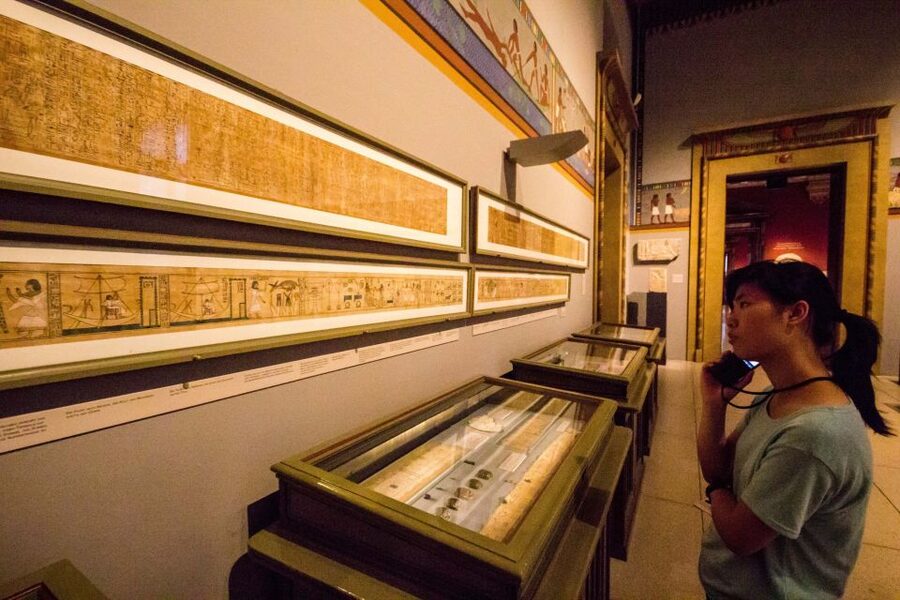
That break is useful because the museum can feel overwhelming. The collection ranges far beyond the famous paintings. You might find Egyptian and Near Eastern objects, Greek and Roman antiquities, sculpture, armor, carved works, glass, and finely made decorative pieces.
The Egyptian collection receives especially strong praise from people who make the museum a priority. If ancient cultures interest you, allow extra time rather than treating the Egyptian rooms as a quick side visit.
The Kunstkammer adds objects made for princes
Your ticket also covers the Kunstkammer Vienna. This section shifts your attention from large paintings to objects made with unusual skill and expensive materials.
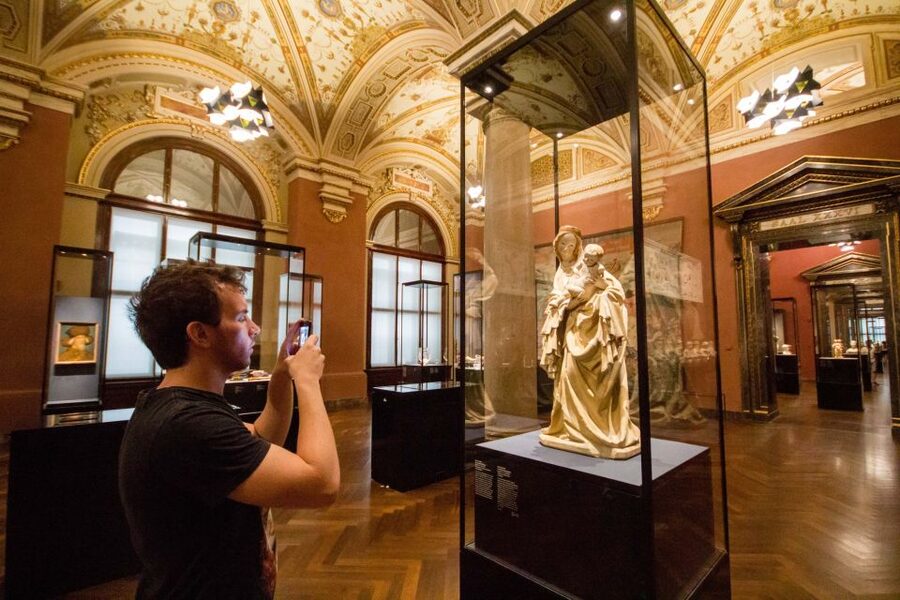
You may see carved works, precious materials, glass, and other examples of court craftsmanship. One particularly memorable object mentioned by visitors is a rock crystal pitcher. Pieces like this help explain how an imperial collection was built: not only with paintings, but also with objects designed to display rarity, technique, and wealth.
The Kunstkammer is a good reason not to rush through the main museum. If your taste leans toward jewelry, sculpture, metalwork, or small objects with fine detail, you may enjoy this section as much as the picture galleries.
The downside is scale. There is so much here that you can easily reach museum fatigue. If you have only one afternoon in Vienna, choose a few priorities before entering. For example, you could focus on the Old Masters, the Egyptian collection, and the Kunstkammer, then leave the remaining rooms for another visit if your schedule allows.
The ticket’s one-year validity gives you a useful escape from that pressure. You can visit the Kunsthistorisches Museum once, then return to the Imperial Treasury on another day. That is a far better plan than trying to absorb every room in one hurried circuit.
Meet the crowns at the Imperial Treasury
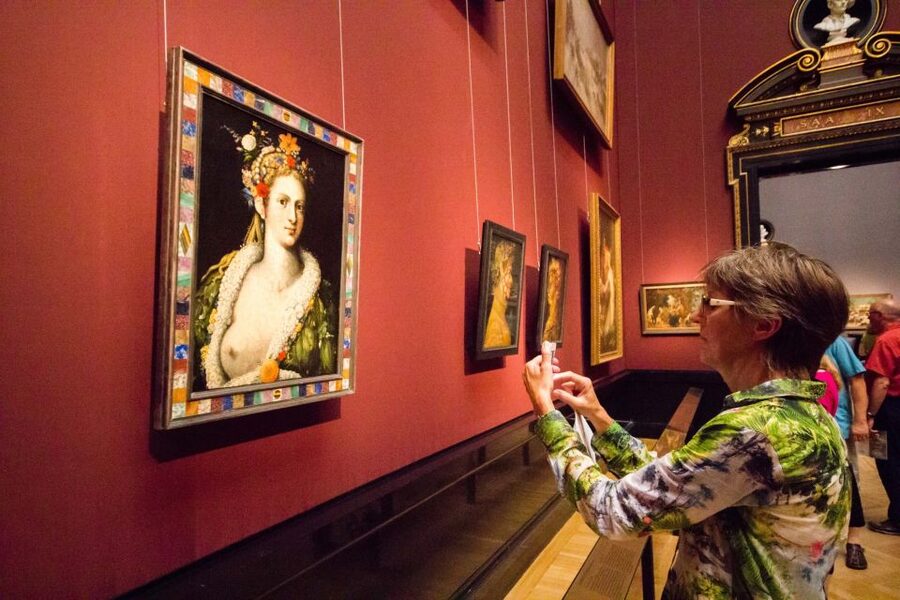
The Imperial Treasury at the Hofburg is a different kind of museum. It is not mainly about paintings or broad artistic movements. It presents the objects that carried imperial meaning.
The Austrian imperial crown is one of the central sights. You will also see the German imperial crown and insignia connected with the Holy Roman Empire. These pieces matter because they were not simply decorative jewelry. They represented office, legitimacy, faith, inheritance, and the reach of rulers who governed much of Central Europe.
The display also includes sparkling jewels and the largest cut emerald in the world, according to the attraction information. These objects are best appreciated slowly. Look at the stone itself, but also consider the message behind such a display: rarity and expense were part of the language of power.
The treasury includes the insignia of the Holy Roman Empire, giving the visit a strong political and religious dimension. If you enjoy European dynasties, coronation objects, or the material side of government, this is the part of the combo that may stay with you longest.
You can usually see the Imperial Treasury in about an hour or two, depending on your pace and interest. If jewelry and royal regalia do not appeal to you, it may feel less essential than the Kunsthistorisches Museum. That is the clearest difference between the two stops. The art museum offers wider variety, while the treasury is more specialized.
The treasury also helps put Vienna’s imperial architecture into context. You are visiting it inside the Hofburg, a complex closely tied to the Habsburg rulers. The objects inside make more sense when you connect them to the palace surroundings outside.
More art museum tickets in Vienna:
- Vienna Kunsthistorisches Museum Day Admission Ticket
★ 4.6 · 3,690 reviews - Tickets for the Albertina Exhibitions
★ 4.7 · 2,126 reviews - Skip the Line: Kunsthistorisches Museum Vienna Entrance Ticket
★ 4.5 · 466 reviews - Leopold Museum Vienna Entrance Ticket
★ 4.5 · 440 reviews
How much time should you allow?
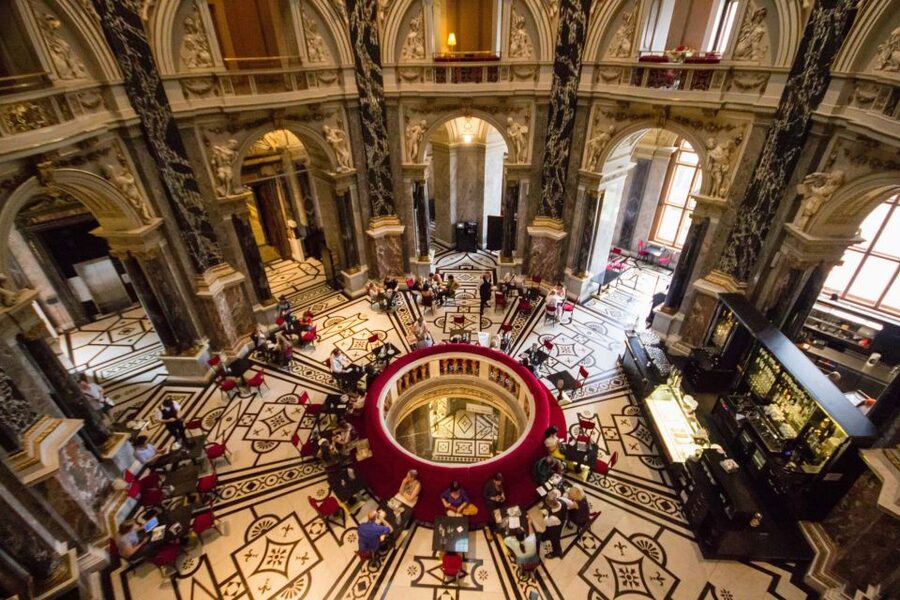
The ticket is advertised with a two-hour duration, but the two museums together deserve more time than that for most people.
A quick plan would be:
- Two hours at the Kunsthistorisches Museum
- One hour at the Imperial Treasury
- Extra time for the building, the Cupola Hall, the cafe, or the larger galleries
A more comfortable plan gives the art museum three or four hours and the treasury one to two hours. One person may spend the entire visit with the Old Masters, while another may prefer Egyptian objects, armor, or decorative art.
You do not need to visit both places on the same day. Each venue can be entered once, and the ticket can be used on different dates. It remains valid for one year. That flexibility is especially helpful if rain, closing days, or a packed Vienna schedule disrupts your first plan.
Check opening arrangements before setting out. One visitor arrived when one museum was closed and had to return on another day. The ticket allowed that second visit, but checking ahead would have saved the extra walk.
The printed voucher is the detail most likely to cause trouble
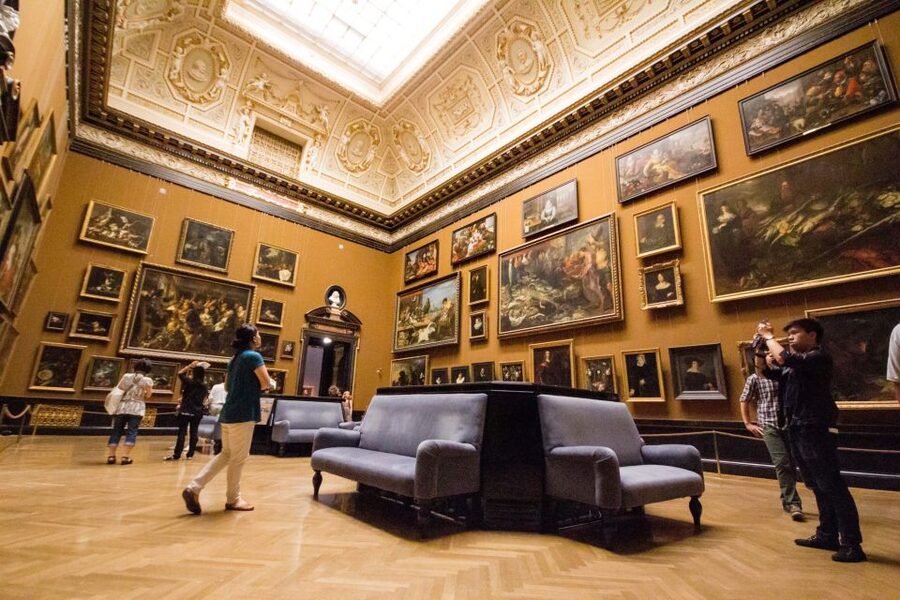
The admission process is simple once you have the correct paper in hand. Present your voucher at the main entrance of either museum.
The important word is printed. An electronic booking or phone screen may not be enough. You may need to print the voucher before arriving, then exchange it at the museum ticket office for the actual admission ticket. Some people have had to find a print shop in Vienna and wait at the ticket office, which can be frustrating after assuming a mobile voucher would work.
Plan this before you reach the museum. If you are already carrying a printed voucher, the process is much smoother. The combo ticket has also been useful for avoiding a long general admission line, although the ticket exchange itself can involve waiting.
A few other practical points matter:
- Transfers are not included, so you make your own way between the two museums.
- Audio guides are not included. If you want one, budget for the extra charge at the museum.
- Large bags, water bottles, and selfie sticks may need to go to the cloakroom.
- The museums are wheelchair accessible, but one person specifically noted that there are many stairs.
- Visitors under 19 enter free.
That last point can make a family visit less expensive, though you should still confirm the exact entry procedure for younger visitors at the museum.
Is $37 good value?
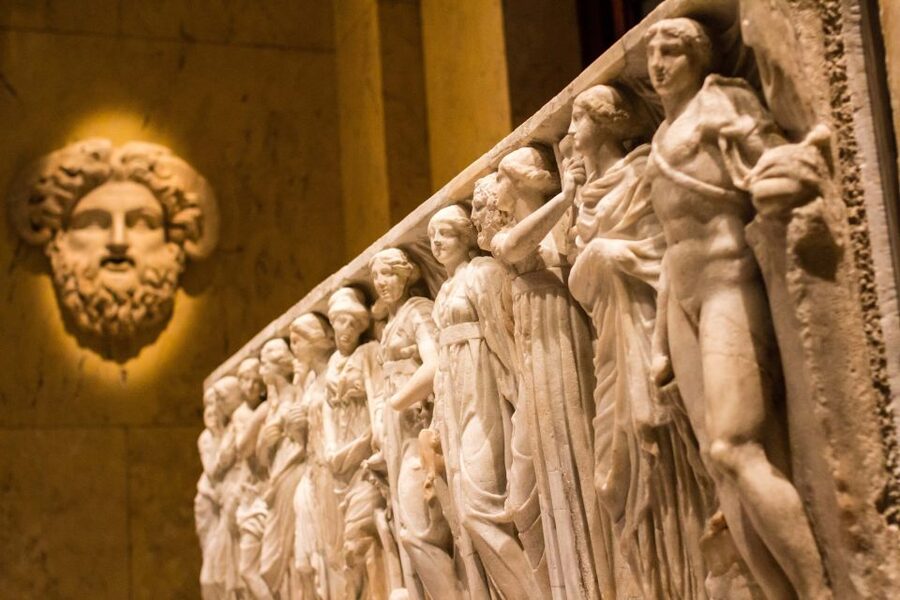
At $37 per person, the ticket is good value if you plan to visit both museums and spend real time inside them. Buying two separate admissions may not offer the same convenience, and the combo gives you the option to spread the visits across different dates.
The value is strongest for people who enjoy several kinds of culture. You are not paying only for a famous painting collection. You are also getting the Kunstkammer, ancient objects, sculpture, decorative work, imperial crowns, jewels, and ceremonial objects.
The value is weaker if you only want a quick look at one or two paintings. In that case, the museum’s size may work against you, since the ticket encourages a broad visit but does not include a guide to help you prioritize.
I would also factor in the cost of an audio guide if you want more explanation. Since it is not included, the final spend may rise. Still, the extra help could be worthwhile if you want context rather than a simple walk through labeled rooms.
Who will enjoy this combo most?
I recommend it most for you if you enjoy:
- European painting and famous Old Masters
- Habsburg and Holy Roman Empire history
- Crowns, jewelry, ceremonial objects, and royal collections
- Ancient Egypt and classical antiquity
- Architecture as part of a museum visit
- Flexible sightseeing spread across several days
Families can make it work, especially with free admission for people under 19, but younger children may find the museum’s size tiring. The Cupola Hall cafe gives you a natural pause.
Art beginners can also enjoy it, though I would use the room labels or pay for an audio guide. You do not need specialist training, but a little explanation will make the paintings and imperial objects easier to connect.
If jewelry and royal regalia do not interest you, treat the Imperial Treasury as optional in spirit, even though it is included in the ticket. The Kunsthistorisches Museum has broader appeal and enough to fill much of a day.
Should you book it?
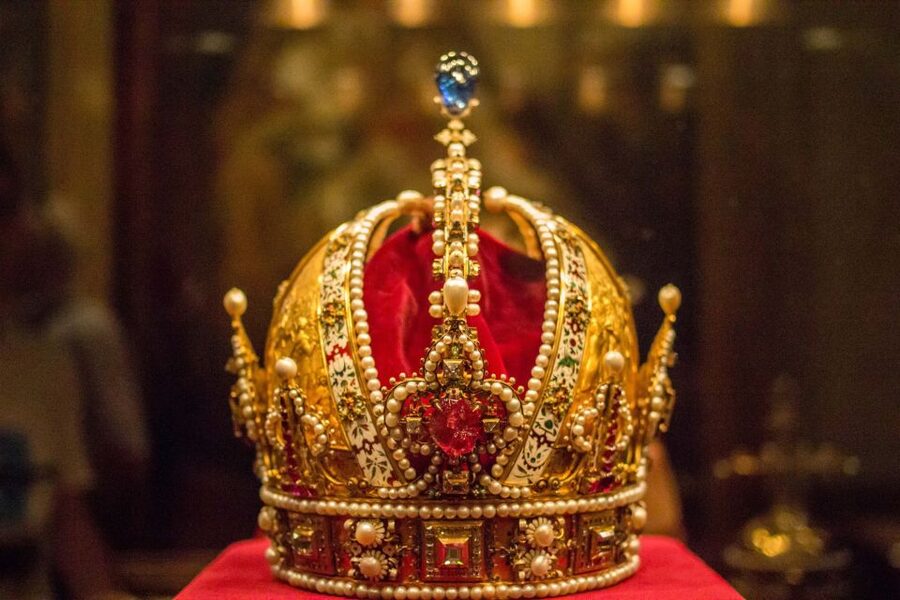
Book this combo if you want two serious Vienna museums and can give them time. The strongest reasons are the famous painting collection, the beautiful museum interiors, the Egyptian and decorative-art displays, and the chance to see imperial crowns and insignia in one trip.
I would not book it for a rushed two-hour visit. You would see the highlights, but you would miss much of what makes the ticket worthwhile. Make sure you can print the voucher, check both museums’ opening days, and decide in advance whether an audio guide fits your budget.
For a focused art day, begin at the Kunsthistorisches Museum. For a shorter visit tied to the Hofburg, begin at the Imperial Treasury. If your schedule permits, use the ticket on separate days and give each collection the attention it deserves.
FAQ
What does the combo ticket include?
It includes admission to the Kunsthistorisches Museum Vienna, the Kunstkammer Vienna, and the Imperial Treasury at the Vienna Hofburg.
How much does the ticket cost?
The listed price is $37 per person.
How long is the activity?
The listed duration is two hours. You can easily spend two to four hours at the Kunsthistorisches Museum, plus about one to two hours at the Imperial Treasury, depending on your interests.
Can I visit the two museums on different days?
Yes. Each museum can be visited once, and the ticket can be used on different dates. It remains valid for one year.
Do I need a printed voucher?
Yes. A printed voucher is required. You may need to exchange it at the museum ticket office for the actual admission ticket.
Is an audio guide included?
No. Audio guides are not included in the ticket and cost extra.
Are children under 19 admitted free?
Yes. People aged under 19 go free.
Where do I present the voucher?
You can present it at the main entrance of either museum. The Kunsthistorisches Museum is at Maria-Theresien-Platz, 1010 Vienna. The Imperial Treasury is at the Hofburg, Michaelerplatz Schweizerhof, 1010 Vienna.
More museums and galleries in Vienna
- Sigmund Freud Museum Ticket
★ 4.6 · 1,668 reviews - Vienna: St. Stephen’s Cathedral & Dom Museum Wien Tickets
★ 4.5 · 1,652 reviews - Vienna: Skip-the-Line Hofburg and Empress Sisi Museum Tour
★ 4.8 · 801 reviews - Vienna: Tickets for Kunst Haus Wien: Museum Hundertwasser
★ 4.6 · 651 reviews
Just reviewed in Vienna
- World War II History Vienna Old Town Private Walking Tour★ 4.8 · 9 reviews
- Vienna: Wine Tasting E-Bike Tour★ 4.9 · 46 reviews
- Vienna: Winery and Wine Tasting Tour with a Wine Expert★ 5.0 · 5 reviews
- Vienna: Concert by the Vienna Baroque Orchestra★ 4.6 · 56 reviews
- Vienna: Unforgettable Private City Tour★ 5.0 · 7 reviews
- Vienna Urban Art Tour: Explore a different side of Vienna!★ 3.8 · 14 reviews
- Vienna: Sunday Brunch Danube Cruise & Live Music★ 4.2 · 42 reviews
- Vienna Supreme Orchestra at Palais Niederösterreich★ 4.8 · 10 reviews
Hofburg Palace and Sisi Museum Tickets, compared.

Skip-the-Line Sisi Museum, Hofburg and Gardens Tour
Read our review →
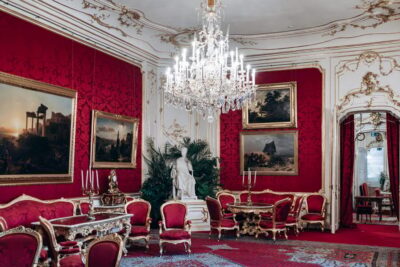
Skip-the-Line Hofburg and Empress Sisi Museum Tour
Read our review →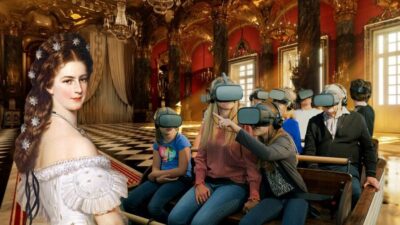
“Sisi’s Amazing Journey” Virtual Reality Experience
Read our review →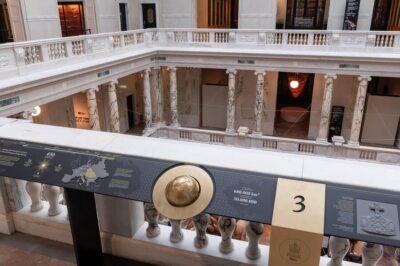
Imperial Treasury & New Hofburg Palace Combo Ticket
Read our review →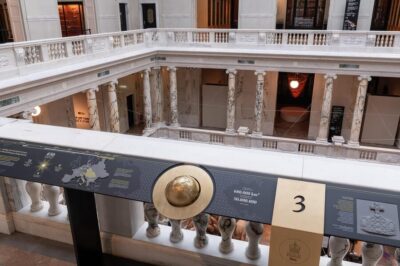
New Hofburg Palace Audio-Guided Tour & Entry Ticket
Read our review →
Skip-the-Line Sisi Museum, Hofburg and Gardens Tour Vienna
Read our review →Browse the lists this tour appears in