
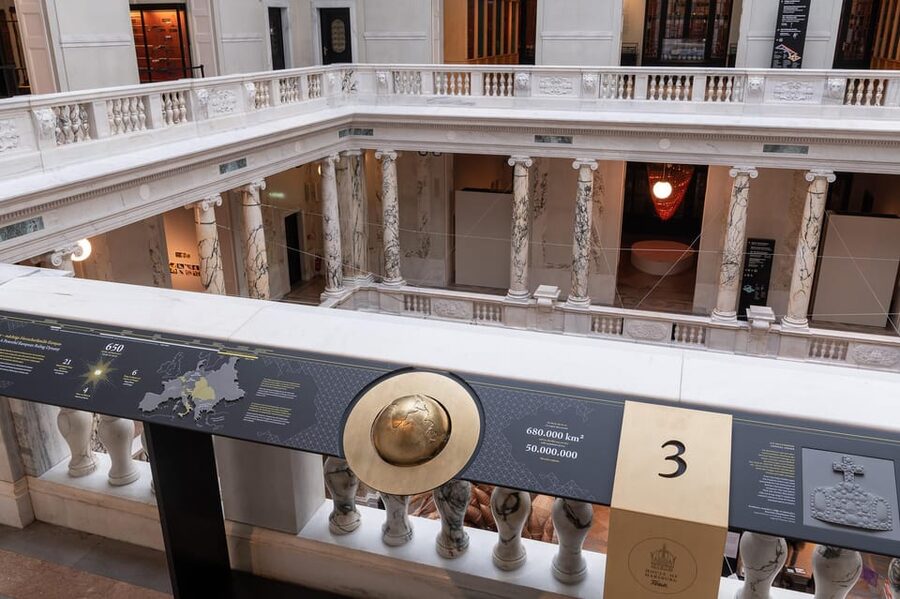
Reviewed · HOFBURG PALACE AND SISI MUSEUM TICKETS
Vienna: Imperial Treasury & New Hofburg Palace Combo Ticket
The Austrian Imperial Crown, the Holy Roman Crown, the Holy Lance, and one of the world’s largest emeralds await inside Vienna’s Imperial Treasury. Across Heldenplatz, the New Hofburg adds grand rooms, suits of armor, historic instruments, and a fortepiano once played by Mozart.
I like the 10-day validity, which lets you split these large collections over separate visits. I also like the audio guide in 10 languages, since the New Hofburg displays cover centuries of Habsburg rulers and can otherwise feel like a long parade of names and objects.
The main drawback is practical: a mobile voucher may still need to be exchanged for a paper ticket, and the entrance arrangements can be confusing. The Treasury does not include the same audio guide, so the two halves of the visit feel different.
Key points to know before you go
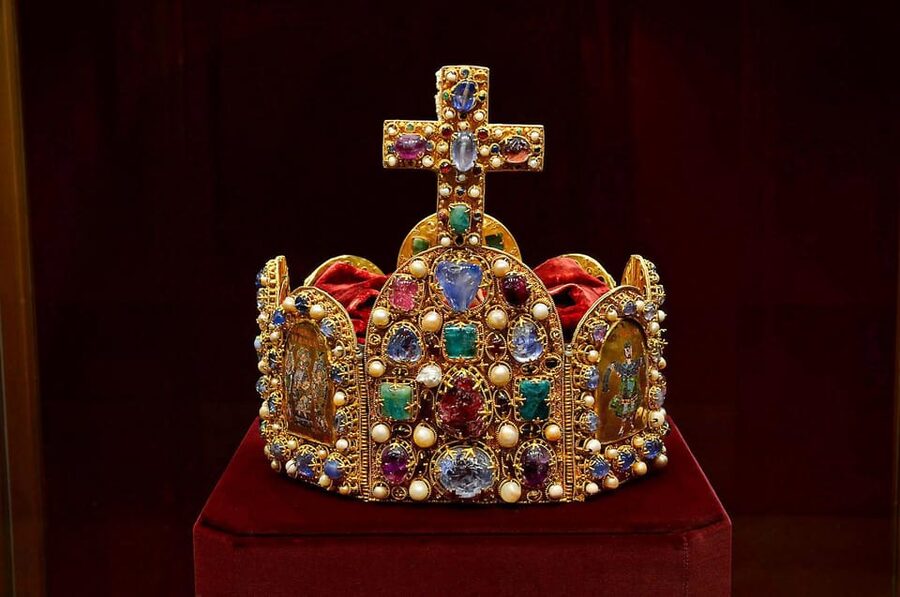
- See the Austrian Imperial Crown and Holy Roman Crown in the Imperial Treasury’s historic Swiss Wing.
- Allow several hours for the New Hofburg, especially if you want to study the armor and musical instruments.
- Hear Mozart’s fortepiano and see a wax bust of Joseph Haydn made to show him as he looked in life.
- Use the 10-day validity wisely by visiting the Treasury and New Hofburg on different days if your schedule allows.
- Start at either entrance, the New Hofburg at Weltmuseum Wien on Heldenplatz or the Imperial Treasury in the Schweizerhof.
- Expect a self-guided visit, not a live guide. The audio tour is supplied for the House of Habsburg displays at the New Hofburg.
What this combo ticket actually covers
This is not one short guided tour with a fixed route. It is a flexible admission ticket covering several museum spaces in Vienna’s Hofburg complex.
Your $40 ticket includes the Imperial Treasury, the New Hofburg Palace with its audio guide, Weltmuseum Wien, the Collection of Historic Musical Instruments, and the Imperial Armoury. The ticket remains valid for 10 days from first activation, which is far more useful than a same-day ticket if you have a full Vienna schedule.
You can begin at either the New Hofburg entrance at Weltmuseum Wien on Heldenplatz or at the Imperial Treasury in the Schweizerhof. That choice matters because the Hofburg is a large complex, and it is easy to waste time walking around looking for the correct doorway.
This is a self-guided experience. There is no live tour guide, so you set the pace and decide how much time to give each collection. The New Hofburg audio guide is available in German, English, Czech, Hungarian, Spanish, French, Korean, Chinese, and Japanese.
More Hofburg and Sisi Museum tickets:
- Vienna: Skip-the-Line Sisi Museum, Hofburg and Gardens Tour
★ 4.8 · 5,918 reviews - Vienna: Imperial Treasury in the Hofburg Palace
★ 4.4 · 1,791 reviews - Vienna: Hofburg and Empress Sisi Museum Guided Tour
★ 4.7 · 1,460 reviews
Entering the Imperial Treasury in the Swiss Wing
The Imperial Treasury occupies the Swiss Wing, the oldest part of the Hofburg Palace. That setting gives the visit some weight before you even reach the cases. You are not looking at royal objects in a modern display hall detached from their former home. You are entering one of the oldest sections of the imperial complex.
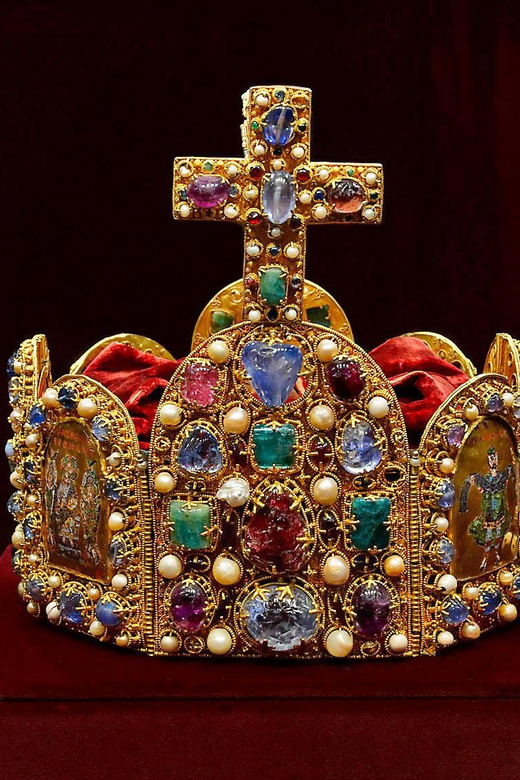
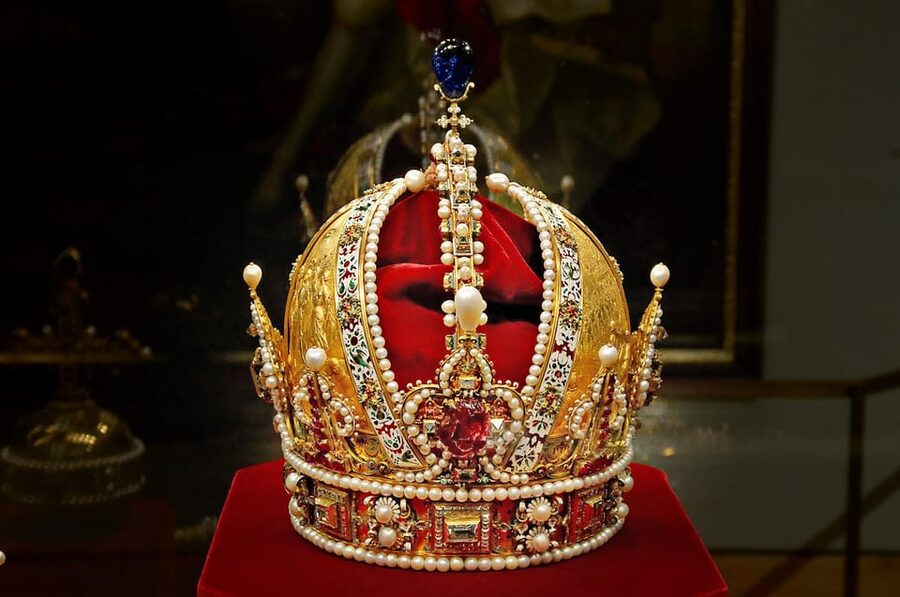
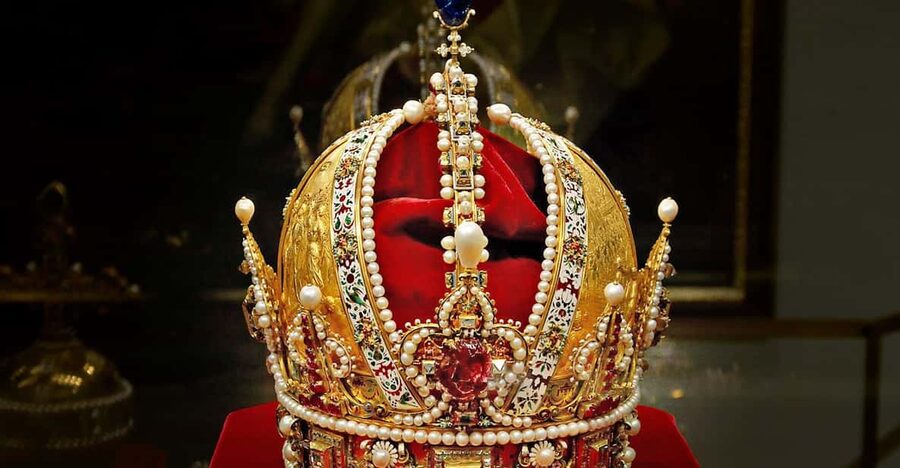
The collection is built around the objects that helped project Habsburg power. The Austrian Imperial Crown is the obvious star, but it is only one part of the story. You will also see the imperial treasures of the Holy Roman Empire, including the Reichskrone, or Holy Roman Crown, and the Holy Lance.
These objects mattered as political symbols as much as religious or ceremonial pieces. A crown could represent lawful rule, while a relic such as the Holy Lance carried a sacred meaning for medieval rulers. The Treasury works best when you look beyond the gold and stones and ask what these objects were meant to say about authority.
The jewels are another major draw. Among them is one of the largest emeralds in the world. You can get a close look at the craftsmanship and materials, rather than simply viewing a distant palace room filled with furniture.
The collection also includes precious textiles and older ceremonial objects. This is where personal taste becomes important. If you want glittering crowns and jewels, you may find the Treasury immediately rewarding. If you prefer weapons, armor, or rooms you can picture living in, the New Hofburg may hold your attention longer.
One practical point is worth remembering: the Treasury does not come with the same audio guide provided at the New Hofburg. You may want to read the labels carefully and give yourself more time to understand the objects. The contrast is noticeable, especially if you visit the Treasury first and then move to the more narrated palace displays.
The New Hofburg and the House of Habsburg story
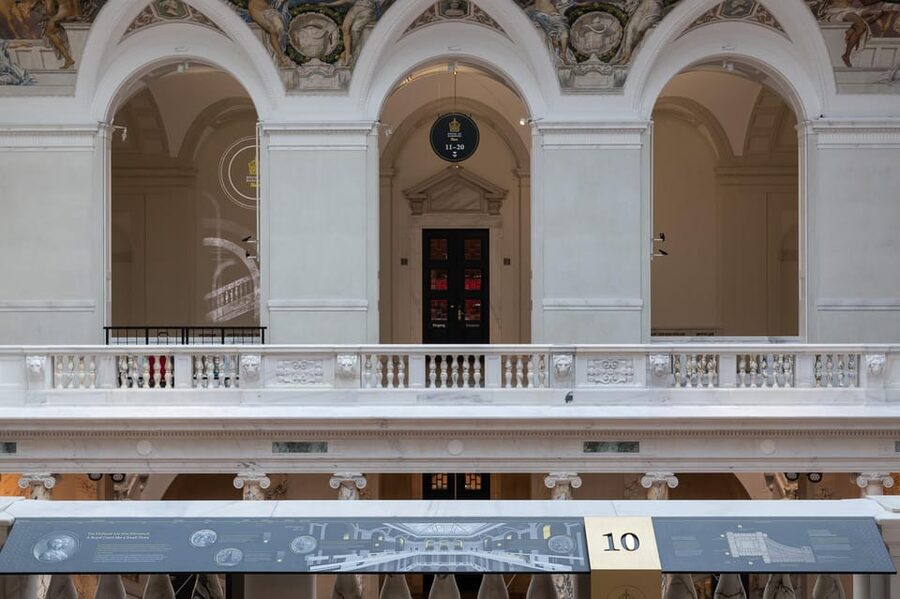
The New Hofburg is the newer wing of the Hofburg complex, facing Heldenplatz. Its former imperial setting gives the museum a grand arrival, but the real value is inside the collections.
The House of Habsburg tour follows the dynasty from the late Middle Ages into the modern era. It introduces the family’s early rulers, its expansion, its imperial image, and its eventual decline. The audio guide helps connect the objects to that larger story, which is especially useful if names such as Sisi, Joseph, and other Habsburg figures begin to blur together.
You should not expect a quick look around. The displays are extensive, and one visitor found it easy to spend more than three hours in the New Hofburg alone. If your schedule is tight, select the sections that interest you most instead of trying to give every case equal attention.
The palace collection is also more than a series of rooms about famous rulers. It shows how the Habsburg world was presented through military power, court culture, music, and ceremony. That combination helps explain why the dynasty remained such a force in European affairs for so long.
The audio guide is a real advantage here. You can stop when something catches your eye, skip material that feels too detailed, and return to a section without keeping pace with a group. Since there is no live guide, the experience depends on how actively you use the audio commentary.
The Imperial Armoury: armor on horseback
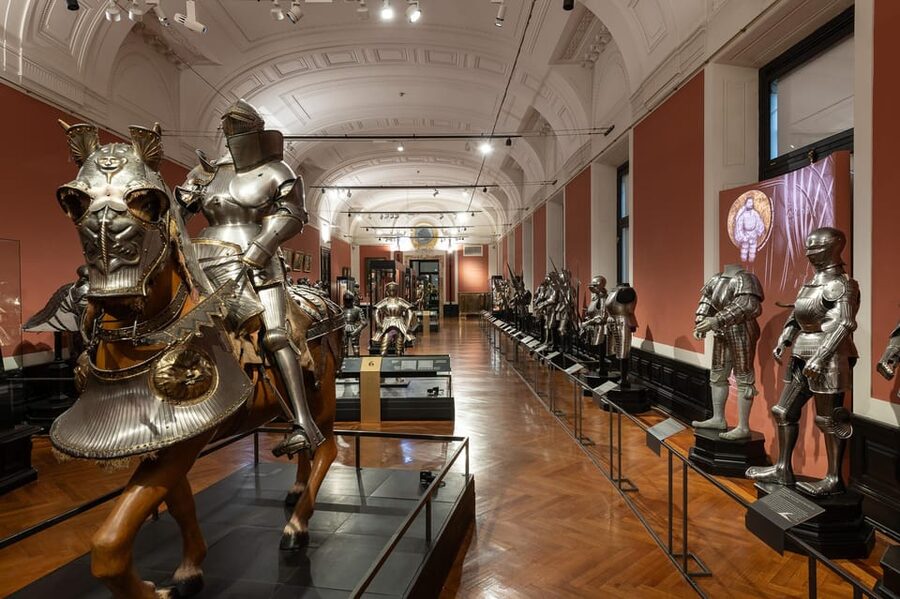
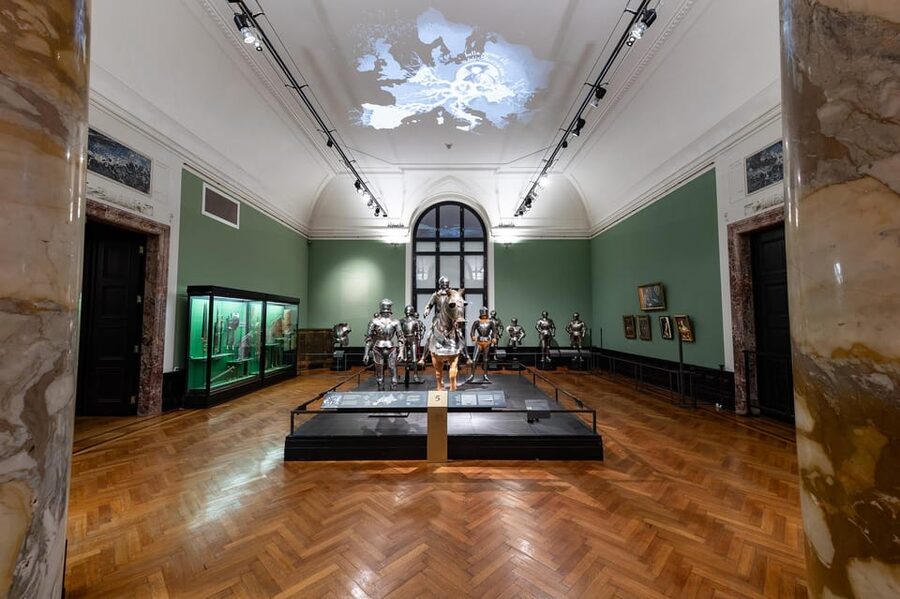
The Imperial Armoury is likely to be the strongest section for anyone who enjoys military history or physical objects. You will see suits of armor, weapons, and armor displayed on horseback.
That last detail changes the effect. A single helmet or breastplate can seem like an isolated object, but a mounted display gives you a clearer sense of the size and visual force of a fully equipped rider. The armor is not only decorative. It shows how rulers and nobles wanted military power to appear in public.
This collection also gives the New Hofburg a different character from the Treasury. The Treasury is about regalia, sacred objects, and dynastic ceremony. The Armoury is more direct and physical. It makes the Habsburg story feel connected to campaigns, status, protection, and the spectacle of court life.
You may find the room-heavy military display less appealing if your main goal is palace interiors or royal jewels. One particularly useful planning tip is to check the collection descriptions before you arrive. The New Hofburg covers several subjects, and the armor can take up a substantial part of your visit.
The collection suits older children and adults especially well, but the experience is not suitable for children under 14 according to the admission conditions. That restriction is important if you are planning a family day around the Hofburg.
A few more Vienna outings worth weighing up
- Vienna: Classic Ensemble Vienna in St. Peter’s Church Ticket
★ 4.7 · 4,819 reviews - Vienna Kunsthistorisches Museum Day Admission Ticket
★ 4.6 · 3,690 reviews - Vienna: Tickets for Mozarthaus Vienna with Audio Guide
★ 4.2 · 2,344 reviews - Vienna: Skip-the-Line Entrance Ticket to the Danube Tower
★ 4.5 · 2,303 reviews
Historic Musical Instruments and Mozart’s fortepiano
The Collection of Historic Musical Instruments adds a welcome change of pace after the armor. Here, the focus shifts from power on the battlefield to music at court and in private life.
The most memorable object for many people will be the fortepiano once played by Mozart. Seeing an instrument linked to a composer gives the collection a personal connection that a general display of old instruments may not have.
You will also see a wax bust made to show Joseph Haydn as he looked during his lifetime. That is a small but distinctive detail, especially if you are interested in how historical figures were represented before modern photography.
This section helps explain court culture in a way that crowns and armor cannot. Music was part of public ceremony, private entertainment, and the daily identity of European courts. The instruments put a human scale on a dynasty otherwise presented through enormous political symbols.
The collection may not hold your attention as long as the Armoury if you are mainly interested in military objects. Still, it is worth including in your route because it breaks up the visit and gives you a more personal view of the people behind the Habsburg image.
How to plan the two museum visits
You have two sensible ways to use this ticket. You can visit both museums on one long day, or split them across the 10-day validity period.
For one day, start with the section that matters most to you. If crowns, jewels, and sacred regalia are your priority, begin at the Imperial Treasury in the Schweizerhof. Then move to the New Hofburg for the audio-guided displays, armor, instruments, and Weltmuseum Wien.
If you are more interested in military history and palace culture, begin at the New Hofburg entrance on Heldenplatz. The museum can take several hours, and you will likely appreciate having the Treasury as a shorter, more focused second visit.
Splitting the visits is the better plan for most people. The New Hofburg is large enough to become tiring, while the Treasury asks you to stand close and study detailed objects. A second day lets you give each collection proper attention instead of rushing through the final rooms.
Be prepared for some confusion at the entrances. The ticket can require an exchange for paper admission, and the staff may not always make it immediately clear which areas are covered. Keep the names of the included museums handy and ask specifically for the Imperial Treasury, New Hofburg, Weltmuseum Wien, Imperial Armoury, and Collection of Historic Musical Instruments.
The Imperial Treasury can also be harder to spot than expected. It is in the Schweizerhof, and clear street-level signs may not always guide you directly. If you begin there, allow a few extra minutes to find the entrance.
Is $40 good value?
At $40 per person, this is not a bargain ticket for one quick museum. It becomes better value if you visit several included collections and take advantage of the 10-day validity.
The New Hofburg is the main value driver. You can spend three hours or more there if you listen to the audio guide and take your time with the armor, instruments, and Habsburg material. Add the Imperial Treasury, and the price becomes easier to justify for anyone with a strong interest in royal history, ceremonial objects, or European dynasties.
The value is weaker if you only want to see the famous crowns and plan to leave quickly. In that case, the Treasury alone may be enough, and the combo ticket could feel expensive.
I also recommend thinking of the ticket as access to different types of museum experience. You get glittering regalia in one place, military displays in another, historic instruments, palace context, and an audio-guided dynastic story. That variety is more useful than paying for one narrow exhibition, provided you have enough time in Vienna.
Who should book this experience?
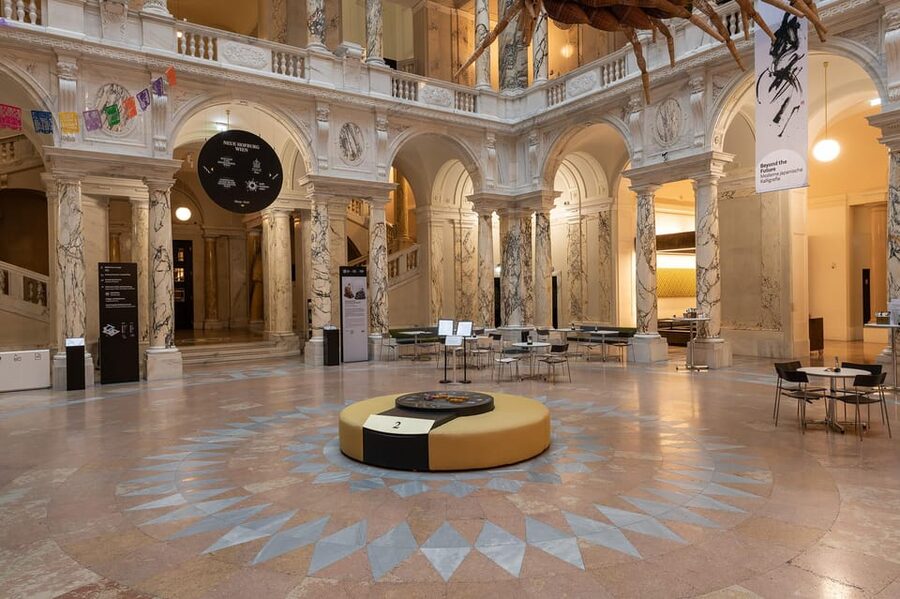
I would choose this combo if you like imperial history, royal collections, weapons, armor, or music. It also works well if you want to see several Hofburg collections without arranging separate admissions.
The ticket is especially suitable for independent visitors. You can use the audio guide when you want it, pause often, and spend extra time with objects that interest you. It is less suitable if you want a live guide to lead you through the palace and explain the context in person.
You should also book with a realistic time plan. The New Hofburg is not a quick add-on. The armor collection alone can take longer than expected, and the full museum can easily fill a large part of your day.
The under-14 restriction makes this a poor fit for families with younger children. Older teenagers may enjoy the armor and the connection to the 1993 Three Musketeers film, which was largely filmed at the Hofburg, but the ticket conditions still state that children under 14 are not suitable.
The museums are wheelchair accessible, which makes the combo practical for visitors who need step-free access. As always, confirm the route with staff when you arrive, particularly because the Hofburg complex has several entrances and collections.
Should you book the Imperial Treasury and New Hofburg combo?
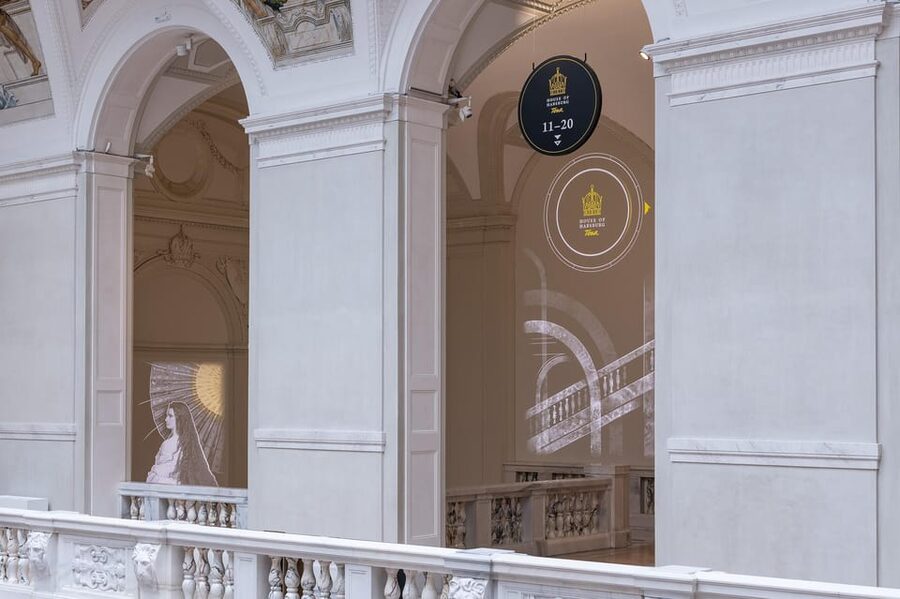
Book it if you want more than a quick palace photo stop. The Imperial Treasury gives you the crowns, jewels, and sacred imperial objects, while the New Hofburg supplies the armor, musical instruments, and audio-guided Habsburg story.
I would book it for a two-visit plan if possible. Use one visit for the Treasury and another for the New Hofburg and its collections. If you have only a few hours, prioritize the New Hofburg if armor and dynastic history appeal to you, or the Treasury if the Austrian Imperial Crown and jewels are your main goal.
At $40, the ticket asks for time as well as money. Give it that time, and the combination offers a strong look at how the Habsburgs presented power through crowns, relics, weapons, music, and ceremony. Go in expecting a self-guided museum visit, bring patience for the entrance arrangements, and you should get solid value from the pass.
FAQ
How much does the combo ticket cost?
The ticket costs $40 per person.
How long is the ticket valid?
The ticket is valid for 10 days from the time you first activate it.
What does the ticket include?
It includes entry to the Imperial Treasury, New Hofburg Palace, Weltmuseum Wien, the Collection of Historic Musical Instruments, and the Imperial Armoury.
Is an audio guide included?
Yes. The New Hofburg House of Habsburg tour includes an audio guide in German, English, Czech, Hungarian, Spanish, French, Korean, Chinese, and Japanese.
Is there a live tour guide?
No. This is a self-guided experience, and the live guide is not included.
Where can I start the visit?
You can start at the New Hofburg entrance at Weltmuseum Wien on Heldenplatz, or at the Imperial Treasury in the Schweizerhof.
Is the experience wheelchair accessible?
Yes, the activity is listed as wheelchair accessible.
Are children under 14 allowed?
The experience is not suitable for children under 14.
Just reviewed in Vienna
- World War II History Vienna Old Town Private Walking Tour★ 4.8 · 9 reviews
- Vienna: Wine Tasting E-Bike Tour★ 4.9 · 46 reviews
- Vienna: Winery and Wine Tasting Tour with a Wine Expert★ 5.0 · 5 reviews
- Vienna: Unforgettable Private City Tour★ 5.0 · 7 reviews
- Vienna Urban Art Tour: Explore a different side of Vienna!★ 3.8 · 14 reviews
- Vienna: Concert by the Vienna Baroque Orchestra★ 4.6 · 56 reviews
- Vienna: Sunday Brunch Danube Cruise & Live Music★ 4.2 · 42 reviews
- Vienna Supreme Orchestra at Palais Niederösterreich★ 4.8 · 10 reviews
Hofburg Palace and Sisi Museum Tickets, compared.

Skip-the-Line Sisi Museum, Hofburg and Gardens Tour
Read our review →
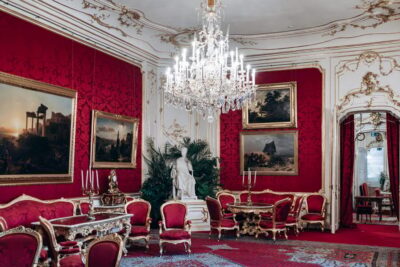
Skip-the-Line Hofburg and Empress Sisi Museum Tour
Read our review →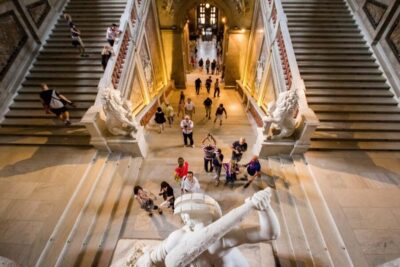
Combo Ticket: Kunsthistorisches Museum & Imperial Treasury
Read our review →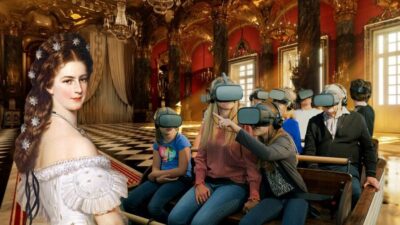
“Sisi’s Amazing Journey” Virtual Reality Experience
Read our review →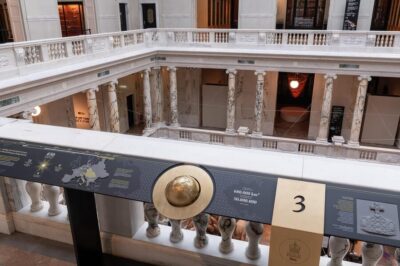
New Hofburg Palace Audio-Guided Tour & Entry Ticket
Read our review →
Skip-the-Line Sisi Museum, Hofburg and Gardens Tour Vienna
Read our review →Browse the lists this tour appears in