
Reviewed · HOFBURG PALACE AND SISI MUSEUM TICKETS
Kunsthistorisches Museum Vienna and Imperial Treasury of Vienna
Vienna’s grandest art museum and its most glittering collection of royal regalia come together on one ticket. At the Kunsthistorisches Museum, you get Bruegel, Rubens, Rembrandt, Raphael, Titian, Velázquez, Dürer, Egyptian antiquities, Roman pieces, and a building that can feel almost as impressive as the art.
I like two things here. First, the ticket covers both the museum and the Imperial Treasury, so you can connect Habsburg art with the crowns and ceremonial objects that made the dynasty’s power visible. Second, the Treasury lets you set your own pace, while the museum has plenty of seating when your eyes need a rest.
The catch is practical: this is not a true skip-the-line ticket, and the paper voucher may need to be exchanged at a special desk. The instructions have confused some visitors, so allow time for the voucher queue and check exactly where to start.
Key points to know before you go
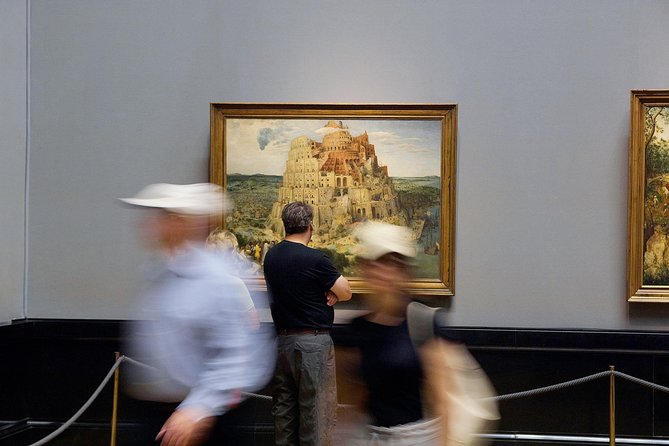
- The Bruegel collection is the art museum’s great prize: Pieter Bruegel the Elder’s works form one of the world’s most important groups of his paintings.
- The Imperial Treasury is a separate stop: It contains the Austrian imperial crown, German imperial crown, Holy Roman Empire insignia, robes, jewels, and a huge cut emerald.
- Plan far longer than three minutes: The stated duration is only 1 to 3 minutes, but the museum alone can take four hours, and the Treasury deserves about an hour.
- Exchange the voucher in the right line: Look for the desk marked Voucher or Group Priority, not the ordinary Ticket line.
- The ticket is independent rather than guided: Entrance fees are included, but no hotel transport, food, drinks, or named guide are listed.
- Use the flexible cancellation window: You can cancel for a full refund up to 24 hours before the scheduled start time.
Two museums that explain Vienna’s imperial power
This combination works because the two buildings tell different parts of the same story. The Kunsthistorisches Museum shows the collecting power of the Habsburg court through paintings, sculpture, antiquities, and decorative objects. The Imperial Treasury shows the symbols of that power: crowns, robes, jewels, and sacred regalia.
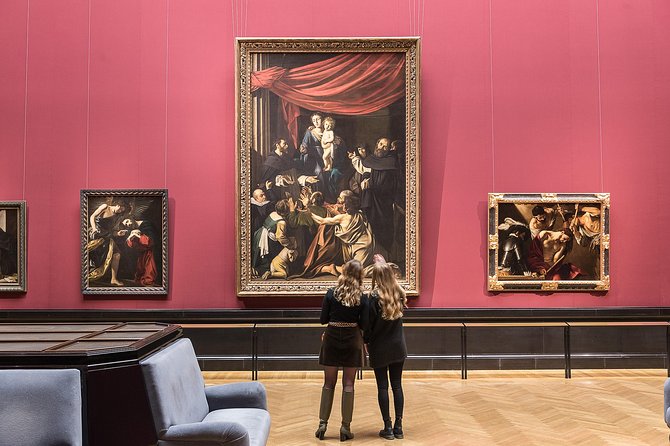
You can visit both on the same day, but do not treat this as a quick add-on between other sights. The art museum is large, and the Treasury is compact but dense with objects that deserve time. A half-day can work if you choose a few rooms. A full day is better if you want to see the museum at a calm pace.
The combined price is about $38.62 per person. That is sensible value if you intend to see both sites and spend several hours inside the Kunsthistorisches Museum. It is less compelling if you only have time for a quick look, especially since you may still need to exchange a paper voucher before entering.
Children under 19 enter free of charge, while adult pricing applies to other visitors. That makes the ticket more attractive for families, although the size of the main museum means younger children may need breaks. The café, coffee bar, benches, and seating in many galleries help.
More Hofburg and Sisi Museum tickets:
- Vienna: Skip-the-Line Sisi Museum, Hofburg and Gardens Tour
★ 4.8 · 5,918 reviews - Vienna: Imperial Treasury in the Hofburg Palace
★ 4.4 · 1,791 reviews - Vienna: Hofburg and Empress Sisi Museum Guided Tour
★ 4.7 · 1,460 reviews
Kunsthistorisches Museum: start with the building
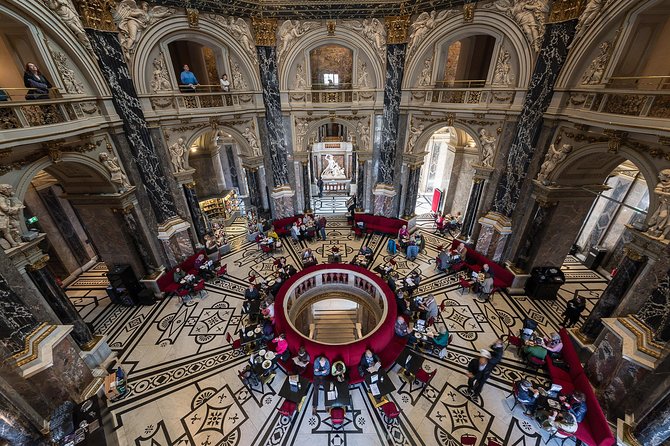
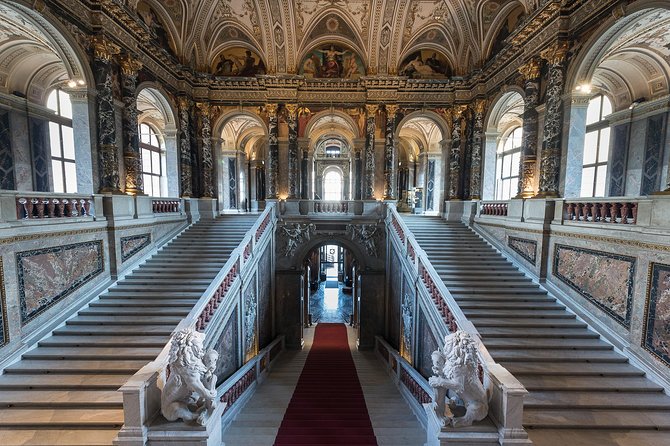
The Kunsthistorisches Museum is on Vienna’s Ringstrasse, close to public transportation and the city center. Give yourself a moment before rushing inside. The exterior is grand, but the interior is the real opening act, with an imperial scale that tells you this was built to house a ruling family’s collections.
Inside, you can move through several major areas:
- European painting
- Egyptian antiquities
- Greek and Roman antiquities
- Sculpture and decorative arts
- Kunstkammer Vienna
- The Neue Burg collections
The exact route depends on what is open and what interests you. You do not need to see every room to have a worthwhile visit, but the museum rewards a plan. If you walk in without one, the sheer number of objects can become tiring.
I would begin with the paintings, especially the Bruegel rooms, then choose either the Renaissance and Baroque galleries or the antiquities. Save the grand café for a proper pause rather than a rushed coffee. The patisserie and drinks have a strong reputation, but seating can be hard to find at busy times.
Bruegel, Rubens, and the great painting rooms
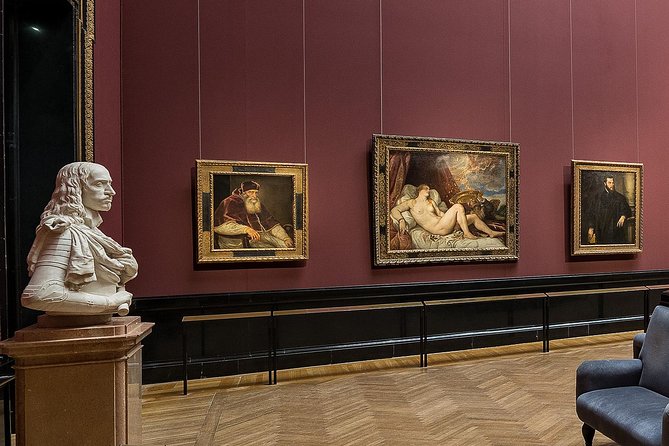
The museum’s strongest draw is its European painting collection. You can see major works associated with Rubens, Rembrandt, Raphael, Velázquez, Titian, and Dürer. These are not isolated examples tucked into a small gallery. They are part of a broad imperial collection that lets you compare different periods and styles in one place.
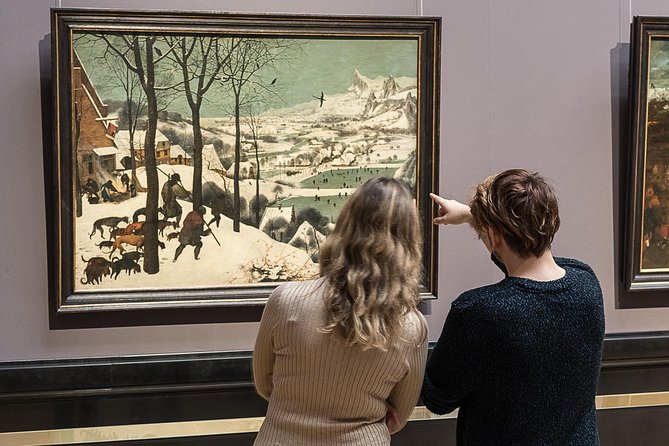
For many people, the essential stop is Pieter Bruegel the Elder. The museum holds the world’s most important collection of his paintings, making this one of the best places to study his work side by side. Bruegel’s scenes reward slow looking. The people, weather, work, and small human dramas often matter as much as the main subject.
The museum also has plenty of seating in the galleries. That detail matters more than it sounds. You can sit in front of a painting for several minutes instead of shuffling past it, and older visitors can break up the visit without leaving the building.
The scale can be overwhelming. One room may contain more major names than some smaller museums contain in their entire collection. I suggest choosing a short list before you enter, then allowing yourself to wander after you have seen those works.
Kunstkammer Vienna and the Neue Burg
Do not assume the museum is only about paintings. The Kunstkammer Vienna adds sculpture, precious objects, ivory work, and court treasures. Many pieces are small, detailed, and meant to be examined closely, a useful contrast to the large canvases in the picture galleries.
A particularly memorable part of the collection is the work in gold and ivory. These objects show how the Habsburg court used craftsmanship to display wealth and learning. If you enjoy ornaments, sculpture, and unusual historic objects more than formal portraiture, allow extra time here.
The Neue Burg section expands the visit beyond the main art galleries. The ticket includes access to these areas within the Kunsthistorisches Museum, though the visit can still feel like several museums in one building. You might find yourself choosing between depth and coverage. I prefer seeing fewer rooms well, especially after the first two hours.
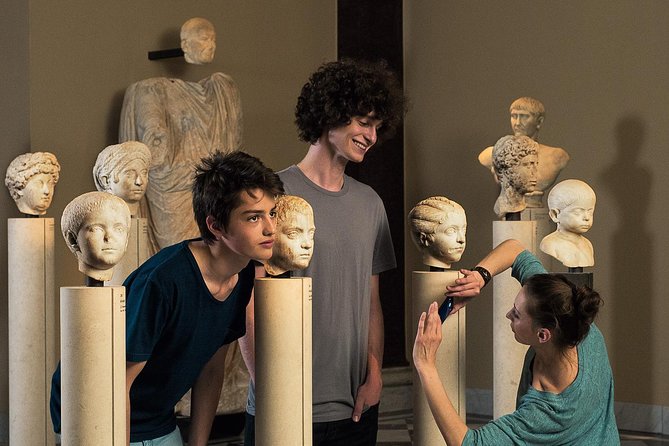
Egyptian, Greek, and Roman collections add another layer. You can look at the museum as a history of collecting itself, from ancient objects to Renaissance taste and later imperial acquisitions. If ancient history is your priority, go there early, before the painting rooms absorb all your time.
More art museum tickets in Vienna:
- Vienna Kunsthistorisches Museum Day Admission Ticket
★ 4.6 · 3,690 reviews - Tickets for the Albertina Exhibitions
★ 4.7 · 2,126 reviews - Combo Ticket: Kunsthistorisches Museum & Imperial Treasury
★ 4.7 · 785 reviews - Skip the Line: Kunsthistorisches Museum Vienna Entrance Ticket
★ 4.5 · 466 reviews
Imperial Treasury: crowns, robes, and dynastic symbols
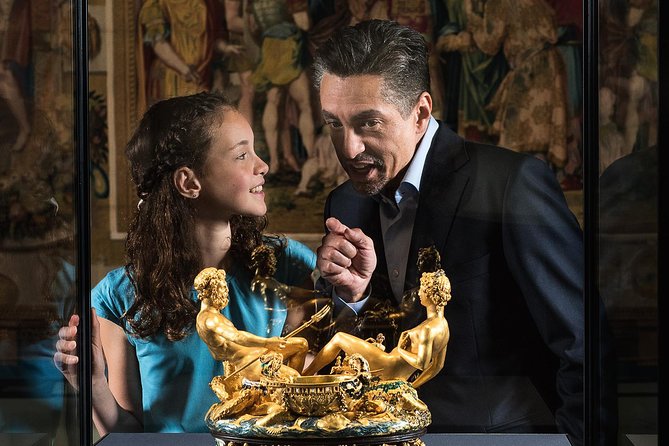
The Imperial Treasury of Vienna is a different kind of visit. It is smaller than the Kunsthistorisches Museum, but its objects are unusually direct. You are looking at the things used to represent imperial authority, religious legitimacy, and dynastic continuity.
The major pieces include:
- The Austrian imperial crown
- The German imperial crown
- Insignia of the Holy Roman Empire
- Ceremonial robes
- Royal regalia
- Jewels and precious objects
- The largest cut emerald in the world
The crowns are the main event, but do not hurry past the clothing and ceremonial pieces. Robes and insignia explain how an emperor appeared in public, while the crowns show the formal symbols of rule. Together, the objects make the political world of the Habsburgs easier to picture.
The Treasury can be hard to find if you are walking from the art museum. Look for the red and gold archway on the right before the Spanish Riding School when coming from the Kunsthistorisches Museum. That small navigation tip can save time in the Hofburg complex.
Because the Treasury is compact, about an hour can be enough for a focused visit. If you enjoy royal history, sacred objects, or ceremonial costume, you may want longer. The museum is best approached slowly, since the value is in the meaning and workmanship of individual objects rather than in the number of rooms.
The voucher line is the main practical snag
The most important advice concerns entry. This product uses a paper ticket or voucher arrangement, and several people have lost time by joining the ordinary ticket queue. Look for the desk or line marked Voucher or Group Priority.
You may still need to wait, but this should be the shorter line for exchanging the voucher. The voucher is not necessarily the final admission ticket, so do not assume you can walk straight to the standard entrance and be scanned in.
Once exchanged, the ticket should function as a joint ticket for both venues. You can begin at the Kunsthistorisches Museum or the Imperial Treasury, then use the same combined ticket at the other site. Keep it safe between visits.
There have also been cases in which printed or downloaded tickets were not accepted at the entrance and a new admission had to be purchased. That is a serious risk when you have a train or another timed plan. Bring the confirmation, the paper voucher, and any downloaded version, and give yourself a buffer before a departure. I would not schedule this visit immediately before a fixed train to Budapest.
How much time should you allow?
The supplied duration says 1 to 3 minutes, which clearly does not describe a meaningful museum visit. Treat the ticket as flexible admission, not as a short tour.
A realistic plan looks like this:
- One hour: A rushed look at the main highlights of one museum.
- Two to three hours: The main art galleries plus a focused visit to the Treasury.
- Four hours: A good first visit to the Kunsthistorisches Museum, followed by the Treasury if your energy holds.
- A full day: The best choice if you want paintings, antiquities, Kunstkammer Vienna, Neue Burg, café time, and a careful Treasury visit.
The art museum alone can fill four hours. The Treasury can work in one hour, though someone interested in Habsburg ceremonial objects may want more. Older visitors may prefer splitting the museums across different days, but the provided ticket information does not promise two-day validity, so confirm the current use rules before relying on that plan.
Wear comfortable shoes and carry water for the day. Food and drinks are not included, though the museum café offers a useful rest stop. You will want breaks because the grand rooms can make you feel energetic at first, then surprisingly tired.
Opening hours and choosing your start
The opening information varies by season, so check the current schedule before setting out. The Kunsthistorisches Museum is listed as open daily from June through August, generally 10 a.m. to 6 p.m., with Thursday hours until 9 p.m. From September through May, it is listed as open Tuesday through Sunday, 10 a.m. to 6 p.m., with Thursday again extending to 9 p.m.
The Imperial Treasury is listed as open daily except Tuesday, from 9 a.m. to 5:30 p.m. Another schedule gives Wednesday through Sunday, 10 a.m. to 5 p.m., for dates in 2026, so I would treat the published hours as something to verify for your exact date.
If you want the art museum at its freshest, start there in the morning. If the Treasury is your main goal, its earlier opening may let you visit before the larger museum. Either way, check both schedules first because the two sites do not share identical hours.
Thursday evening can be useful for the Kunsthistorisches Museum, but it will not automatically solve the Treasury timing. You still need to fit the second site into its own opening window.
Who will get the most from this ticket?
This suits you if you enjoy European painting, imperial history, ancient objects, or lavish decorative arts. It is also a good choice if you have only two days in Vienna and want two major cultural stops without buying separate admission.
Families can make it work, especially because children under 19 are free and the main museum has benches and a café. I would set a modest goal with younger children rather than promising every gallery.
It is less suitable if you want a guide to explain each room. This is an admission ticket, not a named guided tour, and the included features list only entrance fees. Some independent visits can be more satisfying because you decide how long to spend at each object, but you need to prepare a little beforehand.
It may also be a poor fit for a tight schedule. The voucher exchange can take time, and both museums deserve more than a quick pass. If you have only one free hour in Vienna, choose one site rather than trying to force both into the gap.
Should you book the Kunsthistorisches Museum and Imperial Treasury ticket?
Book it if you want both museums, can spare at least half a day, and are comfortable exploring without a guide. The strongest value comes from the pairing: world-class paintings and Bruegel at one stop, then crowns, robes, imperial insignia, and the great emerald at the other.
I would book with a clear plan and a generous time cushion. Go to the Voucher or Group Priority desk, not the ordinary ticket line. Keep your joint ticket for the second museum, check the hours for your date, and do not place a tight train departure after the visit.
Skip this option if you only want a fast museum entrance or if the voucher exchange feels like an unnecessary extra step. In that case, buying directly at the museum may be simpler. For anyone with time and an interest in Vienna’s art and imperial past, though, this combination gives you two of the city’s most substantial indoor sights for a reasonable adult price.
FAQ
What does the ticket include?
It includes entrance fees for the Kunsthistorisches Museum Vienna and the Imperial Treasury of Vienna.
Is a guide included?
No guide is listed as included. You visit the museums independently, although some visitors may arrange or encounter guided services separately.
How long does the visit take?
The stated duration is 1 to 3 minutes, but that does not reflect the time needed to see the museums. The Kunsthistorisches Museum can take several hours, and about an hour may be enough for a focused visit to the Treasury.
Can I use the same ticket at both museums?
Yes. The ticket should be a combined ticket that can be used at the Kunsthistorisches Museum and the Imperial Treasury.
Where should I go with the voucher?
Look for the museum desk or queue marked Voucher or Group Priority. Do not join the regular Ticket line if you need to exchange a voucher.
Are children charged the adult price?
Children under 19 are free of charge. Adult pricing applies to other travelers.
Is hotel pickup included?
No. Hotel pickup and drop-off are not included.
Are food and drinks included?
No. Food and drinks are not included, although the Kunsthistorisches Museum has a café and coffee bar.
Can I cancel for a refund?
Yes. You can cancel at least 24 hours before the scheduled start time for a full refund. Changes or cancellations made less than 24 hours before the start time are not accepted for a refund.
More museums and galleries in Vienna
- Sigmund Freud Museum Ticket
★ 4.6 · 1,668 reviews - Vienna: St. Stephen’s Cathedral & Dom Museum Wien Tickets
★ 4.5 · 1,652 reviews - Vienna: Skip-the-Line Hofburg and Empress Sisi Museum Tour
★ 4.8 · 801 reviews - Vienna: Tickets for Kunst Haus Wien: Museum Hundertwasser
★ 4.6 · 651 reviews
Just reviewed in Vienna
- World War II History Vienna Old Town Private Walking Tour★ 4.8 · 9 reviews
- Vienna: Wine Tasting E-Bike Tour★ 4.9 · 46 reviews
- Vienna: Winery and Wine Tasting Tour with a Wine Expert★ 5.0 · 5 reviews
- Vienna: Concert by the Vienna Baroque Orchestra★ 4.6 · 56 reviews
- Vienna: Unforgettable Private City Tour★ 5.0 · 7 reviews
- Vienna Urban Art Tour: Explore a different side of Vienna!★ 3.8 · 14 reviews
- Vienna: Sunday Brunch Danube Cruise & Live Music★ 4.2 · 42 reviews
- Vienna Supreme Orchestra at Palais Niederösterreich★ 4.8 · 10 reviews
Hofburg Palace and Sisi Museum Tickets, compared.

Skip-the-Line Sisi Museum, Hofburg and Gardens Tour
Read our review →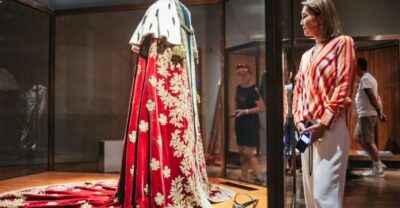
Skip-the-Line Hofburg and Empress Sisi Museum Tour
Read our review →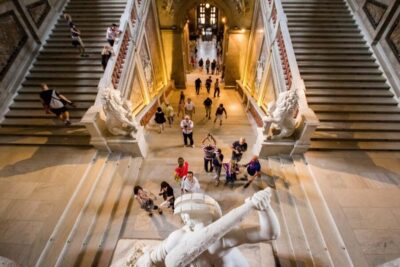
Combo Ticket: Kunsthistorisches Museum & Imperial Treasury
Read our review →
“Sisi’s Amazing Journey” Virtual Reality Experience
Read our review →
Imperial Treasury & New Hofburg Palace Combo Ticket
Read our review →
New Hofburg Palace Audio-Guided Tour & Entry Ticket
Read our review →Browse the lists this tour appears in