
Reviewed · WALKING TOURS
Wien: Tours with locals by public transport & walking
Vienna’s public transport is one of the best ways to see the city, but first you need to know how the system works. This small-group outing combines tram, bus, and subway practice with walks around major sights, from Hundertwasserhaus to the Ringstraße and Hofburg.
I like the personal format, with no more than 10 people, and the chance to choose a route that suits your interests. I also like that the guide explains Otto Wagner’s role in Vienna’s subway system and can connect his work with Hundertwasser’s more playful buildings. The main drawback is that the advertised sights cover far more ground than a 2 to 4 hour tour can reasonably include, so you’ll need to confirm exactly which route your chosen option follows.
Key points to know
- Practice Vienna’s transport system: Ride trams, buses, and the subway with a guide, then use the same network on your own.
- Choose your focus: Options can center on the Ringstraße, Hofburg, Schönbrunn, Belvedere, Otto Wagner, or Hundertwasser.
- See Hundertwasser’s Vienna: Visit Hundertwasserhaus and possibly follow his work from Spittelau to the colorful residential complex.
- Small groups help: The group is limited to 10 participants, with headsets provided so you can hear the guide.
- Plan for extra costs: Wiener Linien tickets, museum admission, food, and drinks are not included.
- Bring good shoes: This is a rain-or-shine walking and public transport tour.
Why this tour is really about learning Vienna’s rhythm
Many Vienna sightseeing tours keep you on a coach or follow a fixed route. This experience takes a more useful approach: you learn how to get around the city while seeing some of its best-known buildings.
That matters because Vienna’s tram, bus, and subway network can save you time and money during the rest of your stay. A guide shows you how the system is used in daily life, then helps you reach sights that are spread across different parts of the city. Afterward, you should feel more comfortable using public transport instead of relying on taxis or walking long distances.
The tour is offered in English or German, and the small group is limited to 10 people. Headsets are included, which is helpful when you are walking beside a busy street or standing on a platform. The guide comes from Guide from Vienna, RAXI Tours, and the route is adjusted around the interests of the group or selected from specific options.
You should pay close attention to the option you book. A route that focuses on the Ringstraße and Hofburg will feel very different from one centered on Schönbrunn or Hundertwasser. The full list of possible sights is ambitious, not a promise that every location will be visited in one outing.
More walking tours in Vienna:
- Vienna: Guided Walking Tour of City Center Highlights
★ 4.7 · 4,989 reviews - Vienna: Vienna Central Cemetery Guided Walking Tour
★ 4.8 · 3,307 reviews - Vienna: Guided Walking Tour of City Highlights & Hidden Gems
★ 4.9 · 2,180 reviews
Hundertwasserhaus and Vienna’s colorful side
Hundertwasserhaus is one of the most memorable stops available on this tour. Its uneven lines, bright colors, planted areas, and unusual surfaces offer a sharp contrast to Vienna’s grand imperial buildings.
The attraction here is not only the building itself. The tour can also connect Hundertwasserhaus with other projects, including the area around Spittelau. This gives you a chance to see how Hundertwasser’s ideas extended beyond one famous apartment complex and touched on early ecological concepts in Europe.
The published itinerary allows about 45 minutes at Hundertwasserhaus, including a guided visit and sightseeing. That is enough time to look closely, take photographs, and hear an explanation, though it is not a full architectural study.
I like this stop for first-time visitors because it breaks up the familiar palace-and-church circuit. Vienna can sometimes feel formally grand, with one stately façade after another. Hundertwasser’s work adds a more eccentric and modern note.
Keep in mind that this is an exterior-focused stop unless your chosen arrangement includes a museum or another indoor visit. Museum tickets are not included, and the tour does not promise a virtual museum visit or detailed explanations inside every museum.
Otto Wagner, the subway planner
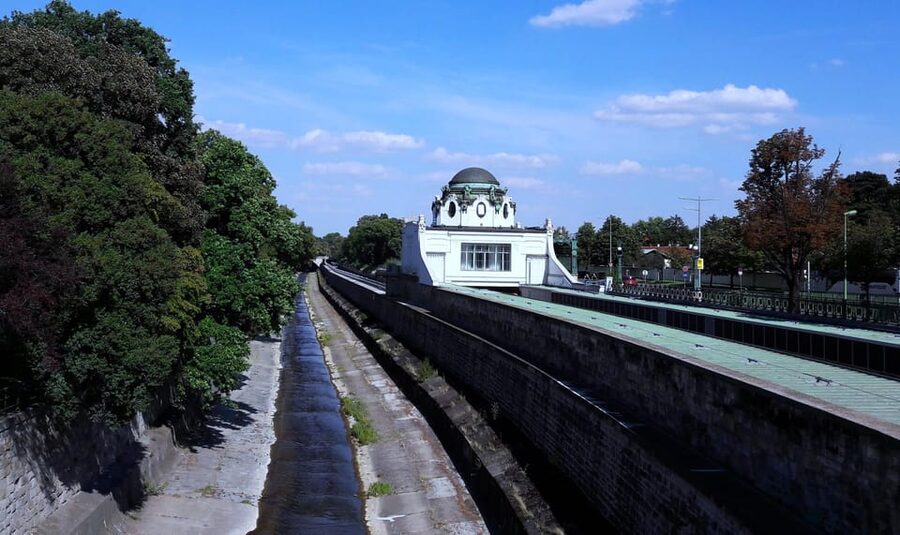
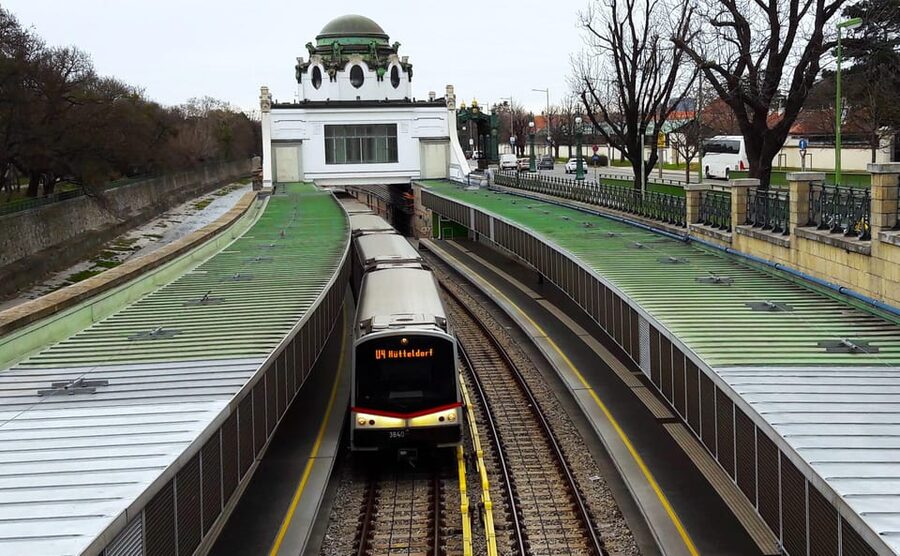
Otto Wagner gives the tour an architectural thread that ties public transport to the city itself. He was closely connected with the planning and design of Vienna’s subway system, and his work can be appreciated through stations, pavilions, and other buildings.
The tour may include the Otto Wagner Pavilions, as well as the Otto Wagner Hof Pavilion behind Schönbrunn. That second site is particularly useful for people who want to see something less obvious than the city’s headline attractions.
This is one of the tour’s strongest ideas. You are not simply riding a subway to reach the next sight. You are learning how transport helped shape Vienna and how design can make a practical structure worth looking at.
The amount of detail will depend on the guide and the route. The activity information specifically notes that detailed historical explanations are not included, so you should expect a guided introduction rather than a specialist architecture lecture. If you want a very technical account of Wagner’s work, this may feel light. If you want a clear connection between transport, city planning, and architecture, it should suit you well.
Ringstraße and Hofburg in one walking route
A Ringstraße option offers a broad look at Vienna’s monumental center. You can get off the tram and walk around notable buildings and lesser-known corners rather than simply viewing them through a window.
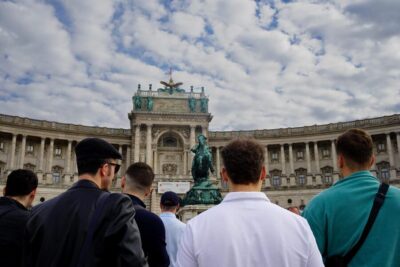
The Hofburg Palace is listed as a possible 45-minute guided stop. This is a good choice if you are visiting Vienna for the first time and want an introduction to the former imperial center without committing to every museum collection.
The Hofburg area is large, and the tour’s short duration means you will not cover every courtyard, wing, or interior. Museum admission is not included, and the focus may remain on the surrounding streets and buildings. That can be an advantage if you want orientation before deciding which palace rooms or collections deserve your paid entry later.
The Ringstraße portion works best for people who enjoy learning how a city fits together. You can move between public buildings, gardens, and palace surroundings while learning how to use the tram as part of the route. It is less suited to someone who wants a long, uninterrupted museum visit.
A different sort of day out in Vienna:
- Vienna: Vivaldi’s Four Seasons Concert in Karlskirche
★ 4.7 · 14,951 reviews - Vienna: Skip-the-cashier-desk-line Giant Ferris Wheel Ride
★ 4.5 · 7,859 reviews - Vienna: Schönbrunn Palace & Gardens Skip-the-Line Tour
★ 4.7 · 7,739 reviews - Vienna: Light of Creation Votive Church Immersive Light Show
★ 4.8 · 6,779 reviews
Belvedere and Schönbrunn require careful planning
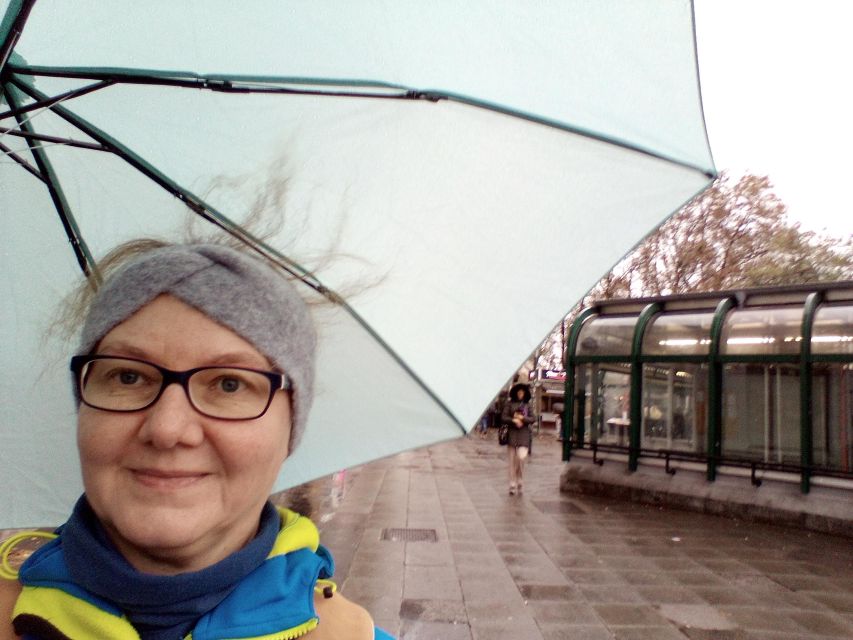
Belvedere Palace and Schönbrunn Palace are both possible destinations, but fitting either one into a short tour requires realistic expectations.
At Belvedere, the guide can take you through the gardens and help you reach the palace by public transport. The gardens are a strong match for this kind of outing because you can walk, look at the architecture, and understand the setting without needing a long museum visit.
Tickets for the Upper and Lower Belvedere museums are not included. If you want to go inside, you must arrange admission separately. That extra cost can be worthwhile if you want the museum collections, but you should not assume the $56 tour price covers palace entry.
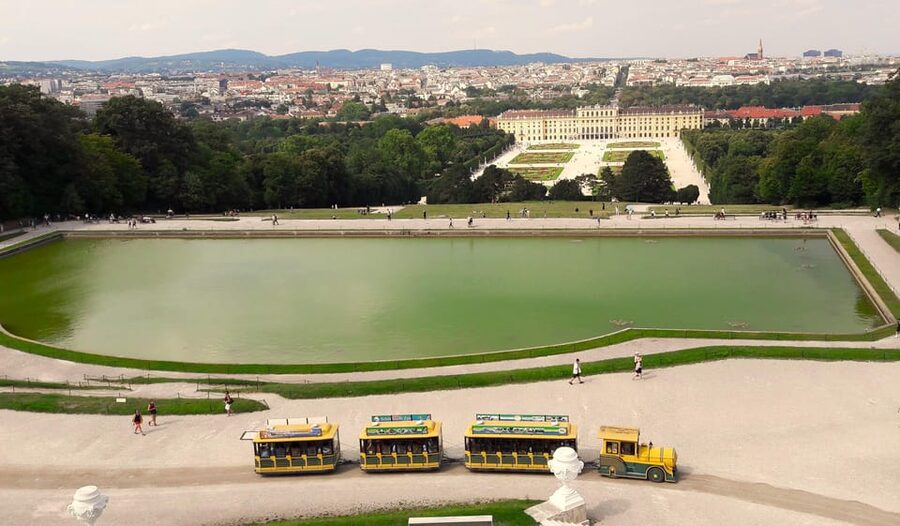
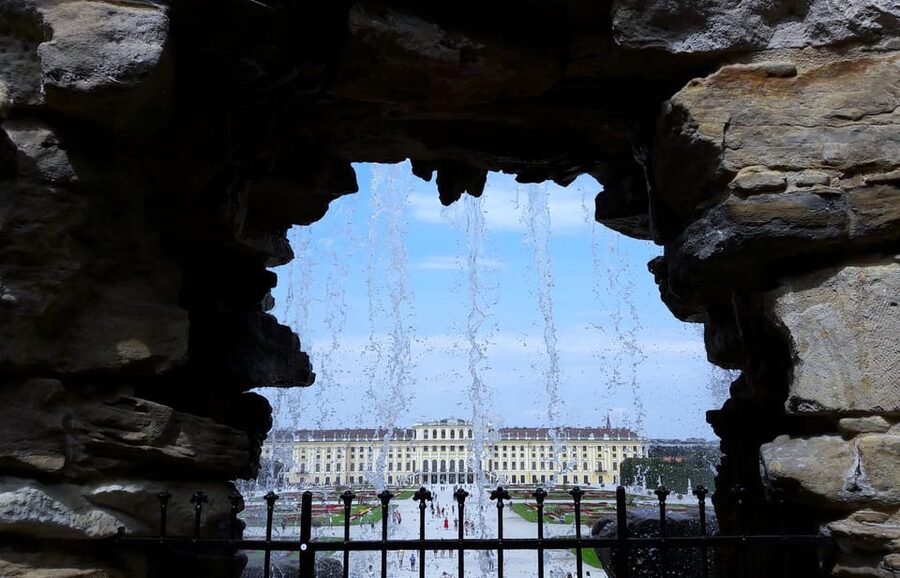
Schönbrunn offers another possible route. The experience can include public transport to the palace, a guided walk through the gardens, and access to lesser-known Otto Wagner sites nearby, such as the Hof Pavilion behind Schönbrunn.
The garden walk is a practical choice for a short visit. Schönbrunn’s interior requires more time and separate admission, while the grounds allow you to see the palace setting within the limits of a 2 to 4 hour outing. If your main goal is the palace rooms, check the option details carefully before booking.
The itinerary also lists Hundertwasserhaus, Hofburg, Belvedere, and Schönbrunn in one sequence. Treat that as a picture of possible stops, not a guaranteed single-day route. The distances and transport connections make it far more likely that your selected version concentrates on a smaller group of sights.
What the public transport lessons are worth
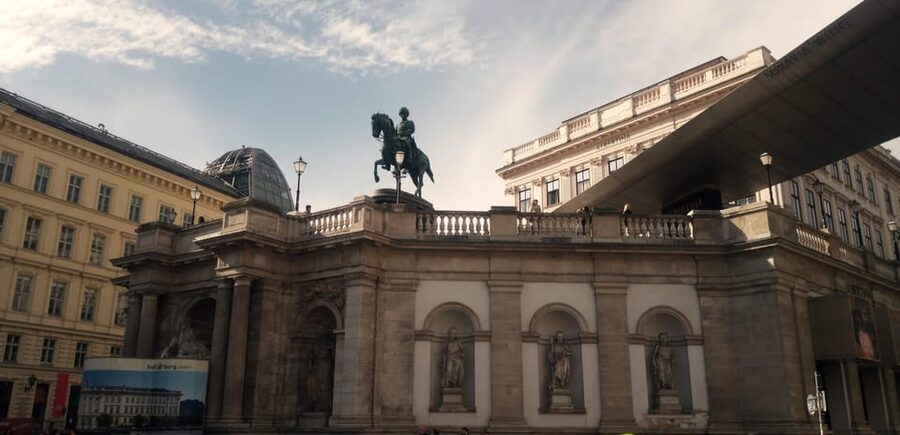
The practical transport training may be the most valuable part of the experience. You will use the same network that residents use every day, including trams, buses, and the subway.
A guide can show you how to move between central Vienna and outlying sights without making the process feel like a puzzle. That is especially useful at the start of a longer visit. Once you understand the system, you can reach palaces, neighborhoods, and museums on your own.
The tour also includes a 15-minute safety briefing near the start. This is a useful moment to ask questions about the route and clarify what you will see. Since Wiener Linien tickets are not included, you need to buy your own public transport ticket before or during the tour according to the instructions you receive.
The cost of those tickets is separate, but that is not necessarily a weakness. You will need transport tickets for the rest of your stay anyway, and the tour gives you a practical first lesson in using them.
One Canadian participant described the benefit clearly: after taking the tour early in a Vienna visit, it felt easier to use trams rather than lose time walking everywhere. That is the right way to judge this experience. It is less about checking off every major sight and more about becoming mobile in the city.
Timing, walking, and group size
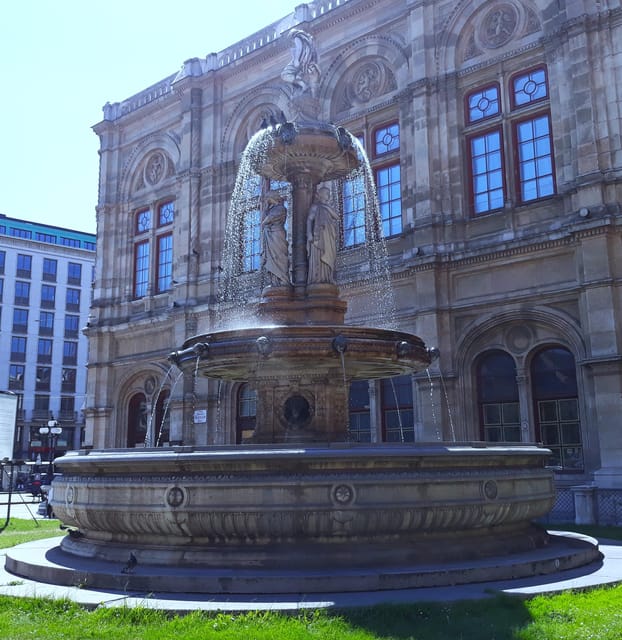
The official duration is 2 to 4 hours. That wide range reflects the flexible format and the different options. A short route might focus on one part of central Vienna, while a longer version could include more transport connections and a broader walk.
The itinerary lists many individual travel and sightseeing segments, including tram rides of 15 and 20 minutes, public transport journeys of 25 to 30 minutes, and guided walks of 45 to 60 minutes. Those times show why the route must be tailored. You cannot comfortably spend an hour at Schönbrunn, an hour at Belvedere, 45 minutes at Hundertwasserhaus, and 45 minutes at Hofburg, then add all the transport in a standard 2-hour booking.
Wear comfortable shoes. You will walk between stops, stand on public transport, and explore outdoor sites. The activity runs rain or shine, so a waterproof layer is sensible if the forecast looks uncertain.
The group limit of 10 is a plus. It gives the guide a better chance to answer questions and adjust the pace than a large coach tour would. The headsets should also help you follow explanations when the group is moving through busy areas.
In rare cases, the tour may be conducted in two languages if the booking is made at short notice or other participants have already booked. The available information does not show which languages are already reserved, so email [email protected] if language arrangements matter to you.
Is $56 a fair price?
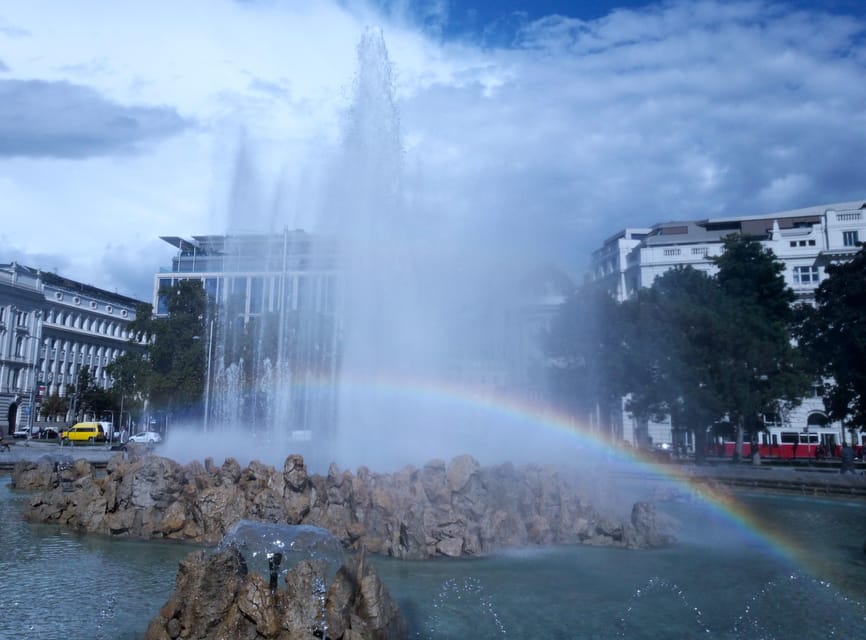
At $56 per person, the value depends on what you want from the outing. You are not paying only for sightseeing. You are paying for a private-feeling small group, route planning, local transport instruction, and guided walks at selected sights.
The price is easier to justify if you are new to Vienna and expect to use public transport for several days. One successful lesson can prevent wasted time, uncertain transfers, and unnecessary taxi rides.
It is less attractive if you already know Vienna’s transport network or only want entry to palace museums. Public transport tickets, food, drinks, and museum admission are all extra. You should add those costs before comparing this experience with a standard walking tour or a palace ticket.
I would see the tour as an orientation service with sightseeing included. That makes it especially useful on your first or second day in Vienna. It is not the best pick for a traveler who wants a long, detailed museum tour or a fixed checklist of every major attraction.
Who should book this Vienna experience?
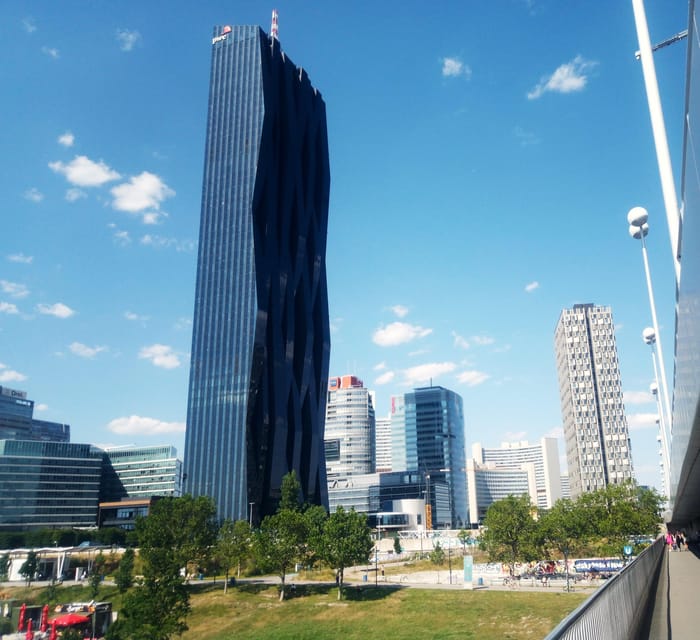
I would recommend it to you if you want to:
- Learn Vienna’s transport system with help at the start of your visit
- Combine sightseeing with real movement around the city
- See architecture by Otto Wagner and Hundertwasser
- Choose between central Vienna, Schönbrunn, Belvedere, or a Ringstraße route
- Ask questions in a small group rather than follow a large tour
- Spend two to four hours outdoors, walking and riding public transport
You may want a different experience if you need guaranteed entry to several museums, detailed academic history, or a single fixed itinerary. The activity explicitly excludes museum tickets and detailed historical explanations, so confirm your priorities before paying.
Should you book it?
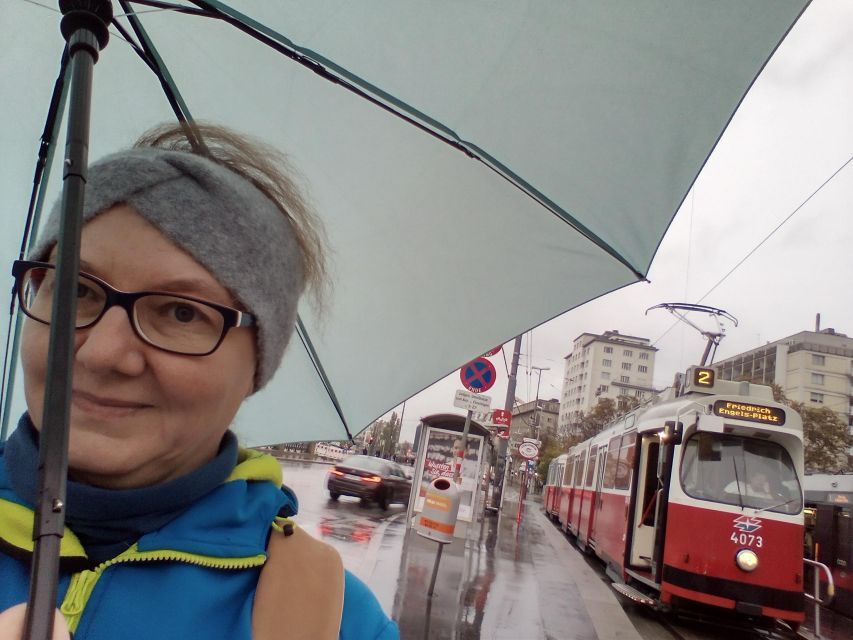
Book this tour if your main goal is to feel comfortable getting around Vienna while seeing a useful selection of architectural and historic sights. The strongest features are the personal route, the small group, and the practical use of trams, buses, and the subway.
Choose your option carefully and ask which stops are included. If you want Hundertwasser, Otto Wagner, Belvedere, Schönbrunn, or the Hofburg, do not assume one short tour includes them all. For a first visit, I would favor a route that combines the area you most want to see with a clear public transport lesson. That is where the $56 price makes the most sense.
FAQ
How long does the Vienna public transport tour last?
The tour lasts between 2 and 4 hours, depending on the option and route selected.
Which languages are available?
The live guide is available in English or German.
How large is the group?
The group is limited to 10 participants.
Are public transport tickets included?
No. Tickets for Wiener Linien public transport are not included in the tour price.
Are Belvedere museum tickets included?
No. Tickets for the Upper and Lower Belvedere museums are separate.
Can I visit Schönbrunn Palace?
Schönbrunn is available as one possible route or stop. The experience can include a guided garden walk, but palace admission is not included.
Can I visit the Hofburg Palace?
The Hofburg is one of the possible guided stops. The itinerary includes sightseeing and walking around the palace area, while museum tickets are separate.
Is Hundertwasserhaus included?
Hundertwasserhaus is one of the listed sightseeing stops, with about 45 minutes allocated in the sample route. The exact route depends on the option booked.
What should I bring?
Bring comfortable shoes. The tour takes place rain or shine, so suitable clothing for the weather is also sensible.
Can I cancel the booking?
You can cancel up to 24 hours in advance for a full refund. The activity also offers reserve now and pay later booking.
Just reviewed in Vienna
- World War II History Vienna Old Town Private Walking Tour★ 4.8 · 9 reviews
- Vienna: Wine Tasting E-Bike Tour★ 4.9 · 46 reviews
- Vienna: Winery and Wine Tasting Tour with a Wine Expert★ 5.0 · 5 reviews
- Vienna: Unforgettable Private City Tour★ 5.0 · 7 reviews
- Vienna Urban Art Tour: Explore a different side of Vienna!★ 3.8 · 14 reviews
- Vienna: Concert by the Vienna Baroque Orchestra★ 4.6 · 56 reviews
- Vienna: Sunday Brunch Danube Cruise & Live Music★ 4.2 · 42 reviews
- Vienna Supreme Orchestra at Palais Niederösterreich★ 4.8 · 10 reviews
Walking Tours, compared.
Guided Walking Tour of City Highlights & Hidden Gems
Read our review →
Vienna Historic Center Small Group Walking Tour
Read our review →
Browse the lists this tour appears in