
Reviewed · WALKING TOURS
Vienna Secrets Walking Tour to Backyards and Mysterious Locations
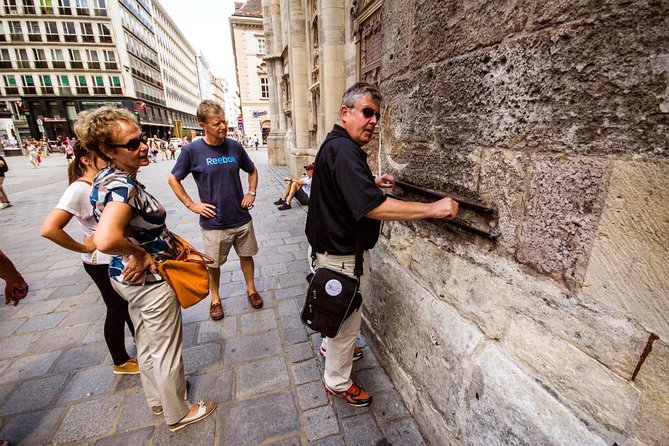
Vienna’s grand sights are easy to find. The real fun begins when you slip through an unassuming passage and find a quiet courtyard, a curious street name, or a place most visitors walk past. This two-hour walking tour focuses on those small discoveries around Stephansplatz, including Ballgasse, the Franciscan Church, and the old homes of Vienna’s wealthy residents.
I like the efficient route and the chance to see Vienna from street level, without spending half a day on a formal museum visit. I also like the practical local touch: guide Herbert Stojaspal and his team explain the city while pointing out places you could easily miss, including a curious underground feature near a metro stop and the story behind the name Ballgasse.
The main drawback is the short format. You will see several intriguing places, but most are viewed from the outside or as brief stops rather than extended visits. The walk also suits people with moderate fitness better than anyone who needs frequent rests.
Key points to know before booking
- Start at Stephansplatz: Meet at the Lindt Chocolate Boutique, Stephansplatz 8A, at noon.
- Look beyond the main streets: The route includes courtyards, alleys, Ballgasse, the Franciscan Church, and lesser-known city details.
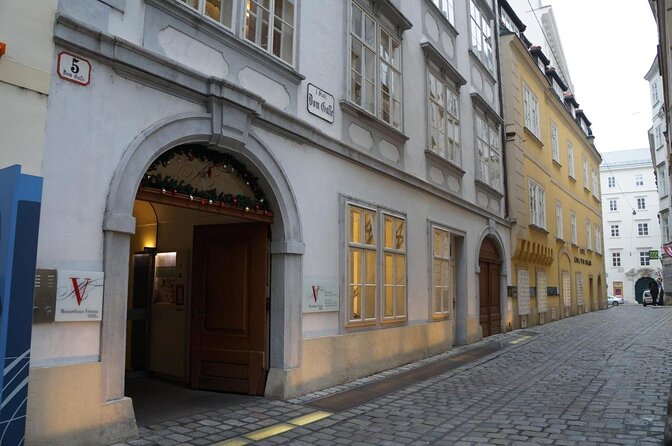
- Mozart is part of the story: You will hear about his most exclusive Vienna residence and how he became wealthy.
- Small-group feel: The maximum is 15 people, a useful size for questions and narrow urban spaces.
- English-language guidance: Herbert Stojaspal or another local certified guide leads the walk in English.
- Good first-day choice: The route helps you get your bearings before exploring Vienna on your own.
Why this walk works for a first look at Vienna
The tour begins in Stephansplatz, the city center’s natural meeting point. You are close to St. Stephen’s Cathedral, major shopping streets, and several metro lines, so the starting area is simple to reach. From there, the guide takes you into the surrounding streets on foot rather than keeping you on the main sightseeing route.
I like this approach because Vienna can seem polished and formal at first. Grand churches, imperial buildings, and broad avenues tell only part of the story. Small courtyards and narrow lanes show how people lived behind those handsome facades, how buildings were divided, and how ordinary movement through the city shaped its identity.
The route is also useful if you have just arrived. Two hours is long enough to learn the basic shape of central Vienna, but short enough to leave room for a museum, coffee, or a concert later in the day. One practical benefit is that you can mark places you want to return to after the walk. Food and restaurant suggestions may also help you plan the rest of your stay.
The tour is not built around long lectures. Its value comes from linking small sights to clear stories. A street name becomes a clue. A palace facade suggests the power of a noble family. A quiet courtyard reveals how much of Vienna sits behind the front door.
More walking tours in Vienna:
- Vienna: Guided Walking Tour of City Center Highlights
★ 4.7 · 4,989 reviews - Vienna: Vienna Central Cemetery Guided Walking Tour
★ 4.8 · 3,307 reviews - Vienna: Guided Walking Tour of City Highlights & Hidden Gems
★ 4.9 · 2,180 reviews
Ballgasse and the story behind a curious street name
One of the more unusual stops is Ballgasse. The guide explains why this narrow lane is called Ball alley, a detail that gives the street more character than its attractive buildings alone might provide.
This is the kind of stop that makes a walking tour worthwhile. You may pass a street several times without asking where its name came from. Once you know the story, the place becomes easier to remember, and you start looking at other Viennese street names with more interest.
Ballgasse also offers a good change of pace from the large squares and major monuments. It is picturesque, but the point is not simply to take a photograph. You are using the lane as a way to understand older Vienna, where work, residence, religion, and entertainment often occupied the same compact part of town.
The tour does not promise a private event or an elaborate performance at each stop. Instead, expect a guide-led explanation while you walk. If you enjoy small historical clues more than long time inside one attraction, this section should suit you well.
Courtyards, palaces, and the life behind Vienna’s facades
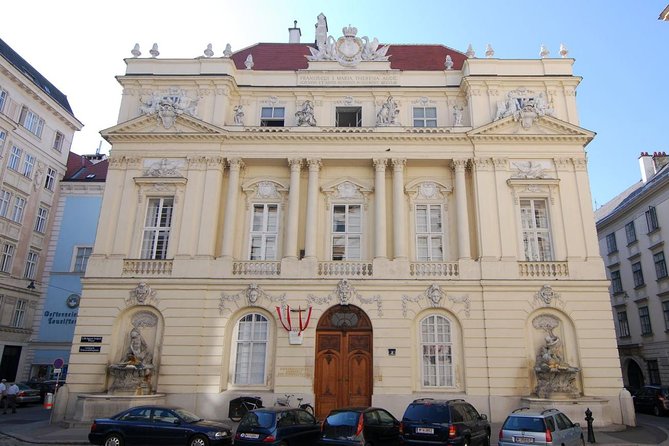
A key part of the walk is learning how Vienna’s nobility once lived. The route passes through beautiful courtyards and includes the Neupauer-Breuner Palace. These spaces help you see the difference between a building’s public face and its private world.
From the street, a palace can look like one more elegant facade in a city full of them. A courtyard gives you another view. It can show the scale of the complex, the way buildings were arranged, and how access worked for residents, staff, and visitors.
I like this focus because it avoids treating Vienna as a line of famous monuments. The city’s architecture makes more sense when you think about who lived there and how the buildings functioned. A noble residence was not only a grand address. It was also a working household with layers of access and status.
The courtyards may be among the most memorable parts of the tour precisely because they are easy to overlook. You will not get the same experience from a sightseeing bus. At the same time, access can depend on what is open at the time of the visit, so you should book this for the guide’s stories and route rather than expect a full palace tour.
Mozart’s expensive address and his wealthy years
Mozart’s Vienna is another central theme. You will see his most exclusive residence and hear why he was a millionaire. That detail challenges the familiar image of Mozart as only a struggling musical genius.
The stop adds social context to his career. Where a famous person lived can tell you about income, status, and ambition. A prestigious address places Mozart within the city he knew, rather than leaving him as a name attached to a concert program.
This is not described as a long interior visit, so keep your expectations practical. You are likely to receive the story as part of the walking route, along with the location and its place in Vienna’s past. For a music lover, that can be enough to give a later concert or museum visit more meaning.
I also like that Mozart’s story fits the tour’s larger theme. The walk is not only about secret corners. It is about reading the city through people, addresses, buildings, and everyday details. His residence becomes one more clue to how central Vienna worked.
A different sort of day out in Vienna:
- Vienna: Vivaldi’s Four Seasons Concert in Karlskirche
★ 4.7 · 14,951 reviews - Vienna: Skip-the-cashier-desk-line Giant Ferris Wheel Ride
★ 4.5 · 7,859 reviews - Vienna: Schönbrunn Palace & Gardens Skip-the-Line Tour
★ 4.7 · 7,739 reviews - Vienna: Light of Creation Votive Church Immersive Light Show
★ 4.8 · 6,779 reviews
The Franciscan Church and Ballgasse’s quieter side
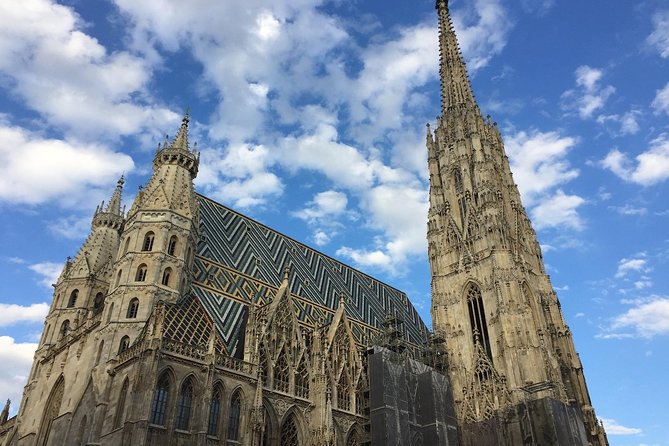
The Franciscan Church provides one of the route’s religious and architectural highlights. You will see its facade while passing through Ballgasse and hear about its place in the area.
The church is a useful contrast to the grand scale of St. Stephen’s Cathedral. Vienna’s center has several religious buildings, but they do not all serve the same visual or historical role. A short stop here lets you compare the Franciscan Church with the larger landmarks you may already have seen.
The tour appears to emphasize the outside and the surrounding setting rather than promising a full church visit. That matters if you are looking for extended time inside religious buildings. If you mainly want orientation, context, and a chance to notice details you might otherwise miss, the stop fits the tour well.
Nearby, the route also points out Vienna’s cat café. It is a light, modern detail amid older facades and church architecture. I appreciate that mix. A good city walk should connect the old city with the place you are visiting now, not pretend Vienna stopped centuries ago.
The metro clue and other details you might miss
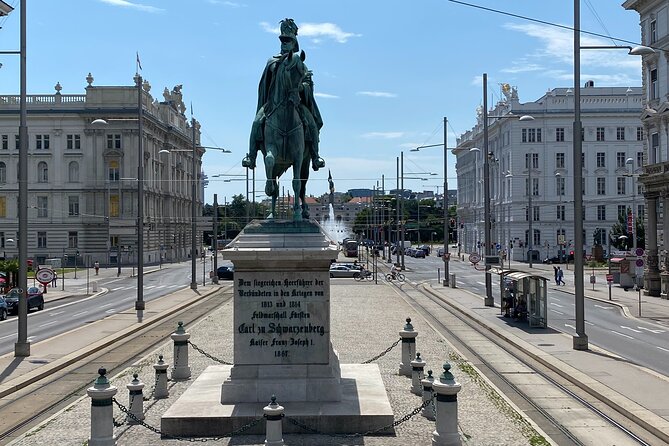
The guide also points out a little-known underground feature near the metro stop by St. Peter’s Church. The exact surprise is best left for the walk, but the detail tells you what kind of experience this is: not a standard procession from one famous monument to another.
You will need to pay attention. Some discoveries may be small, tucked into a passage, or easy to miss if you are focused only on the main street. The guide’s value comes from directing your eyes and explaining why a seemingly ordinary spot matters.
This is especially useful for repeat visitors. If you have already seen the cathedral, palace exteriors, and main shopping streets, the walk can give you a different way into the center. It also works for first-time visitors who want a quick overview before choosing which museums and buildings deserve more of their time.
The walk does not replace Vienna’s major paid attractions. It works beside them. Think of it as a guided introduction to the city’s less obvious details, followed by independent visits if a particular building or story catches your interest.
Herbert Stojaspal and the guide-led experience
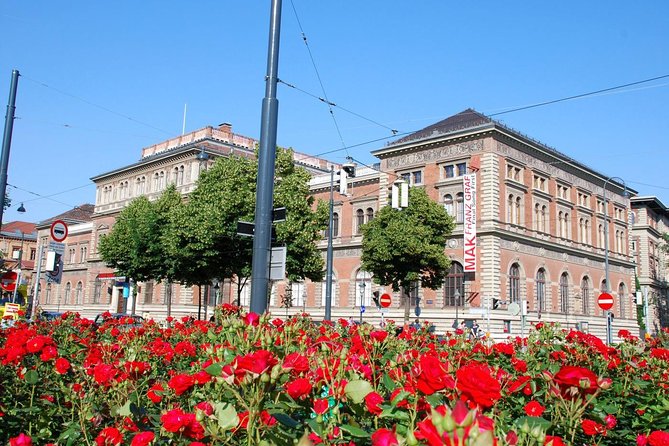
The experience is operated by Viennatour, associated with Herbert Stojaspal. Herbert leads some tours himself, and Dorothea is also named as a guide on the English walk. The guide is a professional local and certified tourist guide.
The strongest praise centers on the guiding. The walk is described as friendly, informative, and easy to follow, including for people who do not speak English as their first language. That matters on a history tour, where a heavy accent or rushed delivery can make small details hard to catch.
The maximum group size is 15. That is not a private tour, but it is small enough for the guide to manage questions and keep the group together in narrow lanes and courtyards. It should also feel more personal than a large coach excursion.
A useful sign of the guide’s practical approach is the restaurant advice connected with the walk. If you are staying in Vienna for several days, you can ask for suggestions and use the tour as a starting point for your own plans. The guide’s local perspective is likely to be most valuable when you ask about places you can revisit independently.
Is $36.04 a fair price?
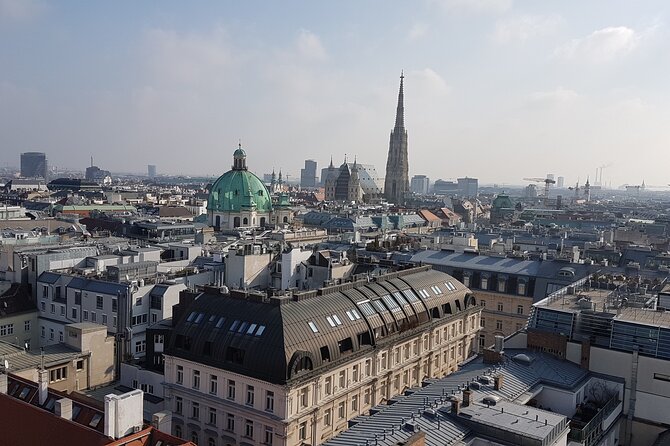
At $36.04 per person, the price is reasonable if you want a compact introduction to central Vienna led by a local guide. You are paying for about two hours of commentary, route planning, and access to details that are difficult to find without preparation.
The value is strongest for a first visit or a short stay. A self-guided walk costs less, but you would need to research the courtyards, street names, Mozart residence, church, and underground feature yourself. You might also walk past several of them without realizing what you are seeing.
The price is less compelling if you already know central Vienna well or prefer to spend two hours inside one major attraction. This tour gives you breadth rather than a long, detailed look at a single site. You should also remember that transport, hotel pickup, and drop-off are not included.
Group discounts may be available, which can help if you are booking for several people. With a listed maximum of 15, the format offers a useful balance between cost and personal attention.
Timing, meeting point, and walking demands
The meeting point is the Lindt Chocolate Boutique at Stephansplatz 8A. The start time is 12:00 pm, so plan to arrive a little early and confirm that you are at the correct shop entrance rather than simply waiting somewhere in the square.
The tour ends at Dr.-Karl-Lueger-Platz 3, near the U3 subway station. Ending at a transport connection is practical. You can continue sightseeing, return to your hotel, or use the metro for another part of Vienna without arranging a separate transfer.
There is no hotel pickup. You make your own way to Stephansplatz and from the ending point. The route is near public transportation, but transportation to and from the attraction is not part of the booking.
Expect continuous walking through city streets and courtyards. A moderate level of physical fitness is recommended. The tour is not recommended for children aged 13 and under, so families with younger children should choose an activity designed for them.
The noon start has a practical advantage. You can visit a morning attraction first, then join the walk, or use the tour as an afternoon orientation. The exact two-hour timing also makes it easier to pair with lunch or an evening performance.
Who should book this Vienna walking tour?
I would recommend it most strongly to:
- First-time visitors who want a quick feel for central Vienna
- People with only a short stay in the city
- Repeat visitors seeking courtyards, alleyways, and lesser-seen details
- Music lovers interested in Mozart’s Vienna
- Adults who enjoy local stories more than a formal museum route
- Small groups that want a shared activity without booking a private guide
I would be more cautious if you need step-free planning, dislike walking, or want long interior visits at each stop. The available information points to an urban walk, not a fully accessible sightseeing program or a series of extended admissions.
The tour is also not the best choice if your main goal is to see every major Vienna landmark. St. Stephen’s Cathedral is the meeting-point backdrop, but the focus quickly shifts to nearby streets, courtyards, palaces, churches, and stories.
Cancellation and booking details
You receive confirmation when you book. Free cancellation is available if you cancel at least 24 hours before the local start time. Cancellations or changes made inside that window are not refunded or accepted.
The tour requires a minimum number of participants. If that minimum is not reached and the experience is canceled, you are offered another date or experience, or a full refund.
The activity is offered in English and uses a mobile ticket. It is often booked about 25 days ahead, so booking early is sensible if your Vienna dates are fixed, especially since the group maximum is 15.
FAQ
How much does the Vienna Secrets Walking Tour cost?
The listed price is $36.04 per person. Group discounts are available.
How long does the tour last?
The walking tour lasts approximately two hours.
What language is the tour offered in?
The tour is offered in English.
Where does the tour begin?
It begins at the Lindt Chocolate Boutique, Stephansplatz 8A, 1010 Vienna, Austria.
What time does the tour start?
The scheduled start time is 12:00 pm.
Where does the tour finish?
It ends at Dr.-Karl-Lueger-Platz 3, 1010 Vienna, near the U3 subway station.
What is included in the price?
A professional local and certified tourist guide is included.
Are hotel pickup and transportation included?
No. Hotel pickup, drop-off, and transportation to and from the attraction are not included.
How many people can join the tour?
The maximum group size is 15 people.
Should you book it?
Book this tour if you want a compact, story-filled introduction to Vienna’s center, especially on your first day or during a short stay. The strongest reasons are the small group limit, the local guiding from Herbert Stojaspal or his team, and the focus on places you could easily miss alone.
I would choose it over a standard city overview if courtyards, street names, Mozart’s address, and lesser-known city details appeal to you. Skip it if you want a long interior visit, a private tour, or a low-walking activity. At $36.04, it offers good value for an efficient two-hour orientation, as long as you understand that its treasures are brief stops and stories rather than full attraction visits.
Just reviewed in Vienna
- World War II History Vienna Old Town Private Walking Tour★ 4.8 · 9 reviews
- Vienna: Wine Tasting E-Bike Tour★ 4.9 · 46 reviews
- Vienna: Winery and Wine Tasting Tour with a Wine Expert★ 5.0 · 5 reviews
- Vienna: Unforgettable Private City Tour★ 5.0 · 7 reviews
- Vienna Urban Art Tour: Explore a different side of Vienna!★ 3.8 · 14 reviews
- Vienna: Concert by the Vienna Baroque Orchestra★ 4.6 · 56 reviews
- Vienna: Sunday Brunch Danube Cruise & Live Music★ 4.2 · 42 reviews
- Vienna Supreme Orchestra at Palais Niederösterreich★ 4.8 · 10 reviews
Walking Tours, compared.
Guided Walking Tour of City Highlights & Hidden Gems
Read our review →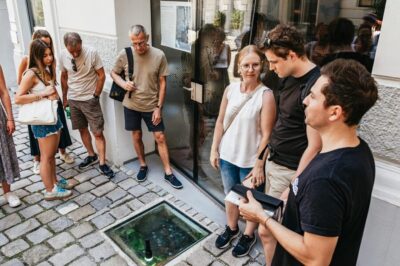
Vienna Historic Center Small Group Walking Tour
Read our review →
Browse the lists this tour appears in