
Reviewed · HISTORICAL TOURS
Private tour of historical Vienna with Jan
Vienna’s grand center can feel like a handsome jumble of palaces, churches, museums, and shopping streets. This private walk with Jan Kepinski gives the city a clear shape, linking Habsburg power, Baroque art, postwar renewal, coffeehouse life, and everyday city tips in one route.
I like the private format, since Jan can adjust the pace and answer questions without a group of 30 people waiting nearby. I also like the coffee-and-cake stop at Conditorei Sluka, a small but important piece of Vienna’s social culture. The main consideration is that this is a walking overview, not a palace or museum tour. You see many sites from outside, with no included admission to interior exhibits.
Key points to know before booking
- A private walk for up to 10 people: The flat group price works best for families and small groups traveling together.
- Jan Kepinski leads in English: He is a qualified, state-licensed guide who focuses on history, architecture, and practical city advice.
- The route covers major central sights: Expect Hofburg, Heldenplatz, Maria Theresien Square, St. Stephen’s Cathedral, the Jesuit Church, Stadtpark, Graben, and Kohlmarkt.
- Coffee and cake are built into the experience: Conditorei Sluka provides a planned break in a classic Viennese coffeehouse setting.
- The route ends at Naschmarkt: That makes the tour useful for finding lunch, browsing food stalls, or continuing toward other parts of the city.
- The best timing is early in your stay: Jan helps you get oriented and can point you toward places to visit later.
A strong first walk through Vienna’s center
I see this tour as an orientation walk with substance. You are not simply ticking off statues and palace façades. Jan explains how Vienna changed over time, why the buildings look the way they do, and how imperial power shaped the streets you are walking through.
That approach matters in Vienna. The city center is compact, but its history is not simple. Roman beginnings, the Habsburg court, Catholic Baroque, the Ringstrasse era, war, reconstruction, and modern city life all overlap within a short distance. A good guide helps you see those layers instead of treating each monument as an isolated photo stop.
The experience lasts about two to three hours. The scheduled stops add up to roughly three hours, though the exact pace may change because this is a private activity. You can expect a steady walk with pauses for stories, questions, photos, and the coffee break.
The meeting point is Stephansplatz in Vienna’s first district. Pickup is offered, but the published start point is Stephansplatz, so I would confirm the arrangement when you book. The tour ends at Naschmarkt, a useful finish because you can stay for food or use public transportation to continue sightseeing.
More history walks in Vienna:
- Vienna: Time Travel and Magic Vienna History Tour
★ 4.6 · 3,879 reviews - Vienna: World War II Historical Walking Tour
★ 4.8 · 1,772 reviews - Vienna Historic Center Small Group Walking Tour
★ 5.0 · 1,746 reviews
Why the private format matters
The price is $432.53 per group of up to 10 people. For a full group, that works out to about $43 per person. A family of four would pay about $108 per person, and a couple would pay about $216 per person, so the value depends heavily on your group size.
For six to ten people, the price is easier to justify than for two. You are paying for Jan’s time, a licensed guide, route planning, and the ability to shape the conversation around your interests. A large public walk may cost less per person, but it will not offer the same flexibility.
The private setup is especially useful if your group includes different ages or interests. Jan can slow down for children, explain architecture in more detail, or spend extra time on Habsburg politics, music, art, or food traditions. One family even used the walk as a gentle first outing after a long journey, and Jan helped them find a bakery when a child was hungry.
That kind of small adjustment is hard to expect from a fixed large-group tour. The tradeoff is simple: if you want a low-cost introduction and do not mind a crowd, a group walk may be better value. If you want personal attention, this option earns its higher price more easily.
Stephansplatz and the historic center
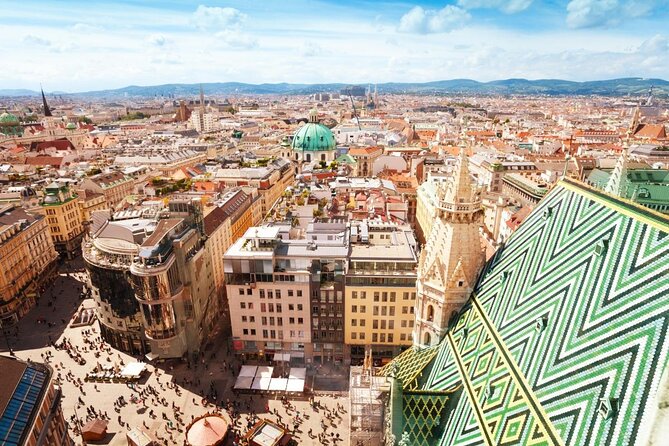
The walk begins in the heart of Vienna’s old town. The historic center is the right place to start because so many parts of Vienna’s story meet here: church power, imperial government, commerce, tourism, and daily city life.
Jan uses the old town to explain the broad story of Vienna and Austria through monuments and buildings. You also get advice about eating and shopping, which helps turn a history lesson into a useful first-day plan.
This opening section lasts about 45 minutes, though the time can shift with the group. You may discuss how Vienna became the city it is today and what contributes to its reputation as a highly livable city. The value here is orientation. Instead of leaving with a list of names, you begin to understand how the center fits together.
I would pay attention to Jan’s recommendations during this part. The tour is designed to include local suggestions, from places to eat to less obvious corners of the city. The information is most useful if you are taking the tour near the start of your stay, while you still have time to act on it.
The Hofburg and Habsburg power
The Hofburg is not one neat palace built at one time. It is a group of wings and buildings from different periods, shaped by successive Habsburg rulers. From the outer courtyards, Jan explains the dynasty and the role it played in Austrian history.
You do not enter the palace interiors on this walk, and no admission is included. That limitation is worth knowing. If you want the Imperial Apartments, the Sisi Museum, or the Spanish Riding School, you will need to arrange those separately.
Still, the courtyards offer a useful first look. You can see how the palace grew as the Habsburgs gained power and needed more space for administration, ceremony, and court life. Jan’s focus on the why behind Vienna’s architecture is one of the strongest reasons to choose this tour.
The Hofburg section lasts about 30 minutes. That gives enough time for context without turning the walk into a long lecture. I would use this stop to ask questions about the Habsburg family, imperial government, and the parts of the palace complex you may want to revisit later.
A few more Vienna outings worth weighing up
- Vienna: Private Walking Tour with a Local Guide
★ 4.6 · 1,420 reviews - Vienna: Private Walking Tour with a Guide
★ 4.7 · 962 reviews - Vienna: Wine Tasting Experience in a Private Wine Cellar
★ 4.8 · 413 reviews - Private Day Tour Trip Salzburg Hallstatt and Melk from Vienna
★ 5.0 · 388 reviews
Heldenplatz and Maria Theresien Square
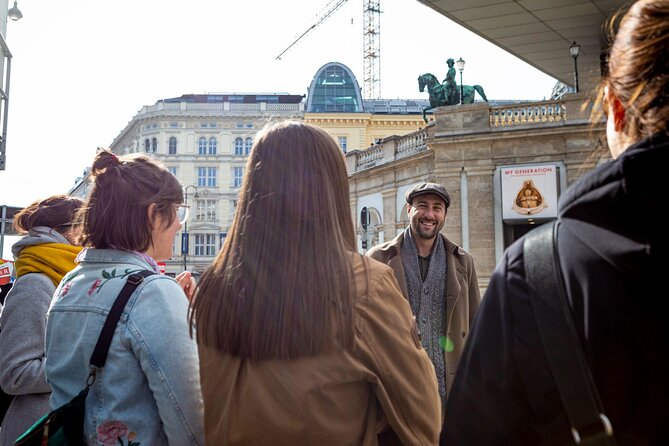
Heldenplatz, or Heroes’ Square, is one of Vienna’s most impressive outdoor rooms. Its broad space frames major historic architecture, including the Hofburg complex and the Austrian National Library palace.
Jan connects the square to heroes and major figures of the Austrian Empire. The point is not only to admire the buildings. It is to consider how rulers used grand spaces to project authority. The stop lasts about 15 minutes, enough for the main story and photographs.
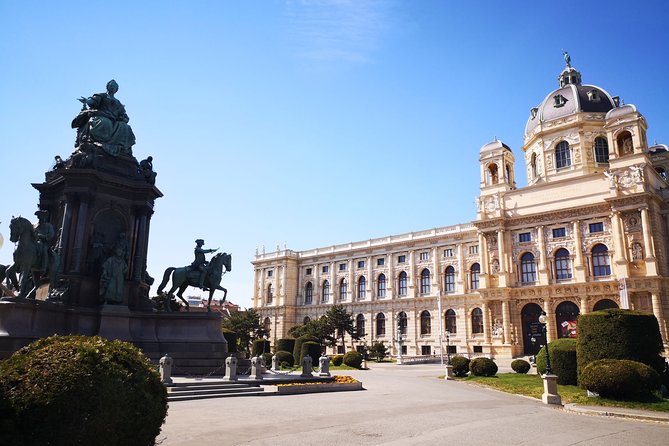
Maria Theresien Square brings a different focus. The square is flanked by Vienna’s Natural History Museum and Art History Museum, with a large memorial to Maria Theresa between them.
Maria Theresa ruled during an important period of change. Her government strengthened central control and began reforms that helped modernize Austria. Jan explains her role, including the challenges she faced and the growth of a new class of professional officials.
This stop also lasts about 15 minutes. You will not tour either museum, so plan separate visits if you want the collections. As an exterior stop, the square works best as a lesson in public design, imperial ambition, and the relationship between art, science, and state power.
Coffee, cake, and Conditorei Sluka
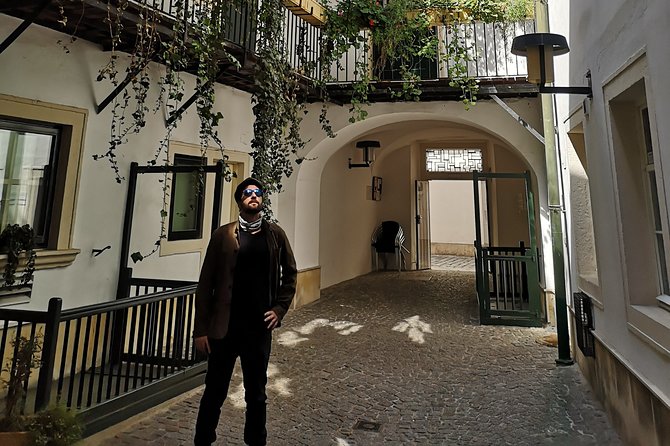
The break at Conditorei Sluka is one of the most appealing details of the route. Vienna’s coffeehouse tradition is not just about grabbing caffeine. It is tied to conversation, newspapers, pastries, lingering, and the city’s long public life.
Sluka has a traditional interior associated with the turn of the 20th century and provides a chance to pause after the first part of the walk. The stop is scheduled for about 30 minutes. Admission is free, but you should expect to pay for anything you order.
This pause also helps the tour feel less like a nonstop history recital. You can ask Jan follow-up questions, discuss what you have seen, and get more food suggestions. Several experiences with Jan have included recommendations for cake, strudel, bakeries, and unusual local coffee spots.
If you have children or anyone who needs a rest, this is a practical feature, not just a pleasant extra. The tour does not list a formal meal, so do not treat the coffeehouse stop as lunch. It is better viewed as a cultural break with something sweet.
St. Stephen’s Cathedral and the Jesuit Church
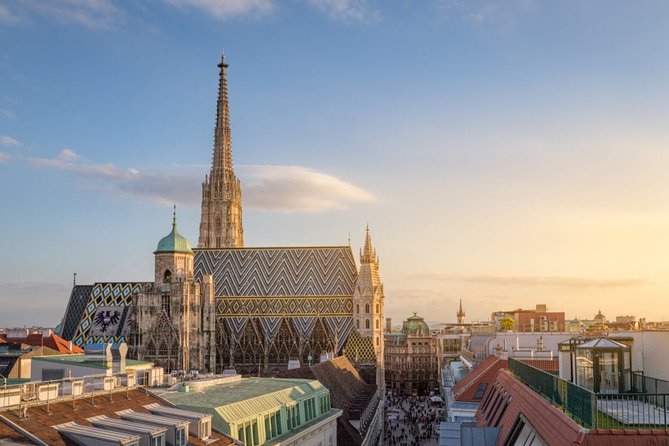
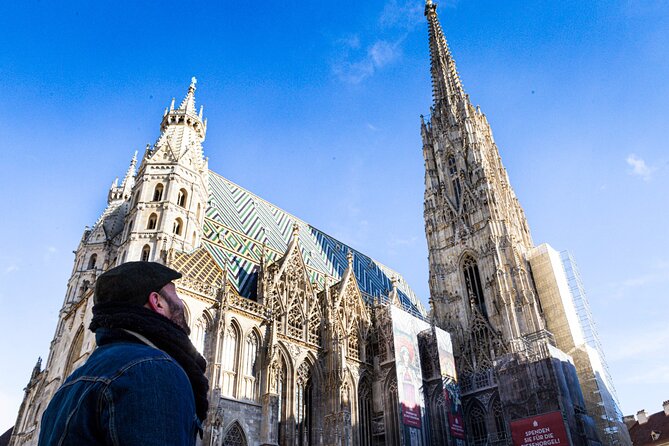
St. Stephen’s Cathedral is the spiritual and geographic center of Vienna. The building took shape over many decades, which explains its mix of architectural styles. Jan also discusses the cathedral’s reconstruction after World War II, focusing on cooperation and the effort to rebuild a shared national future after a destructive period.
The scheduled cathedral stop is about 10 minutes. That is brief for such an important building, and you should keep your expectations realistic. You will get an introduction and a few key points, not a full interior tour.
The same is true of the Church of the Jesuits, which receives about 10 minutes. It is one of Vienna’s finest Baroque churches and is less visited than some of the city’s better-known sights. The short visit can still be worthwhile because the church offers a concentrated look at the theatrical style of Austrian Baroque.
If you want time for quiet viewing, detailed art study, or a full explanation of the cathedral, plan to return on your own. The benefit of seeing both churches here is comparison. Jan can show how different religious and political periods shaped the city’s buildings.
Stadtpark, Graben, and Kohlmarkt
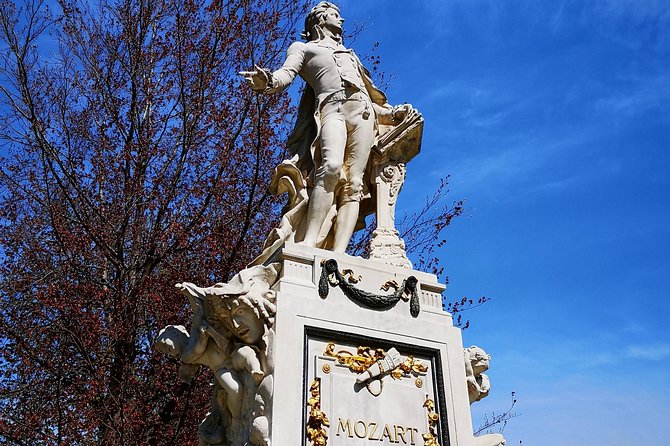
Stadtpark gives your legs and eyes a break from the narrow old-town streets. The park lies along the southern part of the Ringstrasse and honors painters, musicians, and politicians connected with Vienna’s golden age.
The stop lasts about 15 minutes. It is not a long park visit, but it changes the rhythm of the walk. You get open air, greenery, and a chance to see another side of central Vienna before returning to the commercial streets.
Graben and Kohlmarkt are Vienna’s high-end shopping streets. They are lined with luxury brands, historic façades, and coffeehouses. Even if you are not shopping, the streets show how the old center functions today.
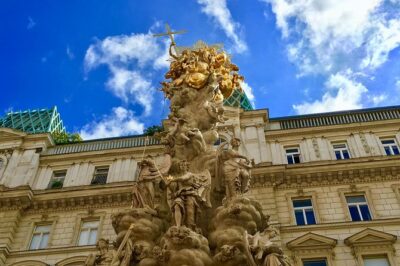
Graben is especially notable for its Baroque plague column, built to commemorate survival after a devastating late 17th-century plague. Jan uses it to connect public art, religion, fear, and civic memory.
The final scheduled stop lasts about 10 minutes. It is short, but the location is useful. You can return later for shopping, coffee, or photographs, and the streets lead naturally toward several other central sights.
What Jan adds to the walk
Jan’s strongest feature is storytelling. He explains history in an accessible way and uses anecdotes, photographs, humor, and architectural details to keep the walk moving. His English is offered as the tour language, and clear communication is particularly important when a tour covers complicated dynasties and political changes.
He also appears comfortable tailoring the route to the people in front of him. The experience can include more attention to food, art, architecture, transportation, or family needs. Jan has helped visitors find subway passes, locate bakeries, choose cafés, and plan the rest of their time in Vienna.
One especially thoughtful detail is his ability to respond to personal interests. When a family explained that the trip honored a late parent who loved Vienna’s past, Jan added related facts and suggested sponsoring a rose in that person’s memory at the Volksgarten. That is a good example of how a private guide can make a standard city route feel personal without changing its basic structure.
Timing, walking, and practical limits
The tour is listed at two to three hours, with free admission at each stop. You should expect outdoor walking, standing, and movement between several central districts. Most people can participate, and service animals are allowed.
The tour is near public transportation. The stated start is Stephansplatz, and the stated finish is Naschmarkt. Pickup is offered, but because both a pickup option and a fixed meeting point are given, confirm where Jan will meet you.
The route works well on the first day or second day of a Vienna visit. It gives you a mental map before you tackle museums, palace interiors, or evening concerts. It also works near the end of a stay if you want broader context, but you will get more practical use from the restaurant and sightseeing advice when you still have several days left.
The main limitation is scope. You will see many places, but the stops are short. This is not designed for long interior visits, a full museum tour, or a detailed architectural survey. Think of it as a well-connected introduction.
Who should book this Vienna walk?
I would recommend it most to first-time visitors, families, couples who prefer private guides, and anyone who wants history explained in plain English. It is also a good fit if you like to ask questions or want advice that changes with your interests.
The tour suits people who care about the story behind the buildings. If you only want quick photographs, you may find the historical explanations too detailed. If you dislike walking, the number of stops and city streets may also be tiring.
The flat rate makes the tour strongest for groups of four or more. Solo visitors and couples should compare the private price with public walking tours. A private experience can still be worth it for a special occasion or a short stay, but the cost per person rises sharply with a small group.
Free cancellation is available up to 24 hours before the start time. Cancellations or changes within 24 hours are not refunded or accepted, based on the local start time. Gratuity is not included.
Should you book it?
Book this tour if you want Vienna to make sense quickly, not just look beautiful. Jan Kepinski offers a personal, story-led walk that connects the Hofburg, Habsburg rulers, churches, museums, coffeehouses, shopping streets, and modern city life.
I would choose it early in a Vienna stay, especially for a family or group that can share the flat price. Skip it if you want extensive time inside museums and palaces, or if your main goal is the cheapest possible introduction. For a private overview with a real coffee break and practical advice, it is a strong choice.
FAQ
How long does the private Vienna tour last?
The tour lasts approximately two to three hours. The listed stops add up to about three hours, including the coffeehouse break and time at the major sights.
How much does the tour cost?
The price is $432.53 per group, for up to 10 people. The price is not listed per person.
Who guides the tour?
The guide is Jan Kepinski, a qualified and state-licensed guide. The tour is offered in English.
Is this a private tour?
Yes. Only your group participates, with a maximum group size of 10 people.
Where does the tour begin?
The stated meeting point is Stephansplatz, 1010 Vienna, Austria. Pickup is offered, so confirm the exact arrangement when booking.
Where does the tour finish?
The tour ends at Naschmarkt in Vienna’s sixth district. Naschmarkt is a well-known open-air food market.
Are admission tickets included?
The listed stops have no admission charge as part of the walk. The tour visits the Hofburg courtyards and exterior areas, but admission to palace interiors and museums is not included.
Is coffee included?
The itinerary includes a 30-minute break at Conditorei Sluka, a traditional Viennese coffeehouse. The tour information does not state that food or drinks are included in the price.
Can I cancel for a full refund?
You can cancel for a full refund up to 24 hours before the experience starts. Cancellations or changes made less than 24 hours before the start time are not refunded or accepted.
Just reviewed in Vienna
- World War II History Vienna Old Town Private Walking Tour★ 4.8 · 9 reviews
- Vienna: Wine Tasting E-Bike Tour★ 4.9 · 46 reviews
- Vienna: Winery and Wine Tasting Tour with a Wine Expert★ 5.0 · 5 reviews
- Vienna: Unforgettable Private City Tour★ 5.0 · 7 reviews
- Vienna Urban Art Tour: Explore a different side of Vienna!★ 3.8 · 14 reviews
- Vienna: Concert by the Vienna Baroque Orchestra★ 4.6 · 56 reviews
- Vienna: Sunday Brunch Danube Cruise & Live Music★ 4.2 · 42 reviews
- Vienna Supreme Orchestra at Palais Niederösterreich★ 4.8 · 10 reviews
Historical Tours, compared.
Vienna Historic Center Small Group Walking Tour
Read our review →
Time Travel-Magic Vienna History Tour Ticket
Read our review →
Skip-the-Line Schonbrunn Palace Guided Tour and Vienna Historical City Tour
Read our review →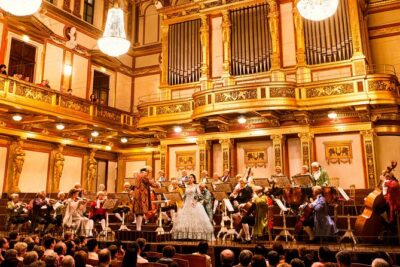
Vienna Mozart Concert in Historical Costumes at the Musikverein
Read our review →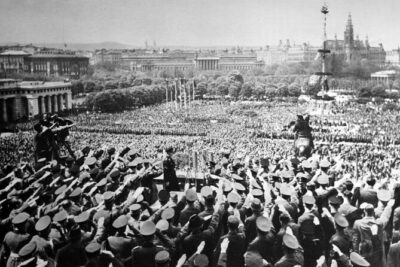
Historical Hitler Walking Tour of Vienna
Read our review →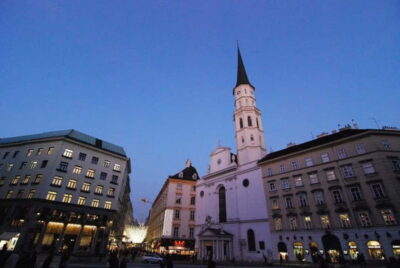
Browse the lists this tour appears in