
Reviewed · WALKING TOURS
Introducing Vienna Walking Tour: The Capital of the Habsburgs
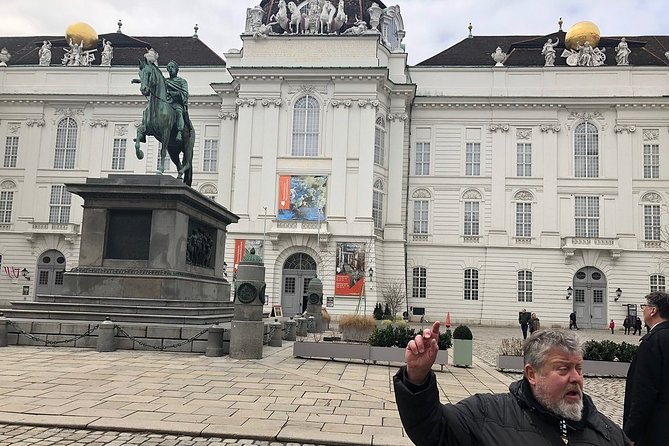
Vienna’s imperial center packs centuries of power into a surprisingly compact walk. In about two hours, you move from Roman ruins and medieval church remains to the Habsburg court, the Austrian government, Nazi-era memory, the Opera, and St. Stephen’s Cathedral. Herbert Stojaspal, a Viennese guide, is especially good at turning buildings into stories, with old photographs, local details, and a healthy sense of humor.
I like the small group of no more than 15 people, which gives you room to ask questions without getting lost in a crowd. I also like the finish near St. Stephen’s Square, where you can continue exploring or reward yourself with chocolate. The main caution is practical: check that you have booked the English departure, since the operator runs tours in different languages on different days.
Key points
- Imperial Vienna in two hours: Cover the Hofburg, Hero’s Square, Joseph’s Square, the Opera, and St. Stephen’s Cathedral.
- A local guide’s perspective: Herbert Stojaspal brings Viennese family knowledge, old images, humor, and useful food and sightseeing tips.
- Small group format: The tour is limited to 15 people, making questions and conversation easier.
- Serious history included: Learn about the Holy Roman Empire, the Habsburgs, World War II, Nazi rule, and Austria’s postwar memory.
- Easy central route: Begin at Michaelerplatz and finish at a Lindt shop beside St. Stephen’s Square.
- Good first-day value: At $35.07 per person, the walk gives you a useful map of central Vienna before you choose which museums and palaces deserve more time.
Why this compact Vienna walk works so well
This is an orientation tour with substance. You are not simply ticking off grand façades. The route explains how Vienna grew from a Roman settlement into the seat of the Habsburg dynasty, then into the capital of modern Austria.
That matters because Vienna can look like one long parade of ornate buildings at first. The Hofburg, museums, churches, monuments, and squares all sit close together, but each belongs to a different chapter. A good guide helps you see the changes instead of treating the center as one beautiful blur.
The two-hour length is another strength. You get a strong introduction without surrendering half a day to a walking tour. I would book it near the start of your stay if you can. The information about museums, restaurants, food, and later sightseeing can help you decide what deserves a return visit.
The price is $35.07 per person. For a certified guide, a small group, and two hours in the heart of Vienna, that is a fair deal. You are paying for interpretation rather than entrance tickets, so palace interiors, museum collections, food, and drinks are not included. Still, the route covers a lot of ground at a modest cost.
More walking tours in Vienna:
- Vienna: Guided Walking Tour of City Center Highlights
★ 4.7 · 4,989 reviews - Vienna: Vienna Central Cemetery Guided Walking Tour
★ 4.8 · 3,307 reviews - Vienna: Guided Walking Tour of City Highlights & Hidden Gems
★ 4.9 · 2,180 reviews
Michaelerplatz and St. Michael’s Church: Vienna before the palace
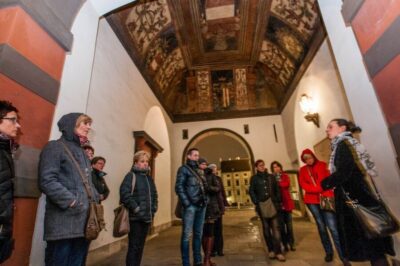
The walk begins at Michaelerplatz, a useful starting point because several layers of Vienna meet here. St. Michael’s Church provides the main landmark, while Roman and medieval remains reveal that this area was important long before the imperial palace took its present form.
This is a good place to set the tone. Vienna was not built all at once, and the grand Habsburg center rests on much older foundations. You can expect an explanation of the church, the archaeological remains, and the way the square connects to the Hofburg.
The setting is visually busy, so pay attention to the guide rather than trying to photograph everything at once. One practical point comes up repeatedly with this kind of walk: there may not be time to stop for a careful picture at every attractive corner. I would make mental notes during the tour, then return afterward for photographs.
The Spanish Riding School and the famous white stallions
The route includes information about Vienna’s white Lipizzaner stallions and the Spanish Riding School. Even if you are not attending a performance, this stop gives useful context for one of the city’s best-known traditions.
The attraction here is not just the horses. It is the connection between court ceremony, military training, and imperial display. The white stallions are part of Vienna’s public image, but the guide explains why they belong so closely to the old Habsburg world.
If you hope to see a full riding performance, this walking tour does not replace a ticketed visit. It gives you background and location awareness. That can help you decide if you want to return for a performance or morning exercise session during your stay.
The Hofburg: from medieval residence to imperial center
The Hofburg is the heart of the walk. The Habsburg residence began in the 12th century and grew over many generations. Its courtyards and wings reflect changing tastes, political needs, and the expanding reach of the dynasty.
This is where the tour’s main theme becomes clear. The Habsburgs ruled from a complex of buildings rather than a single isolated palace, and the Hofburg connected private life, ceremony, administration, religion, and military power.
You will not be touring every interior on this experience, but the outside spaces provide enough material for a strong overview. A guide can point out how the buildings functioned and explain why the Hofburg remains central to Vienna’s identity.
I like this part because it turns architectural scale into political context. A vast palace is impressive, but it becomes more useful when you understand who lived there, what decisions were made there, and how the dynasty shaped Central Europe.
A different sort of day out in Vienna:
- Vienna: Vivaldi’s Four Seasons Concert in Karlskirche
★ 4.7 · 14,951 reviews - Vienna: Skip-the-cashier-desk-line Giant Ferris Wheel Ride
★ 4.5 · 7,859 reviews - Vienna: Schönbrunn Palace & Gardens Skip-the-Line Tour
★ 4.7 · 7,739 reviews - Vienna: Light of Creation Votive Church Immersive Light Show
★ 4.8 · 6,779 reviews
Hero’s Square and how Austria is governed today
Hero’s Square, or Heldenplatz, opens dramatically in front of the Hofburg. Its name refers to military heroes, and the square carries both imperial pride and difficult modern memories.
Here, the discussion moves beyond palaces. You learn about Austria’s government system and how the country moved from monarchy to republic. The square helps make that transition visible. It was designed for imperial ceremony, yet it now belongs to a democratic state with a very different political structure.
This is also one of the places where the guide’s current perspective matters. Herbert is Viennese and has been praised for connecting old buildings with modern life. That local angle can make the history feel less like a list of rulers and more like a continuing argument about what Vienna wants to remember.
Imperial treasures and the Holy Lance
The tour explains remarkable objects associated with European power, including the Holy Lance and the crown of the Holy Roman Empire. These objects are not just curiosities. They show how rulers used religion, ceremony, and sacred symbolism to support political authority.
You should understand the distinction between seeing the objects and hearing about them. The walking tour does not include admission to the Imperial Treasury. If the Holy Roman Empire or royal regalia interests you, note the location and return later with time for the indoor collection.
This is one reason the walk works well as a first visit. It gives you a list of possible follow-up stops without trying to force every museum into the same day. You leave with a clearer idea of what you want to see in detail.
Joseph’s Square and the age of Maria Theresa
Joseph’s Square introduces another part of the Habsburg story, including the reign of Maria Theresa. The square and its surrounding buildings provide a setting for discussing dynastic rule, court life, and the changes that came with one of Europe’s most important rulers.
The value here is the connection between a person and a place. Maria Theresa is not treated as a distant name in a textbook. Her reign becomes part of the streets, residences, and institutions around you.
The walk cannot provide a full biography in a few minutes, and it should not try. Instead, it gives you the framework to understand why Maria Theresa mattered and why her period remains so visible in Vienna.
Albert and Maria Christina’s residence and the Albertina
The former residence of Albert and Maria Christina now houses the Albertina, home to one of the world’s major drawing collections. This is a useful reminder that Vienna’s palaces are not only about emperors and military power. They also connect to collecting, patronage, art, and private life.
The tour points out the building and its place in the Habsburg story, but museum admission is not part of the walk. If you enjoy works on paper, this is an obvious candidate for a separate visit.
I appreciate this stop because it broadens the tour. You are not getting only political history. You are also seeing how aristocratic residences became cultural institutions that still shape Vienna today.
The monument that confronts war and fascism
Near the end of the route, the Monument Against War and Fascism changes the mood. It remembers victims of war, including those who suffered under Nazi rule in Austria.
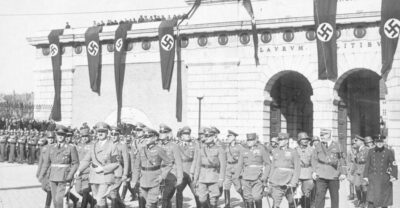
This is an important stop because Vienna’s imperial beauty can make it easy to overlook the 20th century. The monument refuses that easy version of the city. It asks you to consider war, dictatorship, persecution, and the responsibility to remember.
The guide’s role is especially important here. The subject is serious, and a short explanation can provide context without turning the tour into a full course on Austrian political history. Expect a more sober pause before the route moves toward the Opera and the modern city center.
The Vienna State Opera and the useful €3 ticket tip
The Vienna State Opera is another major landmark, but the practical detail is what makes this stop useful. The guide explains that the Opera changes its program daily and that the cheapest tickets can cost as little as €3.
That does not mean every seat or performance costs €3. It means you should ask about the standing-room or lowest-cost options rather than assuming opera is reserved for wealthy visitors. Check current availability and performance details separately, since schedules and ticket arrangements can change.
This is the kind of advice I want from an orientation walk. It takes a famous building and adds a clear next step. If you have always wanted to see an opera but feared the price, this information could change your plan.
St. Stephen’s Cathedral and a chocolate-shop finish
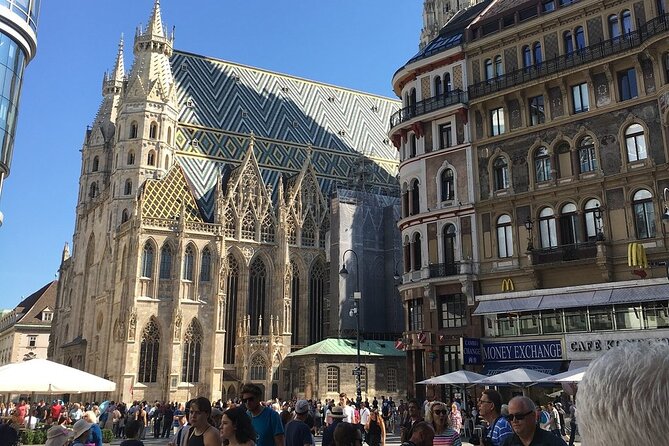
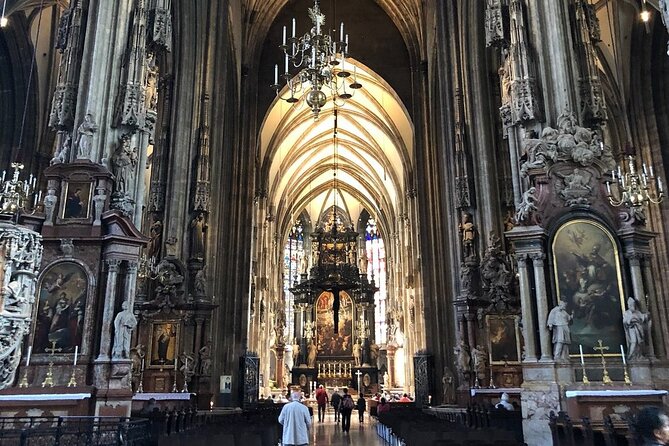
The walk ends near St. Stephen’s Cathedral, Vienna’s most recognizable church and the center of the old city. The location is excellent for continuing on foot, visiting the cathedral independently, or exploring the nearby streets and shops.
The official endpoint is the Lindt Chocolate Boutique at Stephansplatz 8A, close to the cathedral. Ending at a chocolate shop is lighthearted, but it also puts you in a very useful part of Vienna. You can pause for a sweet finish, then continue to the cathedral, nearby cafés, or other central sights.
The tour does not include food or drinks, so any chocolate purchase is your own expense. Still, the endpoint gives the experience a pleasant finish and makes it easy to carry on with your day.
How Herbert’s guiding style shapes the experience
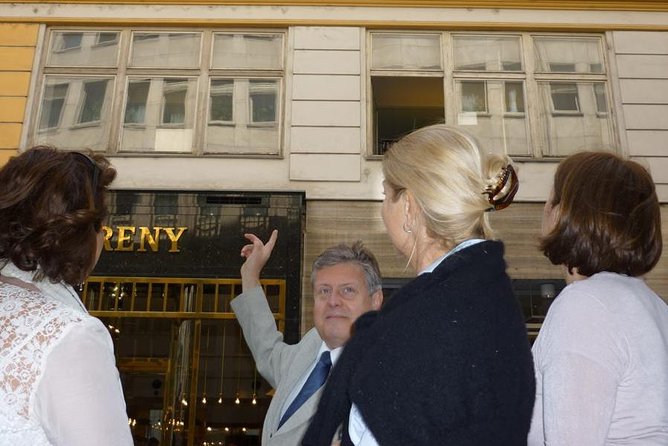
Herbert Stojaspal is the main guide associated with this experience, and the strongest praise centers on his storytelling, humor, patience, and local connection. He is from Vienna and uses old photographs to show how certain places have changed. He also gives restaurant suggestions and ideas for later sightseeing.
That style suits visitors who want more than dates and names. Herbert has been described as willing to answer detailed questions and, on at least one occasion, wait briefly for a late participant who had become lost. Another guide, Dorothea, has also led the walk, so the exact personality of the tour can vary by date.
The guide is the main reason to choose this experience over simply following a map. The buildings are free to see on your own, but the links between them are not always obvious. A good storyteller gives the route shape.
Group size, pace, weather, and language
The group is capped at 15 people. That is small enough for a more sociable walk and makes it easier to hear the guide in busy squares. It also means the experience is not private, so you should expect a shared pace and shared questions.
The route is described as easy and mostly flat, and most people can participate. It is not recommended for younger children, which suggests the historical focus and two-hour format may suit older children and adults better.
The tour operates in all weather. Vienna’s central streets can feel cold and windy, especially in the morning and evening in March, so dress for the conditions and bring rain protection when the forecast calls for it. There is no hotel pickup or drop-off. You meet at Michaelerplatz 3 and finish at Stephansplatz, both central and close to public transportation.
English is offered, but language selection deserves special attention. The operator runs tours in different languages on different days, and one unhappy booking resulted from a participant arriving for a German-language departure. Confirm the language printed on your ticket before the day of the tour.
Who should book it?
I would choose this walk for a first or second day in Vienna, especially if you want a clear sense of the historic center before spending money on museums. It suits adults, couples, solo visitors, and families with older children who enjoy stories about monarchy, architecture, art, war, and politics.
It is also useful if you are staying only a short time. The route gathers many central landmarks into two hours, and the finish beside St. Stephen’s Cathedral leaves you well placed for more sightseeing.
I would hesitate if you want extended time inside museums, careful photography at every stop, or a private tour tailored to your own pace. The experience is an overview, not a substitute for the Imperial Treasury, the Albertina, the Opera, or a full visit to the Hofburg.
Should you book this Vienna walking tour?
Book it if you want a compact, story-led introduction to central Vienna at a moderate price. The small group, local guide, strong Habsburg focus, and useful tips about museums, food, and low-cost Opera tickets make it more valuable than a simple landmark stroll.
Before paying, confirm the departure language and choose a day near the beginning of your stay. Wear comfortable shoes, allow for changing weather, and plan to revisit the places that catch your interest. If you do that, this two-hour walk can give the rest of your Vienna visit a much clearer shape.
FAQ
How long does the Vienna walking tour last?
The tour lasts approximately two hours.
What is the price of the tour?
The listed price is $35.07 per person. Group discounts are available.
What language is the tour offered in?
English is offered, but the operator also runs tours in other languages on different days. Check your booking and ticket carefully to confirm the language.
Where does the tour begin?
The meeting point is Michaelerplatz 3, 1010 Vienna, Austria.
Where does the tour end?
The tour ends at the Lindt Chocolate Boutique near St. Stephen’s Square, at Stephansplatz 8A, 1010 Vienna.
Is the tour limited to a small group?
Yes. The maximum group size is 15 people.
Does the tour include museum or palace admission?
No. The experience includes a professional certified tourist guide, but entrance fees are not listed as included.
Are food and drinks included?
No. Food and drinks are not included.
Does the tour operate in bad weather?
Yes. It operates in all weather conditions.
Can I cancel for a full refund?
You can cancel up to 24 hours before the experience start time for a full refund. Cancellations or changes made less than 24 hours before the start time are not accepted for a refund.
Just reviewed in Vienna
- World War II History Vienna Old Town Private Walking Tour★ 4.8 · 9 reviews
- Vienna: Wine Tasting E-Bike Tour★ 4.9 · 46 reviews
- Vienna: Winery and Wine Tasting Tour with a Wine Expert★ 5.0 · 5 reviews
- Vienna: Unforgettable Private City Tour★ 5.0 · 7 reviews
- Vienna Urban Art Tour: Explore a different side of Vienna!★ 3.8 · 14 reviews
- Vienna: Concert by the Vienna Baroque Orchestra★ 4.6 · 56 reviews
- Vienna: Sunday Brunch Danube Cruise & Live Music★ 4.2 · 42 reviews
- Vienna Supreme Orchestra at Palais Niederösterreich★ 4.8 · 10 reviews
Walking Tours, compared.
Guided Walking Tour of City Highlights & Hidden Gems
Read our review →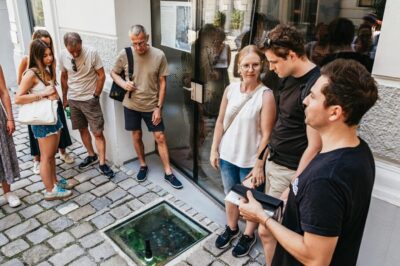
Vienna Historic Center Small Group Walking Tour
Read our review →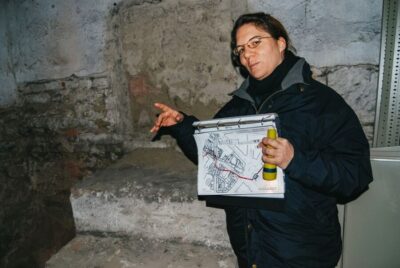
Browse the lists this tour appears in