
Reviewed · 3-HOUR EXPERIENCES
The unknown Vienna City- a guided walking tour in 3 hours
Vienna’s first district is not only grand boulevards and imperial facades. This three-hour walk takes you into winding lanes, courtyards, churches, and overlooked medieval corners, linking them to stories about monsters, musicians, emperors, and the city’s changing faith. The route begins near Stubentor and works toward the Hofburg.
I like the small group of no more than 10 people, which should make it easier to ask questions and keep up in narrow streets. I also like the unusual mix of folklore and architecture, from the Basilisk legend and Augustine’s story to Mozart’s connection with the Deutscher Orden Haus. The main drawback is that this is a fairly intense walking tour, with no scheduled meal break, so eat first and wear good shoes.
Key points to know before booking
- Three hours from Stubentor to the Hofburg: The walk crosses Vienna’s historic first district rather than staying on the best-known sightseeing route.
- Folklore with a local setting: Hear the legends of Lugeck, Augustine, and the Basilisk while seeing the streets and buildings tied to them.
- Medieval Vienna beside modern Vienna: Gothic, Renaissance, Baroque, Art Nouveau, and newer architecture appear close together.
- A music thread runs through the tour: The Deutscher Orden Haus and Mozart’s concert connection add a musical layer to the city’s story.
- Small, multilingual format: The tour is offered in English, Italian, or German for groups limited to 10 participants.
- Bring food and sturdy shoes: There is no meal included, and the route is not suitable for wheelchair users.
Starting at Stubentor, where Vienna’s old layers begin
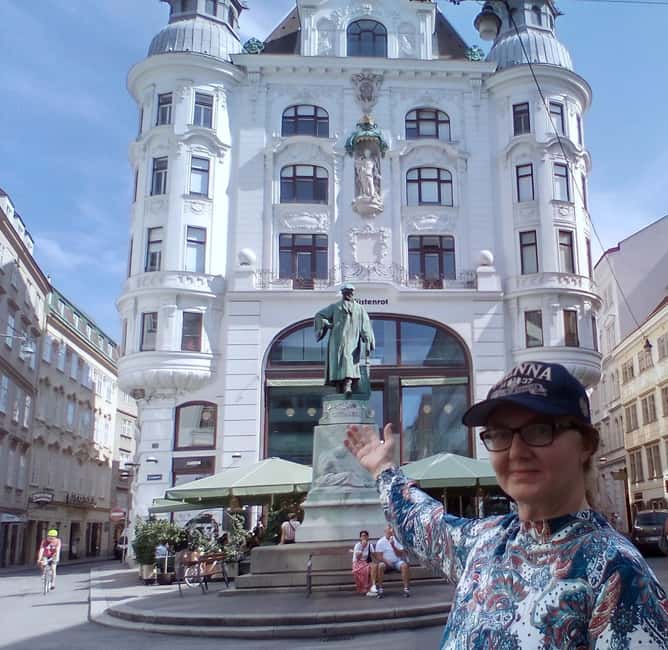
The meeting point is near the Dr. Karl Lueger monument by Stubentor subway station. This is a practical place to start because the walk can move quickly from modern transport links into the old city.
You are not simply heading from one famous square to another. The route is designed to show how Vienna grew, changed, and rebuilt itself. Medieval remains can sit close to later Baroque work, Art Nouveau details, and modern buildings. That contrast is one of the tour’s strongest features.
The guide connects each section rather than treating the city as a collection of unrelated sights. You can expect the story to move from the Middle Ages through the Ottoman Wars and the Habsburg period, then toward the present day. The result is a compact introduction to Vienna’s long past, with attention to the parts of the city that are easy to walk past.
More walking tours in Vienna:
- Vienna: Guided Walking Tour of City Center Highlights
★ 4.7 · 4,989 reviews - Vienna: Vienna Central Cemetery Guided Walking Tour
★ 4.8 · 3,307 reviews - Vienna: Guided Walking Tour of City Highlights & Hidden Gems
★ 4.9 · 2,180 reviews
Lugeck, Augustine, and Vienna’s monster stories
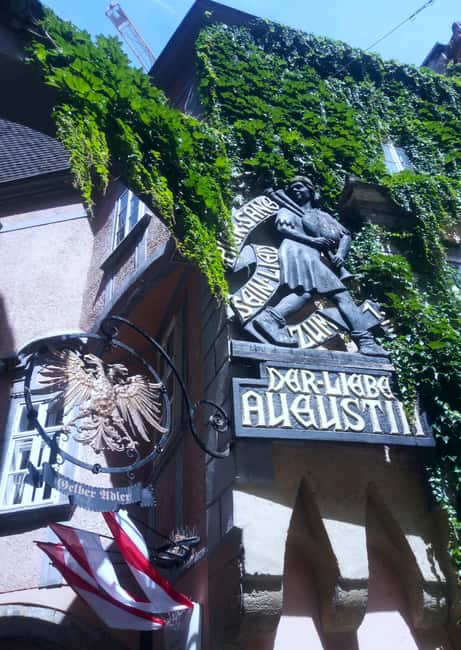
Folklore gives this walk its personality. At Lugeck, you hear the local legend associated with the area. The story of Augustine adds another layer, while the Basilisk tale brings in one of Vienna’s best-known monster traditions.
These stories are not just decorative anecdotes. They help explain how people once understood danger, disease, unfamiliar events, and threatening places. You get a sense of how legends took root in specific streets and how Viennese people later dealt with the creatures and fears in those tales.
The Basilisk is especially useful for readers who enjoy seeing the link between popular belief and urban geography. Rather than hearing a monster story in isolation, you encounter it as part of the old city’s fabric. The tour also looks at the origins and meaning of these creatures, then explains how Vienna supposedly got rid of them.
The folklore may appeal most to you if you enjoy history with a touch of the strange. If you want only dates, dynasties, and formal architecture, this part may feel less essential. For most people, though, the legends make the old streets easier to remember.
Mozart’s Vienna at the Deutscher Orden Haus
Music is another thread running through the walk. The Deutscher Orden Haus is linked with Mozart’s concert activity, giving you a chance to place the composer within Vienna’s buildings and social world.
That matters because Mozart’s story is often reduced to a name, a statue, or a famous melody. Here, the focus is on the setting in which music was performed and supported. The tour also follows the footsteps of musicians and patrons of music, showing how architecture and artistic life were connected.
You should not book this as a full Mozart tour. The musical material is one part of a wider route that also covers religion, politics, folklore, and city growth. Still, it gives the walk a useful human scale. Grand Vienna was shaped not only by emperors, but also by musicians, patrons, religious institutions, and the buildings that brought them together.
The unknown medieval Hofburg
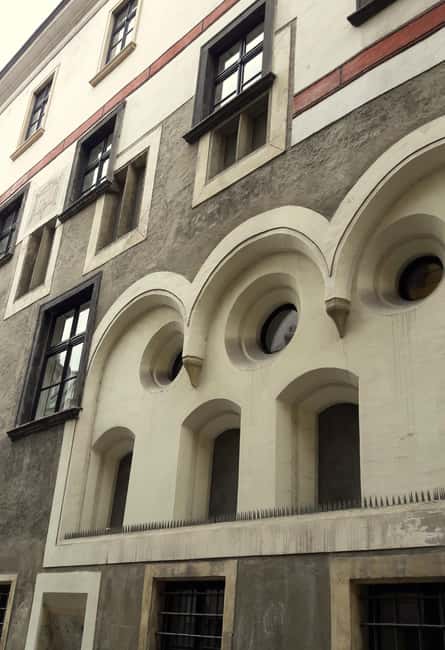
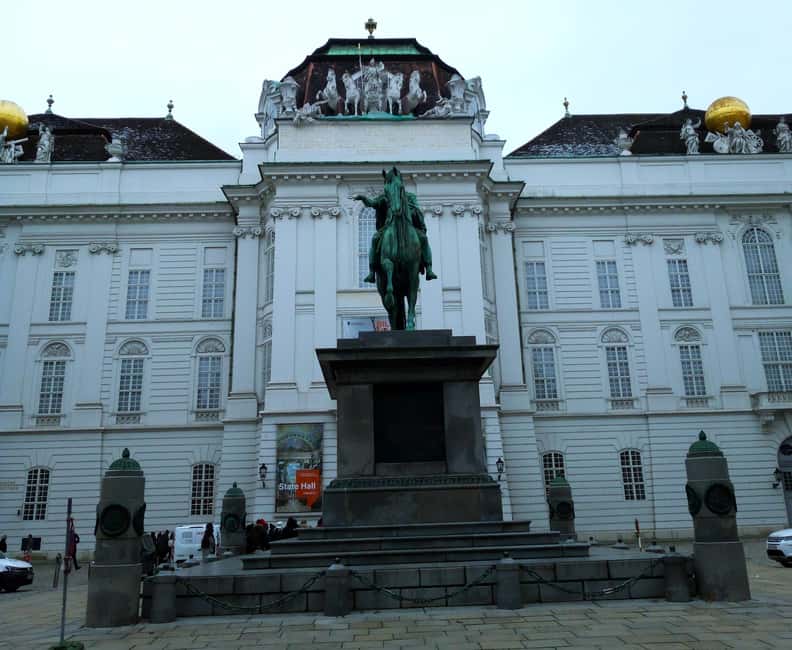
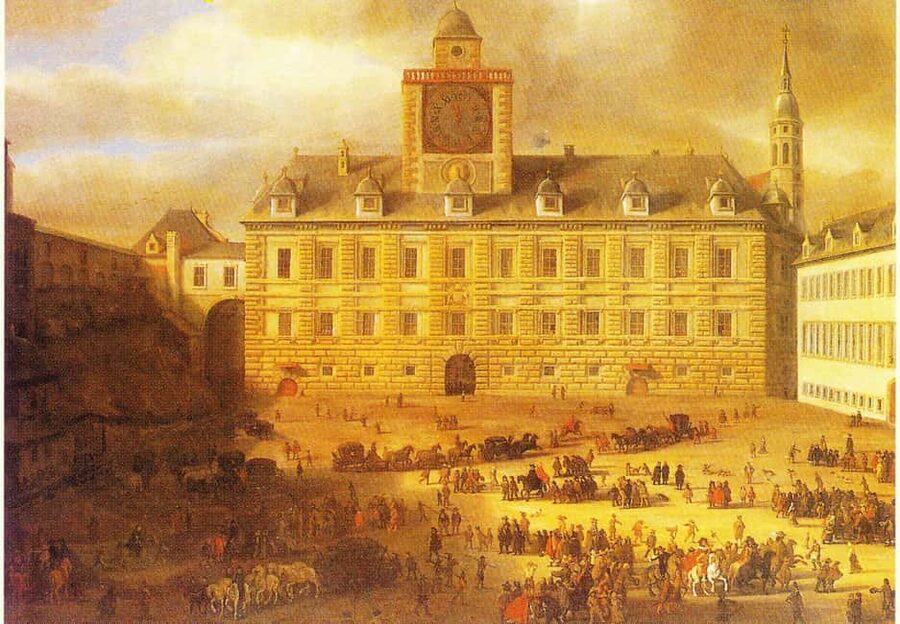
The Hofburg is one of Vienna’s major sights, but this tour approaches it through less familiar medieval material. Instead of treating the complex only as an imperial palace, the guide looks at its earlier development and the traces of the medieval city that remain near the later Habsburg buildings.
That shift in focus is valuable. Vienna’s imperial image can make the city seem as if it began with the Habsburgs. The medieval story corrects that impression and helps you understand the Hofburg as a place that changed over centuries.
The route finishes at In der Burg 1 according to the tour details. The meeting information also describes the activity as ending back at the meeting point, so I would confirm the exact end location when booking, especially if you have a timed reservation afterward.
A few more Vienna outings worth weighing up
- Classic Vienna: 3-Hour Guided Bike Tour
★ 4.7 · 1,846 reviews - Vienna by Bike 3-Hour All-In-One City Bike Tour in English
★ 4.7 · 438 reviews - Highlights of Vienna in a Historical & Cultural 3h Walking Tour
★ 5.0 · 74 reviews - 3-Hour Walking Tour of Vienna Central Cemetery
★ 4.7 · 71 reviews
Architectural clues from Gothic to modern Vienna
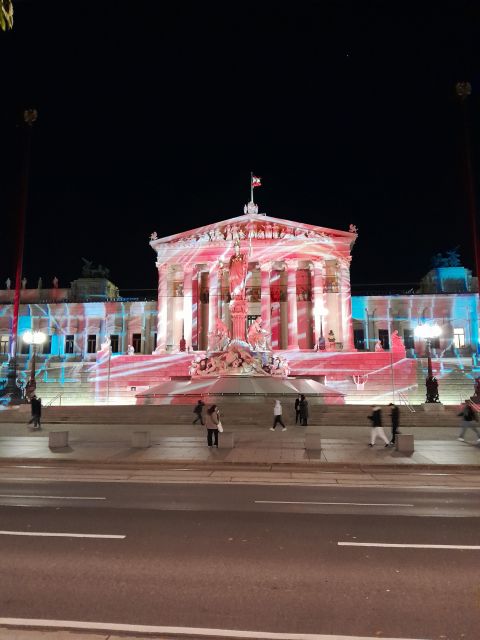
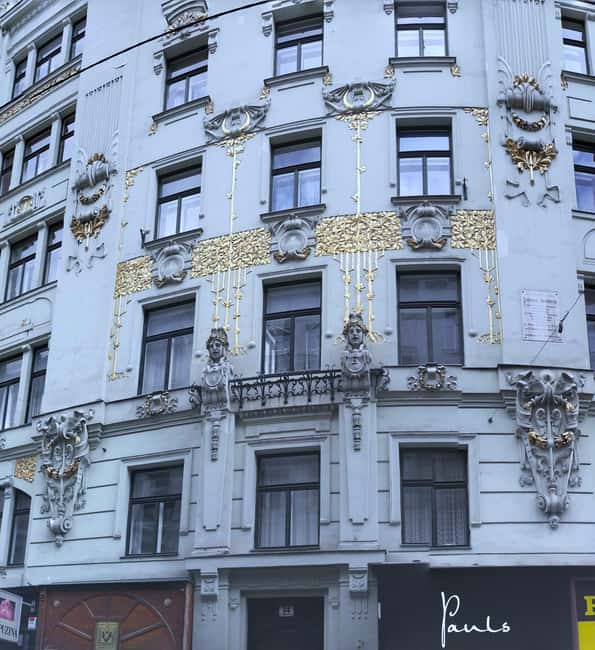
The walk covers an unusually broad range of styles for three hours. You may see Gothic, Renaissance, Baroque, Art Nouveau, and newer modern architecture in close succession.
The value is not simply in counting styles. The guide points out how Vienna’s buildings reflect shifts in taste, power, religion, and urban planning. A Gothic detail can sit near a later Baroque facade. A modern building can stand beside an older structure, making the city’s changes visible without a museum visit.
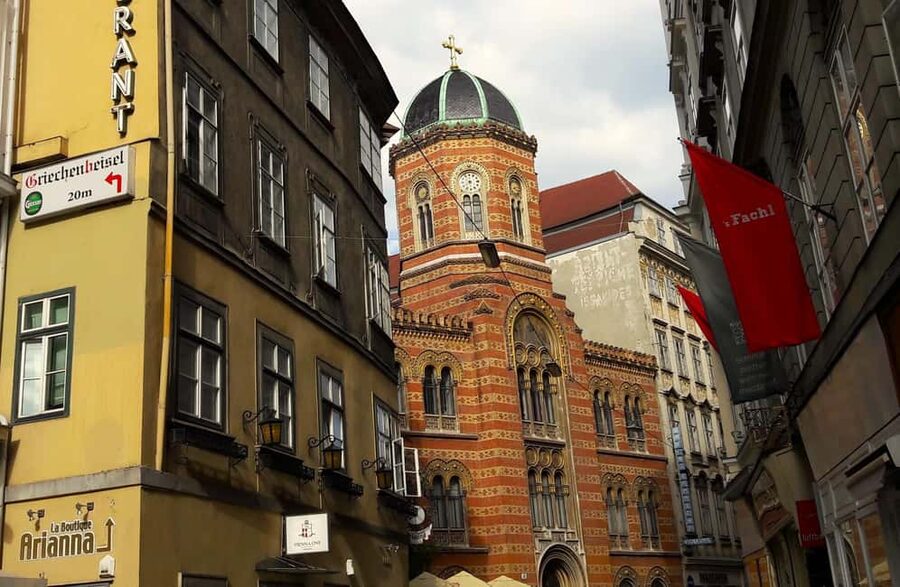
You also look for architectural traces of Vienna’s re-Catholicization. This is an important part of the route because religious change affected the city’s buildings, public identity, and visual language. The tour presents those traces as evidence in the streets rather than as an abstract lesson.
Expect close looking. Some of the most interesting details are likely to be on side streets, courtyards, and building fronts rather than in broad public squares. Your guide may point out something above eye level or in a passage you would normally ignore.
Why the side streets matter
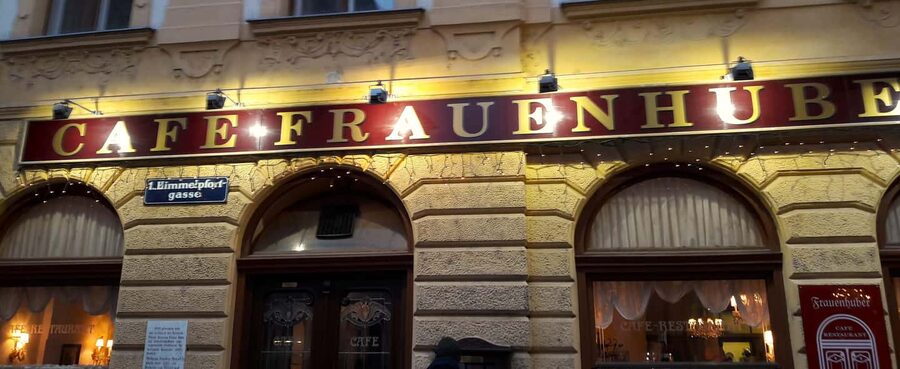
The lesser-known paths are the main reason to choose this tour over a standard introduction to Vienna. You visit lanes and courtyards that are easy to miss when following a guidebook’s main route.
One especially useful feature is the attention to winding streets. Their shape is part of the story. They show how the old city developed before modern traffic patterns and large-scale planning changed the way people moved through Vienna.
The route also includes locations connected with decisive historical moments and a former residence associated with Mark Twain. These details broaden the walk beyond the usual imperial checklist. You are shown how famous people, local legends, religious institutions, and ordinary urban spaces overlap.
Guide Nicoleta has a reputation for answering questions and adjusting explanations to the interests of the group. That is particularly useful on a route with so many possible directions. You can ask about architecture, local stories, musicians, emperors, or the layout of the old city rather than simply listening to a fixed speech.
A closer look at the pace and group size
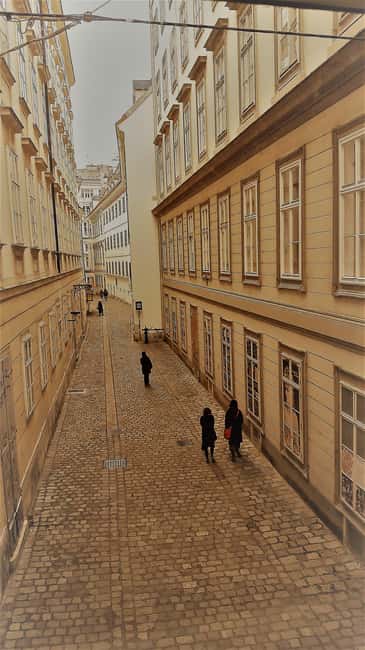
Three hours is long enough to build a story but short enough to fit into a Vienna sightseeing day. The pace is likely to be steady, with repeated stops for explanations. Since the route covers the historic center on foot, you should plan for regular standing and walking on city streets.
The limit of 10 participants is a real advantage. A guide can hear questions more easily, and the group can pause in a narrow lane without the logistical problems of a large coach tour. A small group also suits the route itself, since the appeal lies partly in places that would be awkward for a large crowd.
The tradeoff is that a small-group walking tour can feel more dependent on the guide’s style. Nicoleta’s approach is described as attentive and willing to explain details, but the experience may vary if the tour is conducted in two languages. In rare cases, the guide may need to give explanations in two booked languages, such as English and Italian or German.
The available languages are English, Italian, and German. If you book at short notice or during a crowded period such as Easter or Christmas, contact the provider to ask which languages are already booked. The booking system may not show that information clearly.
Price and practical value at $63
At $63 per person, this is not the cheapest way to walk around central Vienna. You are paying for a focused three-hour tour, a small group, and a guide who can explain details that you might not find on your own.
The value is strongest if you have already seen the major sights or if you prefer context to a quick list of landmarks. The tour is also a good choice near the start of a Vienna visit because it can help you understand the first district before exploring it independently.
For two people, the price may feel particularly reasonable if the group is very small. One pair received an especially personal experience with plenty of questions and room to shape the discussion. That possibility is not guaranteed, but the 10-person limit keeps the format more personal than a large public walk.
I would be less likely to pay this price if I wanted entry to several interiors, a meal, or transport. Those are not included. This is a walking and storytelling experience, with the value resting on the guide’s explanations and access to less obvious parts of the city.
Who will enjoy this Vienna walking tour
I would recommend it most strongly to you if you:
- Enjoy local legends alongside documented history
- Want to see medieval Vienna beyond the major palace facades
- Like architecture and need help reading what you see
- Have already visited the main attractions and want a different route
- Prefer a small group and the chance to ask questions
- Are interested in musicians, religious change, and Habsburg-era Vienna
Families with older children may enjoy the Basilisk and monster tales, though the three-hour length may test younger walkers. People using wheelchairs should choose another activity because this tour is not suitable for wheelchair users.
Eat before you arrive. The instructions specifically recommend having something beforehand, and the tour does not include food. Comfortable shoes are also important. Vienna’s historic streets can be tiring after several hours, even when the route is not physically demanding in the usual sense.
Booking details that affect your plans
The tour costs $63 per person and lasts three hours. Starting times vary, so check availability for the date you want.
You can cancel up to 24 hours before the activity for a full refund. The reserve-now, pay-later option also helps if your Vienna schedule is still changing.
The start is near the Dr. Karl Lueger monument by Stubentor subway station. The route is described as ending at In der Burg 1, while the meeting information says the activity ends back at the meeting point. Confirm this detail if you need to catch a train, meet a guide, or reach a timed museum visit.
Recording the guide’s explanations is not permitted because the tour content is protected by copyright. You can take your own notes, but keep your attention on the streets and buildings rather than trying to capture the entire talk.
Should you book The Unknown Vienna?
Book this tour if you want Vienna to make more sense as a living old city, not just a parade of imperial buildings. The combination of medieval lanes, Basilisk folklore, Mozart connections, religious change, and the older Hofburg gives you a different way to read the first district.
Skip it if you want a relaxed sightseeing ride, extensive interior visits, or a short introduction with only the headline sights. For everyone else, the small group, thoughtful route, and guide Nicoleta’s willingness to answer questions make this a strong choice for curious walkers. Eat first, wear good shoes, and leave space afterward so you can follow up on the streets and buildings that catch your eye.
FAQ
How long is The Unknown Vienna walking tour?
The tour lasts three hours.
Where does the tour start?
You meet near the Dr. Karl Lueger monument by the Stubentor subway station.
Where does the tour finish?
The route details identify In der Burg 1 as the finish. The meeting information also says the activity ends back at the meeting point, so confirm the exact end location before booking connected plans.
What languages are available?
The tour is offered in English, Italian, and German.
Can the tour be conducted in two languages?
Yes. In rare cases, the guide may conduct the tour in two languages if participants have booked different languages, especially at short notice or during crowded holiday periods.
How many people are in the group?
The group is limited to 10 participants.
Is food included?
No food is listed as included. You should eat something before the tour begins.
What should I wear?
Comfortable shoes are recommended because this is a three-hour walking tour.
Is the tour suitable for wheelchair users?
No. The activity is not suitable for wheelchair users.
Can I cancel for a refund?
You can cancel up to 24 hours in advance for a full refund. You can also reserve now and pay later.
Just reviewed in Vienna
- World War II History Vienna Old Town Private Walking Tour★ 4.8 · 9 reviews
- Vienna: Winery and Wine Tasting Tour with a Wine Expert★ 5.0 · 5 reviews
- Vienna: Wine Tasting E-Bike Tour★ 4.9 · 46 reviews
- Vienna: Unforgettable Private City Tour★ 5.0 · 7 reviews
- Vienna Urban Art Tour: Explore a different side of Vienna!★ 3.8 · 14 reviews
- Vienna: Concert by the Vienna Baroque Orchestra★ 4.6 · 56 reviews
- Vienna: Sunday Brunch Danube Cruise & Live Music★ 4.2 · 42 reviews
- Vienna Supreme Orchestra at Palais Niederösterreich★ 4.8 · 10 reviews
3-Hour Experiences, compared.

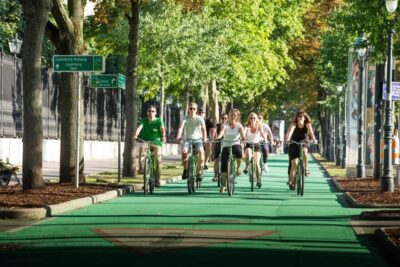
Vienna by Bike 3-Hour All-In-One City Bike Tour in English
Read our review →
Highlights of Vienna in a Historical & Cultural 3h Walking Tour
Read our review →

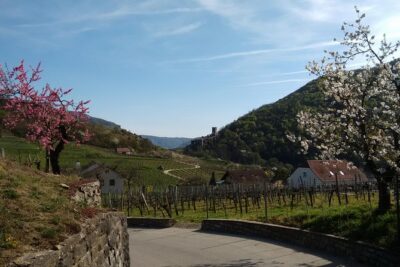
3-Hour Private Hiking Tour to historic places around Spitz in Wachau Valley
Read our review →
Browse the lists this tour appears in