
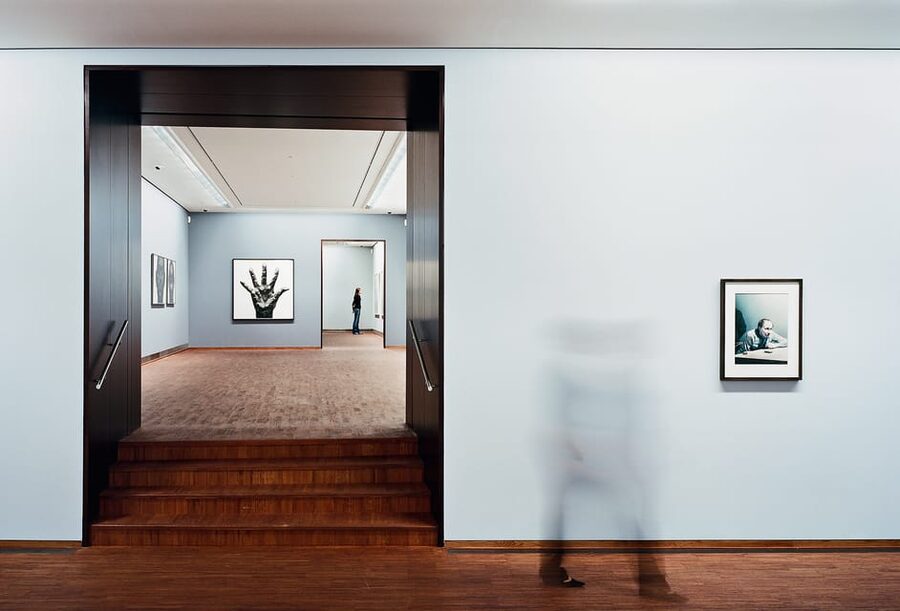
Reviewed · VIENNA ART MUSEUM TICKETS
Tickets for the Albertina Exhibitions
The Albertina gives you two very different Viennese experiences under one roof: world-class modern art and the grand apartments of the Habsburg court. One minute you are looking at Monet’s water lilies or Picasso’s experiments; the next, you are walking through rooms with chandeliers, fireplaces, Louis-seize furniture, and elaborate wall coverings.
I especially like the Monet-Picasso presentation, which links French Impressionism, Expressionism, the Russian avant-garde, Austrian art, and Picasso’s changing style. I also like the chance to see the Habsburg state rooms without booking a separate palace visit. The main drawback is that the museum can feel confusing inside, and the number of works by the biggest names may be smaller than the advertising suggests.
Key points to know before visiting
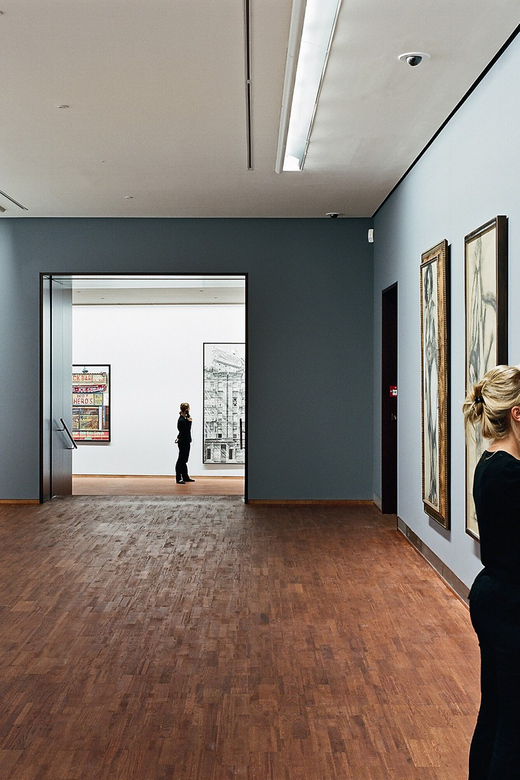
- Monet-Picasso connects major art movements from Impressionism through Picasso’s late work.
- Twenty restored Habsburg state rooms add imperial decoration to the museum visit.
- Temporary exhibitions change throughout 2026, so check the program before booking.
- At least two hours makes sense, though careful readers can spend most of a day here.
- The museum sits in central Vienna, near the State Opera, Karlsplatz, and Stephansplatz.
- Backpacks and umbrellas are not allowed, and cloakroom or locker arrangements may require cash.
Why the Albertina deserves a place in your Vienna plan
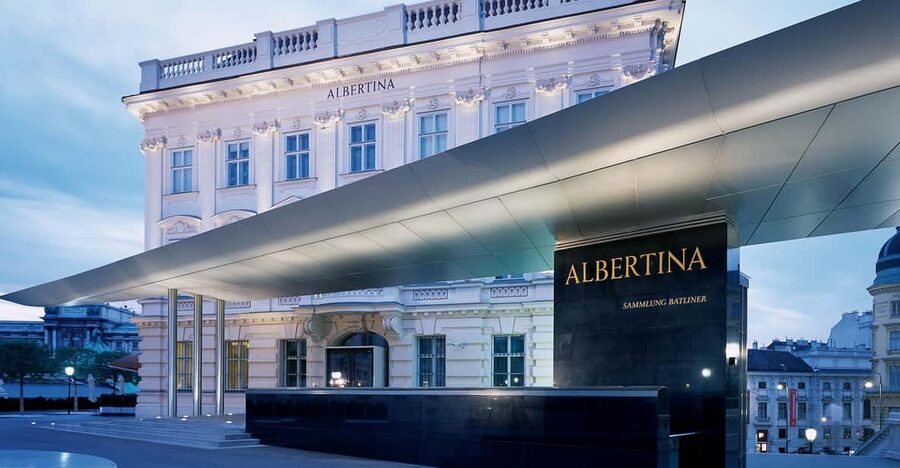
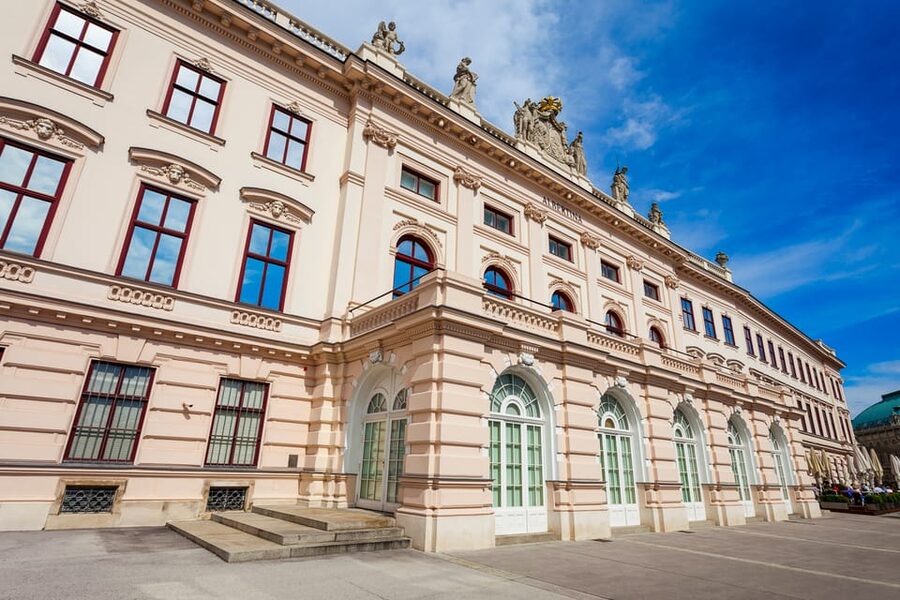
The Albertina is not simply a picture gallery. It combines a major art collection with a former Habsburg residence, so the building itself becomes part of the visit. The museum sits at Albertinaplatz, right in Vienna’s historic center, above the Hofburg area and close to the State Opera.
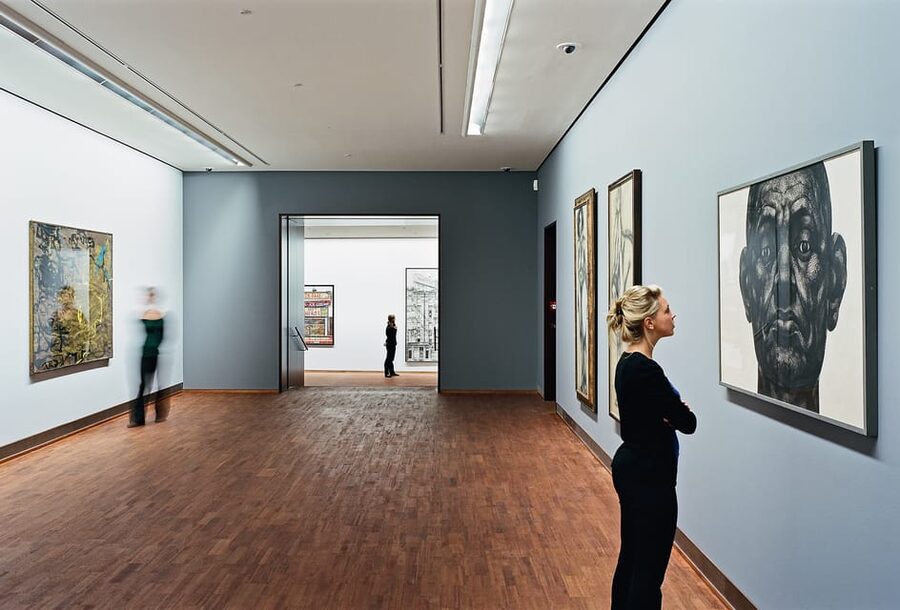
The main draw is the permanent presentation called Monet-Picasso. It takes you through key developments in European art, beginning with French Impressionism and moving through German Expressionism, the Russian avant-garde, Austrian art, and Picasso’s early Cubist and later experimental periods.
That broad sweep works well if you want an art lesson without visiting several separate museums. You can see familiar names such as Monet, Degas, Chagall, Goncharova, Kokoschka, and Picasso, while also finding artists you may not know. The presentation is arranged by artistic periods and styles, making it easier to understand how painting changed over time.
The museum was named one of the Seven Urban Wonders of the World in 2018. That title is not essential to your visit, but it reflects the Albertina’s unusual mix of location, palace interiors, and serious art.
More art museum tickets in Vienna:
- Vienna Kunsthistorisches Museum Day Admission Ticket
★ 4.6 · 3,690 reviews - Combo Ticket: Kunsthistorisches Museum & Imperial Treasury
★ 4.7 · 785 reviews - Skip the Line: Kunsthistorisches Museum Vienna Entrance Ticket
★ 4.5 · 466 reviews
Monet, Picasso, and the route through modern art
The Monet-Picasso display is the heart of the visit. It is particularly useful for anyone who knows the famous names but wants to see how they fit into a larger story.
Monet’s work gives you the soft light and shifting color associated with Impressionism. The water lily paintings are a major attraction, though you should keep your expectations measured. The Albertina has important works, but it is not a replacement for the larger Monet collections in Paris.
From there, the presentation moves toward artists who pushed painting in less gentle directions. You may encounter the stronger outlines and emotional force of Expressionism, the experimental forms of the Russian avant-garde, and important examples of Austrian art. Klimt and Kokoschka help give the Austrian section a clear local connection.
Picasso receives substantial attention, with works from his early Cubist period through his later experiments. This makes the display more useful than a simple room of famous paintings. You see how his style shifted, broke apart, and changed again.
I like this arrangement because it gives you a framework. Instead of treating every painting as an isolated masterpiece, it helps you notice the conversation between artists and periods. Labels provide background and explanations, though the audio guide does not describe every painting, so readers who want full detail should allow extra time for the written material.
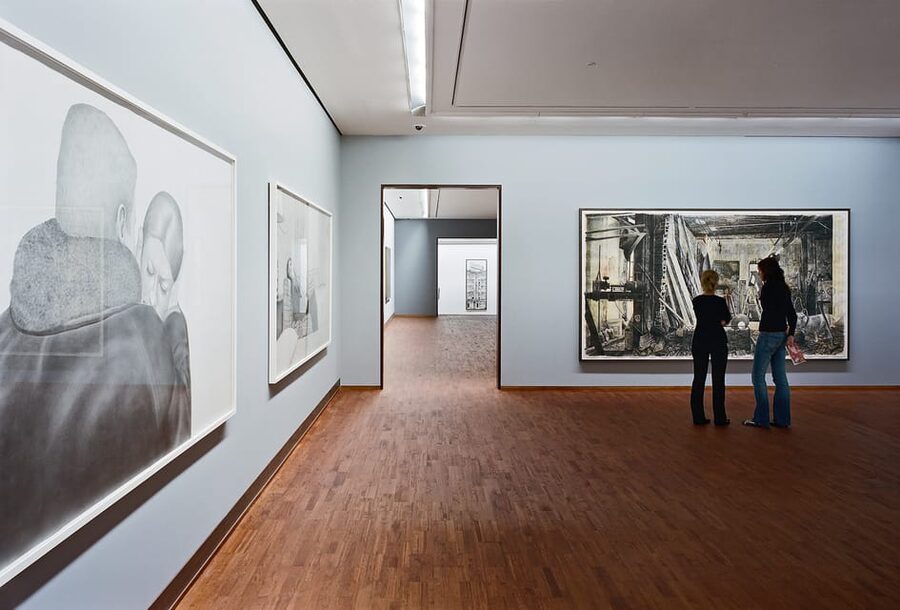
The presentation also includes drawings as well as paintings. That matters at the Albertina, because the institution is known for its works on paper as much as for its major paintings. The collection reaches beyond the advertised stars, and artists such as Sedlacek and Reyl-Hanisch may reward a slower look.
The Habsburg state rooms add a second museum
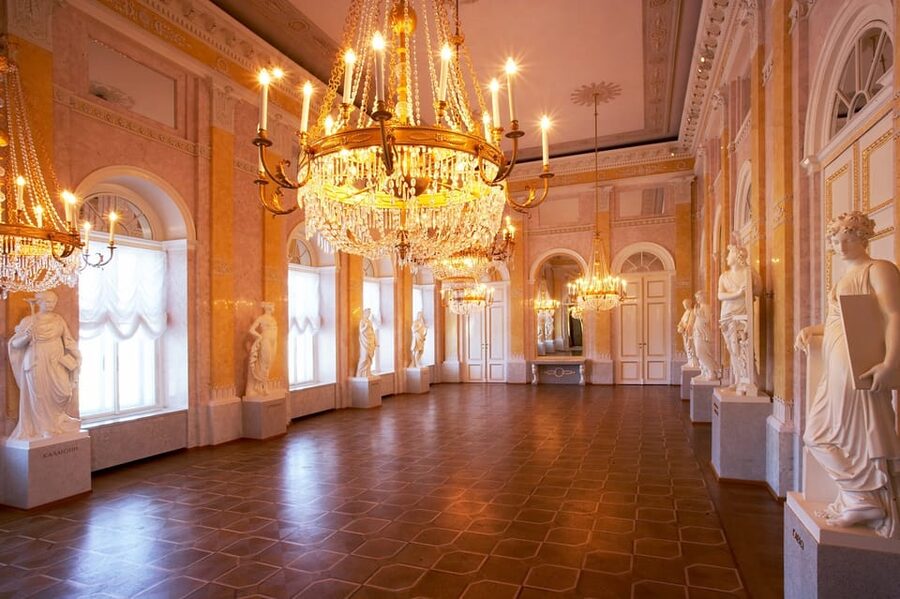
After the art galleries, make time for the 20 Habsburg state rooms. These rooms served as the residence of Habsburg archdukes and archduchesses for roughly a century.
The mood changes at once. The gallery rooms are arranged for looking at art, while the state rooms show how the imperial household wanted to live and be seen. You will find decorated walls, chandeliers, fireplaces, stoves, marquetry, and furniture in the Louis-seize style associated with the French royal workshops of Paris and Versailles.
The rooms are not a minor extra. For many people, they are one of the best parts of the Albertina because they explain the building’s past. The restored interiors also provide a useful contrast with Schönbrunn Palace. If you have already visited Schönbrunn, the Albertina rooms give you another view of court life, this time in a central city residence.
The palace section is easy to overlook if you rush toward the paintings. Do not. Even if you are not a committed art lover, the rooms give the visit a strong sense of place and help explain why the museum feels different from a modern gallery.
Temporary exhibitions in 2026
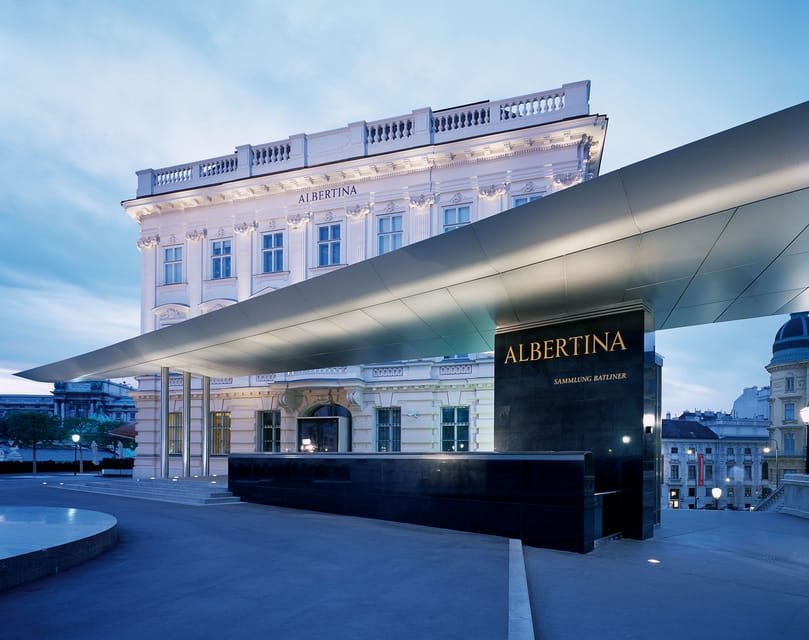
The Albertina adds up to five temporary exhibitions alongside Monet-Picasso. These shows change the character of the visit, so check the dates before you go.
The 2026 program includes:
- Lisette Model: Retrospective, through February 22, 2026
- Fascination Paper: Rembrandt to Kiefer, through March 22, 2026
- Leiko Ikemura: Motherscape, through April 6, 2026
- Honoré Daumier: Mirror of Society, February 6 through May 25, 2026
- Care Matters: An Exhibition of the VERBUND COLLECTION, March 12 through June 28, 2026
- Richard Prince: Retrospective, April 17 through August 16, 2026
- Helga Philipp: Spaces of Motion, May 1 through September 20, 2026
- Collecting for the Future: 250 Years of the ALBERTINA Museum, June 16 through October 11, 2026
- Travel Photography, July 15 through October 26, 2026
- Picasso and Bacon: What it means to be human, September 18, 2026 through January 31, 2027
- Shara Hughes, October 9, 2026 through February 28, 2027
- Women Artists of the Albertina, October 30, 2026 through January 17, 2027
These dates matter because your ticket includes the temporary exhibition available during your visit, not every show listed above. A particular exhibition may also close briefly for an event, so check the Albertina’s website on the day you plan to go.
The changing program is a reason to return. A visitor interested in photography, works on paper, women artists, or contemporary painting may find a very different museum on a second visit.
More museums and galleries in Vienna:
- Vienna: Skip-the-Line Sisi Museum, Hofburg and Gardens Tour
★ 4.8 · 5,918 reviews - Sigmund Freud Museum Ticket
★ 4.6 · 1,668 reviews - Vienna: St. Stephen’s Cathedral & Dom Museum Wien Tickets
★ 4.5 · 1,652 reviews - Vienna: Hofburg and Empress Sisi Museum Guided Tour
★ 4.7 · 1,460 reviews
How long to allow and how to pace the visit
Plan on at least two hours for a normal visit. That gives you time for the main art presentation, the Habsburg rooms, and one or more temporary shows without racing.
If you read every label, you could spend much longer. One careful visit lasted from late morning until midafternoon, which is realistic for anyone who likes to study the art rather than simply walk through it.
I suggest starting with the main collection while you are fresh. Follow the numbered areas if they are in place during your visit, but expect the layout to require some attention. Signage can be limited, and the route to the exit or the next gallery is not always obvious.
Then visit the temporary exhibitions and finish with the state rooms, or reverse that order if the galleries are busy. Morning visits may be calmer, while crowds can build later in the day. The museum is also a sensible choice for a rainy Vienna afternoon, especially because you can spend several hours indoors without feeling that you have exhausted the place quickly.
Tickets, price, and what the $23 buys you
Admission costs about $23 per person. That is fair value if you plan to see both the permanent Monet-Picasso display and the temporary exhibitions, then take time for the Habsburg rooms.
The price becomes especially reasonable when a temporary show is one of your main reasons for visiting. You are not paying only to see a palace interior or only to see a small selection of famous paintings. The ticket combines the permanent collection, a temporary exhibition, and the state rooms.
A combo ticket may also be available if you want to add another Albertina venue. One option mentioned in the booking information is Albertina Modern. The extra cost can make sense if you have a strong interest in contemporary art and enough time in Vienna, but do not add it automatically. The main Albertina already fills a substantial part of a day.
The admission is designed for a flexible visit valid from one to 365 days, with availability and starting times shown during booking. Free cancellation is available up to 24 hours in advance, and you can reserve now and pay later. Those terms help if your Vienna schedule is still shifting.
Keep one practical point in mind: a mobile ticket may not always mean walking directly into the gallery. One past admission required a ticket pickup at the counter, and a scanning problem was reported at Albertina Modern. Allow a little time at the entrance rather than planning your arrival down to the minute.
Location and getting there
The entrance is at:
Albertina
Albertinaplatz 1
1010 Vienna
The museum is easy to combine with central Vienna sightseeing. It is close to the Hofburg, the State Opera, Kärntner Straße, and Stephansplatz. You can use the U1, U2, or U4 to Karlsplatz or Oper, or the U3 to Stephansplatz.
Trams 1, 2, D, 62, 65, and the Badner Bahn stop near Staatsoper or Kärntner Ring. Citybus 3A stops at Albertina.
Because of the central location, you do not need to build a separate cross-city excursion around this museum. It fits naturally before or after the Hofburg, the Opera, or a walk through the inner city.
What to bring and what to leave behind
Backpacks and umbrellas are not allowed inside. You may use lockers or a cloakroom, but cash may be required, so carry some euros even if you normally pay by card.
An audio guide can be booked separately in German, English, French, Italian, Czech, Russian, Japanese, and Spanish. The language range depends on the time of year and current supply, so a particular language is not guaranteed.
The audio guide covers selected works rather than every painting. If you want a full explanation of the collection, combine it with the printed labels and allow extra time. The museum’s written information is useful for putting the artists and styles in context.
Who will enjoy the Albertina most
I would recommend the Albertina to first-time Vienna visitors who want a major museum without giving up the city’s imperial character. It also works well for people who only occasionally visit art galleries, since Monet, Picasso, Klimt, and other familiar names provide an easy starting point.
It is a good rainy-day plan, a strong choice for art lovers, and a useful stop for anyone interested in palace interiors. Families with mixed interests may also find the combination helpful: one person can focus on the paintings while another enjoys the state rooms.
You may be less satisfied if you expect a vast collection devoted only to Monet or Picasso. The museum presents a broad selection, not an exhaustive survey of either artist. You should also expect some navigation effort, especially if you prefer a clearly marked one-way route.
Should you book the Albertina ticket?
Book it if you want art, architecture, and a central location in one visit. The Monet-Picasso display gives you a strong introduction to major modern movements, while the Habsburg rooms provide the imperial setting that makes the Albertina distinct.
Before paying, check which temporary exhibition will be open during your dates. That may be the deciding factor. If you have at least two hours and an interest in either art or Vienna’s court history, the $23 ticket offers solid value. If your schedule is very tight, choose another day or visit only when a temporary exhibition matches your interests.
FAQ
Where is the Albertina Museum?
The Albertina is at Albertinaplatz 1 in Vienna’s 1010 district, near the State Opera and the Hofburg.
How much does admission cost?
The listed price is $23 per person.
What does the ticket include?
The ticket includes admission to the Albertina Museum, the permanent Monet-Picasso presentation, and the temporary exhibition available during your visit.
How long is the visit?
The ticket is valid for a period of one to 365 days, depending on the booking. For the museum visit itself, plan at least two hours if you want to see the main collection, temporary exhibition, and Habsburg state rooms.
Is the audio guide included?
No. The audio guide costs extra and may be available in German, English, French, Italian, Czech, Russian, Japanese, or Spanish. Specific languages are not guaranteed.
Are backpacks and umbrellas allowed?
No. Backpacks and umbrellas are not allowed inside the museum.
How do I reach the Albertina by public transport?
Take the U1, U2, or U4 to Karlsplatz or Oper, or the U3 to Stephansplatz. Trams 1, 2, D, 62, 65, and the Badner Bahn stop near Staatsoper or Kärntner Ring. Citybus 3A stops at Albertina.
Can I cancel the booking?
Yes. You can cancel up to 24 hours in advance for a full refund.
Do the opening hours ever change?
Yes. Opening hours may change on public holidays, and exhibitions can close temporarily for events. Check the Albertina website for current times before visiting.
Just reviewed in Vienna
- World War II History Vienna Old Town Private Walking Tour★ 4.8 · 9 reviews
- Vienna: Wine Tasting E-Bike Tour★ 4.9 · 46 reviews
- Vienna: Winery and Wine Tasting Tour with a Wine Expert★ 5.0 · 5 reviews
- Vienna: Unforgettable Private City Tour★ 5.0 · 7 reviews
- Vienna Urban Art Tour: Explore a different side of Vienna!★ 3.8 · 14 reviews
- Vienna: Concert by the Vienna Baroque Orchestra★ 4.6 · 56 reviews
- Vienna: Sunday Brunch Danube Cruise & Live Music★ 4.2 · 42 reviews
- Vienna Supreme Orchestra at Palais Niederösterreich★ 4.8 · 10 reviews
Vienna Art Museum Tickets, compared.
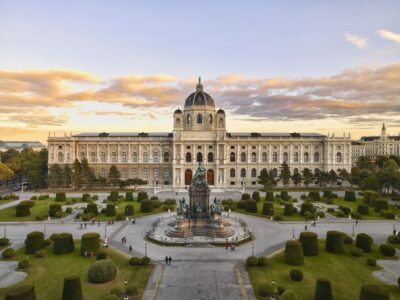
Vienna Kunsthistorisches Museum Day Admission Ticket
Read our review →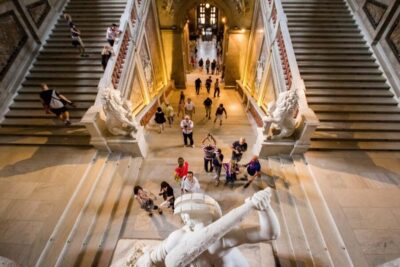
Combo Ticket: Kunsthistorisches Museum & Imperial Treasury
Read our review →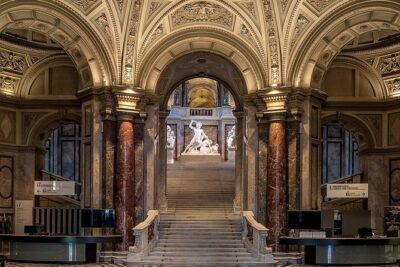
Skip the Line: Kunsthistorisches Museum Vienna Entrance Ticket
Read our review →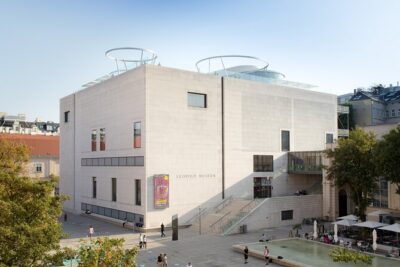
Leopold Museum Vienna Entrance Ticket
Read our review →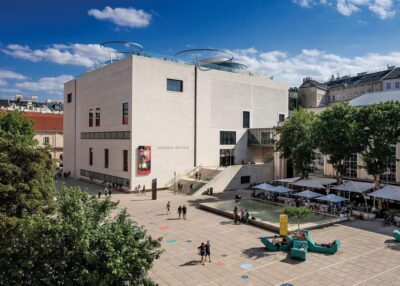
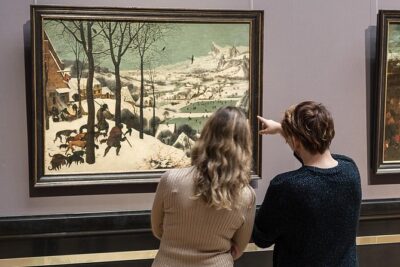
Kunsthistorisches Museum Vienna and Imperial Treasury of Vienna
Read our review →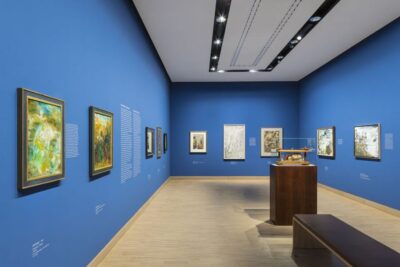
Albertina Modern at Künstlerhaus Entry Ticket
Read our review →
Kunsthistorisches Museum Guided Tour incl. admission
Read our review →Browse the lists this tour appears in