
Reviewed · VIENNA GHOST AND DARK HISTORY TOURS
Vienna: Underground WWII Bunker Ticket and Guided Tour
Vienna’s wartime past becomes far more immediate when you walk down into a non-public World War II air raid shelter. This 90-minute tour takes you beneath the city to see preserved bunker spaces, wartime objects, and the cramped setting where civilians sought safety during Allied bombing raids.
I like the combination of the shelter and the Museum of Liberation of Vienna 1945 to 1955, since your ticket gives you more than a tunnel walk. I also like the candlelit atmosphere used on some tours, which helps you picture the fear and uncertainty of shelter life. The main drawback is that the tour is German-only, and the quality of explanation may depend heavily on the guide leading your group.
Key things to know before going
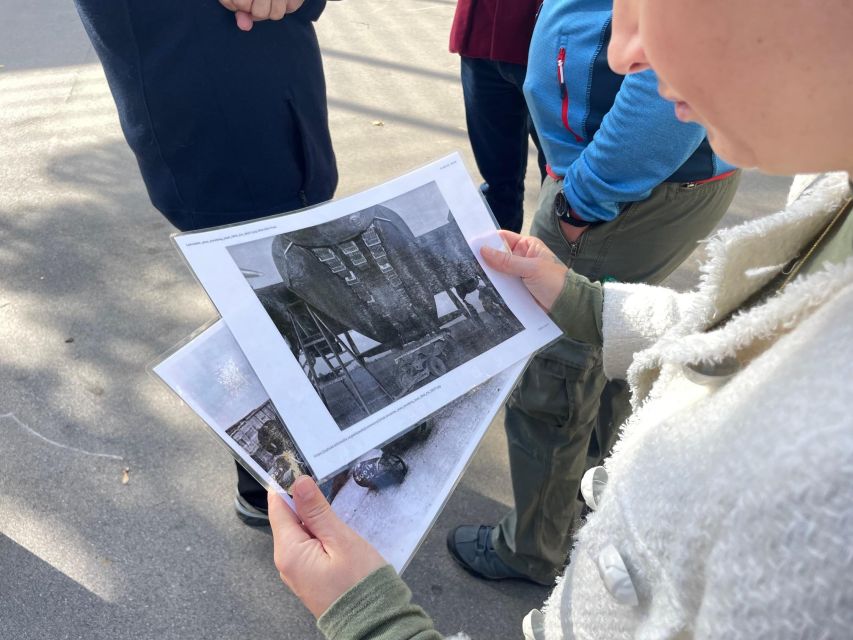
- The shelter is in an undisclosed underground location: Meet at the Museum of Liberation, then follow the guide to a bunker that is not open to the public on its own.
- The tour lasts 90 minutes: That gives you time for the bunker, objects, stories, and historical context without taking up an entire afternoon.
- The focus goes beyond military history: You’ll hear about annexation, civilian life during bombing raids, political change, and Austria’s difficult reconstruction.
- The atmosphere can be candlelit: This adds a strong sense of place, though it may make the bunker darker and less comfortable for some visitors.
- The tour is in German: No English-language guiding is listed, so you need a good command of German to follow the full explanation.
- Plan for stairs and uneven access: The site is not barrier-free and is unsuitable for people with mobility impairments.
Why this bunker feels different from a standard museum visit
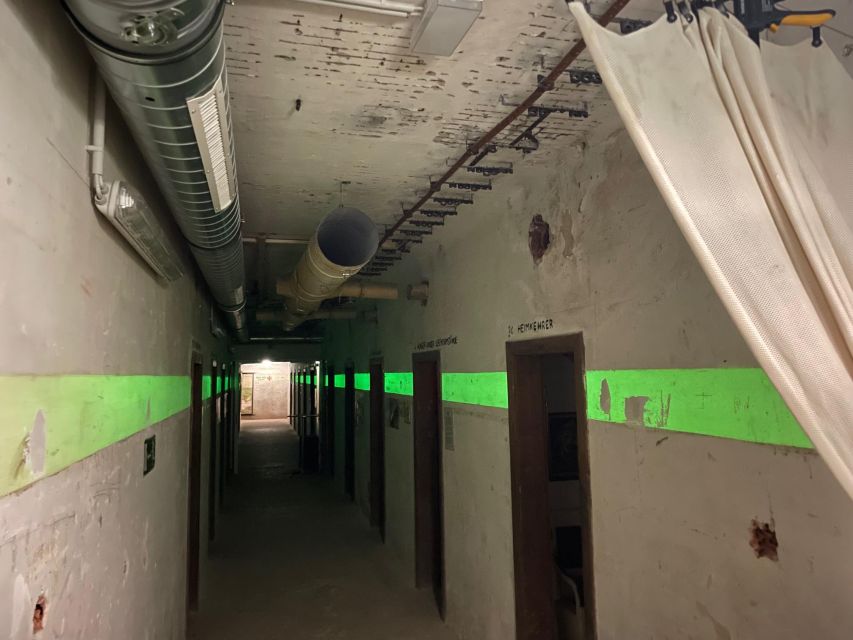
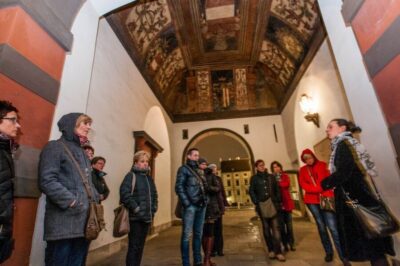
Many wartime museums rely on photographs, uniforms, maps, and text panels. This experience gives you the physical setting itself. You go underground, pass through a former air raid shelter, and see the kind of space where ordinary people waited while bombs fell above them.
That change in scale matters. A display case can explain how air raids affected Vienna. A bunker lets you think about what it meant to stand shoulder to shoulder underground, unsure how long you would remain there or what you would find when you returned upstairs.
The shelter is described as well preserved and not normally open to the public. That makes access a central part of the experience. You are not simply entering another museum room. You are being taken into a place kept out of the usual sightseeing circuit, through a meeting arrangement that keeps its exact location discreet.
I like that the tour does not treat the bunker as a spooky attraction without context. The guide explains why the shelter mattered, how civilians used it, and how wartime events affected Austrian society. The setting supplies the emotion, while the commentary should help you understand the events around it.
More dark history and ghost walks:
- Vienna: 1.5-Hour Underground Walking Tour
★ 4.9 · 1,146 reviews - Vienna: Ghosts and Legends Guided Nighttime Walking Tour
★ 4.4 · 1,088 reviews - “The Third Man” Film Location Tour
★ 4.9 · 315 reviews
Meeting at the Museum of Liberation
Your starting point is the entrance to the Museum of Liberation of Vienna 1945 to 1955. This museum visit is included in the ticket, and it gives the bunker tour a useful frame: the museum covers the period from the end of the war into the years of occupation and reconstruction.
Be careful at the meeting point. The entrance can be difficult to spot, and a clearer sign would make things easier. Give yourself extra time to find it rather than arriving at the last minute. The instructions say to meet in front of the museum entrance, so check that you are at the correct doorway before the guide gathers the group.
From there, the guide leads you underground to the shelter. The separate entrance also means you can skip the regular line, a small but useful benefit if the museum is busy.
The guide is German-speaking, and no other language is listed. If you understand German well, you can follow the stories and political background directly. If you do not, the physical setting may still interest you, but much of the value comes from the spoken explanation, so this is not a tour I would book casually without checking your language ability.
Entering the former air raid shelter
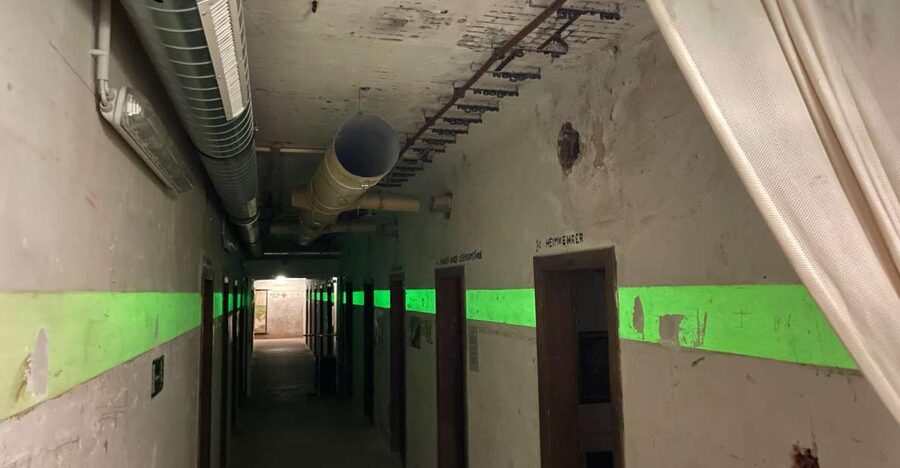
The first major moment is the move underground. The exact bunker location is kept undisclosed, and the shelter is not publicly accessible without the guided visit. That gives the entry a sense of discovery, though you should not expect a theatrical secret passage or a staged escape-room setup.
You will see the architecture of a working air raid shelter and learn how it functioned as a place of refuge. The focus is on civilians, not only soldiers or battlefield strategy. Your guide explains what people faced during bombing raids and how the shelter fitted into daily life in wartime Vienna.
The bunker itself is the strongest reason to book. Its walls and layout provide information that words alone cannot. Even a plain corridor or confined room can show you the limits of privacy, comfort, and movement in an emergency shelter.
The atmosphere may be enhanced with candles. That lighting has been used to make the bunker feel closer to its wartime character, and it can be striking. At the same time, candles and underground spaces mean this is not the best setting for anyone who needs bright, even lighting. Wear comfortable shoes, and expect a visit that feels more like exploring an old working site than strolling through a polished gallery.
Artifacts, stories, and civilian life
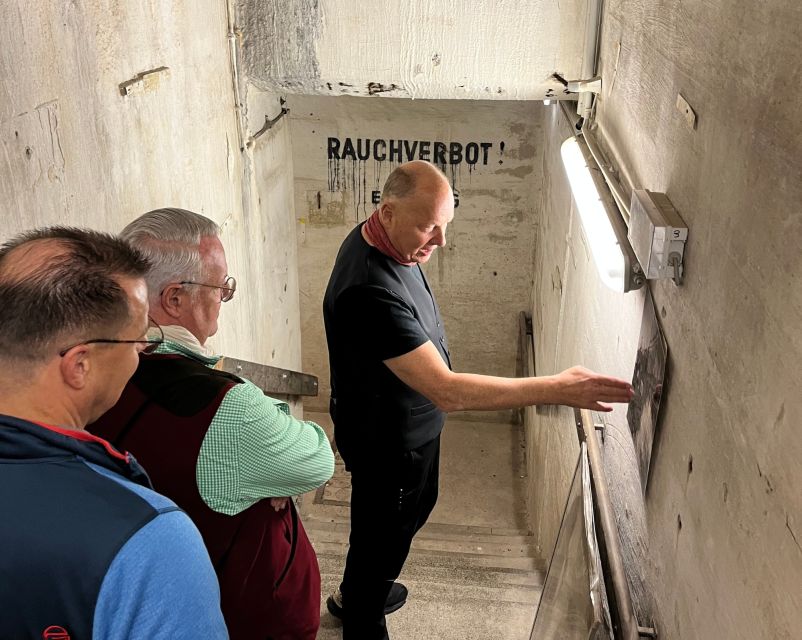
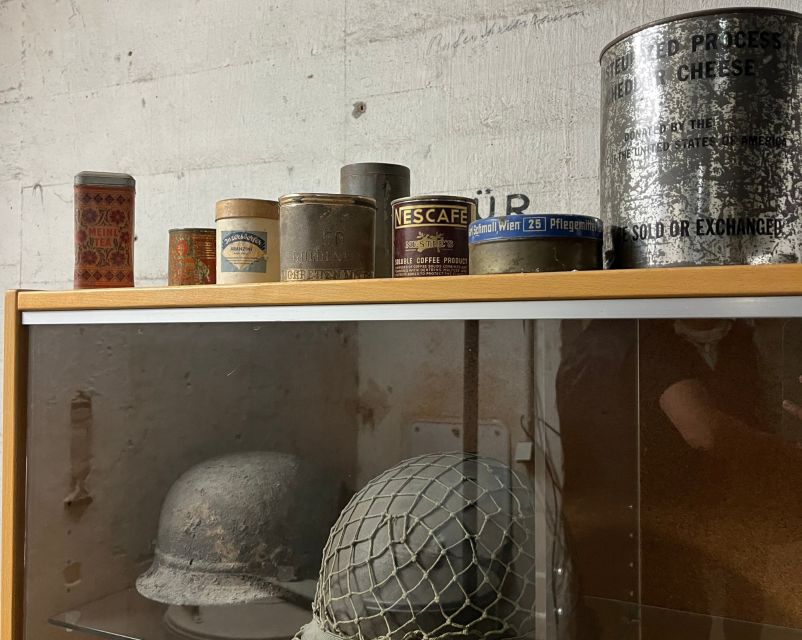
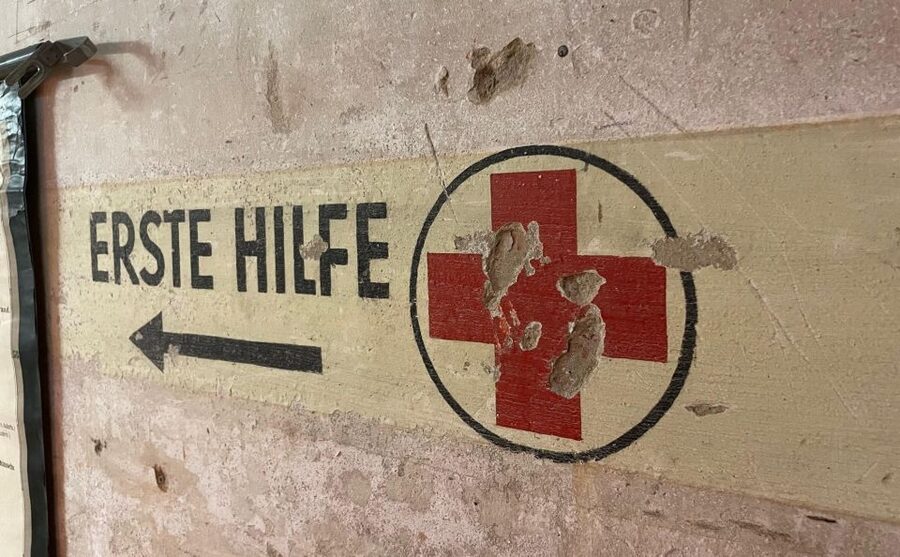
The tour includes historical artifacts and objects connected with the period. The supplied information does not identify each item, so you should not expect a fixed list of famous pieces. The value is in seeing objects in the shelter setting, where they help connect large political events with ordinary routines.
Your guide also shares anecdotes about life underground and stories passed down by people who experienced the period. One highly praised aspect of the guiding is the use of personal accounts from contemporaries. These details can give the tour a human scale, showing how people waited, worried, listened, and tried to maintain some form of normal life.
This is where the guide matters most. A strong guide can take a bare room and explain why it was built, how it was used, and what it meant to people at the time. Several aspects of the experience depend on clear storytelling rather than on labels placed around the bunker.
The guiding quality may not be perfectly consistent. One detailed assessment praised the bunker but found the explanation disorganized, with the guide losing the thread and struggling to present the material in a clear order. That is worth keeping in mind. The site itself has lasting interest, but your understanding of it will depend on how well the guide connects the rooms, objects, and historical events.
A few more Vienna outings worth weighing up
- Vienna: Classic Ensemble Vienna in St. Peter’s Church Ticket
★ 4.7 · 4,819 reviews - Vienna Kunsthistorisches Museum Day Admission Ticket
★ 4.6 · 3,690 reviews - Vienna: Tickets for Mozarthaus Vienna with Audio Guide
★ 4.2 · 2,344 reviews - Vienna: Skip-the-Line Entrance Ticket to the Danube Tower
★ 4.5 · 2,303 reviews
The political story behind the shelter
This is not just a tour about concrete walls and air raids. The guide also places the bunker in the wider story of Austria during and after World War II.
You will hear about the annexation of Austria and the political changes that followed. You will also learn about the pressures of reconstruction after the war. These subjects matter because the shelter was not an isolated wartime object. It belonged to a city shaped by dictatorship, bombing, occupation, shortages, and the difficult work of rebuilding public life.
The tour aims to connect the physical bunker with those political and social changes. That helps prevent the visit from becoming a simple collection of dramatic war anecdotes. You get a clearer sense of how major events affected people in Vienna and why the postwar years remained difficult even after the bombing stopped.
I especially like this wider frame for visitors who have already seen Vienna’s imperial palaces and art museums. The bunker shows another side of the city, one tied to the twentieth century and to experiences that are less visible in the grand center.
Still, remember that the tour is only 90 minutes. It can introduce the main issues, but it cannot explain every part of Austrian wartime politics or postwar society. If you want a full study of the period, treat this as a focused historical visit rather than a complete course.
How the 90-minute timing works
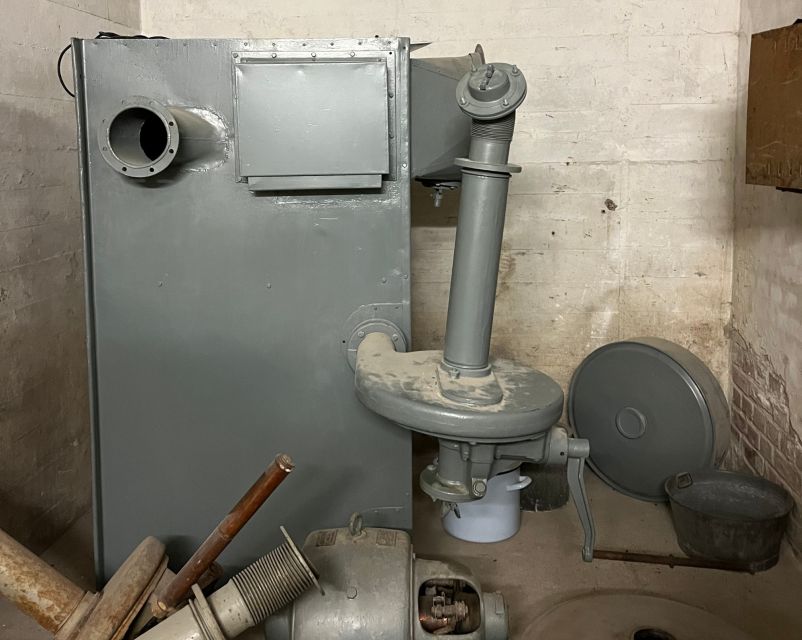
The duration is long enough to make the underground visit worthwhile but short enough to fit beside other Vienna plans. You should expect the time to be divided between meeting at the museum, entering the bunker, moving through the shelter, looking at objects, and listening to the guide.
The pace will likely be steady rather than leisurely. You are there to follow the guide through a non-public site, not to linger alone in each room. If you like taking long photographs or reading every label at your own speed, this format may feel restrictive. Cameras are not allowed, so you will need to pay attention rather than document the visit.
That rule may frustrate photographers, but it also keeps the focus on the place and the explanation. You can take mental notes, but do not plan on recording the bunker for later.
The tour runs rain or shine. Since much of the experience is underground, poor weather will not ruin the main visit, though you still need to get to the meeting point outdoors. Comfortable shoes are the one clear packing tip, and they are sensible for any tour involving stairs and old underground flooring.
Is the $35 price fair?
At $35 per person, the cost is reasonable if you value access to an otherwise closed historical site and want guided context in addition to entry. The ticket includes the Museum of Liberation entry and the live guided tour, so you are paying for both the museum connection and the bunker access.
The value is less obvious if you speak little or no German. Since the guide is German-speaking, much of what makes the tour worthwhile may be lost. In that case, the bunker still offers a visual and atmospheric experience, but you would not receive the full historical explanation included in the price.
The ticket also works best for people who prefer focused experiences over large museums. You are not paying for an entire day of exhibits. You are paying for a short, specialized visit to a place that is not normally accessible.
Free cancellation up to 24 hours before the tour and the option to reserve now and pay later add useful flexibility. You can fit it into a changing Vienna schedule without locking up the money immediately.
Who should book this experience?
I would choose this tour if you have a strong interest in World War II, civilian life, twentieth-century Austria, or unusual historical sites. It also suits repeat visitors who have already seen Vienna’s main sights and want a less familiar part of the city’s story.
It is a good match for visitors who enjoy listening to a guide and using their imagination. The bunker is not presented as a glamorous attraction. Its appeal comes from the discomfort, confinement, and seriousness of the setting.
You should think twice if you need step-free access, dislike enclosed underground spaces, or want an English-language tour. The activity is not barrier-free and is not suitable for people with mobility impairments. It is also listed as unsuitable for people over 95.
Families and younger visitors may find the bunker memorable, but the subject is serious. This is a historical experience about bombing, fear, political repression, and social disruption. It is not a light sightseeing stop.
Practical tips for a better visit
Arrive early enough to locate the museum entrance. The meeting point can be hard to find, and there is no advantage in rushing into a tour about to move underground.
Wear shoes that are comfortable for walking and suitable for old underground surfaces. Leave your camera at home or stored securely, since cameras are not allowed inside the tour.
Use the visit as a chance to ask yourself practical questions: How would civilians organize themselves in this space? What would they hear above ground? How would they know when it was safe to leave? Those questions help you get more from the shelter than simply looking at its walls.
If you are booking around another activity, allow a little breathing room before and after the scheduled 90 minutes. The official duration is clear, but meeting a guide at an unfamiliar museum entrance and moving as a group underground can make a tight schedule uncomfortable.
Should you book the Vienna bunker tour?
Book it if you want a direct encounter with Vienna’s wartime past and can follow German guiding. The preserved shelter, wartime objects, candlelit mood, and personal stories give the experience a strong sense of place. The included museum entry adds useful context, and the $35 price is fair for access to a normally closed site.
Skip it if you need English, step-free access, or a polished museum presentation. The guide may be excellent, but the quality of explanation can vary, and the bunker itself will not provide much written information to compensate.
For the right visitor, this is one of Vienna’s more unusual history outings. Go for the shelter, stay for the stories, and make sure you arrive with comfortable shoes and enough German to follow the discussion.
FAQ
Where does the tour meet?
Meet your guide in front of the entrance to the Museum of Liberation of Vienna 1945 to 1955.
How long does the tour last?
The tour lasts 90 minutes.
What language is the tour in?
The live tour guide speaks German.
Is entry to the museum included?
Yes. The ticket includes entry to the Museum of Liberation of Vienna 1945 to 1955.
Can I bring a camera?
No. Cameras are not allowed on the tour.
Is the tour suitable for people with mobility impairments?
No. The tour is not barrier-free and is not suitable for people with mobility impairments. It is also listed as unsuitable for people over 95.
Just reviewed in Vienna
- World War II History Vienna Old Town Private Walking Tour★ 4.8 · 9 reviews
- Vienna: Winery and Wine Tasting Tour with a Wine Expert★ 5.0 · 5 reviews
- Vienna: Wine Tasting E-Bike Tour★ 4.9 · 46 reviews
- Vienna: Unforgettable Private City Tour★ 5.0 · 7 reviews
- Vienna Urban Art Tour: Explore a different side of Vienna!★ 3.8 · 14 reviews
- Vienna: Concert by the Vienna Baroque Orchestra★ 4.6 · 56 reviews
- Vienna: Sunday Brunch Danube Cruise & Live Music★ 4.2 · 42 reviews
- Vienna Supreme Orchestra at Palais Niederösterreich★ 4.8 · 10 reviews
Vienna Ghost and Dark History Tours, compared.

The Great Plague Exploration Game
Read our review →Browse the lists this tour appears in