
Reviewed · BELVEDERE PALACE TOURS
Vienna: Klimt Villa (Gustav Klimt Atelier & Museum) Ticket
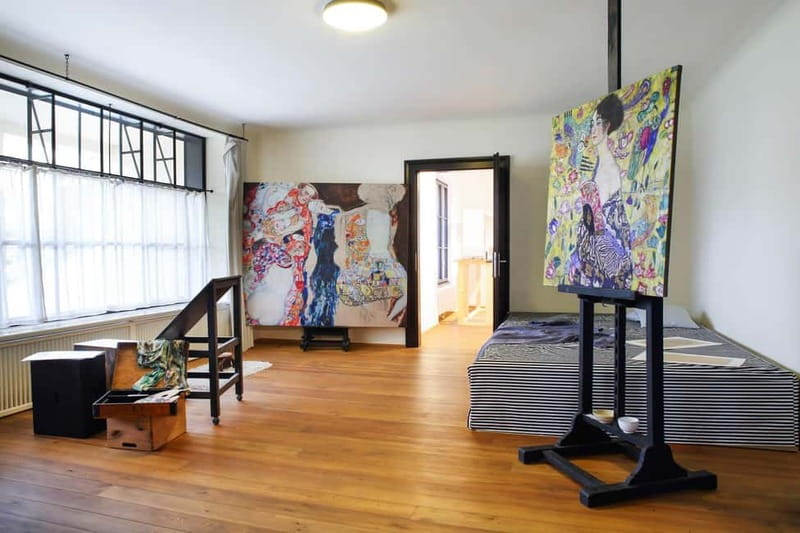
Gustav Klimt’s final studio is the heart of this visit. The room was preserved through an unusual room-in-room construction, giving you a direct look at the place where he worked from 1911 until his death in 1918. I especially like the small scale of the studio and the chance to connect it with works such as Adele Bloch-Bauer II and The Bride.
I also like the restored garden, where Damask roses known as the Klimt Rose bloom from mid-May to late June. The main drawback is that the experience is fairly focused: if you want a large collection of original Klimt paintings, this is not that kind of museum. The first-floor gallery can also be closed for a private event.
Key points at a glance
- Klimt’s final workplace: See the reconstructed studio and reception room where he worked during the last years of his life.
- Klimt Lost exhibition: Learn about the persecution, theft, and long restitution battles involving Klimt collectors during National Socialism.
- Historic garden: Walk among restored planting and Damask roses, with the best rose display usually from mid-May to late June.
- Useful $11 ticket: The admission includes the villa, garden, studio, and Klimt Lost, making it a reasonable short museum stop.
- Optional multilingual guide: Smartphone audio content is available in 20 languages, including English, German, French, Spanish, Italian, Chinese, Japanese, and Korean.
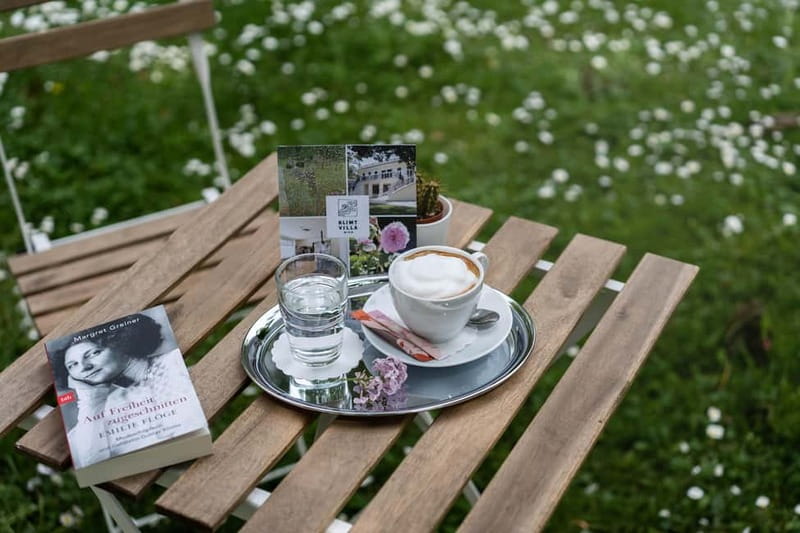
- Seasonal café: On fair-weather weekends from May through September, you can stop for Viennese coffee and cake in the garden.
Entering the Klimt Villa in Vienna
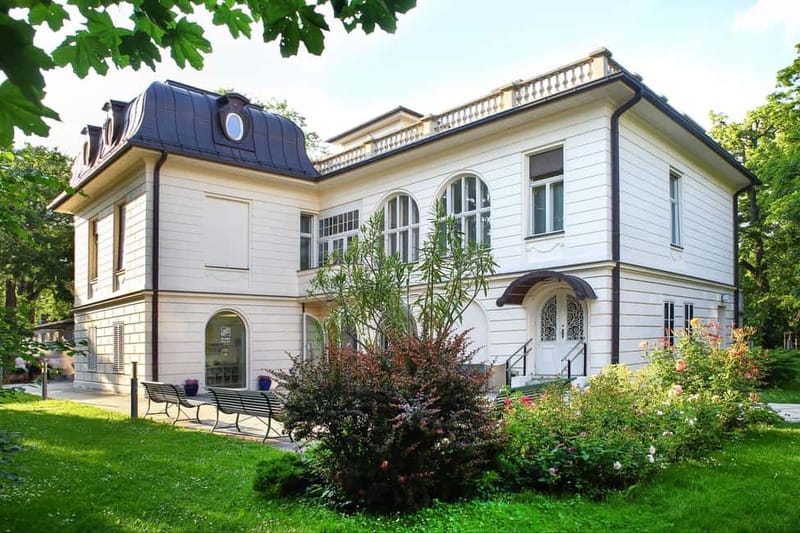
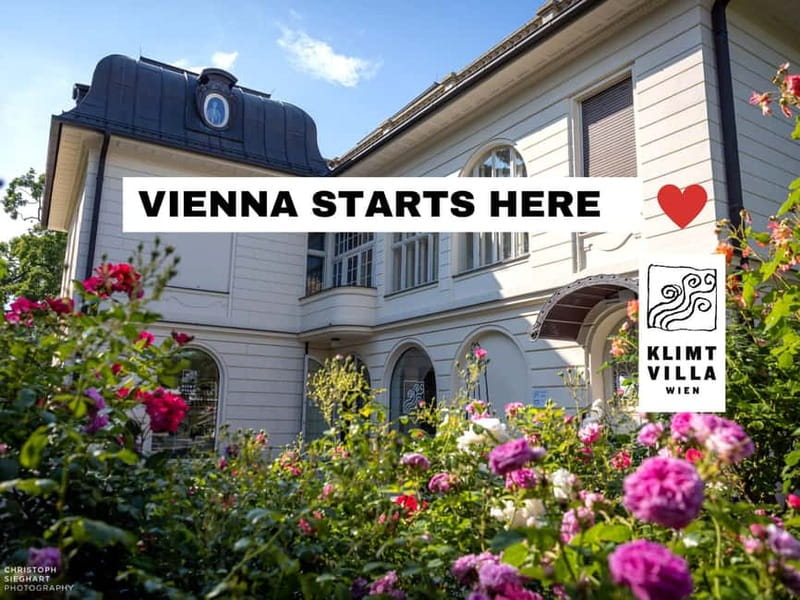
The Klimt Villa gives you something most Klimt exhibitions cannot: a sense of place. Instead of walking through a large gallery filled with paintings from different periods, you enter a two-story neo-baroque building connected to the artist’s final working years.
Klimt used this site from 1911 until his death in 1918. During that time, he worked on major pieces including Friederike Beer, The Bride, Adam and Eve, Lady with Fan, and Adele Bloch-Bauer II. The paintings themselves are not the main reason to come here, since the villa is not presented as a large collection of original Klimt masterpieces. The value comes from seeing the setting where those late works took shape.
Your ticket is valid for one day, with available starting times shown when you book. The visit begins at the Klimt Villa Ticket Shop and ends back at the same meeting point. Admission costs about $11 per person, a modest price for a museum visit that includes both indoor displays and outdoor space.
Entry is designed to be straightforward. A published rating of 4.7 out of 5 from 50 assessments fits the practical strengths here: admission has been reported as smooth, with no waiting at entry and staff described as friendly and helpful. That matters if you are fitting the villa between other Vienna sights.
More Belvedere and Klimt visits:
- Entry Ticket Upper Belvedere, Klimt’s Kiss & Permanent Collection
★ 4.5 · 831 reviews - Vienna: Lower Belvedere Entry Ticket & Temporary Exhibitions
★ 4.1 · 275 reviews - Vienna: Belvedere Palace Skip-the-Line Tour
★ 4.9 · 197 reviews
The preserved final studio
The studio is the main event. Klimt’s original workplace was once a ground-floor garden house. After his death, the site changed into the neo-baroque villa you see today. A room-in-room construction helped preserve the original working space inside the later building.
That arrangement gives the visit a useful bit of architectural drama. You are not simply seeing a room decorated to look old. You are looking at a preserved part of the site, set within a structure that developed after Klimt’s lifetime.
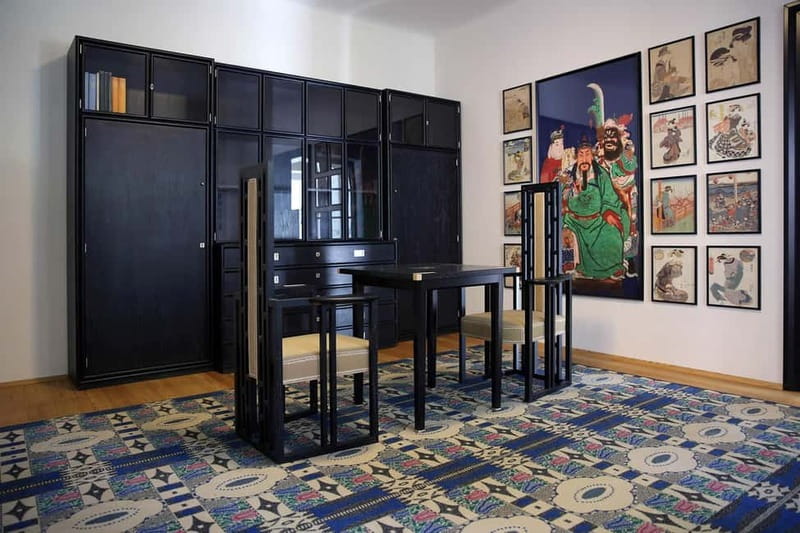
The studio and reception room are the most important rooms to take your time with. They help explain Klimt’s working world without pretending to recreate every detail of his daily life. You can consider the contrast between the public image of Klimt, known for gold-toned paintings and elaborate decorative surfaces, and the quieter setting where he produced his work.
I suggest beginning with the room itself before reaching for the audio guide. Look at the proportions, the relationship between the studio and garden, and the way the building protects the older space. Then use the guide if you want extra context.
The optional smartphone guide is available in English, French, German, Italian, Spanish, Polish, Korean, Chinese, Czech, Portuguese, Hungarian, Russian, Japanese, Greek, Romanian, Turkish, Danish, Dutch, and Hindi. Exhibition labels and descriptions are in German and English, so English speakers can visit without relying on the audio content.
Klimt Lost and the difficult story behind the art
The Klimt Lost exhibition gives the villa more weight than a simple artist’s house visit. It examines the persecution and looting of Klimt collectors and artworks during National Socialism.
This is not a cheerful side display about missing paintings. It deals with the people who owned the works, the violence and discrimination they faced, and the long fights that followed over restitution and justice. The surviving collectors and their families often spent decades trying to recover property or receive recognition for what had been taken.
That context matters because Klimt’s works are often discussed mainly for their beauty, surface, and place in Viennese Modernism. Here, you are asked to consider the human cost connected to ownership, forced loss, and the movement of art through wartime Europe.
Take your time with the labels. The exhibition is presented in German and English, and the material is best approached slowly rather than treated as a quick corridor on the way to the garden. If your interest in Klimt includes provenance, museum ethics, or restitution, this part may be as important as the studio.
The subject matter can feel heavy. That is appropriate to the story, but it may not suit someone looking only for a light art outing. The villa does not avoid the uncomfortable parts of Klimt’s legacy, and that is one of its strengths.
The restored garden and the Klimt Rose
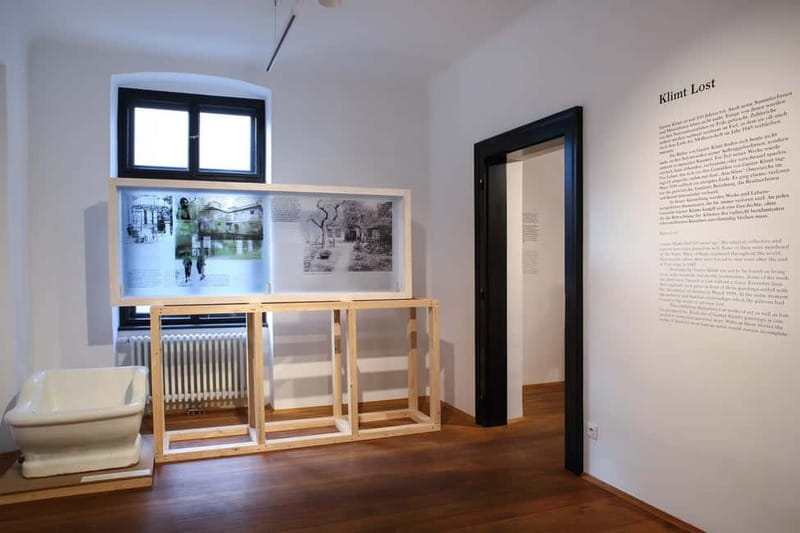
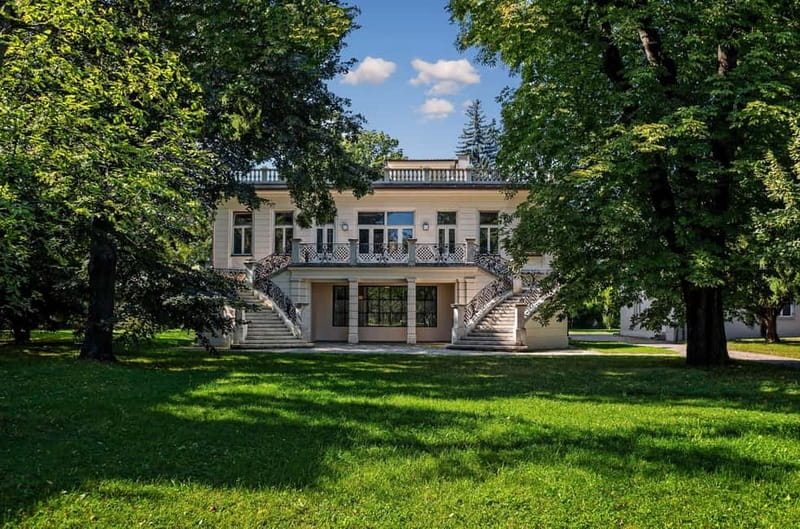
Outside, the mood changes. The villa is surrounded by a spacious garden that is being restored to preserve its historic character. The planting offers a sense of the floral setting that once surrounded Klimt’s studio and influenced his work.
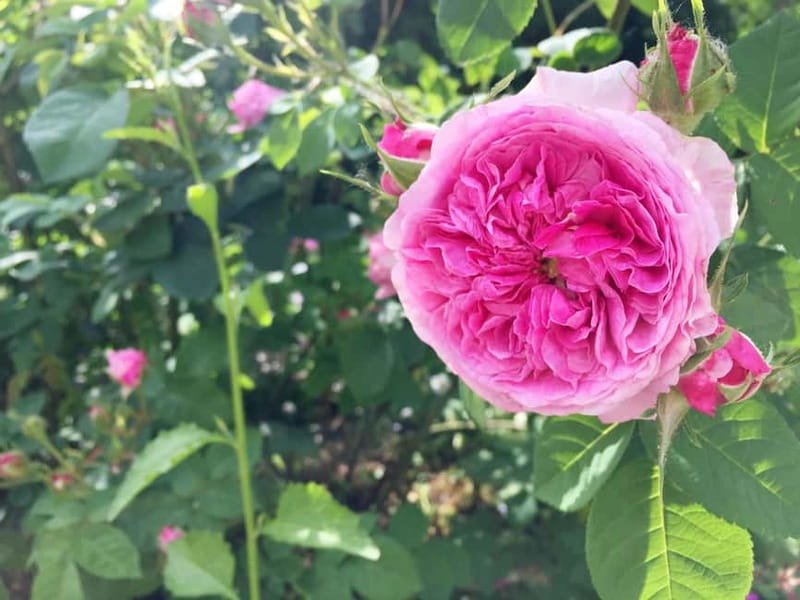
The most distinctive feature is the Damask rose, originally planted around 1900. Today, these flowers are cultivated as the Klimt Rose. Their main flowering period runs from mid-May to late June, so that is the best time to visit if the garden is a major reason for your stop.
Do not plan your visit around rose blooms outside that window. The garden remains part of the admission, but the appearance will vary with the season and weather. Even without flowers at their peak, the outdoor area gives you breathing room after the exhibition rooms.
I like this contrast. The studio gives you an enclosed, work-focused setting. The garden shows the softer surroundings that helped shape Klimt’s interest in plants and decorative natural forms. You can move at your own speed and pause to connect the outdoor setting with the patterns and floral details associated with his art.
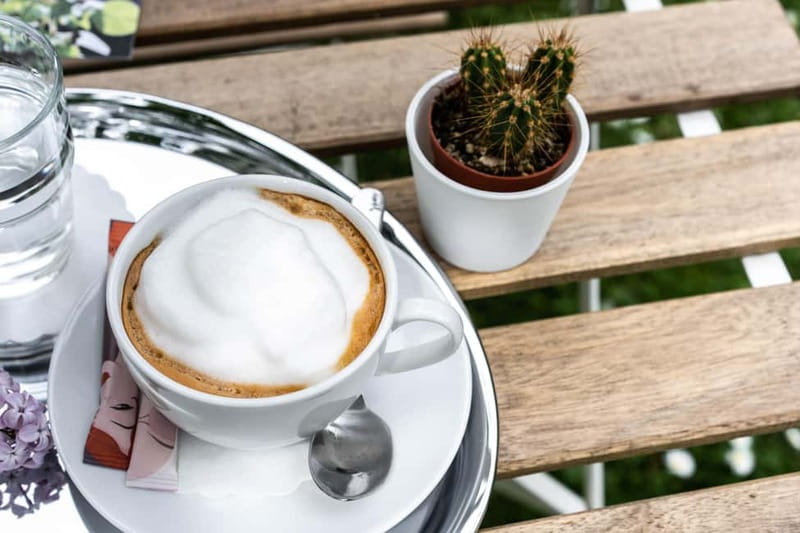
The Garden Café operates on weekends from May through September, weather permitting. It serves Viennese coffee and cake, making it a pleasant seasonal addition rather than a guaranteed part of every visit. If you are counting on the café, check the weather and opening conditions before you go.
Food and drinks are not allowed inside the museum areas. The café is therefore the place to plan for refreshments, when it is open.
More museums and galleries in Vienna:
- Vienna: Skip-the-Line Sisi Museum, Hofburg and Gardens Tour
★ 4.8 · 5,918 reviews - Vienna Kunsthistorisches Museum Day Admission Ticket
★ 4.6 · 3,690 reviews - Tickets for the Albertina Exhibitions
★ 4.7 · 2,126 reviews - Sigmund Freud Museum Ticket
★ 4.6 · 1,668 reviews
The upper-floor gallery of Viennese Modernism
The first-floor gallery presents high-quality light prints and art reproductions by Gustav Klimt, Egon Schiele, and Oskar Kokoschka. This section offers a wider view of Viennese Modernism than the studio alone.
It is important to understand what you are seeing. The gallery features prints and reproductions, not a guaranteed display of original paintings. That makes it useful for comparing artists and styles, but it will not replace a museum collection built around original works.
Klimt’s decorative approach, Schiele’s sharper and more exposed figures, and Kokoschka’s expressive work can be considered together here. For someone new to Viennese Modernism, the gallery offers a compact introduction to three major names.
Access to this gallery cannot be guaranteed because it may be reserved for a private event. That is worth remembering if the upper floor is a priority. The studio and Klimt Lost exhibition are the safer reasons to book the visit, while the gallery is an added benefit when open.
How much time should you allow?
The ticket is valid for one day, but no fixed visit length is provided. Your time will depend on how carefully you read Klimt Lost, how long you spend in the studio, and whether you stop in the garden or café.
You can treat the villa as a focused art stop rather than a full-day museum. A quick visit might center on the studio and garden. A slower visit would include the exhibition labels, audio guide, upper-floor gallery if open, and time outdoors.
I would avoid rushing through Klimt Lost. The studio is visually memorable, but the exhibition supplies the moral and historical context that makes the visit feel complete. If you have only a short window, give yourself enough time for both.
The flexible one-day validity helps if your schedule changes. You can reserve now and pay later, and cancellation is free up to 24 hours in advance for a full refund. These terms are useful when you are organizing several Vienna sights around weather, opening hours, or seasonal garden conditions.
Accessibility and practical restrictions
The Klimt Villa is wheelchair accessible. Food and drinks are not allowed inside, and large bags or luggage are not permitted. Pets are not allowed, although assistance dogs are accepted. Smoking indoors is prohibited.
The smartphone guide is optional, so you do not need to use it to visit the main rooms. English and German exhibition text is available, while the audio option adds a wide range of languages.
Because the café depends on fair weather and weekend opening from May through September, do not treat it as a daily facility. The garden itself is included, but the café is seasonal.
The villa is best for people who enjoy a focused site with a clear story. It suits you if you like artist homes, architectural details, Viennese Modernism, garden settings, or the history of art ownership. It is less suitable if you want room after room of original paintings or a long guided tour led by a named expert. No guide names are provided, and the standard visit is a self-guided experience with optional smartphone content.
Is the $11 ticket good value?
At about $11, the admission offers solid value if you care about Klimt or the history of Viennese Modernism. You receive access to the villa, garden, final studio, and Klimt Lost exhibition, with the upper-floor gallery available when it is not booked for a private event.
The price is especially fair for a short visit that combines art, architecture, and outdoor space. You are paying for a specific place connected with Klimt, not for a large collection. That distinction helps set the right expectation.
The ticket is less compelling if you want to see original Klimt paintings in quantity. In that case, the villa works better as a supplement to other Vienna museums than as your only Klimt experience.
The smooth admission process and helpful staff add practical value. You can book a place, arrive at the ticket shop, and begin without building your day around a long entry queue. The cancellation and pay-later options also reduce the risk of booking too far ahead.
Should you book the Klimt Villa?
Book it if you want to see where Klimt worked, prefer a compact museum visit, or want a thoughtful account of stolen art and restitution alongside the artist’s surroundings. The garden is an extra reason to come from mid-May through late June, when the Klimt Roses are flowering.
I would especially recommend it to fans of Klimt who want more than famous images on a postcard. The studio provides the physical connection, and Klimt Lost adds serious historical context.
Skip it if your main goal is a large display of original Klimt paintings, or if the upper-floor gallery is the only part that interests you. Since that gallery may be closed for a private event, treat it as a bonus.
For roughly $11, this is an easy Vienna addition with a clear focus, a moving exhibition, and a pleasant garden. It earns its place on your schedule because it connects the artist’s work, workplace, surroundings, and troubled ownership history in one manageable visit.
FAQ
What does the Klimt Villa ticket include?
The ticket includes entrance to the Klimt Villa and garden, access to Gustav Klimt’s final studio, and entry to the Klimt Lost exhibition.
How much does admission cost?
The listed price is about $11 per person.
How long is the ticket valid?
The ticket is valid for one day. Available starting times are shown when you check availability.
Is there an audio guide?
Yes. An optional smartphone guide is available in 20 languages, including English, German, French, Spanish, Italian, Chinese, Japanese, Korean, and several others.
Are the exhibition descriptions available in English?
Yes. Exhibition labels and descriptions are available in German and English.
When can I see the Klimt Rose?
The Damask roses known as the Klimt Rose bloom from mid-May to late June.
Is the Garden Café open every day?
No. The Garden Café is open on weekends from May through September in fair weather.
Is the Klimt Villa wheelchair accessible?
Yes. The activity is wheelchair accessible.
Just reviewed in Vienna
- World War II History Vienna Old Town Private Walking Tour★ 4.8 · 9 reviews
- Vienna: Wine Tasting E-Bike Tour★ 4.9 · 46 reviews
- Vienna: Winery and Wine Tasting Tour with a Wine Expert★ 5.0 · 5 reviews
- Vienna: Unforgettable Private City Tour★ 5.0 · 7 reviews
- Vienna Urban Art Tour: Explore a different side of Vienna!★ 3.8 · 14 reviews
- Vienna: Concert by the Vienna Baroque Orchestra★ 4.6 · 56 reviews
- Vienna: Swarovski DIY Workshop Experience★ 5.0 · 9 reviews
- Vienna: Sunday Brunch Danube Cruise & Live Music★ 4.2 · 42 reviews
Belvedere Palace Tours, compared.
Entry Ticket Upper Belvedere, Klimt’s Kiss & Permanent Collection
Read our review →
Skip-the-line Upper Belvedere Tickets and Guided Tour Vienna
Read our review →
Belvedere Palace and Museum Tour
Read our review →Skip-the-line Upper Belvedere Tickets and Guided Tour Vienna
Read our review →
Entry Ticket Lower Belvedere with Orangery & Palace Stables
Read our review →Browse the lists this tour appears in