
Reviewed · BELVEDERE PALACE TOURS
Belvedere Palace and Museum Tour
The best part of this Belvedere tour is the way it links Prince Eugene’s Baroque palace to the art inside it. You are not simply shown Klimt’s The Kiss, photographed, and sent on your way. A good guide places the painting, its artist, and Vienna’s political and cultural world in the same story.
I like the small-group format, which allows real questions and time to look closely. I also like the balance between the formal gardens and the museum, since the palace makes far more sense when you first see the setting Prince Eugene created. The catch is important: your museum ticket is not included, so the $181.02 price is for the guided experience, not the full admission cost.
Key points to know before booking
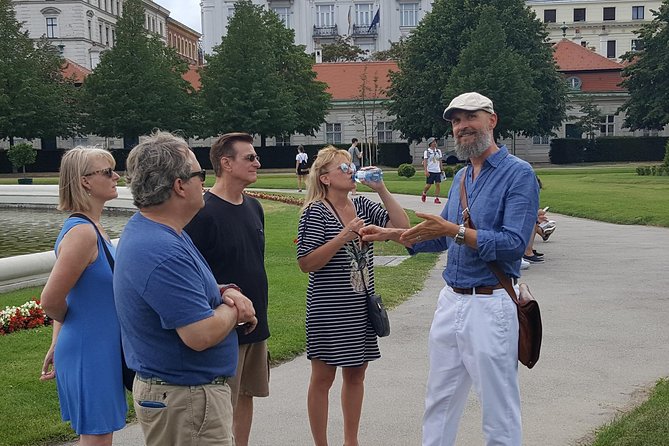
- Klimt is a major focus: See The Kiss, Judith, Attersee scenes, and portraits, while also looking beyond Klimt to artists such as Van Gogh, Monet, and Munch.
- The gardens come first: Expect a guided walk around the Baroque grounds before spending time inside the museum.
- Small groups matter: The tour is described as having a maximum of six people, although the additional information also gives a maximum of eight. Confirm the exact group size when booking.
- The guide shapes the experience: Guides including Barbara, Annelie, Stefan, Susanna, Peter, Margit, Regina, and Angelika have led tours praised for clear storytelling and strong art knowledge.
- Plan for about two and a half hours: The time covers both the grounds and museum, with room for photos and discussion.
- Buy admission separately: Your guide can help you purchase the museum ticket at the start of the walk.
Why the Belvedere works best with a guide
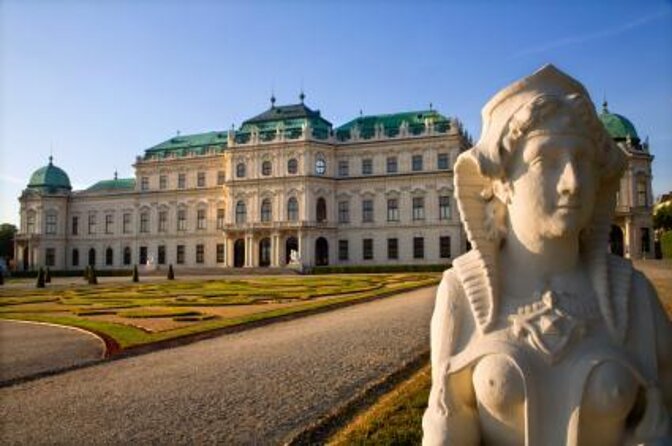
The Belvedere is easy to admire and surprisingly easy to misunderstand. Its Upper Palace has the grand scale you expect from an imperial-era residence, but the place began as the summer home of Prince Eugene of Savoy, a military commander rather than an emperor.
That distinction gives the visit some bite. Prince Eugene used architecture, gardens, and ceremony to project power and order. The formal grounds were shaped by ideas drawn from classical antiquity, while the palace presented an image of earthly harmony. You see a carefully planned world, not just a pretty building on a hill.
I find this background useful because the art galleries can otherwise feel detached from the palace. A guide can explain why the building looks the way it does, how its role changed, and how the collection became accessible to the public. Belvedere was among the early public museums created to make an imperial collection available beyond the court.
That context is one of the tour’s main strengths. You are not asked to admire a painting in isolation. You are shown how Vienna’s rulers, artists, patrons, and public institutions fit together.
The guide is also the difference between a pleasant visit and a useful one. Barbara has been praised for connecting art to the city’s story while leaving time for photographs and independent looking. Annelie is known for combining art with political and social background. Stefan has been valued for giving visitors a strong introduction to Austrian history early in their Vienna stay.
Those names are not a guarantee of your assigned guide, but they show the sort of approach to expect. This is not a scripted walk that rushes from label to label. The strongest guides use stories, comparisons, and questions to help you see more.
More Belvedere and Klimt visits:
- Entry Ticket Upper Belvedere, Klimt’s Kiss & Permanent Collection
★ 4.5 · 831 reviews - Vienna: Lower Belvedere Entry Ticket & Temporary Exhibitions
★ 4.1 · 275 reviews - Vienna: Belvedere Palace Skip-the-Line Tour
★ 4.9 · 197 reviews
Walking through the Baroque Belvedere gardens
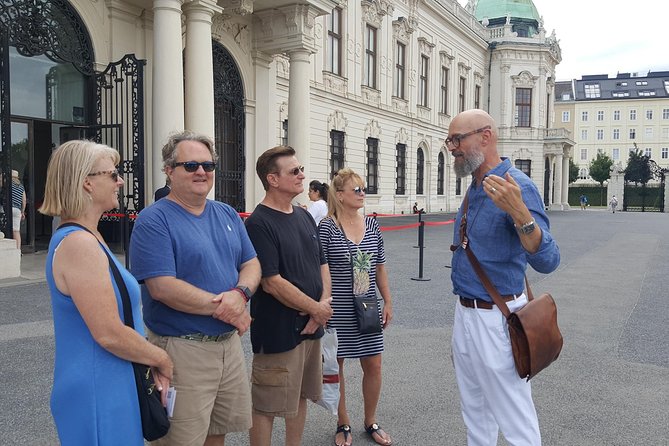
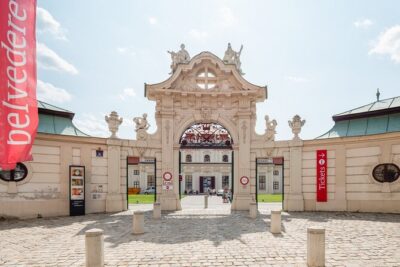
The tour begins at Belvedere Palace in Vienna’s 1030 district. The grounds are not a warm-up to skip. They explain the palace.
The formal gardens were designed with classical ideas in mind, using order, symmetry, and controlled views. From outside, you can read the relationship between the palace buildings, open spaces, water features, and higher ground. The design was meant to suggest control over nature and society alike.
A guide can point out how the grounds were used to frame the palace and create a sense of arrival. You may also hear about the culture of the period, including the way aristocratic residences displayed status through architecture and garden design. One guide has been especially praised for explaining the garden design in relation to the period’s ideas and customs.
This portion lasts long enough to make the setting meaningful. The full activity runs about two hours and thirty minutes, with roughly half of the attention given to the outside area and half to the palace and collection, depending on the guide and the group.
The outdoor portion is also a practical reason to check the weather. In rain, the gardens can be less comfortable, and one account specifically noted that the views would have been better in finer weather. Bring suitable shoes and clothing, since the experience includes a substantial walk around the grounds before the indoor galleries.
The reward is a better sense of place. Once you enter the museum, you will understand that this was built as a complete aristocratic setting, not as a neutral container for paintings.
Entering the Upper Belvedere and its imperial setting
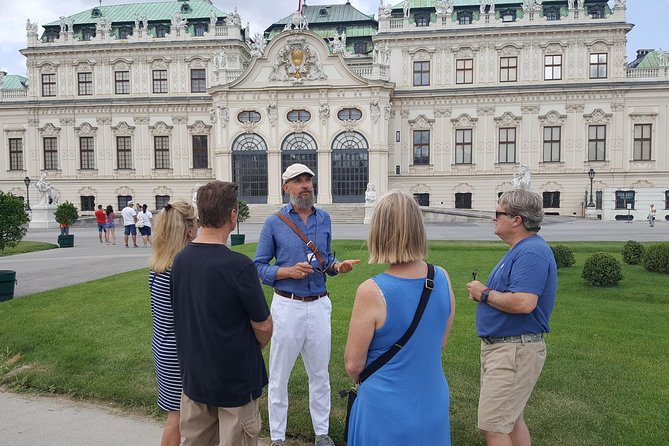
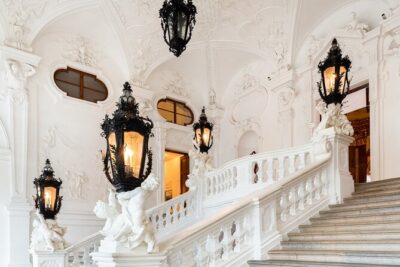
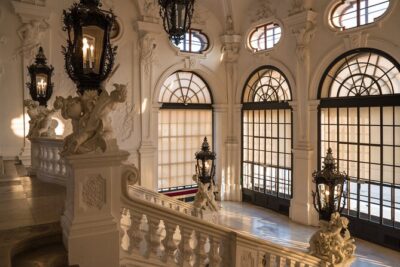
Inside the Upper Belvedere, the building itself remains part of the visit. The grand Baroque rooms were designed to impress, and the museum’s art now shares space with that original ambition.
The palace offers a useful contrast to Vienna’s other major museums. Here, the art is tied closely to a residence and its former owners. You are looking at paintings in rooms created for ceremony, power, and display.
A strong guide will give you the basic story of Prince Eugene, the Habsburg connection, and the later public role of the collection. Several guides have also used visual examples to help explain the palace and its decoration. That can be especially useful if you are not already familiar with Baroque architecture.
Do not expect every room or every painting to receive equal attention. Two and a half hours is enough for the main story and selected works, not for an exhaustive tour of the entire museum. The point is to leave with a framework and a group of memorable pieces.
The pacing appears to allow time for photographs and a closer look before the guide moves on. That matters in an art museum. You need a few quiet minutes to look without listening, especially after a detailed explanation.
Seeing Klimt beyond The Kiss
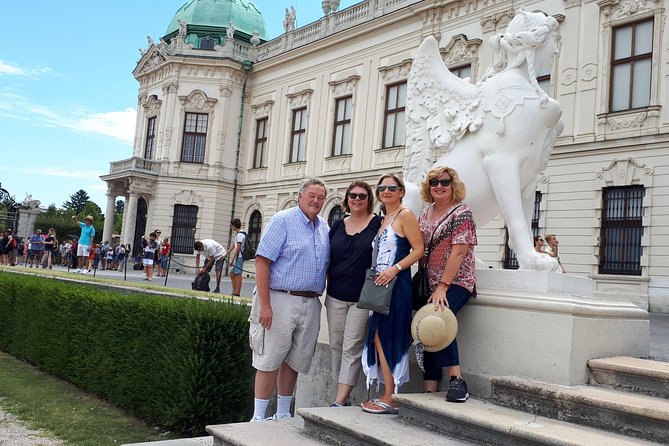
Klimt is the star attraction for many people, and the tour does not avoid that fact. The Belvedere holds The Kiss, one of the most recognized paintings in Vienna, along with Judith, portraits of fashionable women, and several scenes from the Attersee series.
The useful question is not simply how famous these works are. It is how the guide helps you see them. Klimt’s gold surfaces, decorative patterns, bodies, clothing, and symbols can seem obvious at first glance. With context, details that might blur together begin to separate.
You may hear about Klimt’s place in Vienna’s artistic world and his connection to other artists of the period. One of the strongest reasons to choose this tour is the emphasis on the relationship between Klimt and his contemporaries, rather than treating him as an isolated genius.
The tour also gives you a chance to move past the famous image. Judith offers a different mood and subject. The Attersee paintings show Klimt working with nature and pattern rather than formal portraiture. The portraits reveal how his art served both artistic experimentation and high society.
A guide can also help explain why The Kiss is more than a popular photo stop. Its scale, surface, symbolism, and position within the collection make more sense when you understand the artistic climate of Vienna at the time.
Expect attention to the art, not merely a quick identification of each work. If you want only a short introduction and a few facts about Klimt, this tour may feel too detailed. If you want to know why the paintings look the way they do, the extra time is worthwhile.
More museums and galleries in Vienna:
- Vienna: Skip-the-Line Sisi Museum, Hofburg and Gardens Tour
★ 4.8 · 5,918 reviews - Vienna Kunsthistorisches Museum Day Admission Ticket
★ 4.6 · 3,690 reviews - Tickets for the Albertina Exhibitions
★ 4.7 · 2,126 reviews - Sigmund Freud Museum Ticket
★ 4.6 · 1,668 reviews
Looking beyond Klimt: Van Gogh, Monet, Munch, and Austrian art
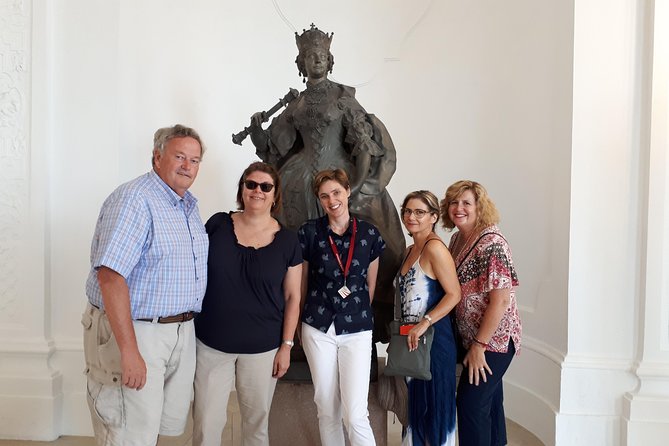
The Belvedere is more than a Klimt museum. The collection covers Austrian and international painting from the Middle Ages to the present day, and the tour uses that wider range to give Klimt a proper setting.
You may encounter works by artists such as Van Gogh, Monet, and Munch. These names help show that the museum is not limited to one national school or one period. The guide can compare different ways artists handled color, emotion, nature, and modern life.
That broader view is one of the tour’s most valuable features. Klimt attracts the crowds, but the surrounding collection explains the artistic conversations taking place across Europe. You get a better sense of what was distinctive about Austrian art and what it shared with movements elsewhere.
The tour is especially suited to you if museum labels tend to leave you cold. A guide can turn dates and names into a story about patrons, artists, public taste, and changing ideas. Several guides have been praised for making the art feel alive through stories about the people and political setting behind it.
Still, I would not choose this experience if you want a quick palace visit with only a little art. One guest found that the amount of time spent examining paintings was better suited to a serious art lover than to someone expecting a mainly architectural tour.
That is a fair warning. The palace and gardens receive real attention, but the museum is the heart of the experience. You should be ready to spend much of the second half looking, listening, and discussing.
Small groups, guide quality, and the pace of the visit
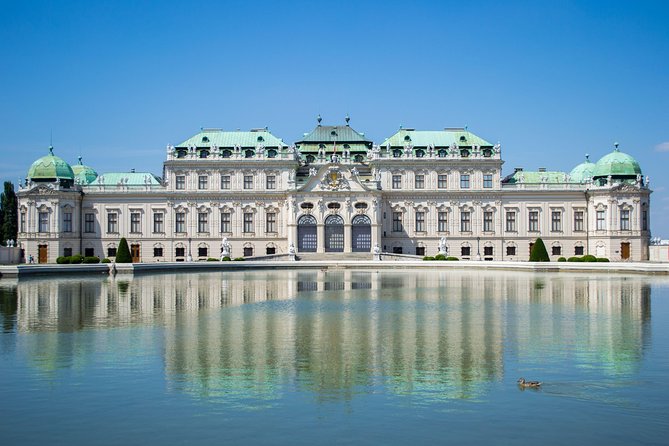
The small-group promise is a real part of the value. A group of up to six allows the guide to answer questions without turning every exchange into a public speech. It also makes it easier to pause in front of a painting and discuss what you are seeing.
The information also gives a maximum of eight travelers, so there is a slight inconsistency in the stated group size. If the size of the group matters to you, ask for confirmation before booking. Even eight people is still more personal than a large museum crowd, but six offers a noticeably quieter feel.
The guide names attached to past tours include Barbara, Annelie, Stefan, Susanna, Peter, Margit, Regina, Angelika, Selin, Seline, Katerina, Katarina, Ilsa, Alan, and Suzanne. The repeated pattern is clear: guides are expected to cover both history and art, not just lead you from one room to the next.
Some guides bring a local point of view shaped by long experience in Vienna. One has lived for decades both in Austria and outside it, offering a useful comparison between the city and the wider world. Another has a background as a librarian and a strong command of Vienna’s art and history. These details suggest a guide-led conversation rather than a simple memorized presentation.
The pace also seems forgiving. You can take photographs, look around each room, and ask questions. One family described the tour as structured and detailed, while another appreciated not feeling rushed or stressed. That is important in a museum where rushing can flatten the experience.
Is $181.02 a fair price?
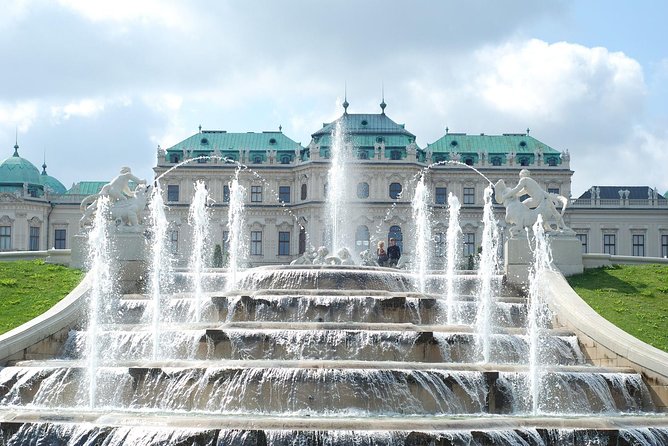
At $181.02 per person, this is not a budget museum visit. You still need to pay the museum entrance fee, and transportation to and from the palace is not included. Hotel pickup and drop-off are also excluded.
The price makes more sense if you place a high value on a private-feeling art experience and a strong guide. You are paying for about two and a half hours of explanation, the outdoor grounds, the palace setting, and a focused look at major works. A guide can also help you buy the ticket at the start, which removes one small task from the visit.
For one person or a couple who wants serious interpretation, the cost may be justified. You leave with more than a list of famous paintings, and the background can improve the rest of your time in Vienna. Several guides have also offered suggestions for restaurants and other places to see, though that should be treated as a pleasant extra rather than part of the formal promise.
For a family mainly interested in running through the rooms or seeing The Kiss quickly, the price is harder to defend. You could prefer a self-guided visit if you enjoy reading labels at your own pace and already know the basic story.
The fact that the tour is often booked well ahead suggests that you should not leave it until the last moment if the date matters. It is offered in English and has a mobile ticket. Public transportation is nearby, but you must make your own way to the meeting point.
Who should book this Belvedere experience?
I would recommend it most strongly to:
- First-time Vienna visitors who want Austrian art placed in a city and political context.
- Klimt fans who want to understand more than The Kiss.
- Museum visitors who learn through stories, comparisons, and conversation.
- Couples and small families who prefer a personal tour to a large group.
- Art and architecture lovers who want both the gardens and the Upper Belvedere interiors.
I would be more cautious if you dislike guided interpretation or want a short, flexible visit. The museum portion is central, and the guide may spend substantial time discussing individual paintings.
You should also consider your energy and the weather. The tour includes an outdoor walk followed by museum time, so comfortable shoes and weather-ready clothing will help. Most people can take part, and the meeting point is near public transportation, but the activity is not a hotel pickup service.
Free cancellation is available if you cancel at least 24 hours before the start time. Changes or cancellations inside that window are not accepted for a refund.
My verdict: book it if you want meaning, not just access
I would book this tour if I wanted the Belvedere to make sense as a place, not just as a room holding The Kiss. The gardens explain the palace, the palace frames the collection, and the collection places Klimt within Vienna’s wider artistic world.
The main strength is the guide. Names such as Barbara, Annelie, Stefan, Peter, and Susanna appear repeatedly in the tour’s guide lineup, and the experience depends heavily on receiving someone who can connect architecture, politics, biography, and painting without losing the group.
The main weakness is the cost, especially since admission is extra. But if a small group and an art historian guide will keep you engaged for two and a half hours, the fee can be good value. If you want only a quick look at Klimt, buy your ticket separately and explore at your own pace.
FAQ
How long does the Belvedere Palace and Museum Tour last?
The tour lasts approximately two hours and thirty minutes. It includes time in the Belvedere gardens, the palace, and the museum collection.
Is museum admission included in the price?
No. The museum entrance fee is not included. The guide can help you purchase your ticket at the beginning of the walk.
Where does the tour begin and end?
The tour starts at Belvedere Palace, 1030 Vienna, Austria. It ends back at the meeting point.
What language is the tour offered in?
The tour is offered in English.
How large is the tour group?
The tour information states a maximum of six people, while additional booking information states a maximum of eight travelers. Confirm the exact group limit when booking.
Does the tour include hotel pickup or transportation?
No. Hotel pickup, hotel drop-off, and transportation to and from the attractions are not included. The meeting point is near public transportation.
Can I cancel for a full refund?
Yes, if you cancel at least 24 hours before the experience start time. Cancellations or changes made less than 24 hours before the start time are not accepted for a refund.
Just reviewed in Vienna
- World War II History Vienna Old Town Private Walking Tour★ 4.8 · 9 reviews
- Vienna: Wine Tasting E-Bike Tour★ 4.9 · 46 reviews
- Vienna: Winery and Wine Tasting Tour with a Wine Expert★ 5.0 · 5 reviews
- Vienna: Unforgettable Private City Tour★ 5.0 · 7 reviews
- Vienna Urban Art Tour: Explore a different side of Vienna!★ 3.8 · 14 reviews
- Vienna: Concert by the Vienna Baroque Orchestra★ 4.6 · 56 reviews
- Vienna: Sunday Brunch Danube Cruise & Live Music★ 4.2 · 42 reviews
- Vienna Supreme Orchestra at Palais Niederösterreich★ 4.8 · 10 reviews
Belvedere Palace Tours, compared.
Entry Ticket Upper Belvedere, Klimt’s Kiss & Permanent Collection
Read our review →
Skip-the-line Upper Belvedere Tickets and Guided Tour Vienna
Read our review →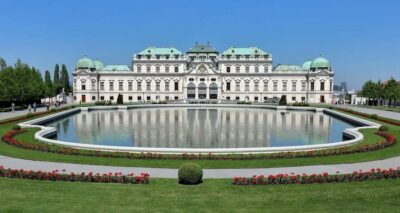
Skip-the-line Upper Belvedere Tickets and Guided Tour Vienna
Read our review →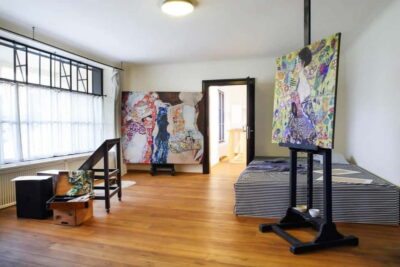
Entry Ticket Lower Belvedere with Orangery & Palace Stables
Read our review →Browse the lists this tour appears in