Reviewed · TICKETS
Vienna House of Music Entrance Ticket
The House of Music turns a museum visit into a hands-on music lesson. You can listen to the Vienna Philharmonic, experiment with sound, learn about Mozart and Beethoven, then wave a baton at a virtual orchestra that judges your conducting. The interactive exhibits are the main attraction, not a side feature.
I like the way the museum works for both adults and children, and I like that you can move at your own pace without joining a guided group. The composer rooms add useful context to the fun, while the sound experiments explain how music works. The one drawback is that the museum can feel crowded later in the day, and you may need more than the advertised 90 minutes if you want to try everything.
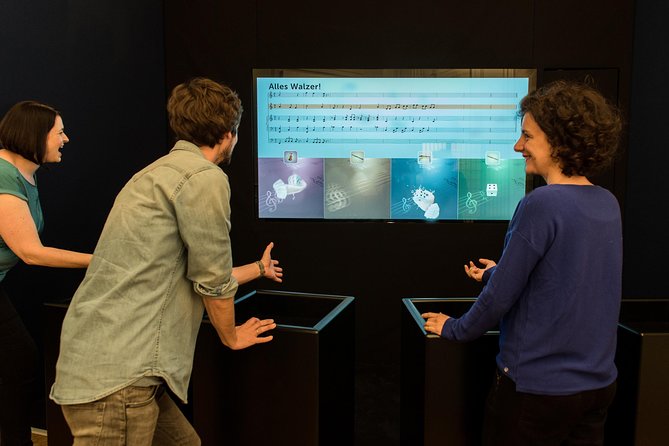
- Conduct a virtual Vienna Philharmonic performance: Wave a baton and receive feedback on your timing.
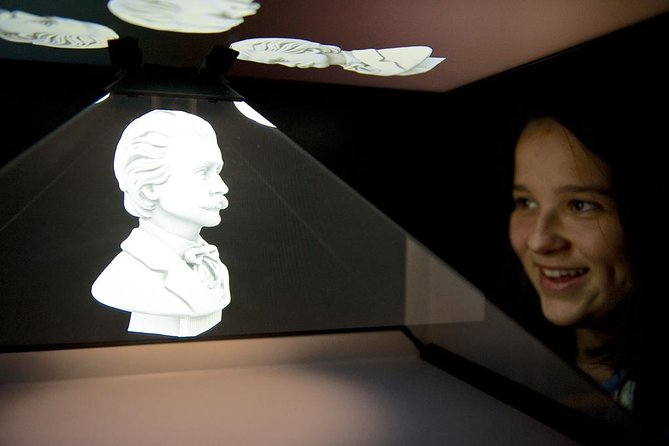
- Build your own sound creature: The Sonotopia Universe includes a new VR Sound Lab.
- Hear famous concert recordings: Visit the Vienna Philharmonic archives and listen to its New Year’s Eve concert.
- Meet Vienna’s major composers: Explore exhibits devoted to Beethoven, Mozart, Schubert, Mahler, and the Strauss family.
- Use a free multilingual guide: Download the museum guide in eight languages, with a family version in German and English.
- Plan for a flexible visit: Allow 90 minutes at minimum, and longer if your children want to repeat the interactive stations.
What the House of Music Does Differently
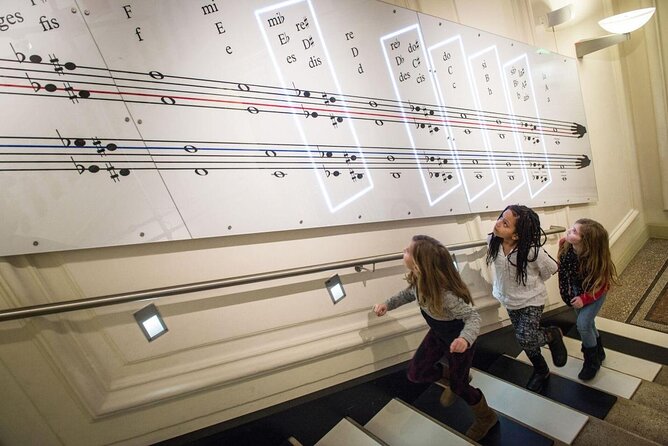
Vienna has no shortage of grand concert halls, composer apartments, and traditional museums. The House of Music takes another route. It asks you to listen, touch, move, test, and play rather than simply read labels beside glass cases.
That makes it a useful change of pace during a sightseeing day. You can come here for classical music, but you do not need a music degree or a strong background in Mozart. The museum explains sound in plain, practical ways, then connects those ideas to the composers who shaped Vienna’s musical identity.
I especially like the range. One room may focus on the physics of sound, while another takes you into the Vienna Philharmonic archives. Later, you can learn about composers and finish with a virtual conducting session. The result feels more like a series of linked activities than a conventional museum route.
The visit is self-guided. You receive admission, but not a personal guide. The free HdM Museums Guide can help you get more from the displays, and it is available for download in eight languages. A family version is offered in German and English.
Start With Sound, Not Portraits
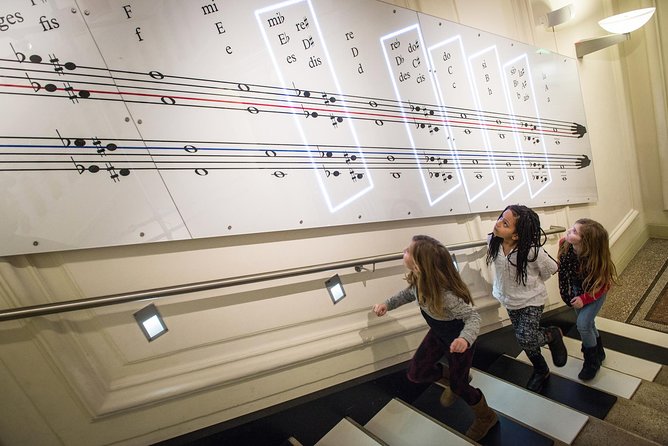
The museum’s early exhibits focus on the basic question behind all music: how does sound work? This section is valuable because it gives younger visitors something to do while helping adults understand what they are hearing.
You might test how sound travels, explore how animals or a fetus hears noise and music, or use interactive stations that let you build and shape sound. These displays make abstract ideas easier to grasp. Instead of reading that pitch, vibration, or rhythm works in a certain way, you can test the idea yourself.
The touchable exhibits also help keep a mixed-age group together. Children can experiment while adults read the explanations or listen more closely. That balance is one reason the museum suits families particularly well.
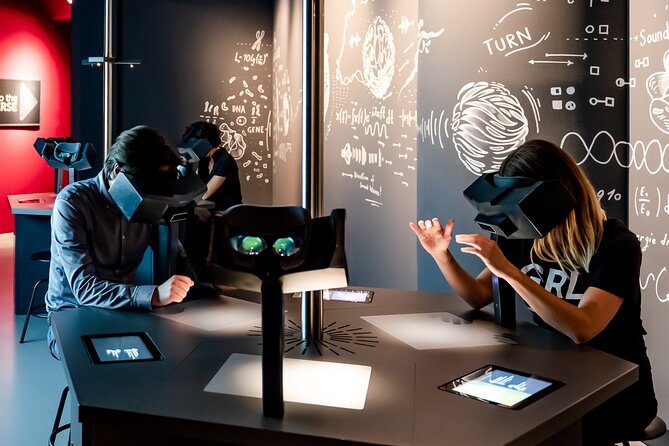
The new Sonotopia Universe on the second floor adds a more playful layer. In the Virtual Reality Sound Lab, you can create your own sound creature. This is one of the museum’s most unusual features, though the exact amount of time you spend there may depend on visitor flow and how much you want to repeat the activity.
If you are visiting mainly for historic instruments or original manuscripts, this part may feel less traditional than expected. The focus is on sound science and participation. That is a strength for curious families, but it may not satisfy someone seeking a quiet, object-heavy museum.
A few more Vienna outings worth weighing up
- Vienna: Classic Ensemble Vienna in St. Peter’s Church Ticket
★ 4.7 · 4,819 reviews - Vienna Kunsthistorisches Museum Day Admission Ticket
★ 4.6 · 3,690 reviews - Vienna: Tickets for Mozarthaus Vienna with Audio Guide
★ 4.2 · 2,344 reviews
The Vienna Philharmonic Archives
The Vienna Philharmonic section connects the museum’s playful side with one of the city’s most respected musical institutions. Here, you can explore historical archives and listen to the orchestra’s famous New Year’s Eve concert.
This is more than a name on a wall. The recordings give you a direct sense of the orchestra’s public role and its connection to Vienna’s musical culture. If you plan to attend a classical concert during your stay, this section helps place that event in context.
The archives are also a good stop for adults who might otherwise feel that the children’s exhibits are taking over the visit. You can slow down, listen, and spend time with the historical material while younger members of your group continue experimenting elsewhere.
Do not expect a full concert performance inside the museum. This is an exhibit about the orchestra and its archive, with listening opportunities rather than a live musical program. The value comes from the combination of sound, records, and institutional history.
Composer Rooms for Mozart, Beethoven, and Strauss
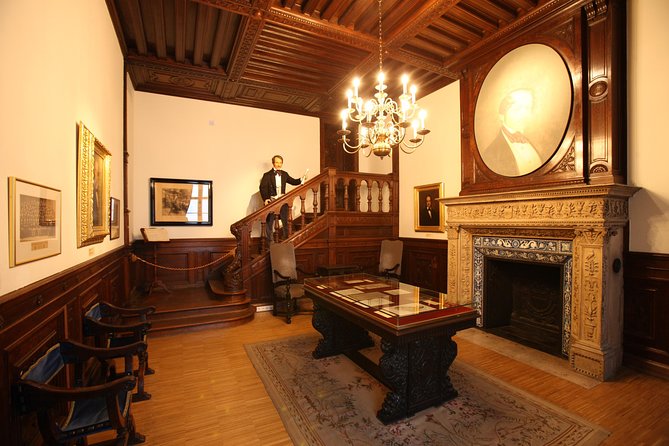
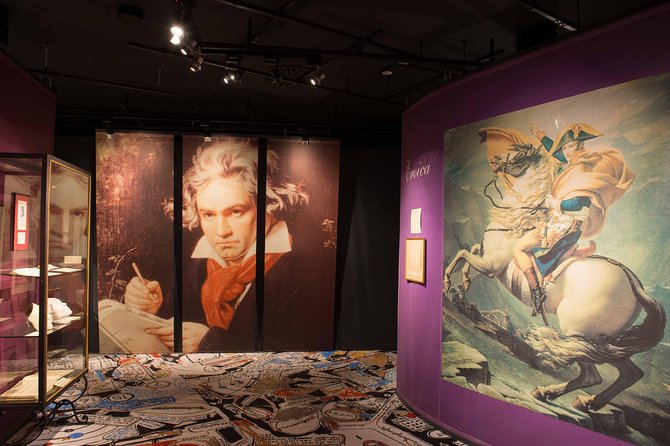
The third floor shifts attention from sound itself to the people who created Vienna’s musical legacy. Exhibits cover Beethoven, Mozart, Schubert, Mahler, and the Strauss family, with information about their lives in the city and the music they composed.
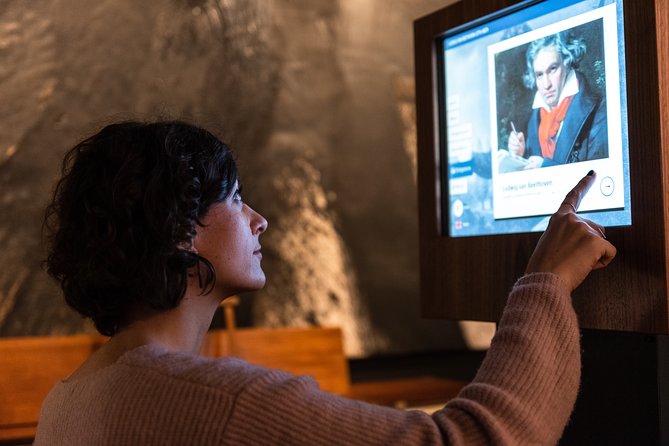
I like this section because it gives the interactive displays a human center. After testing how sound works, you can think about how individual composers used it. The museum presents these figures through themed environments and interactive elements, rather than treating them as distant names in a timeline.
The Mozart area receives particular attention from many visitors, and it is easy to understand why. Mozart’s connection with Vienna is one of the city’s most familiar cultural stories, yet a well-designed exhibit can make the subject feel less predictable. You may also find the Beethoven and Strauss displays especially useful if you have already encountered their music in Vienna’s churches, concert halls, or public spaces.
Allow time to read here. The visit can move quickly if you race from one screen to the next, but the composer rooms reward a slower pace. You can learn about the composers’ lives, then connect that information with the music you hear in the museum.
For a dedicated classical music enthusiast, this area may be the heart of the visit. For a child, it may be less exciting than the sound experiments or virtual reality station. That is why the museum works best when your group treats the floors as a mix of activities rather than expecting every section to appeal equally to everyone.
Conduct the Vienna Philharmonic Yourself
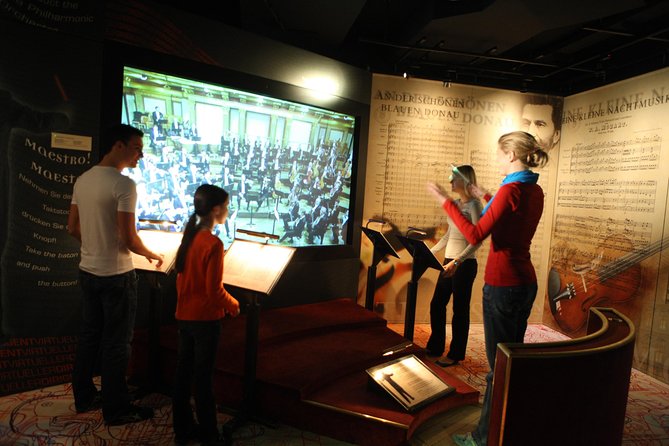
The virtual conductor exhibit on the fourth floor provides the museum’s big finish. You stand in front of a video of the Vienna Philharmonic and use a baton to follow the performance. Afterward, the system gives you feedback on your conducting.
This is not just a button-pressing attraction. You have to pay attention to the music and your hand movements. It gives you a quick sense of the concentration required to keep an orchestra together, even if your performance lasts only a short time.
The activity is entertaining for adults and children alike. It also creates one of the museum’s best shared moments because people can watch one another try. A child may approach it as a game, while an adult may become surprisingly serious about keeping time.
Expect the virtual conductor area to be popular. If several people are waiting, you may not want to spend too long on one attempt. Still, the exhibit is worth seeking out, especially because it brings together several themes from the rest of the museum: listening, rhythm, movement, and the Vienna Philharmonic.
A different sort of day out in Vienna:
- Vienna: Vivaldi’s Four Seasons Concert in Karlskirche
★ 4.7 · 14,951 reviews - Vienna: Skip-the-cashier-desk-line Giant Ferris Wheel Ride
★ 4.5 · 7,859 reviews - Vienna: Schönbrunn Palace & Gardens Skip-the-Line Tour
★ 4.7 · 7,739 reviews - Vienna: Light of Creation Votive Church Immersive Light Show
★ 4.8 · 6,779 reviews
How Long Should You Spend Here?
The stated visit time is about one hour and 30 minutes to two hours. That is a reasonable minimum for a focused visit, but your pace will depend on your group.
You can move through the main exhibits in 90 minutes if you sample the displays and keep reading to a minimum. I would allow two hours if you want to visit the composer rooms, listen to archival recordings, try the sound stations, use the VR Lab, and attempt the virtual conductor more than once.
Families should build in extra flexibility. Children may want to repeat the same activity, especially the sound-making displays and conducting station. Adults who enjoy classical music may need more time in the composer rooms and archives.
The museum is open daily from 10 a.m. to 10 p.m. during the listed regular periods. On December 24, the stated hours are 10 a.m. to 6 p.m. The long evening schedule is useful if you want a cultural stop after other sightseeing, but a morning visit may be more comfortable if you want quieter conditions. One practical tip is to arrive earlier in the day, since afternoon and evening periods can draw more people.
Is the $22.93 Admission Good Value?
At $22.93 per person, this is not the cheapest short museum visit in Vienna. The value depends on how actively you use the exhibits.
If you spend only 45 minutes looking at the displays, the price may feel high. If you stay for two hours, listen to the archives, work through the sound stations, visit the composer floors, and try the virtual conductor, the admission becomes easier to justify.
The ticket also includes access to the entire museum rather than a single performance or timed activity. You do not need to pay for a guide, and the downloadable museum guide is free. Food and drinks are not included, and there is no hotel pickup or drop-off, but those exclusions make sense for a central museum visit.
I see the strongest value for families and music lovers. With several people sharing one visit, the mix of activities gives each person a reason to stay engaged. Solo visitors can also get good value, especially if they enjoy testing exhibits at their own pace rather than moving with a tour group.
Practical Details Before You Go
The House of Music is in central Vienna and is near public transportation. The ticket is for admission, not a guided tour, so plan to navigate the museum independently.
Confirmation is provided at booking. Service animals are allowed, and most people can take part in the activities. The supplied information does not give detailed requirements for every VR or interactive station, so you should ask the museum directly if you have a specific mobility or participation concern.
You can cancel free of charge up to 24 hours before the experience start time for a full refund. Cancellations made less than 24 hours in advance, along with late changes, are not accepted for a refund. The cut-off follows local Vienna time.
Since the visit is self-guided, download the smartphone guide before or at the start of your visit. It is offered in eight languages, and the family version is available in German and English. That can help you choose how much explanation you want without adding the cost of a private guide.
Who Will Enjoy This Museum Most?
I would recommend the House of Music to families with children, couples looking for a lighter cultural stop, solo visitors who enjoy interactive exhibits, and anyone planning to attend a classical concert in Vienna.
It is particularly good for a mixed group. A serious music fan can explore the composer rooms and Philharmonic archives, while a child can experiment with sound and virtual reality. Few traditional composer museums manage that balance so well.
You may want to choose another attraction if you prefer a quiet museum of original objects, long scholarly texts, or a tightly guided presentation. The House of Music is active and technology-focused. Some exhibits may feel more like educational games than formal displays.
The museum also works well before an evening concert. The exhibits on composers, orchestras, and sound can give you useful context without requiring a full day. Just watch the clock if you have a fixed concert start time, since interactive stations can make 90 minutes pass quickly.
Should You Book the House of Music?
Book it if you want to understand Vienna’s music through participation rather than observation. The virtual conducting exhibit, Vienna Philharmonic archives, composer rooms, sound experiments, and VR Sound Lab create a varied visit with something for different ages.
I would make this a priority for families and for anyone who enjoys Mozart, Beethoven, Strauss, Schubert, or Mahler but wants more than portraits and printed biographies. Arrive in the morning when possible, allow two hours, and download the free guide.
Skip it only if your schedule is packed with concerts and historic house museums, or if interactive technology is not your style. For most visitors, the chance to create sound, explore Vienna’s composers, and conduct a virtual orchestra makes the $22.93 admission a sensible cultural stop.
FAQ
Where is the House of Music located?
The House of Music is in central Vienna, Austria, and it is near public transportation.
How long does a visit take?
Plan on about one hour and 30 minutes to two hours. You may need longer if you want to try many interactive stations or spend extra time in the composer rooms.
Is this a guided tour?
No. The admission provides entry to the museum for exploration at your own pace. A guide is not included.
Is a museum guide available?
Yes. You can download the free HdM Museums Guide to your smartphone. It is available in eight languages, with a family version in German and English.
What can I do in the Virtual Reality Sound Lab?
At the new VR Sound Lab, you can create your own sound creature as part of the Sonotopia Universe on the second floor.
Can I conduct an orchestra?
Yes. The virtual conductor exhibit lets you wave a baton along with a video of the Vienna Philharmonic. You receive feedback after your attempt.
Which composers are covered?
The museum includes exhibits about Beethoven, Mozart, Schubert, Mahler, and the Strauss family.
Are food and drinks included?
No. Food and drinks are not included in the admission.
Are service animals allowed?
Yes. Service animals are allowed.
What is the cancellation policy?
You can cancel up to 24 hours before the experience start time for a full refund. Cancellations or changes made less than 24 hours before the start time are not accepted for a refund.
Just reviewed in Vienna
- World War II History Vienna Old Town Private Walking Tour★ 4.8 · 9 reviews
- Vienna: Wine Tasting E-Bike Tour★ 4.9 · 46 reviews
- Vienna: Winery and Wine Tasting Tour with a Wine Expert★ 5.0 · 5 reviews
- Vienna: Unforgettable Private City Tour★ 5.0 · 7 reviews
- Vienna Urban Art Tour: Explore a different side of Vienna!★ 3.8 · 14 reviews
- Vienna: Concert by the Vienna Baroque Orchestra★ 4.6 · 56 reviews
- Vienna: Sunday Brunch Danube Cruise & Live Music★ 4.2 · 42 reviews
- Vienna Supreme Orchestra at Palais Niederösterreich★ 4.8 · 10 reviews
Tickets, compared.

Classic Ensemble Vienna in St. Peter’s Church Ticket
Read our review →
Vienna Kunsthistorisches Museum Day Admission Ticket
Read our review →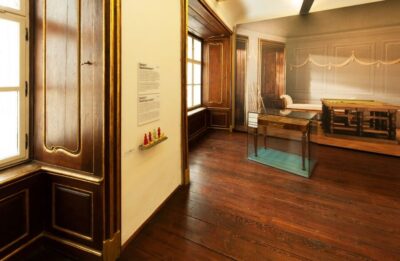
St. Stephen’s Cathedral & Dom Museum Wien Tickets
Read our review →