
Reviewed · VIENNA CHURCH TOURS AND TICKETS
Vienna: Imperial Crypt Entrance Ticket
The Imperial Crypt puts Vienna’s grandest dynasty in an unexpectedly modest setting: beneath the Capuchin Church in the city center. Ten vaults hold the sarcophagi, urns, and funeral monuments of about 150 Habsburg family members, including Maria Theresia, Emperor Franz Joseph, Empress Elisabeth, known as Sisi, and their son Rudolph.
I like the contrast between the plain church above and the lavish metalwork below. I also like that you can take your time, read the details, and study the tombs without being pushed through a fixed tour. The main drawback is simple: the history can be hard to follow if you do not already know the Habsburg family tree, and the basic visit offers limited English explanation.
Key points
- Ten vaults beneath the Capuchin Church: See more than four centuries of Habsburg burials in rooms expanded over time.
- Ornate sarcophagi: Expect elaborate tin, copper, and bronze tombs decorated with silver and gold details.
- Major imperial figures: Find Maria Theresia, Franz Joseph, Sisi, Rudolph, and many other members of the dynasty.
- A quiet, respectful setting: The crypt feels solemn and calm rather than frightening or theatrical.
- Flexible visit length: Some people finish in about 30 minutes, while history fans may spend 90 minutes or several hours reading.
- Optional concert pairing: A Combo Ticket can link the crypt visit with an A Little Night Music concert afterward.
Entering the Imperial Crypt beneath the Capuchin Church
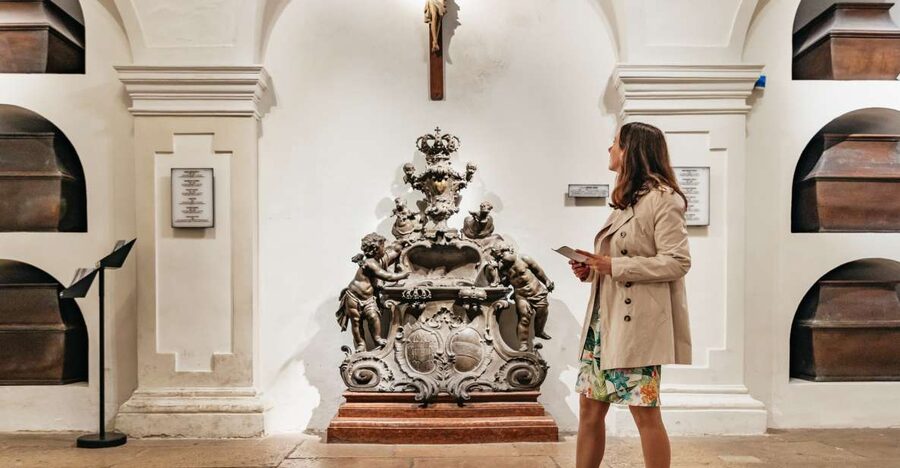
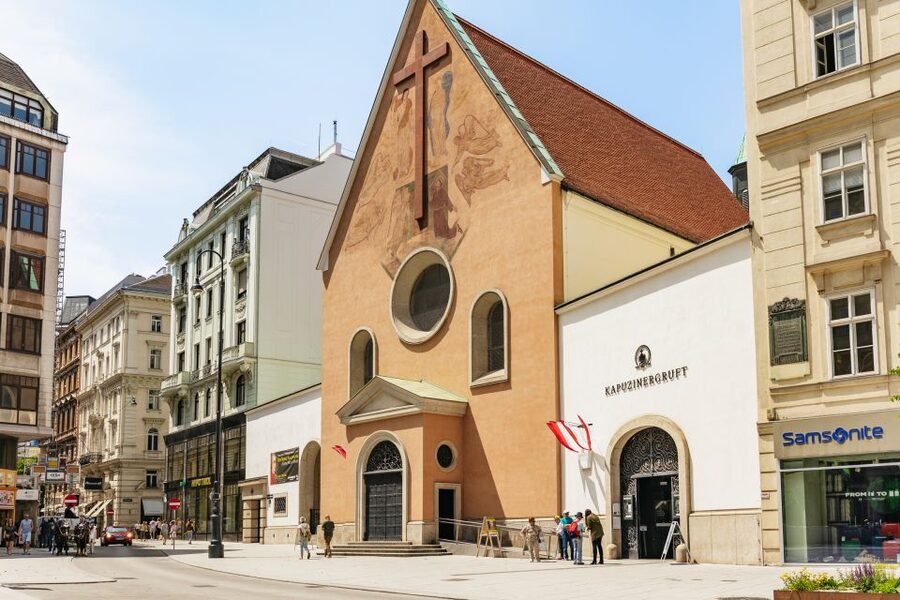
The Imperial Crypt, or Kaisergruft, is below the Capuchin Church and monastery in central Vienna. That location matters. You are not entering a vast palace complex built to display royal power. You first encounter a relatively humble religious building, then descend into a series of rooms filled with the remains of one of Europe’s most influential ruling families.
The crypt has grown over more than 400 years. New vaults were added and altered as the Habsburg dynasty expanded, changed, and eventually lost its imperial authority. The result is not one single grand hall, but a connected system of ten rooms with different moods and designs.
I find that layout useful because it gives the visit a sense of movement. Each room adds another period to the story. You begin with the idea of a royal burial place, then gradually see how the dynasty used architecture, sculpture, metalwork, and religious symbols to present power even after death.
The crypt remains under the care of the Capuchin Order. That religious connection helps explain the atmosphere. This is a working sacred site and a place of remembrance, not simply a museum of extravagant objects.
More churches and crypts in Vienna:
- Vienna: Vivaldi’s Four Seasons Concert in Karlskirche
★ 4.7 · 14,951 reviews - Vienna: Light of Creation Votive Church Immersive Light Show
★ 4.8 · 6,779 reviews - Vienna: Classic Ensemble Vienna in St. Peter’s Church Ticket
★ 4.7 · 4,819 reviews
The Habsburg story told through tombs
The Habsburgs ruled a wide group of territories for centuries, and the Imperial Crypt gives you a physical list of the people behind that story. The tombs are the main attraction, but the names only become meaningful when you connect them with the political and family events of European history.
Maria Theresia is one of the most important figures here. Her tomb reflects her status and the scale of her reign. Emperor Franz Joseph and Empress Elisabeth are also major points of interest, especially if you know Sisi from Vienna’s palaces, museums, or popular films.
Their son Rudolph is buried here as well. The crypt therefore presents more than official imperial success. It also shows the personal side of a ruling family, including marriages, children, deaths, and the repeated effort to preserve dynastic identity.
You will see the names of about 150 Habsburg personalities. Not every person will mean something to you, and that is where the visit’s main weakness appears. The basic ticket is enough to enter, but the information available may not provide all the context you need, particularly if German is not familiar to you.
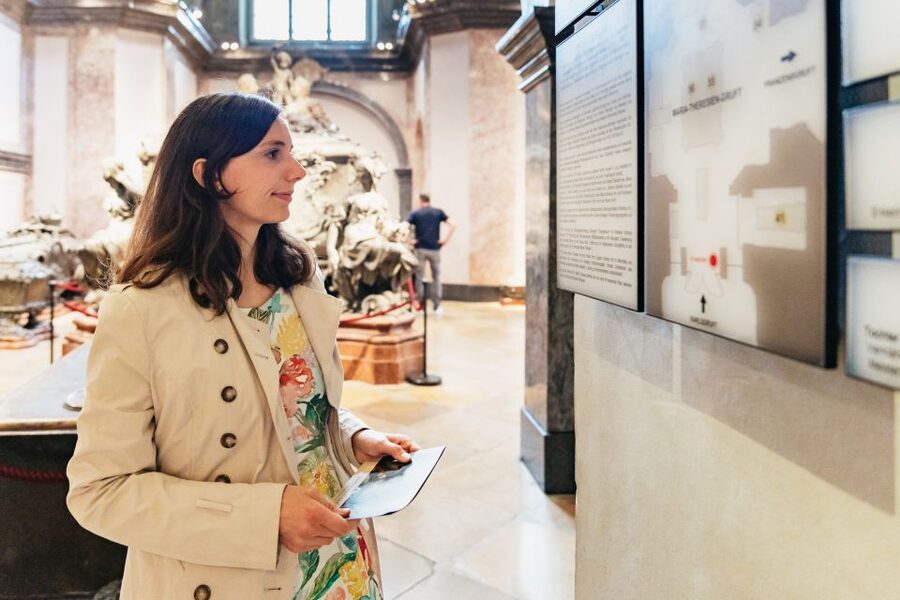
Some tombs have signs or written descriptions, and small booklets are available with details about the contents. Still, the amount of explanation can feel thin beside the visual impact of the crypt. If you want the family connections explained as you go, an additional guided tour is worth considering.
Sarcophagi made to display power
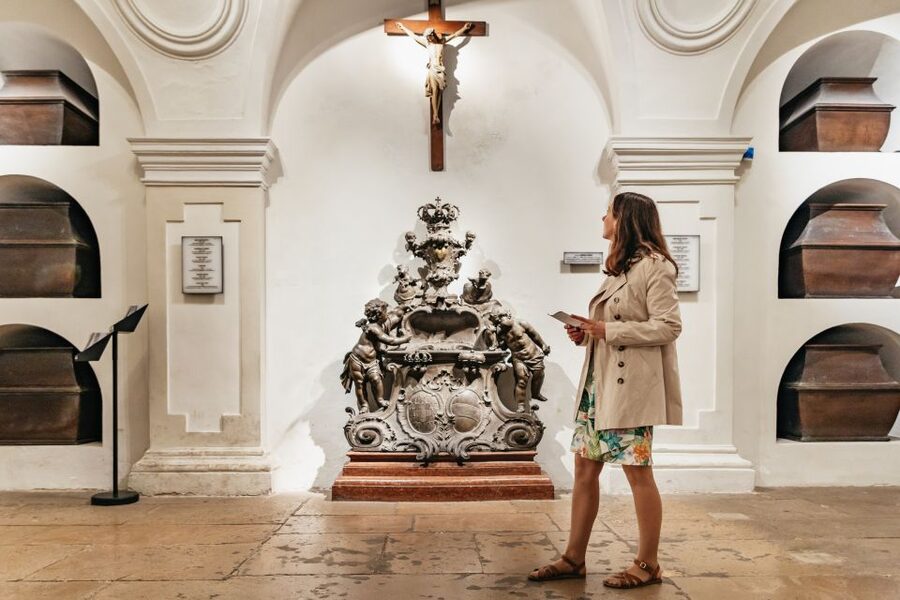
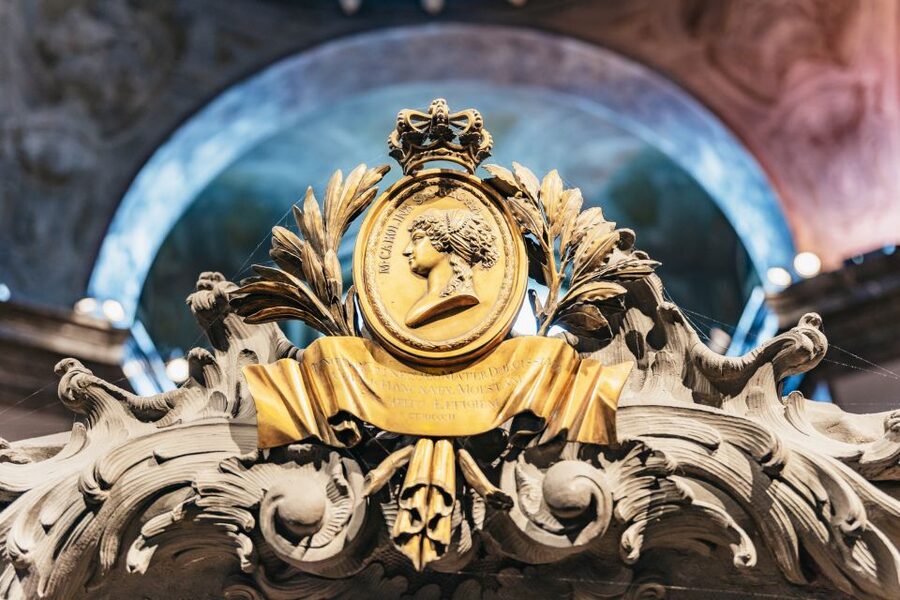
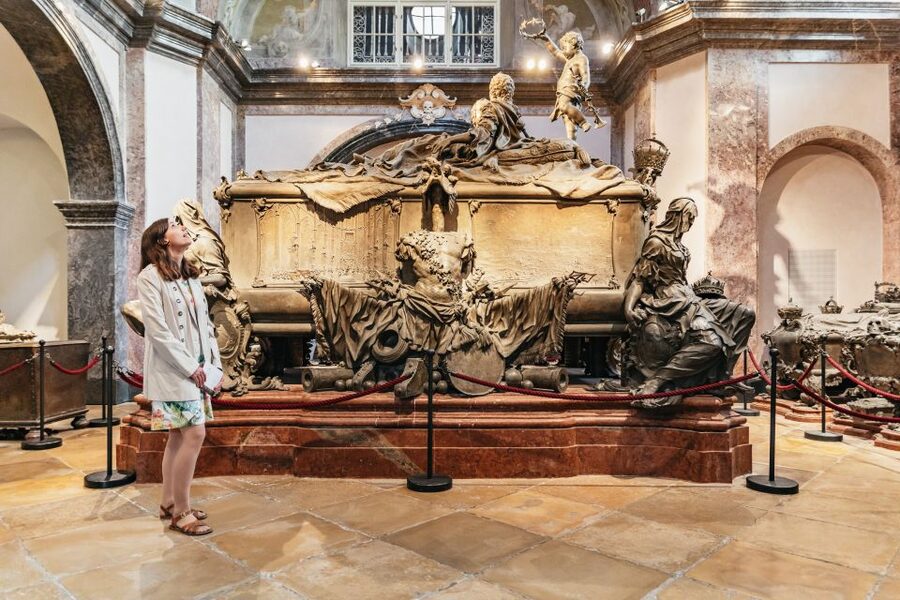
The tombs are not plain stone boxes. Many are striking works of metalwork, decorated with sculpted figures, coats of arms, religious motifs, and carefully arranged ornament. You may see sarcophagi made from tin, copper, or bronze, with silver and gold details used to mark rank and importance.
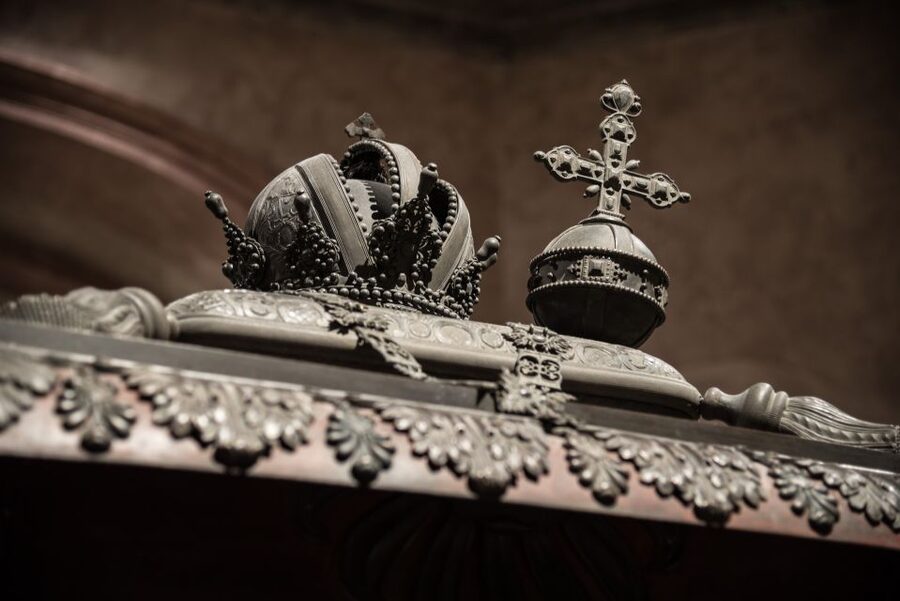
The craftsmanship is the reason this visit works even if you are not a serious Habsburg specialist. You can spend time looking at the design itself: the lids, the angels, the crowns, the symbols of empire, and the way each monument fills its space.
Some tombs are restrained. Others are so ornate that they feel almost theatrical. That contrast helps you understand how different rulers and periods wanted to be remembered. The crypt is a burial place, but it is also a record of changing artistic taste.
I would not rush past the smaller monuments to reach the most famous names. The less familiar members of the family help show how extensive the dynasty was. The experience is strongest when you treat the crypt as a collection of funerary art as well as a historical record.
Photography is not allowed. This rule is connected to respect for the dead, and you should follow it even if other people ignore it. The crypt is a quiet place, and phone photography, selfies, and bright screens can quickly damage that mood.
Maria Theresia, Franz Joseph, and Sisi
For many people, three names anchor the visit: Maria Theresia, Franz Joseph, and Empress Elisabeth. Their tombs offer a clear route through the Habsburg story.
Maria Theresia represents the dynasty at the height of its political reach. Her presence gives the crypt a strong connection to the Vienna of palaces, court ceremony, and imperial administration. If you have visited Schönbrunn Palace or the Hofburg, this is a useful final resting place to add to that picture.
Franz Joseph ruled for much of the 19th century and became one of the best-known Habsburg emperors. His tomb connects the crypt to the later imperial period, when Vienna was changing quickly but the monarchy still presented itself as stable and powerful.
Sisi brings a more personal and familiar element. Her public image, private unhappiness, and unusual popularity have made her one of the most recognizable figures linked to Vienna’s imperial past. Flowers and notes may appear near some tombs, showing that the memory of certain Habsburg figures is still personal for many people.
The crypt does not turn these people into storybook characters. Instead, it places them among generations of relatives, which can make the dynasty feel less like a list of rulers and more like a large, complicated family.
A few more Vienna outings worth weighing up
- Vienna Kunsthistorisches Museum Day Admission Ticket
★ 4.6 · 3,690 reviews - Vienna: Tickets for Mozarthaus Vienna with Audio Guide
★ 4.2 · 2,344 reviews - Vienna: Skip-the-Line Entrance Ticket to the Danube Tower
★ 4.5 · 2,303 reviews - Tickets for the Albertina Exhibitions
★ 4.7 · 2,126 reviews
How much time should you allow?
You can see the crypt in about 30 minutes if you focus on the main tombs and move steadily. That shorter visit suits anyone fitting the crypt between the Hofburg, Stephansdom, or another central Vienna sight.
Allow around 60 to 90 minutes if you want to read the signs, inspect the craftsmanship, and follow the family names. History fans may spend several hours taking in the details, though the space itself is not large.
The visit is self-paced. That is useful because you can linger at Maria Theresia’s tomb, spend extra time with the ornate metalwork, or move on when the names begin to blur together. You do not have to commit to a full-day attraction.
The ticket is valid for one day, and availability information includes starting times. Ask at the desk whether your chosen time is flexible. A ticket-office explanation has indicated that a booked slot may not be mandatory, but you should confirm this when you arrive, especially if your selected time is close to closing.
Is the $17 ticket good value?
At about $17 per person, the Imperial Crypt is not the cheapest short stop in Vienna. The value depends on how you use it.
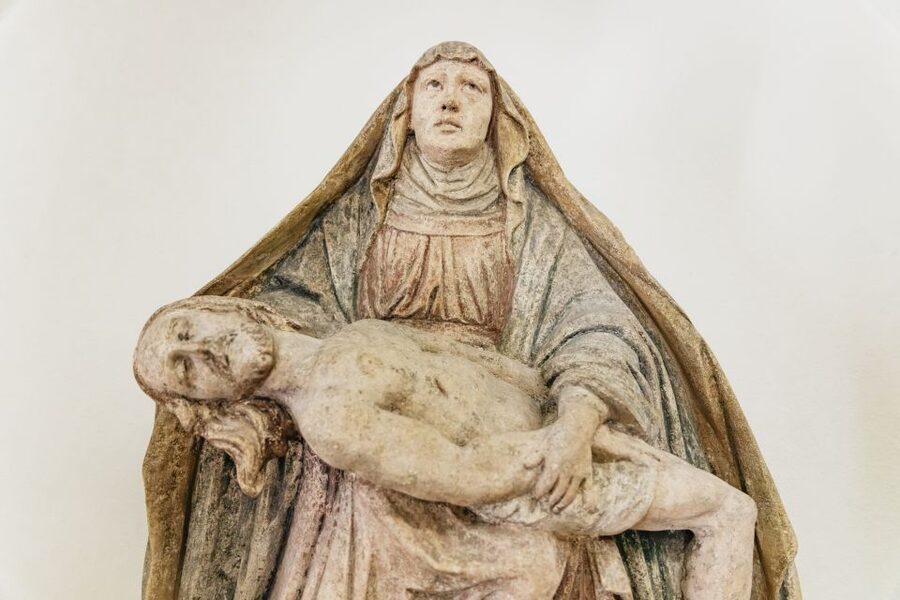
If you only want a quick look at a few famous tombs, you may finish in half an hour and feel the price is a little high. If you enjoy royal history, religious art, or European political history, the ticket becomes easier to justify because you can take your time among ten vaults and around 150 burials.
The strongest value comes from the quality and variety of the tombs. You are seeing objects that cannot be replaced by a palace display or a standard portrait gallery. The setting also gives the visit a sense of authenticity, since the crypt remains a burial place for Habsburg family members even today.
You can also pair the experience with an A Little Night Music concert through a Combo Ticket. That combination may suit you if you want one historical visit during the day and an evening performance afterward. Check exactly what the combination includes before booking, since the entrance ticket itself covers the crypt only.
Guided tour or independent visit?
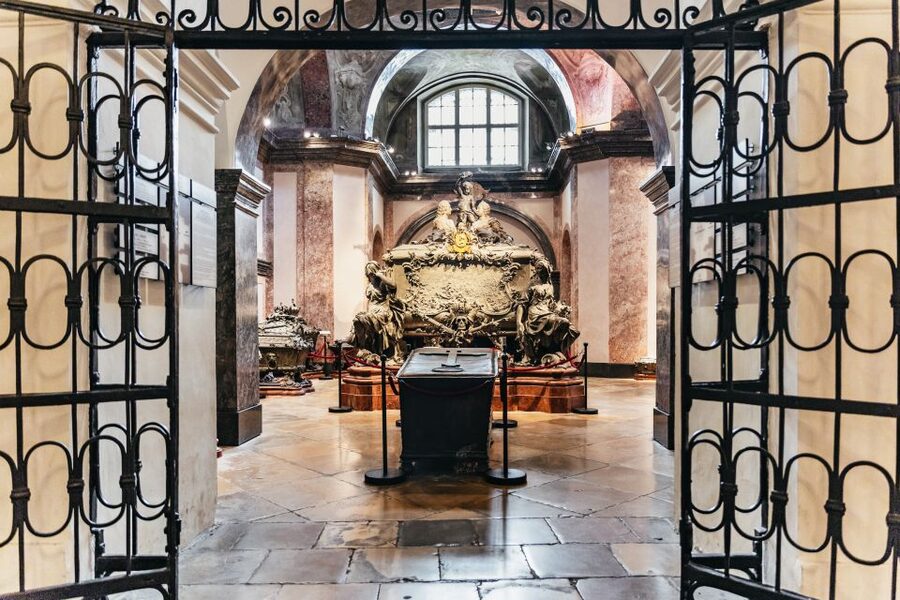
The basic experience is independent, and that works well if you already know something about the Habsburgs. You can read the available material, examine the tombs, and decide how much time to spend.
If the dynasty is new to you, I would look for a guided option. A one-hour guided tour has been available directly through the ticket office for an additional €3. That modest supplement can make a real difference, since a guide can explain family relationships, political events, and the symbolism on the tombs in a clear order.
An audio guide would also help, but it is not listed as part of the standard entrance. The limited explanations are the most consistent concern with an independent visit. You may understand what you are looking at without understanding why each person matters.
A little preparation can solve much of this. Before entering, choose two or three names you want to follow, such as Maria Theresia, Franz Joseph, Sisi, or Rudolph. That gives the visit a simple framework instead of asking you to absorb 400 years all at once.
Practical details inside the crypt
Large bags and luggage are not allowed. Pets are also not permitted. Sleeveless shirts are listed among the restrictions, so dress with that rule in mind.
The crypt is wheelchair accessible. Lockers are available for a small deposit using €1 or €2 coins, which are returned to you. Toilets are also available without a separate charge.
The group arrangement is described as small, limited to nine participants, but the standard entrance is not the same as a fully guided small-group tour. The limited group size can help keep the rooms manageable, yet the crypt may still feel busy at popular times.
Plan your visit with respect for the religious setting. Keep your voice low, do not touch the tombs, and do not record video. Photography is prohibited, and the atmosphere is much better when you are looking closely instead of holding up a phone.
Who will enjoy the Imperial Crypt?
I recommend this for anyone interested in the Habsburgs, royal families, European history, funerary art, or Vienna’s imperial identity. It is also a good choice if you want a quieter stop in the city center that takes less time than a large palace.
You do not need to be an expert. The sarcophagi are visually impressive enough to hold your attention, even when the names are unfamiliar. Still, you will get more from the crypt if you read a little about the family first or book the optional guided tour.
Children may find the ornate tombs interesting, but the solemn setting and historical detail will suit older children better. This is not a theatrical attraction, and there are no interactive displays described here.
I would be less likely to recommend it if you have no interest in dynastic history, religious spaces, or decorative art. The crypt is compact, and the experience depends on your willingness to look closely and think about the people represented by each monument.
Should you book the Imperial Crypt?
Book it if you want an unusual view of Vienna’s imperial past, especially if you have already seen the Hofburg or Schönbrunn and want to understand where the Habsburg story ends. The tombs of Maria Theresia, Franz Joseph, and Sisi give the visit clear highlights, while the smaller burials fill out the family picture.
Choose the guided option if you want context in English or do not know the dynasty well. Choose the basic ticket if you prefer to move at your own pace and mainly care about the craftsmanship.
At $17, this is a fairly priced short attraction for history fans, though the lack of a full explanation may disappoint you. Go for the ornate sarcophagi, the quiet setting, and the rare chance to see four centuries of Habsburg burials in one place. Add the concert combination if it fits your evening plans, and allow at least an hour if you want the crypt to feel like more than a quick stop.
FAQ
Where is the Imperial Crypt located?
The Imperial Crypt is beneath the Capuchin Church and monastery in central Vienna.
How many people are buried in the Imperial Crypt?
The crypt holds the mortal remains of about 150 Habsburg personalities, including emperors, empresses, and family members.
Which famous Habsburgs can I see there?
You can see the burial places of Maria Theresia, Emperor Franz Joseph, Empress Elisabeth, also known as Sisi, and their son Rudolph.
How many vaults are in the crypt?
The Imperial Crypt consists of ten vaults created through extensions and modifications made over more than four centuries.
How long does a visit take?
A quick visit may take about 30 minutes. Allow 60 to 90 minutes if you want to read the information and study the sarcophagi carefully.
Is the Imperial Crypt wheelchair accessible?
Yes. The activity information states that the Imperial Crypt is wheelchair accessible.
Can I take photographs or record video?
Video recording is not allowed, and photography is prohibited in the crypt. You should also avoid taking selfies or using your phone in a way that disturbs the setting.
Are luggage and pets allowed?
Pets and luggage or large bags are not allowed inside. Lockers are available for a refundable €1 or €2 coin deposit.
Can I combine the crypt with a concert?
Yes. A Combo Ticket is available that combines a visit to the Imperial Crypt with an A Little Night Music concert afterward.
Just reviewed in Vienna
- World War II History Vienna Old Town Private Walking Tour★ 4.8 · 9 reviews
- Vienna: Wine Tasting E-Bike Tour★ 4.9 · 46 reviews
- Vienna: Winery and Wine Tasting Tour with a Wine Expert★ 5.0 · 5 reviews
- Vienna: Unforgettable Private City Tour★ 5.0 · 7 reviews
- Vienna Urban Art Tour: Explore a different side of Vienna!★ 3.8 · 14 reviews
- Vienna: Concert by the Vienna Baroque Orchestra★ 4.6 · 56 reviews
- Vienna: Sunday Brunch Danube Cruise & Live Music★ 4.2 · 42 reviews
- Vienna Supreme Orchestra at Palais Niederösterreich★ 4.8 · 10 reviews
Vienna Church Tours and Tickets, compared.
Light of Creation Votive Church Immersive Light Show
Read our review →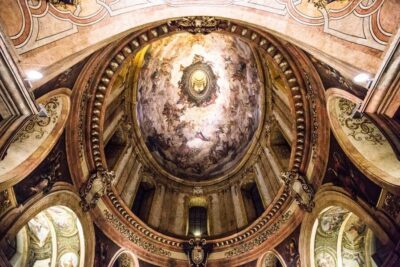
Classic Ensemble Vienna in St. Peter’s Church Ticket
Read our review →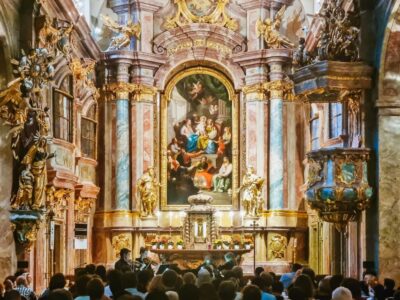
Classical Concert in St. Anne’s Church (Annakirche)
Read our review →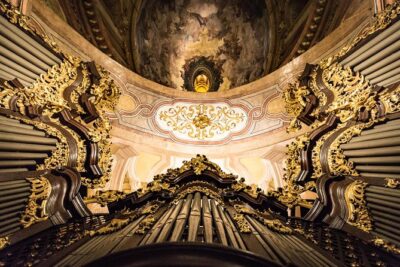
Vienna Classical Concert at St. Peter’s Church
Read our review →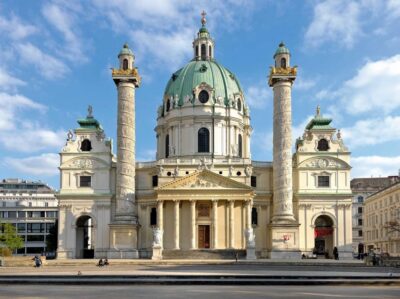
Karlskirche Entry Ticket with Panoramic Terrace Access
Read our review →Classical Concert in St. Anne’s Church (Annakirche)
Read our review →
Classical concert Vivaldi 4 seasons in Karlskirche Vienna
Read our review →Browse the lists this tour appears in