
Reviewed · VIENNA COFFEE HOUSE AND CAKE TOURS
Vienna: Highlights Private Tour, Palaces & Sacher Cake
Vienna’s grand center is packed into this private walk: imperial palaces, Roman ruins, churches, the Jewish Quarter, and a slice of Sacher cake. You get a useful first look at the city without being tied to a large group or a fixed script.
I like the private guide, since you can ask questions and adjust the emphasis, and I like the mix of famous sights with quieter corners such as the Michaelerplatz excavations and Ruprechtskirche. The chance to taste coffee and cake also gives the history a pleasant Viennese finish.
The main drawback is pace. Three hours covers many stops, and several are short guided visits rather than long interior tours. The included treat is also modest: two coffees and one cake portion for a two-person booking, according to the published experience details.
Key points at a glance
- Private route through central Vienna: You see the Opera, Hofburg, Spanish Riding School, St. Stephen’s Cathedral, and more with a guide focused on your group.
- Aida is a named guide: She contacted guests through WhatsApp before the tour and adjusted the discussion to their interest in history.
- Roman Vienna appears beside imperial Vienna: The Michaelerplatz excavations add an older layer beneath the Habsburg grandeur.
- The Jewish Quarter is part of the route: Ruprechtskirche and Hoher Markt help connect the city’s religious and civic past.
- Coffee and cake are included: You receive coffee and a sample of traditional Sacher cake, though the portion arrangement is worth checking.
- The walk is busy but accessible: It lasts three hours, is wheelchair accessible, and is offered in English or Italian.
Why this private Vienna walk works well
I like this tour because it gives you a clear route through Vienna’s historic core without treating the city as a string of unrelated photo stops. The Opera introduces Vienna’s musical identity, the Hofburg explains imperial power, and the old streets near Hoher Markt bring in Roman, Jewish, religious, and everyday civic stories.
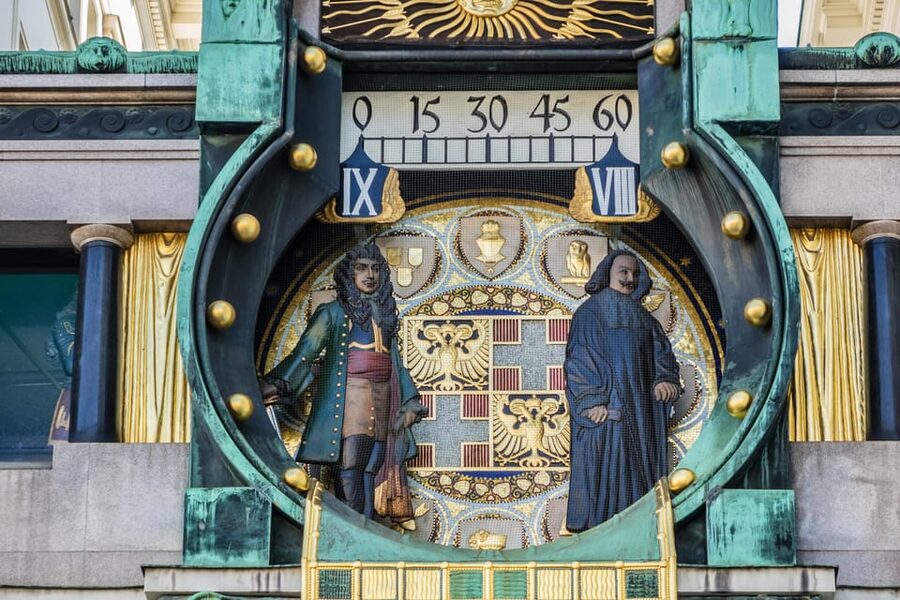
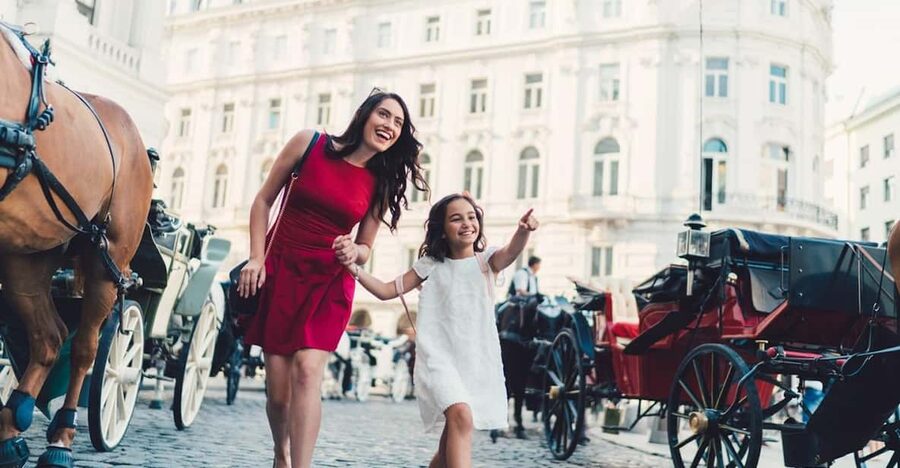
A private format matters here. Vienna’s center can feel easy to understand at first glance, but the details are easy to miss. A guide can point out how an ordinary-looking square connects to the Habsburg court, explain the figures on the Anker Clock, or slow down when a church or excavation catches your attention.
Aida is one guide associated with this experience. She made contact through WhatsApp before the meeting, which is useful when you are trying to find a fountain beside a major museum in a busy city center. Her strongest qualities were her clear explanations, friendly manner, and ability to shape the discussion around an interest in history.
The price is $134 per person. That is a serious charge for a three-hour walk, but you are paying for a private guide rather than simply admission to a single attraction. It makes the most sense for couples, families, or a small group that values questions, flexibility, and a personal pace.
More coffee house and cake stops:
- Vienna for Food Lovers: Cafés, Markets & Austrian Cuisine
★ 5.0 · 1,063 reviews - Vienna: Hard Rock Cafe with Set Menu for Lunch or Dinner
★ 4.5 · 643 reviews - Vienna Coffee, Cake & Pastries Tour with Local Stories
★ 5.0 · 470 reviews
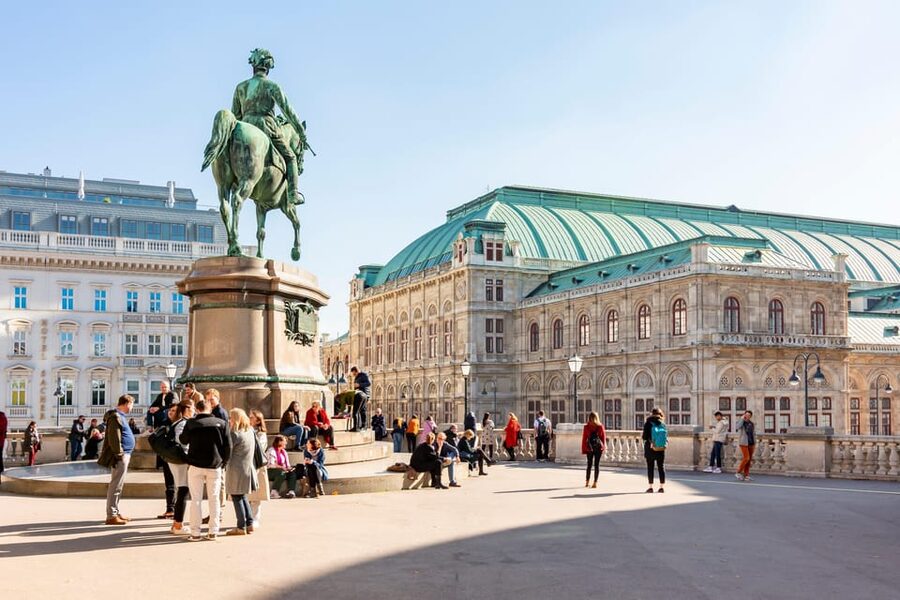
Albertinaplatz and the Vienna State Opera
The meeting point is the fountain attached to the Albertina Museum at Albertinaplatz. This is a sensible place to begin because the square puts you right in the middle of Vienna’s grand central district.
The first stop is the Vienna State Opera, with about 10 minutes of guided commentary. You should think of this as an exterior introduction rather than a full opera-house visit, since no interior performance or extended building tour is included in the details provided.
The Opera is a useful opening subject because it connects the city to classical music and court culture. Your guide can give the building context before the route moves into the nearby streets and squares.
At Albertinaplatz, the focus shifts to the surrounding architecture. Five minutes is brief, so expect a quick explanation and a chance to take in the setting rather than a long architectural lesson.
Churches and the Spanish Riding School
The Augustinian Church receives about 10 minutes. Its location near the Hofburg makes it part of the imperial story, and the stop gives you a chance to see how religious buildings fit into the former court district.
Next comes the Spanish Riding School, also with about 10 minutes of guided attention. The tour does not include a riding performance or a separate behind-the-scenes visit. You will learn about the equestrian tradition and see the setting connected with Vienna’s famous Lipizzaner horses.
This is a good example of how the walk favors context over admission tickets. You get an explanation of why the institution matters, but you should not book this tour expecting an extended visit inside every major sight.
Roman ruins beneath Michaelerplatz
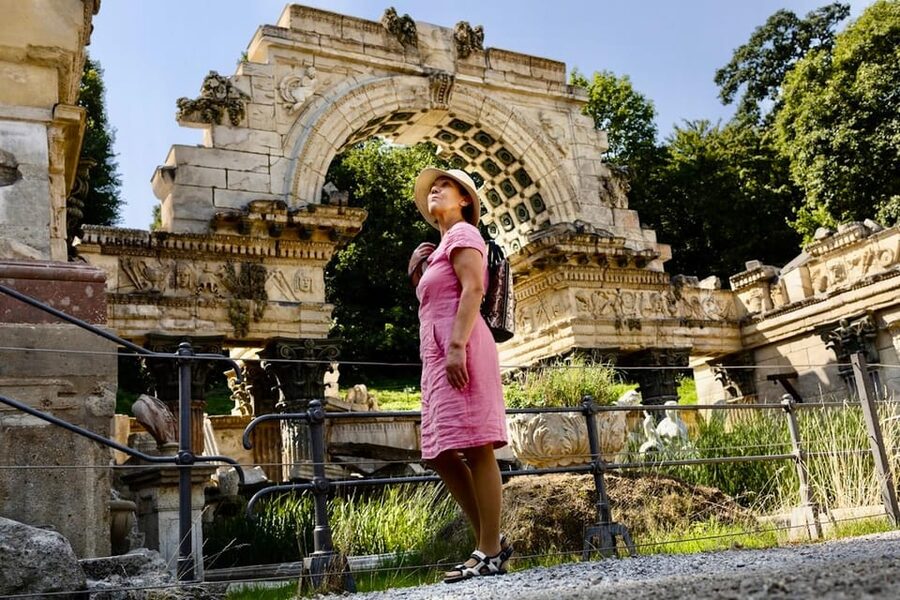
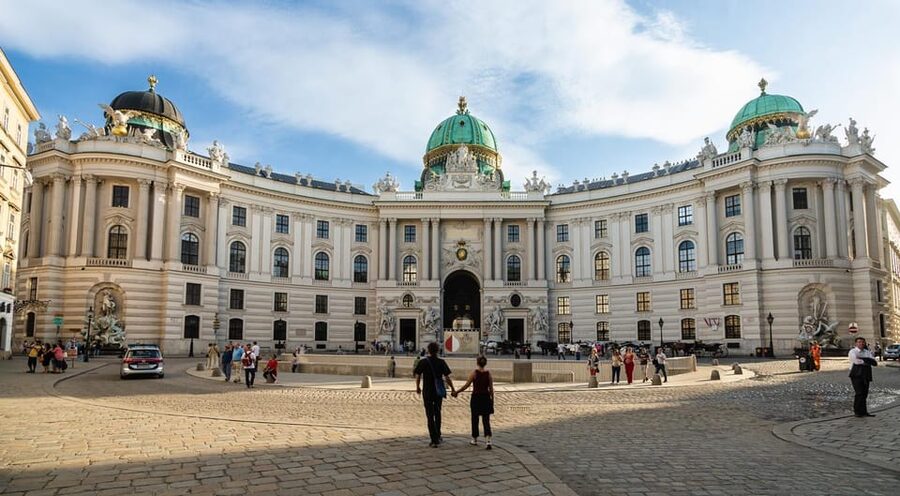
The Michaelerplatz excavations add one of the more interesting changes of tone. Here, the route turns from imperial Vienna to Roman remains, showing that the city’s story did not begin with the Habsburgs.
The stop is scheduled for around 10 minutes. That is enough for an introduction to the ruins and their place in the city, but not enough for a detailed archaeological session. I would pay close attention here, since the exposed remains can be easy to overlook when the grand Hofburg buildings draw your eye upward.
This short stop is valuable because it prevents the tour from becoming only a palace-and-church circuit. You get a reminder that Vienna has older layers beneath its polished center.
A few more Vienna outings worth weighing up
- Chocolate workshop in Chocolate Museum Vienna “BO-YO”
★ 4.5 · 352 reviews - Vienna: 2.5-Hour Viennese Coffee, Cake, and Chocolate Tour
★ 4.6 · 44 reviews - Vienna Private City Tour: Palaces, Churches & Sacher Cake Option
★ 4.5 · 41 reviews - Strauss Exhibition incl. LED Concert Show / Coffee + Strauss Cake
★ 5.0 · 30 reviews
Hofburg Palace and the story of Empress Sissi
The Hofburg Palace is the central imperial stop. Your guide explains the royal family and Empress Sissi, whose public image remains closely tied to Vienna.
The tour includes about 10 minutes at the Hofburg. Again, the supplied details do not promise entry to the palace museums or apartments, so plan on guided commentary around the complex rather than a full palace admission.
That limitation is important when you compare this walk with a dedicated Hofburg tour. The private walk gives you a useful overview and places the palace within the wider city, but it will not replace time inside the Imperial Apartments, the Sisi Museum, or the Silver Collection if those are priorities for you.
For a first day in Vienna, though, the short stop can be just right. You learn who lived here, how the court shaped the city, and where the palace sits in relation to the Opera, churches, and old market streets.
Demel, coffee, and the Viennese sweet tooth
Demel receives the longest stop early in the route, about 30 minutes. The tour description connects this part of the experience with the famous Sacher cake and Viennese coffee tradition.
The included food is coffee and a sample of traditional Sacher cake. The details also note that the company allowance for two people covers two coffees and one cake portion. If you are booking as a pair and want a full slice each, budget for an additional order.
That small serving issue is worth considering because the cake is part of the appeal. It is not a full meal, and you should not treat it as one. Think of it as a cultural pause, a chance to sit down, taste a classic Viennese sweet, and ask your guide about coffee-house customs.
The itinerary also lists Conditorei Sluka Kärntner Straße near the end, with 20 minutes there before the tour finishes. Since both Demel and Sluka appear in the route, confirm the exact café arrangement when booking if the cake stop is especially important to you.
Plague Column, St. Peter’s Church, and Hoher Markt
The Vienna Plague Column is scheduled for 10 minutes. Your guide explains its memorial meaning and the city’s resistance to plague. It is a good place to consider how public monuments can carry both religious and civic messages.
St. Peter’s Church follows, with about eight minutes. The stop is short, but the church adds another view of Vienna’s historic center and its religious architecture.
The Anker Clock gets 10 minutes. Its moving figures and changing display make it one of the more playful sights on the route. The tour description calls its figures unique in Europe, and your guide can explain why this clock attracts attention beyond its practical function.
Hoher Markt follows with another 10-minute explanation. This was an important civic and commercial area, and it helps you picture central Vienna as a place where people worked and traded, not only a stage for palaces and grand ceremonies.
The sequence works well because it moves from monument to church to clock to market. You get different sides of the city within a small walking area.
The Jewish Quarter and Ruprechtskirche
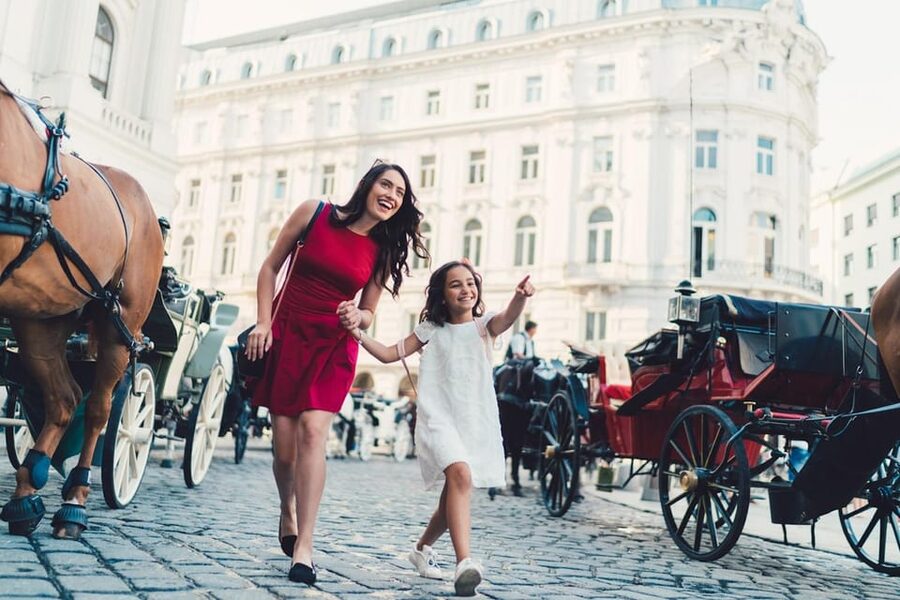
The route then turns toward the Jewish Quarter, one of the most important parts of the experience for visitors who want more than imperial Vienna. Your guide discusses the area’s Jewish heritage and history rather than passing through it as just another set of old streets.
Ruprechtskirche receives about 20 minutes, making it one of the longer guided stops. Its place in the old city gives the guide room to connect religious history, the Jewish Quarter, and the changing identity of central Vienna.
This portion may be especially useful if you have already seen the Opera and Hofburg on your own. It broadens the city story and makes clear that Vienna’s past includes many communities and traditions.
The tour description does not promise entry to a dedicated Jewish museum or memorial site. You are receiving a guided orientation through the quarter and surrounding sights, so anyone seeking a more focused study of Jewish Vienna should plan a separate visit.
Mozarthaus and St. Stephen’s Cathedral
Mozarthaus Vienna appears as a 10-minute stop. The subject is Mozart’s life and creative work, linking the streets of Vienna to the composer’s time in the city.
As with the other brief stops, do not assume that the tour includes a complete museum visit. The information provided describes a guided stop, not a ticketed exploration of all the rooms and exhibits.
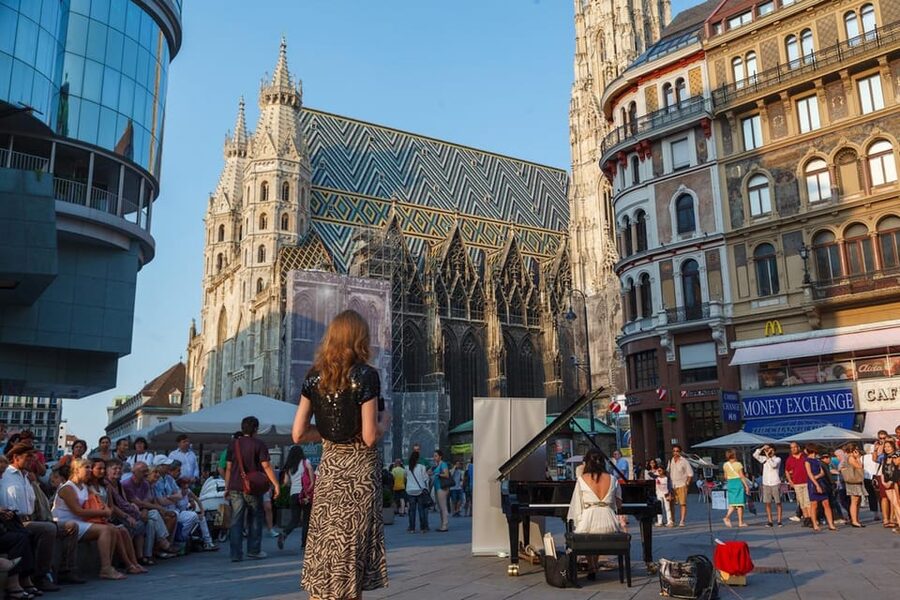
St. Stephen’s Cathedral is the grand finale of the major sights. About 10 minutes is assigned to the cathedral, enough to discuss its Gothic design and colorful roof. You will want to look up as well as around: the roof is one of the cathedral’s most recognizable details.
A longer cathedral visit would require more time than this schedule allows. If you want to study the interior carefully, climb a tower, or spend time with the chapels, plan another visit. On this walk, the cathedral works as a final visual anchor before the last coffee-house stop.
What three hours really means
The route lists 17 stops, including the meeting and finishing points. That is a lot for three hours, especially when the timed visits add up to more than a simple stroll.
In practice, you should expect a brisk walking tour with short explanations at many locations. The private format helps because you can ask questions without slowing a large group, but you still cannot turn every 10-minute stop into a full museum visit.
Wear comfortable shoes and keep the morning or afternoon around the tour reasonably open. The activity is wheelchair accessible, which is helpful, although the number of historic streets, churches, and exterior locations means you may still want to discuss your exact needs with the provider before booking.
The available guide languages are English and Italian. The group is private, so the experience suits people who prefer conversation and direct attention over a large lecture.
Is $134 per person good value?
At $134 per person, this tour is not the budget way to see Vienna. You can walk much of the central district independently, and most of the listed stops are viewed from outside or receive short commentary.
The value comes from the guide. If you want a person to connect the Roman remains, Habsburg palace, Jewish Quarter, churches, clock, cathedral, and coffee culture, the price can be reasonable for a private group. It is especially useful on a first visit when you want to get your bearings quickly and avoid spending hours sorting out the city’s complicated history alone.
The included coffee and cake add atmosphere but should not drive your buying decision. The food portion is limited, particularly for two people sharing one cake, and you may want to pay for another slice.
The current rating is 3.8 from five ratings, which is too small a sample to treat as a firm measure of quality. The most specific positive feedback concerns Aida’s preparation, timing, clear speech, friendly approach, and ability to tailor the discussion. Those are meaningful strengths for a private tour.
Who should book this Vienna tour?
I would choose this for a first-time visitor who wants a broad introduction to central Vienna in one sitting. It also fits couples and families who prefer to ask questions freely, and history-minded visitors who want the route to include more than the Opera and Hofburg.
It is less suitable if you want long museum visits, a full Spanish Riding School experience, a complete Hofburg tour, or a substantial meal. Those are separate experiences, and this walk only gives you an introduction to each.
Book it if the private guide and broad route matter more to you than the number of admissions included. Skip it if you prefer independent wandering, dislike a fast schedule, or want one attraction explored in great depth.
FAQ
How long does the private Vienna tour last?
The tour lasts three hours.
What languages are available?
The live guide is available in English or Italian.
Is this a private group experience?
Yes. The tour is designed for a private group.
Where does the tour start?
It starts at the fountain attached to the Albertina Museum, at Albertinaplatz 1.
Where does the tour finish?
The activity ends back at the meeting point area, with the itinerary specifically listing Conditorei Sluka Kärntner Straße as the finish.
Is coffee and Sacher cake included?
Yes. The package includes a coffee and a sample of traditional Sacher cake.
Does the tour include entry to the Hofburg Palace?
The provided details describe a guided stop at Hofburg Palace but do not state that palace admission is included.
Is the tour wheelchair accessible?
Yes, the activity is listed as wheelchair accessible.
Can I cancel for a full refund?
Yes. You can cancel up to 24 hours in advance for a full refund.
Just reviewed in Vienna
- World War II History Vienna Old Town Private Walking Tour★ 4.8 · 9 reviews
- Vienna: Wine Tasting E-Bike Tour★ 4.9 · 46 reviews
- Vienna: Winery and Wine Tasting Tour with a Wine Expert★ 5.0 · 5 reviews
- Vienna: Unforgettable Private City Tour★ 5.0 · 7 reviews
- Vienna Urban Art Tour: Explore a different side of Vienna!★ 3.8 · 14 reviews
- Vienna: Concert by the Vienna Baroque Orchestra★ 4.6 · 56 reviews
- Vienna: Sunday Brunch Danube Cruise & Live Music★ 4.2 · 42 reviews
- Vienna Supreme Orchestra at Palais Niederösterreich★ 4.8 · 10 reviews
Vienna Coffee House and Cake Tours, compared.
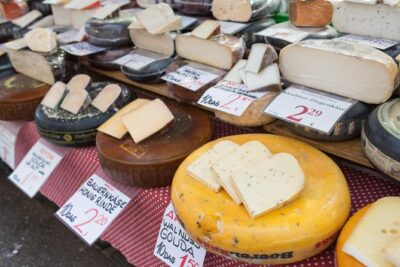
Vienna for Food Lovers: Cafés, Markets & Austrian Cuisine
Read our review →

Vienna Coffee, Cake & Pastries Tour with Local Stories
Read our review →
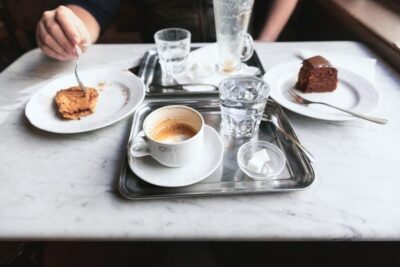
Typical Austrian Food Tour with Coffee House Visit
Read our review →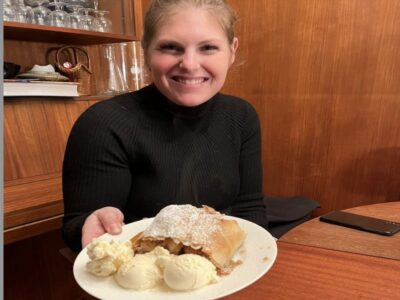
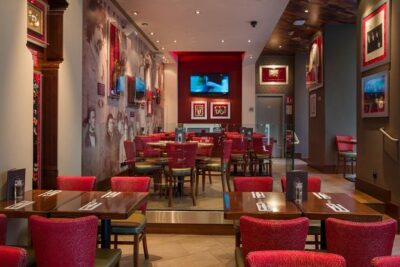
Hard Rock Cafe Vienna with Set Menu for Lunch or Dinner
Read our review →
Vienna Eats: Private Foodie Walk with Coffee & Markets
Read our review →Browse the lists this tour appears in