
Reviewed · VIENNA CHURCH TOURS AND TICKETS
Vienna: Classical Concerts in the Minorite Church Ticket
Vienna’s Minoritenkirche turns a short classical concert into a memorable city-center evening. The Gothic church gives Mozart, Bach, Beethoven, and Vivaldi a setting far removed from a standard concert hall, with stonework and reverberation shaping the sound around you. I especially like the central location and the chance to hear excellent musicians in an intimate church rather than a grand tourist venue.
The 70-minute format also works well in a busy Vienna schedule. You get a complete cultural experience without giving up an entire evening. The main drawback is comfort: church chairs can feel hard, and the building may be cool, especially during a longer program.
Key points to know before you book
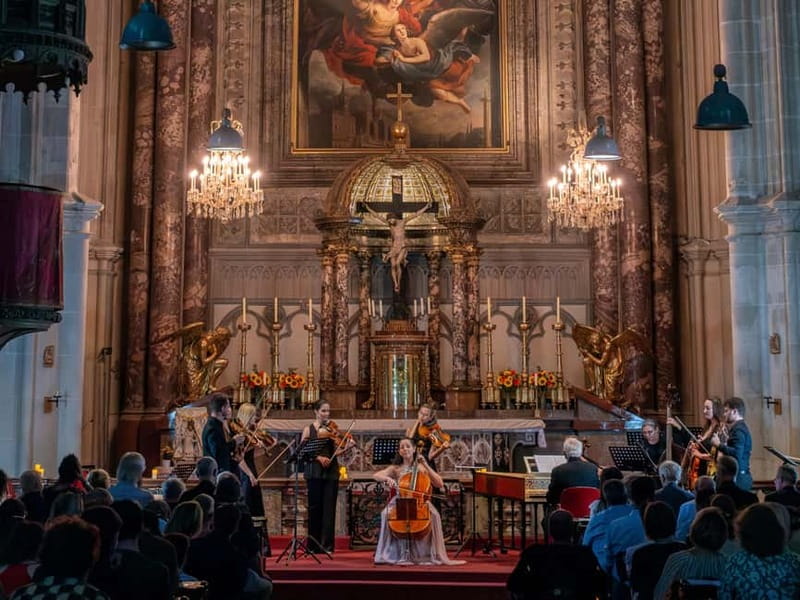
- Music inside a Gothic church: The Minoritenkirche provides striking architecture and strong natural acoustics.
- Programs change by date: You might hear Vivaldi’s Four Seasons, Mozart quartets, festive seasonal music, or major works by Bach.
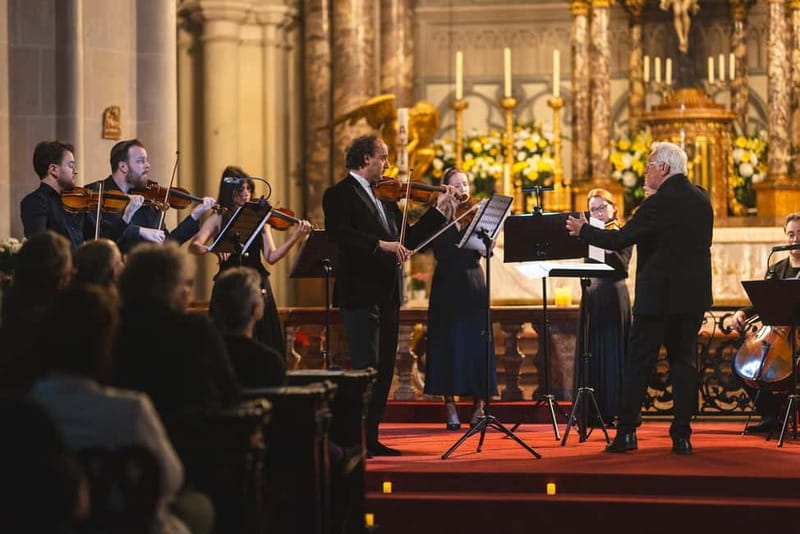
- Chamber music can feel close-up: Some seating lets you watch the musicians’ hands and expressions from nearby.
- Special performances include Philharmonic musicians: Selected dates feature members of the Vienna Philharmonic.
- A 70-minute cultural stop: The concert fits neatly before dinner or after sightseeing in central Vienna.
- Check the exact date carefully: Seasonal and advertised programs are not the same at every performance.
Why the Minoritenkirche makes the concert special
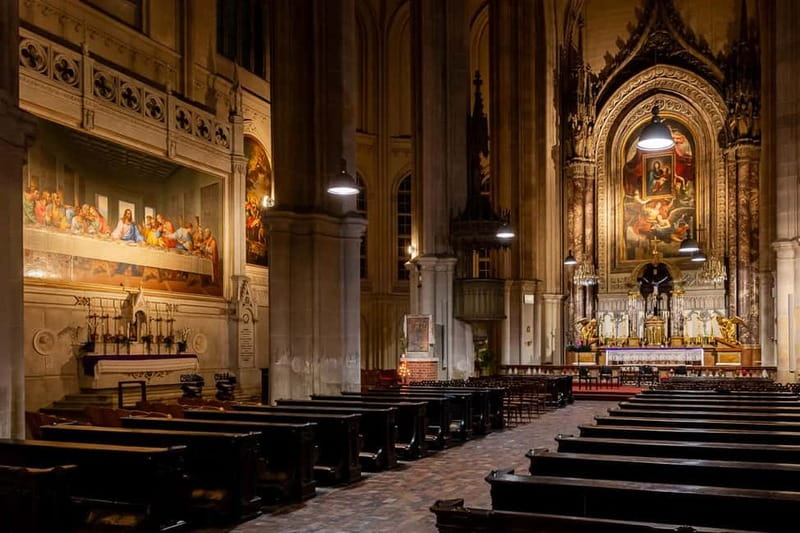
The venue is the real starting point. Minoritenkirche is a historic Gothic church in Vienna’s central district, and its tall interior gives the concert a solemn, spacious character. You are not simply listening to classical music in a room with seats. You are hearing it inside a building designed to carry the human voice and instrumental sound.
That acoustic can be beautiful, though it changes the music. A church naturally adds resonance, so sustained notes and slow movements may seem especially full. Fast passages can also gain an attractive shimmer, but very dense music may sound less sharply separated than it would in a modern concert hall.
I like this setting for music by Mozart, Bach, Beethoven, and Vivaldi because the church adds ceremony without requiring a formal opera-night commitment. You can walk through Vienna’s historic center, take your seat, and spend just over an hour with live music in an important old building.
The venue also gives this concert a different feel from a performance in the Golden Hall. The church is more intimate and less polished in the modern concert-hall sense. That is part of the appeal. You hear the music in a working historic space, with stone, height, and atmosphere all affecting the experience.
More churches and crypts in Vienna:
- Vienna: Vivaldi’s Four Seasons Concert in Karlskirche
★ 4.7 · 14,951 reviews - Vienna: Light of Creation Votive Church Immersive Light Show
★ 4.8 · 6,779 reviews - Vienna: Classic Ensemble Vienna in St. Peter’s Church Ticket
★ 4.7 · 4,819 reviews
What happens during the 70-minute concert
There is no sightseeing route or series of stops. The experience is focused: arrive at the designated meeting point for your option, enter the church, find your seat, and listen to the scheduled program. It finishes back at the same meeting point.
The concert lasts about 70 minutes. That is long enough for a substantial selection of classical music, but short enough to fit into a day that already includes museums, palaces, and walking. I would plan to arrive with enough time to identify the entrance and settle in, since the exact meeting point can vary depending on the performance option.
A program booklet or sheet is included. This matters more than it may sound. It helps you follow the evening’s works, identify the composers, and understand whether you are hearing a complete work, selected movements, or an arrangement.
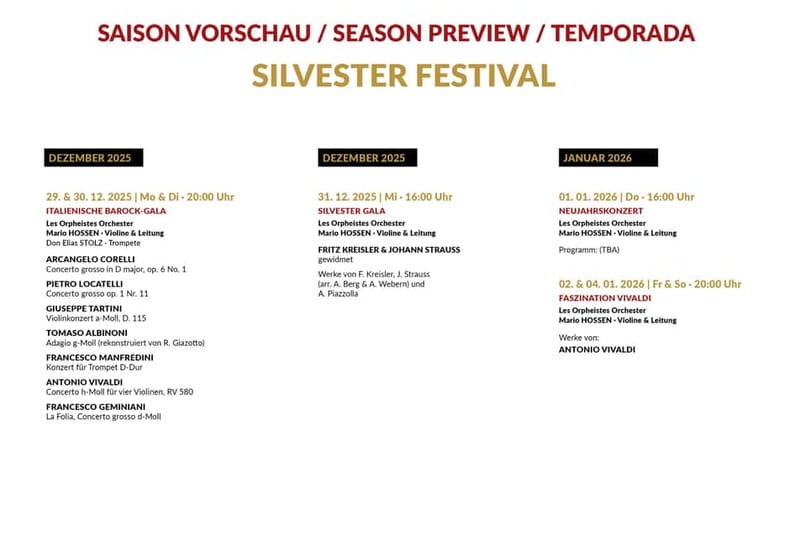
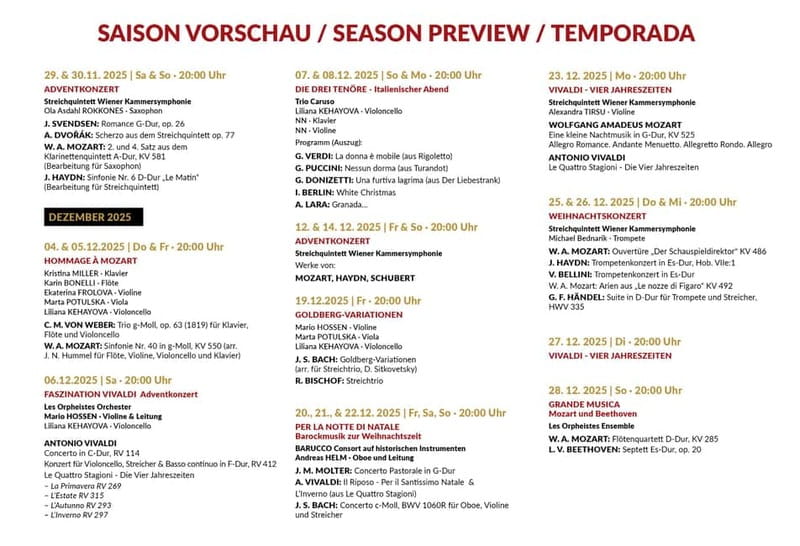
Do not assume that every date offers the same type of concert. The schedule can include chamber music, orchestral performances, choral works, and seasonal programs. Check the exact date and repertoire before booking if you have your heart set on Mozart, Vivaldi, or a particular ensemble.
The range of music, from Vivaldi to Bach
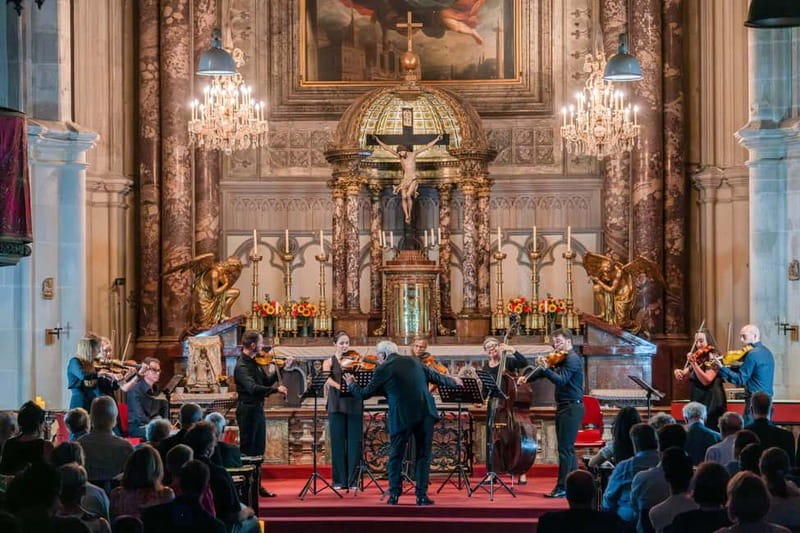
The changing program is one of the strongest reasons to consider this experience more than once. Vivaldi’s Four Seasons is a familiar crowd favorite, with its stormy rhythms, birdlike figures, and bright solo violin writing. In a church, the slow movements can take on a calm, reflective quality.
Other dates focus on Mozart or Beethoven, and the program may feature string ensembles or chamber arrangements. One listed chamber program pairs Mozart’s String Quartet in B-flat major, known as The Hunt, with Haydn’s String Quartet in D major, known as The Lark. That is a fine choice if you prefer close musical conversation among a small group of players rather than a large orchestra.
A flute quartet program offers another change of pace. It includes Mozart’s Flute Quartet in D major, selections from The Magic Flute arranged by Johann Wendt, a second Mozart quartet, and works by Marin Marais and Claude Debussy. Debussy’s Syrinx for solo flute and Marais’s Les Folies d’Espagne give the program a wider musical range than an evening devoted only to Viennese classics.
The most substantial advertised program is Bach’s Mass in B Minor. This is not a light one-hour collection of popular excerpts. It is one of Bach’s largest sacred works, with choruses, solo arias, and demanding instrumental writing. The listed performance is led by Martin Sieghart, with the Les Orpheistes Orchestra and Concert Choir Interpunkt. Soloists include Cornelia Horak, Hermine Haselböck, Jan Petryka, and Rafael Fingerlos.
For a major choral work, check the duration and exact schedule particularly carefully. The standard experience is described as 70 minutes, but large sacred works can require different programming or presentation. The date-specific information is the best guide.
Chamber music, orchestra, or choir?
Your choice of date affects the mood as much as the composer. Chamber music is usually the most intimate option. You can watch the musicians coordinate, hear individual lines more clearly, and appreciate the physical detail of bowing, breathing, and phrasing.
Several performances feature members of the Vienna Philharmonic. That does not mean every concert has the same performers, so check the date. When a small ensemble of this level plays in a church, the appeal is precision at close range rather than spectacle.
Orchestral programs create a broader wall of sound. Vivaldi’s Four Seasons can feel especially lively in this format, while festive Easter, Advent, Christmas, and New Year programs add a seasonal reason to attend. These performances suit you if you want familiar works and a stronger sense of occasion.
A choral work such as Bach’s Mass in B Minor offers something different again. The church setting makes natural sense for sacred music, and the combination of chorus, soloists, and orchestra can fill the space in a way a string quartet cannot.
I would not book based only on the words classical concert. Look at the program. A chamber recital, a Vivaldi program, and Bach’s Mass in B Minor are three very different evenings.
More classical concerts in Vienna:
- Vienna: Classical Concert in the World-Famous Musikverein
★ 4.6 · 6,673 reviews - Vienna: Mozart Concert at the Golden Hall
★ 4.6 · 3,986 reviews - Vienna: Classical Concert in St. Anne’s Church (Annakirche)
★ 4.6 · 3,414 reviews - Vienna: Classical Concert at Mozart’s First House
2,423 reviews
Seating and sightlines inside the church
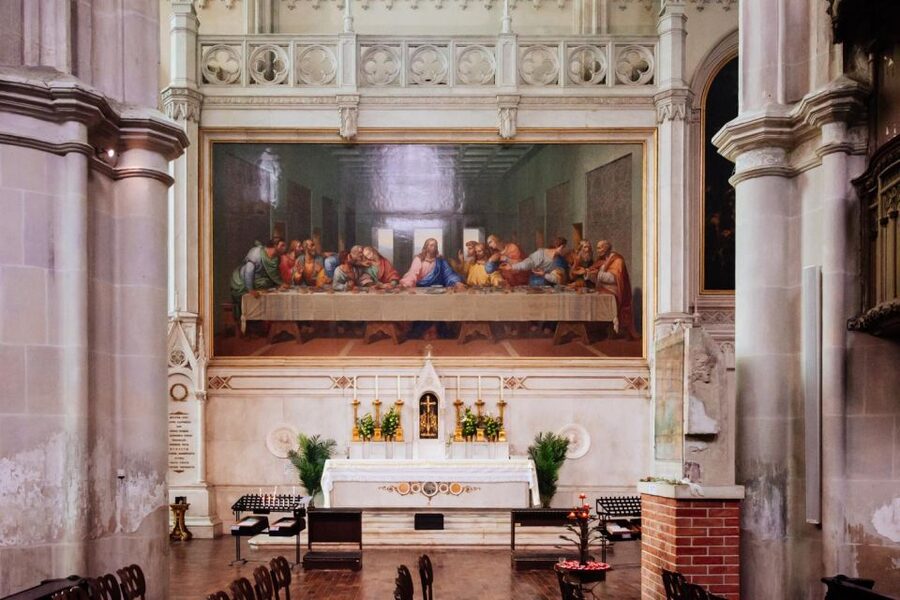
Seating can shape the experience. Some ticket categories are closer to the performers, while other sections place you farther back. One particularly positive feature of the venue is that even a relatively modest church space can allow close views of the musicians, depending on your section.
Front or superior seating may be worth considering if you care about watching technique and facial expression. A nearby seat can make a string trio or quartet feel almost conversational. It may also help if you want a clearer view of the players rather than hearing the music as a broad sound washing through the church.
Farther-back seating still gives you the architecture and acoustics, and it may provide a better overall view of the church interior. The tradeoff is less detail on the performers. If your main goal is sound and atmosphere, a rear section can offer good value. If you are attending for the visual connection with the musicians, pay for the closer category when the difference is reasonable.
The chairs are functional rather than luxurious. You may find them uncomfortable during a longer or especially serious program. This is one reason the 70-minute length works in the concert’s favor.
How much value do you get for $22?
At $22 per person, this is one of Vienna’s more accessible ways to attend a live classical performance in a historic venue. You are paying for an entrance ticket and program booklet, not a full guided tour, dinner, drinks, or transportation.
That distinction helps set expectations. The value is in the music, architecture, and location. If you already plan to spend the evening in central Vienna, the concert can be an easy addition rather than a costly standalone event.
The price is strongest for a standard chamber or orchestral program. A concert by members of the Vienna Philharmonic, held in a Gothic church and lasting 70 minutes, gives you a taste of Vienna’s musical culture without committing to a formal multi-hour performance.
Seating upgrades can change the calculation. Front seats may be worthwhile for a special occasion or a small ensemble, while a less expensive section is perfectly sensible if you mainly want to hear the music. Check exactly what category you are buying, since seating arrangements and meeting points can vary by option.
The flexibility also helps. Free cancellation is available up to 24 hours in advance, and you can reserve now and pay later. Those terms are useful when your Vienna schedule includes weather-sensitive sightseeing or several competing evening plans.
Practical details that affect your evening
The concert is in Vienna’s historic city center, so it pairs well with nearby sightseeing and dinner. No transport is included, and the meeting point can vary by option, so check your confirmation rather than relying on a generic church entrance image.
English, German, Spanish, and Italian host or greeter assistance is available. This is not presented as a guided historical tour, so do not expect a long introduction to the church or a lecture about each composition. The focus is the performance.
The church is wheelchair accessible. Children under six are not allowed, and the concert is best suited to older children and adults who can sit quietly for the full program.
Smoking, food, and drinks are not allowed. Flash photography, video recording, and photography inside are also prohibited. These rules protect the atmosphere and prevent screens and flashes from distracting the performers.
Temperature can be a concern. Churches are not always as warm as modern concert halls, and a longer program may feel chilly. Dress in layers, especially for winter, Advent, Christmas, or New Year performances. A short program helps, but it does not guarantee a warm seat.
Some performances begin precisely and keep close to the advertised length. That makes the concert easy to combine with dinner, though I would avoid booking a restaurant reservation immediately afterward unless you have allowed time to exit and walk.
Who will enjoy this concert most?
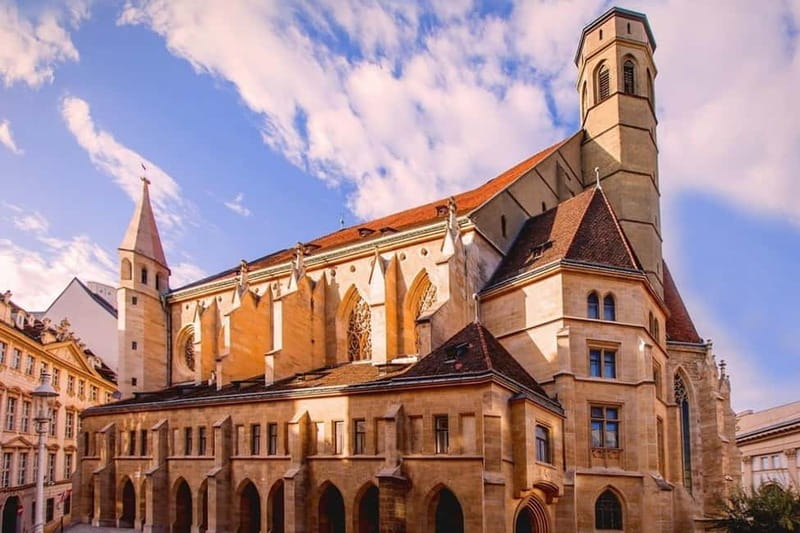
This is a strong choice if you want a real classical music experience but do not want to spend an entire night at the opera or a large formal concert. The 70-minute length is friendly to first-time concertgoers and to anyone fitting music around a packed city itinerary.
It also suits experienced listeners who want unusual programming. The schedule can move from well-known Vivaldi to Mozart chamber music, French repertoire for flute, or a major Bach mass. That variety gives you more control than booking a generic evening concert.
Families with children under six should choose another activity. Older children may enjoy the setting, especially with a familiar work such as The Four Seasons, but the church rules and quiet format require patience.
The concert is less suitable if you want a guided tour, detailed historical commentary, or a full evening of entertainment beyond music. You receive a program booklet, but the emphasis remains firmly on listening.
Should you book the Minoritenkirche concert?
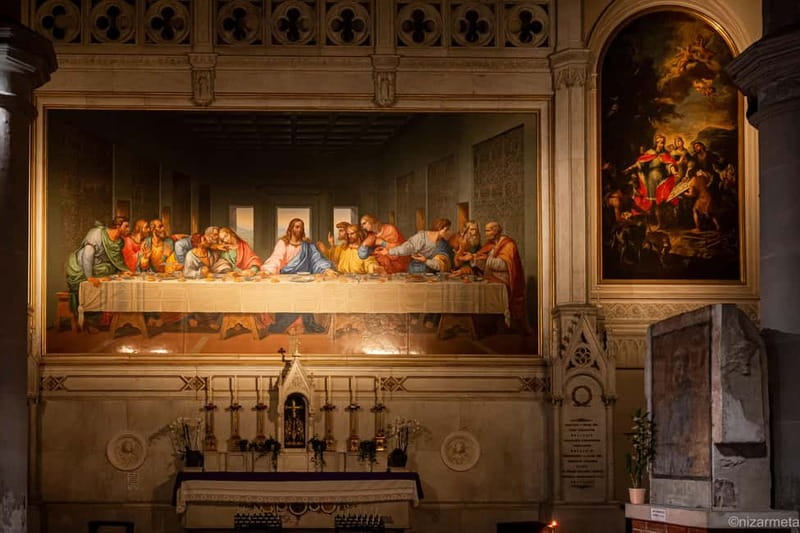
I would book it if you want good-value live music in a central historic setting, especially when the date offers a composer or ensemble you already like. The architecture and acoustics give the evening a distinct Viennese character, and the short running time makes it easy to fit into your plans.
Check three things before paying: the exact repertoire, the seating category, and the meeting point. Choose a closer section for chamber music and a broader view for atmosphere. Bring a layer, expect church seating rather than theater comfort, and remember that every date offers a different musical experience.
For $22, this is a sensible pick for a first taste of Vienna’s concert life. It is not a replacement for a major opera or full symphony evening, but it offers something more intimate, more convenient, and often more personal.
FAQ
How long does the concert last?
The concert lasts 70 minutes.
Where does the concert take place?
It takes place in Vienna’s historic Minoritenkirche in the city center.
What music might be performed?
Programs can include works by Mozart, Bach, Beethoven, and Vivaldi. Specific dates may feature Vivaldi’s Four Seasons, Mozart and Haydn string quartets, flute quartets, seasonal music, or Bach’s Mass in B Minor.
Is the program the same every day?
No. Programs change by date and season, so check availability and the exact program before booking.
What does the ticket include?
Your ticket includes entrance to the concert and a program sheet or booklet.
Is the concert suitable for young children?
Children under six are not allowed.
Is the church wheelchair accessible?
Yes, the activity is wheelchair accessible.
Can I take photographs or record the performance?
No. Photography inside, flash photography, and video recording are not allowed.
Can I cancel the booking?
You can cancel up to 24 hours in advance for a full refund. Reserve now and pay later is also available.
Just reviewed in Vienna
- World War II History Vienna Old Town Private Walking Tour★ 4.8 · 9 reviews
- Vienna: Winery and Wine Tasting Tour with a Wine Expert★ 5.0 · 5 reviews
- Vienna: Wine Tasting E-Bike Tour★ 4.9 · 46 reviews
- Vienna: Unforgettable Private City Tour★ 5.0 · 7 reviews
- Vienna Urban Art Tour: Explore a different side of Vienna!★ 3.8 · 14 reviews
- Vienna: Concert by the Vienna Baroque Orchestra★ 4.6 · 56 reviews
- Vienna: Sunday Brunch Danube Cruise & Live Music★ 4.2 · 42 reviews
- Vienna Supreme Orchestra at Palais Niederösterreich★ 4.8 · 10 reviews
Vienna Church Tours and Tickets, compared.
Light of Creation Votive Church Immersive Light Show
Read our review →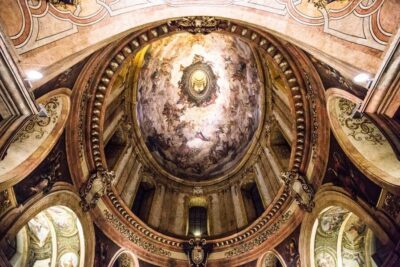
Classic Ensemble Vienna in St. Peter’s Church Ticket
Read our review →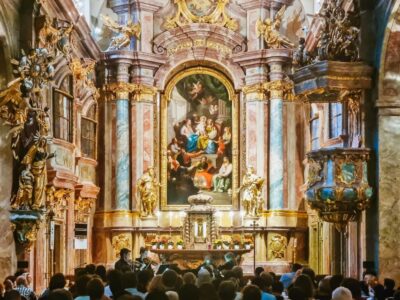
Classical Concert in St. Anne’s Church (Annakirche)
Read our review →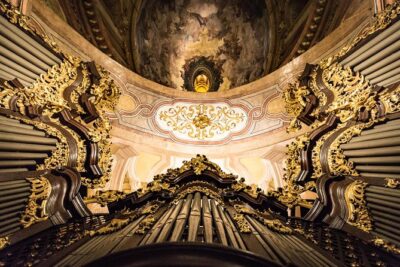
Vienna Classical Concert at St. Peter’s Church
Read our review →
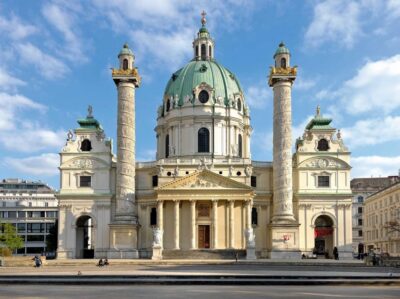
Karlskirche Entry Ticket with Panoramic Terrace Access
Read our review →Classical Concert in St. Anne’s Church (Annakirche)
Read our review →Browse the lists this tour appears in