
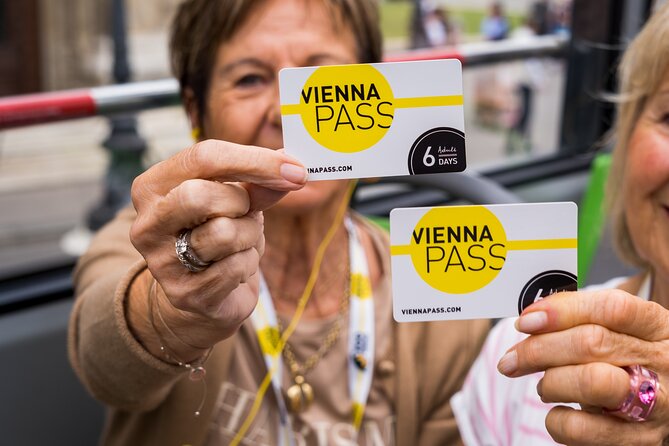
Reviewed · VIENNA HOP-ON HOP-OFF BUS TOURS
Vienna PASS Including Hop On Hop Off Bus Ticket
Vienna’s imperial sights and first-rate museums are spread across the city, and this pass lets you bundle many of them into one ticket. The strongest benefit is pre-booked entry to more than 90 attractions, from Schönbrunn Palace and the Belvedere to the Imperial Crypt and Spanish Riding School.
I especially like the freedom to choose your own pace and the chance to use the hop-on hop-off buses for an easy city overview. The pass also works well for museum-heavy visits, particularly over two or three days.
The main caution is value. At $134.56 per person, a one-day pass requires a very busy schedule, and the buses can be slow or miss stops. Vienna’s public transport is not included, either.
Key points to know before you buy
- Schönbrunn is a full-day possibility: The palace, gardens, Gloriette, maze, children’s museum, and zoo can easily fill your schedule.
- The best value comes from several paid sights in one day: Belvedere, Hofburg, Albertina, and major museums can quickly add up.
- The hop-on hop-off bus is useful for orientation, not always speed: Routes cover key districts, but waiting times and missed stops can cost you time.
- The pass does not include ordinary public transport: You need a separate ticket for Vienna’s subway, trams, and buses.
- Some famous sights need careful planning: The Spanish Riding School and Schönbrunn have specific entry arrangements, and the standard palace visit may not cover every tour.
- You must collect the physical pass: Bring official photo ID to the Vienna Sightseeing and Vienna PASS Service Center at Operngasse 3-5, opposite the State Opera.
What the Vienna PASS actually gives you
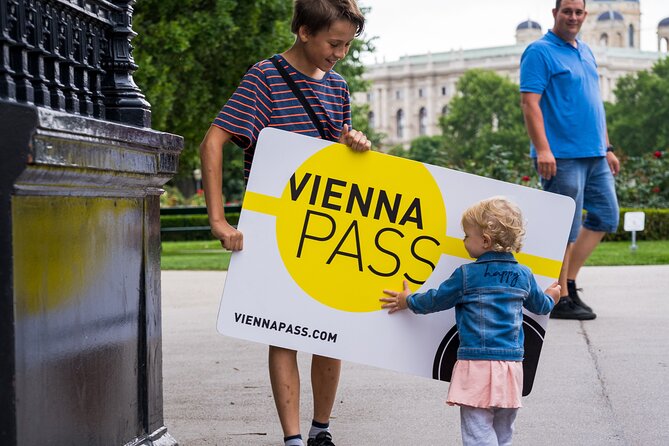
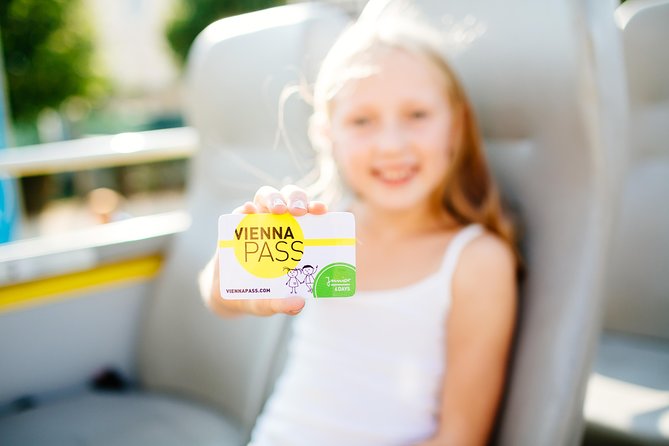
The Vienna PASS is a sightseeing pass valid for one, two, three, or six days. It includes admission to more than 90 attractions, an audio commentary on the hop-on hop-off buses in 16 languages, and a guidebook to help you plan.
This is not a guided city tour with a personal guide. You choose the sights, decide how long to stay, and use the buses when they suit your plans. That makes it flexible, but it also puts the planning work on you.
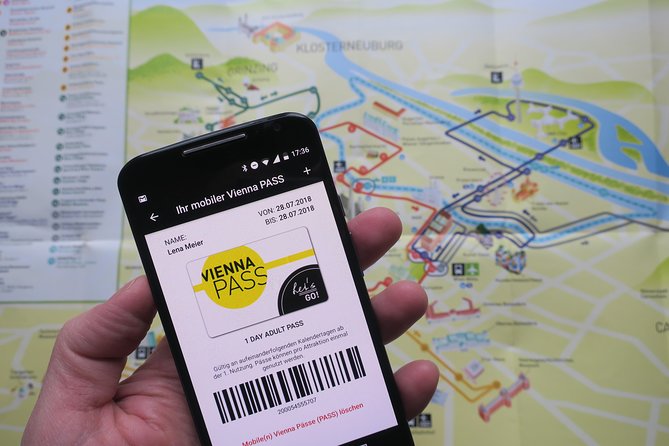
The pass begins when you first use it, and the clock is based on calendar days rather than a rolling 24-hour period. For that reason, I would avoid activating a two-day pass late in the afternoon. Start early on your first full sightseeing day.
You must exchange your voucher for the actual pass in person. The service center is open Monday through Sunday from 9 a.m. to 6 p.m. The person collecting the pass must be the person named on it and must show official photo ID.
More hop-on hop-off bus tickets:
- Vienna: Hop-On Hop-Off Sightseeing Bus Tour in 19 Languages
★ 4.2 · 4,518 reviews - Vienna: Big Bus Hop-On, Hop-Off Tour by Open-Top Bus
★ 4.4 · 3,529 reviews - Big Bus Vienna Hop-On Hop-Off Sightseeing Tour
★ 4.0 · 1,735 reviews
Is $134.56 good value?
The price looks high beside a normal city transport ticket, but the Vienna PASS is not a transport pass. It is mainly an admission pass with sightseeing buses added.
The value improves quickly if you visit several expensive sights in one day. A productive two-day plan might include the Belvedere, Albertina, Hofburg, Kunsthistorisches Museum, Schönbrunn Palace, and one or two smaller museums. Add the bus routes between them, and the pass can make financial sense.
The one-day version is harder to justify. You need to visit several included attractions and avoid long meals or slow bus connections. A short visit built around only two major sights may not save money.
The six-day version suits you if you want a relaxed museum program. You can return to the city’s many districts without feeling forced to race from one palace to another. It is less useful if your Vienna visit is mainly about walking, cafés, markets, and free outdoor sights.
Children have separate pricing, though the supplied information gives no child rate. Children must be accompanied by an adult.
How useful are the hop-on hop-off buses?
The buses give you a broad look at Vienna and connect districts that are not always close together on foot. Routes cover central Vienna, Schönbrunn, the Prater, Belvedere, the Danube area, and other major stops.
The audio commentary is available in 16 languages. It can help you understand what you are seeing while you ride, though the quality of the onboard commentary and stop announcements can vary.
I would use the bus in two ways. First, take a complete route early in your visit to get your bearings. Second, use it for longer jumps, such as central Vienna to Schönbrunn or the Prater area.
I would not treat it as Vienna’s main public transport system. Buses may run less often than you expect, and some stops are not clearly marked. There have also been problems with buses passing stops or failing to arrive at the advertised point. At times, walking for 10 minutes to another stop is quicker.
The buses can also lose time in traffic. Vienna is easy to explore by foot in the center, and the subway or tram may be a better choice for a direct trip. Since public transport is not included, budget for separate tickets.
The imperial core: Hofburg, Albertina, and the Imperial Crypt
The Hofburg is one of the pass’s essential stops. The former Habsburg residence now houses the Imperial Apartments, Sisi Museum, and Imperial Silver Collection. Give it about three hours if you want more than a quick look.
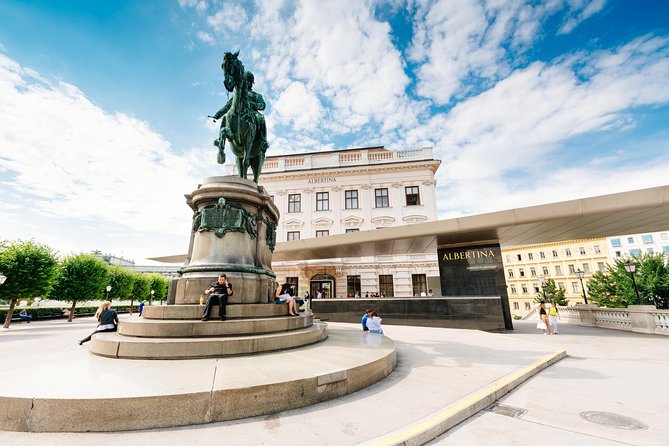
The Albertina sits nearby in a former Habsburg residence. It combines grand rooms with major art collections, making it a good choice when you want both imperial interiors and paintings in the same visit.
The Imperial Crypt offers a much quieter experience. It is the burial place of Habsburg emperors, empresses, and members of the dynasty. Allow about an hour, and expect a solemn visit rather than a grand palace tour.
The Austrian National Library’s State Hall is another striking central stop. Emperor Charles VI commissioned this Baroque library, and the room itself is the main reason to go. The Literature Museum and Papyrus Museum offer smaller, more focused visits nearby, each taking about an hour.
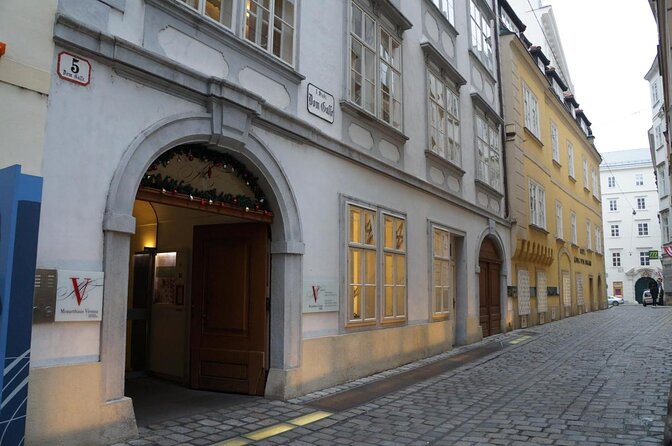
The Mozarthaus Vienna presents Mozart’s only preserved Vienna apartment. It concentrates on his Vienna years and the music he created during his most productive period there.
A few more Vienna outings worth weighing up
- Vienna: Classic Ensemble Vienna in St. Peter’s Church Ticket
★ 4.7 · 4,819 reviews - Vienna Kunsthistorisches Museum Day Admission Ticket
★ 4.6 · 3,690 reviews - Vienna: Tickets for Mozarthaus Vienna with Audio Guide
★ 4.2 · 2,344 reviews - Vienna: Skip-the-Line Entrance Ticket to the Danube Tower
★ 4.5 · 2,303 reviews
Art lovers should target Belvedere and the MuseumsQuartier
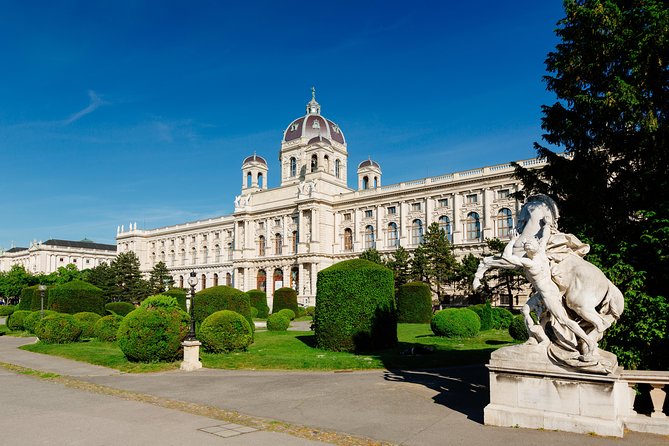
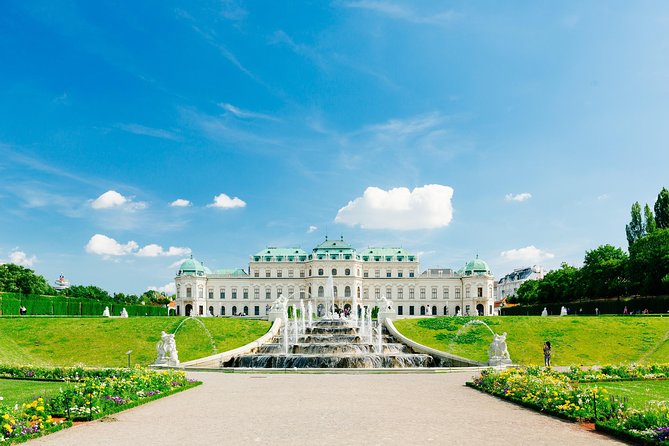
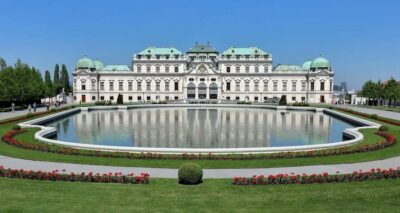
The Belvedere is one of the strongest reasons to buy the pass. Prince Eugene of Savoy’s former residence has two palaces linked by gardens, and the Upper Belvedere holds famous works by Gustav Klimt, Egon Schiele, Oskar Kokoschka, Renoir, Monet, and Van Gogh.
Allow at least three hours for the complex. The gardens add time, and the Lower Belvedere and Belvedere 21 offer different experiences from the Upper Belvedere. Check exactly which areas your admission covers before you arrive, especially if a temporary exhibition is important to you.
The Kunsthistorisches Museum is another major stop. Its collections cover five millennia and reflect the Habsburg appetite for collecting. It deserves much more than the one-hour estimate if you want to see the major galleries properly.
At the MuseumsQuartier, the Leopold Museum focuses on Viennese Art Nouveau, the Wiener Werkstätte, and Expressionism. It has the world’s largest Egon Schiele collection, along with important Klimt works. MUMOK covers modern and contemporary art, from Cubism and Surrealism to Pop Art, Fluxus, and Vienna Actionism.
The Bank Austria Kunstforum focuses on classic modernism and postwar avant-garde art. Kunsthalle Wien presents international contemporary art at its MuseumsQuartier and Karlsplatz locations. MAK combines applied arts, architecture, and contemporary art, with work connected to Klimt, Koloman Moser, and Joseph Hoffmann.
You should not attempt all of these in one day. Pick two or three based on your interests, then leave time for the surrounding streets and cafés.
Schönbrunn requires a plan, not a quick stop
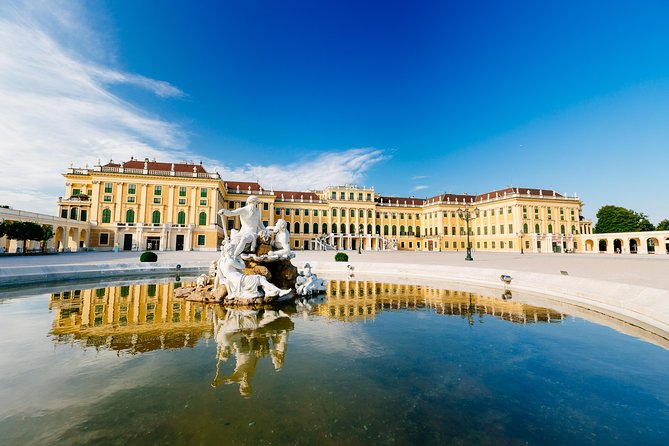
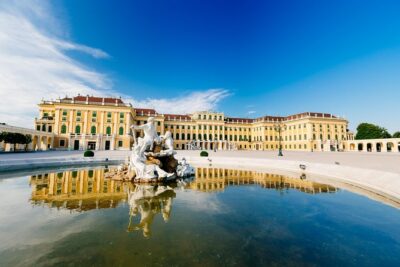
Schönbrunn Palace is the pass’s biggest time commitment. The UNESCO site includes the palace, gardens, Gloriette, maze, labyrinth, orangery, children’s museum, and Schönbrunn Zoo.
The palace alone can take several hours. Add the gardens and the view from the Gloriette, and you have a full morning or afternoon. The children’s museum gives families a look at royal childhood during Maria Theresia’s era.
One important detail: the standard palace admission may not include the Grand Tour. If seeing more rooms matters to you, check the included route before entering. Buying an upgrade after you arrive can interrupt your schedule.
The gardens are especially useful if you want a break from indoor museums. The Crown Prince Garden, maze, labyrinth playground, and orangery each offer a different stop, though some areas may have seasonal limits.
Schönbrunn Zoo is also included and houses more than 700 species, including giant pandas. It is the world’s oldest zoo, and it can easily take two hours or more. The Desert House adds another focused visit with plants and animals from dry regions.
Do not try to combine the palace, every garden feature, and the zoo in a rushed one-day itinerary. Choose the palace and gardens for an imperial visit, or add the zoo if you are traveling with children and have enough time.
Music, writers, and Vienna’s unusual small museums
Vienna’s musical sights give the pass character beyond the large palaces. The Spanish Riding School offers access to the Morning Exercise, where Lipizzaner stallions and riders practice to classical Viennese music. It lasts about an hour, but check the reservation or entry rules carefully.
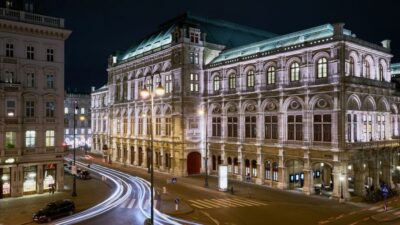
The Vienna State Opera offers a guided tour lasting about 40 minutes. This is a good short stop when you are already near the service center or Hofburg.
Haus der Musik is an interactive sound museum spread over four floors. It is a lively choice for families and anyone who wants a hands-on break from paintings and royal rooms.
The Beethoven Museum in Heiligenstadt connects the composer to the village where he sought relief from his worsening deafness. Beethoven’s Pasqualatihaus presents personal objects and a well-known portrait. Haydnhaus focuses on Joseph Haydn’s final years, while Schubert’s death house contains his last drafted compositions and final letter.
The Sigmund Freud Museum occupies Freud’s former home and practice at Berggasse 13. It presents his life and work through furniture, objects, and photographs.
These smaller museums are valuable when you want context and personality, but they do not all justify a long cross-city bus journey on a one-day pass. Group nearby stops together.
Prater, the Danube, and Vienna beyond the center
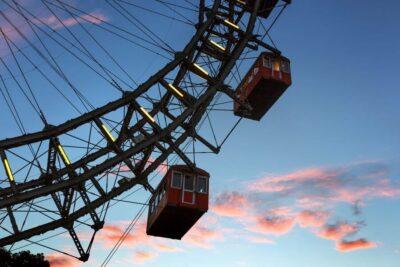
The Prater is more than an amusement park. It includes 60 hectares of woods and meadows, the famous Giant Ferris Wheel, and the Prater Museum, which explores Vienna’s entertainment culture.
The Danube Tower gives you a high view across Vienna from its observation platform 150 meters above ground. It is a good use of the pass when you want a change from indoor sights.
The United Nations in Vienna offers guided tours of the Vienna International Centre, built in 1979. You can also see exhibits, art, a Hundertwasser tapestry, and a moon rock donated by NASA. Check tour availability before building your day around it.
Klosterneuburg Monastery lies outside the central sightseeing loop and represents a larger time commitment. Founded more than 900 years ago, it has links to the Babenbergs and Habsburgs and includes Austria’s oldest winery.
Schlumberger Kellerwelten offers a different kind of visit. In the 300-year-old cellars, you learn how sparkling wine is produced, including riddling, disgorging, dosage, and cellar markings.
Free sights and places where the pass adds less
Not every worthwhile stop needs the pass. The Johann Strauss monument in Stadtpark, Naschmarkt, Hundertwasserhaus, Vienna’s Central Cemetery, and the Votive Church are listed as free attractions.
These places can fill gaps between paid admissions. Naschmarkt is good for food and a pause, while the Central Cemetery offers a broad view of Vienna’s cultural memory, with graves or memorials connected to Beethoven, Strauss, Brahms, Schubert, Mozart, and Falco.
The Hundertwasserhaus is free to view from outside. The nearby Kunst Haus Wien adds an indoor collection devoted to Hundertwasser, but the pass listing treats the house itself as a free stop.
Free sights make the pass less financially powerful, but they make your schedule more enjoyable. You should not measure a successful Vienna visit by how many entries you scan.
Who should buy the Vienna PASS?
I would recommend it most strongly for a first visit lasting two or three full days, especially if you want palaces, art museums, and historic collections. It also works well for families who want to switch between museums, the zoo, the Prater, and interactive attractions.
It is less convincing for a one-day visit unless you already have a tight plan. Walking the center, visiting one palace, and using public transport may cost less and feel calmer.
The pass is also not ideal if your main goal is efficient transportation. The hop-on hop-off buses are sightseeing vehicles, not a replacement for the subway, trams, and city buses.
Final verdict: buy it for concentrated sightseeing
Buy the Vienna PASS if you can name several included sights you genuinely want to visit. A two-day plan with Belvedere, Hofburg, Albertina, Schönbrunn, one major museum, and a few smaller stops can make the price worthwhile.
Skip it if you prefer slow wandering, free outdoor sights, cafés, and ordinary public transport. If you do buy it, collect it early, study the guidebook, group sights by district, and use the bus for orientation rather than every short trip.
The pass rewards planning. Used thoughtfully, it can turn Vienna’s scattered imperial and artistic treasures into a manageable schedule. Used casually for one day, it can become an expensive ticket with a lot of unused potential.
FAQ
How long is the Vienna PASS valid?
You can choose a pass valid for 1, 2, 3, or 6 days.
Does the Vienna PASS include hop-on hop-off buses?
Yes. The pass includes a hop-on hop-off bus ticket with audio commentary in 16 languages.
Is public transport included?
No. Regular public transport is not included, so subway, tram, and city bus tickets must be purchased separately.
How many attractions are included?
The pass includes admission to more than 90 Vienna attractions.
Does the pass include Schönbrunn Palace?
Yes. Schönbrunn Palace is included, along with several other Schönbrunn attractions. Check the exact palace tour included because the Grand Tour may require an upgrade.
Does the pass include the Spanish Riding School?
Yes. The listed experience is the Morning Exercise with the Lipizzaner stallions. Check the entry and reservation arrangements before visiting.
Where do I collect the physical pass?
You must exchange your voucher at the Vienna Sightseeing and Vienna PASS Service Center at Operngasse 3-5, opposite the Vienna State Opera.
What do I need to collect the pass?
The person collecting it must be the person for whom it was purchased and must bring official photo ID.
Can I cancel for a refund?
You can cancel up to 24 hours before the experience start time for a full refund. Cancellations or changes made less than 24 hours in advance are not accepted for a refund.
Just reviewed in Vienna
- World War II History Vienna Old Town Private Walking Tour★ 4.8 · 9 reviews
- Vienna: Wine Tasting E-Bike Tour★ 4.9 · 46 reviews
- Vienna: Winery and Wine Tasting Tour with a Wine Expert★ 5.0 · 5 reviews
- Vienna: Unforgettable Private City Tour★ 5.0 · 7 reviews
- Vienna Urban Art Tour: Explore a different side of Vienna!★ 3.8 · 14 reviews
- Vienna: Concert by the Vienna Baroque Orchestra★ 4.6 · 56 reviews
- Vienna: Sunday Brunch Danube Cruise & Live Music★ 4.2 · 42 reviews
- Vienna Supreme Orchestra at Palais Niederösterreich★ 4.8 · 10 reviews
Vienna Hop-On Hop-Off Bus Tours, compared.
24-hour Hop-On Hop-Off with Ferris Wheel and River Cruise
Read our review →
Best of Vienna Pass: Schönbrunn, Belvedere, Big Bus & Cruise
Read our review →Browse the lists this tour appears in