
Reviewed · MUSEUMS
Entrance tickets for the KunstHausWien. Museum Hundertwasser
Hundertwasser’s museum is not just a gallery of odd-shaped buildings and colorful facades. It brings together his paintings, printed graphics, tapestries, photographs, and architectural plans, showing how his art, personal philosophy, and environmental ideas worked as one. I especially like the focus on living roofs and trees planted into buildings, ideas he promoted long before green design became fashionable. I also like that your ticket includes the temporary art exhibitions and changing garage displays on ecology, sustainability, and urban life.
The main thing to consider is that this is a niche museum. If you dislike bold colors, unusual forms, or artists with strong personal theories, you may find parts of it challenging. The prepaid voucher must also be exchanged at the museum’s cash desk, and some visitors have found the lack of an obvious lift inconvenient across the exhibition floors.
Key points to know before you go
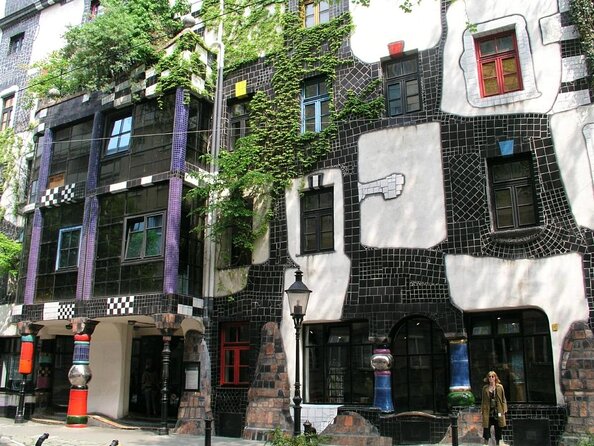
- See Hundertwasser’s largest collection: Paintings, prints, tapestries, photographs, and architectural designs fill several exhibition levels.
- Follow an environmental theme: Green roofs and trees integrated into building facades are central to the museum’s story.
- Plan for 1 to 2 hours: That gives you time for the permanent collection, temporary exhibition, and garage displays.
- Use the ticket desk first: Your prepaid voucher must be exchanged for the valid museum admission ticket.
- Add the €4 audioguide if useful: It can help explain Hundertwasser’s ideas and unusual working methods.
- Expect a personal artistic viewpoint: The museum presents an artist who rejected straight lines, conventional taste, and standard ideas about architecture.
Why this small Vienna museum deserves your time
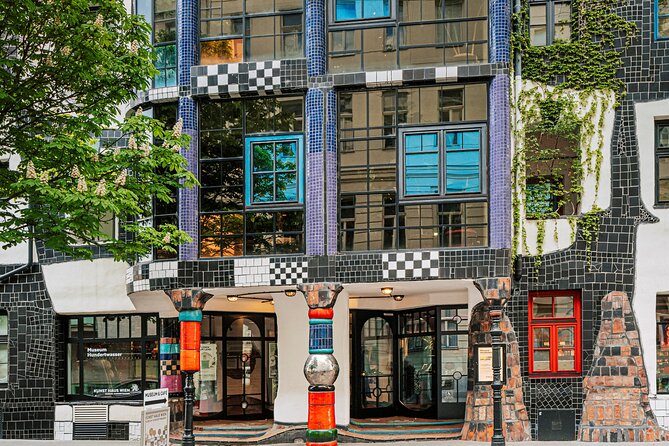
Kunst Haus Wien offers a close look at Friedensreich Hundertwasser, one of Austria’s most distinctive 20th-century artists. The museum was founded by Hundertwasser himself, and the building reflects his ideas rather than serving as a plain white box for art.
That matters because Hundertwasser did not separate painting from architecture or art from daily life. His work questions straight lines, rigid planning, and the idea that buildings should push nature aside. The museum lets you see these concerns in several forms at once, from vivid paintings to architectural drawings and environmental projects.
I would set aside about 1 to 2 hours. You can move quickly through the main collection, but you will get more from the visit if you pause over the plans and printed works. They help explain how the artist’s ideas moved from the canvas into real buildings.
The museum is not huge, so you will not need half a day. That makes it easy to fit into a Vienna schedule alongside the nearby Hundertwasserhaus or other sights in the city. At the same time, the number of works and the unusual presentation can make the visit feel fuller than the size suggests.
More museums and galleries in Vienna:
- Vienna: Skip-the-Line Sisi Museum, Hofburg and Gardens Tour
★ 4.8 · 5,918 reviews - Vienna Kunsthistorisches Museum Day Admission Ticket
★ 4.6 · 3,690 reviews - Tickets for the Albertina Exhibitions
★ 4.7 · 2,126 reviews
The permanent collection, from paintings to building plans
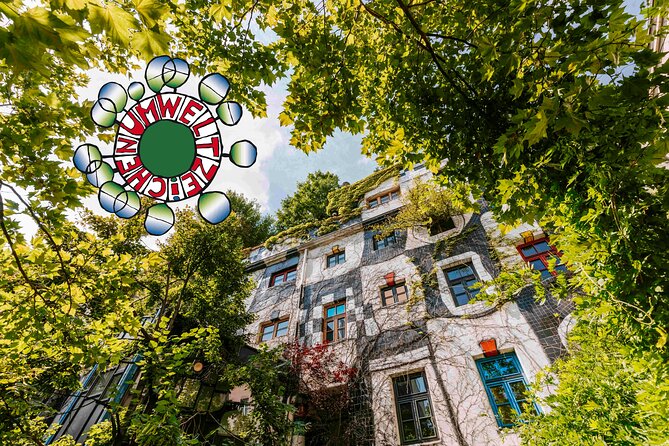
The heart of the visit is the Hundertwasser collection. It includes the world’s largest group of his paintings, prints, tapestries, and architectural designs. You will see how he used color, irregular shapes, repeated motifs, and flowing forms to build his visual language.
The paintings reward patience. At first glance, they can look playful or decorative. Spend longer with them and you may notice that they also carry firm ideas about human freedom, nature, and the problems of uniform urban design. Hundertwasser wanted art to challenge the rules that people accepted without thinking.
His printed graphics and tapestries show that his work was not limited to painting. The collection gives you a broader view of his output and makes it easier to understand why he became such a well-known figure in Austrian art. If you arrive expecting only the famous colorful buildings, the museum will correct that narrow picture.
The architectural plans are particularly useful. They show the thinking behind his built work and reveal that the playful exterior was supported by detailed ideas about how people should live. You may find these plans more revealing than photographs of completed buildings because they show his hopes before practical limits entered the picture.
Hundertwasser’s green ideas before they became fashionable
Environmentalism is not a small side note here. It is one of the main threads running through the museum. Hundertwasser experimented with green roofs and with planting trees into building facades, treating nature as part of architecture rather than decoration added afterward.
The museum is described as Vienna’s first green museum, and its displays connect Hundertwasser’s art with his ecological commitments. This gives the visit a useful point of comparison with modern sustainable design. Ideas that now appear in discussions about planted roofs, urban trees, and greener buildings were already part of his work.
I like this section because it gives the art a practical purpose. You are not simply looking at unusual colors and shapes. You are seeing an argument about cities, building standards, and the right of nature to exist within urban spaces.
The ecological displays in the changing garage exhibitions add another reason to check every included area. Their focus is ecology, sustainability, and urbanity. The exhibitions change, so the exact material will vary, but the subject fits naturally with the museum’s main concerns.
What to expect from the museum layout
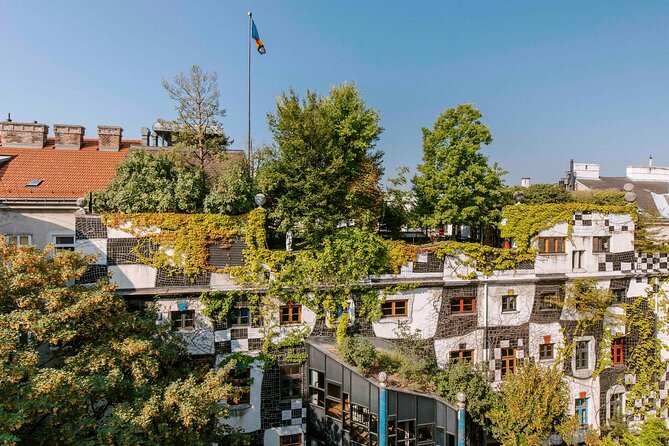
The permanent museum occupies several exhibition levels. One useful detail is that the museum has a compact feel, with only a couple of main rooms spread across two floors according to visitor experience. Those rooms can hold a surprising number of works, so avoid judging the museum’s value by its footprint.
The exhibition route may not suit everyone. Some visitors have found no lift in sight, which is worth considering if stairs are difficult for you. The supplied information confirms that most people can participate and that service animals are allowed, but it does not provide a detailed accessibility plan. If you need step-free access, contact the museum before visiting.
You will likely spend more time than expected in front of the paintings. The visual style is immediate, but the ideas behind it can take a while to sort out. I would avoid rushing through the museum simply to say you have seen it.
There is also a café outside the museum. It can be a pleasant place for a cold drink or dessert after the galleries, particularly if the color and pattern of the displays leave you needing a quiet pause. Café offerings can change, so I would treat it as a useful break rather than a central part of the experience.
A few more Vienna outings worth weighing up
- Vienna: Classic Ensemble Vienna in St. Peter’s Church Ticket
★ 4.7 · 4,819 reviews - Vienna: Tickets for Mozarthaus Vienna with Audio Guide
★ 4.2 · 2,344 reviews - Vienna: Skip-the-Line Entrance Ticket to the Danube Tower
★ 4.5 · 2,303 reviews - Sigmund Freud Museum Ticket
★ 4.6 · 1,668 reviews
Temporary exhibitions and the garage displays
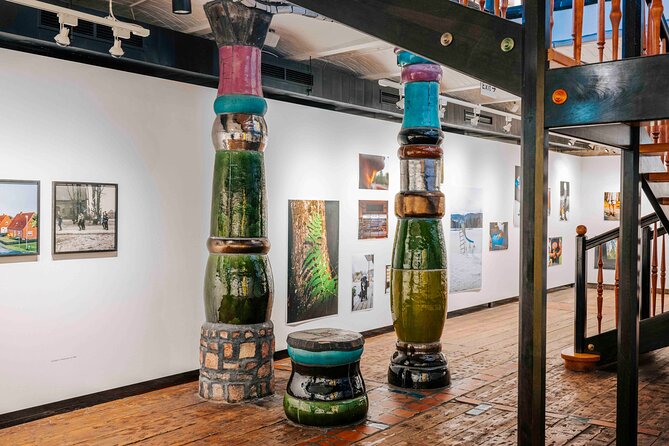
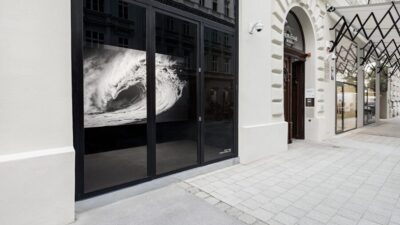
Your admission covers the changing temporary art exhibition as well as the permanent Hundertwasser collection. Kunst Haus Wien also presents photography exhibitions, including work by established photographers and younger contemporary artists.
This is a welcome addition because it gives the museum a second artistic voice. The temporary photography show may have little direct connection to Hundertwasser, but it broadens the visit beyond one artist’s style and ideas. If you enjoy photography, allow extra time rather than treating it as a quick add-on.
The garage exhibitions are included too. Their focus on ecology, sustainability, and urbanity extends the museum’s environmental concerns into current topics. The displays may be modest in size, but they offer a chance to connect Hundertwasser’s earlier ideas with present-day questions about cities and nature.
The exhibition program changes, so I cannot promise a particular photographer or theme on your date. The safest way to plan is to think of the temporary areas as a useful bonus, not the main reason to buy the ticket.
How much time should you allow?
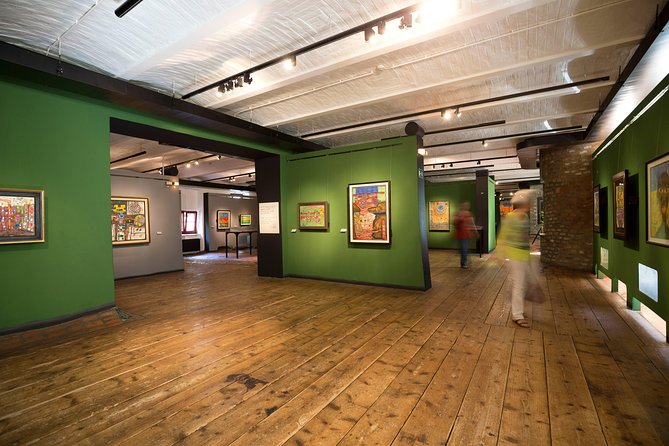
For a basic visit, one hour may be enough. You can see the main Hundertwasser displays, glance at the temporary exhibition, and move through the garage area without lingering.
I would allow closer to two hours if you want to read the displays, study the architectural plans, watch the film mentioned by visitors, and give the photography exhibition a fair chance. Families may also need more time, since the unusual colors and forms can hold children’s attention even if the artistic theories do not.
There is no guided tour or named guide included with this ticket. You explore independently and stay as long as you like within the museum’s opening arrangements. The optional audioguide costs €4 and may be worthwhile if you want more explanation while moving through the collection.
The freedom to choose your pace is one of the ticket’s strengths. You are not pushed along with a group, and you can spend longer on the works that appeal to you. The trade-off is that you need to provide your own structure unless you pay for the audioguide.
Is the low price good value?
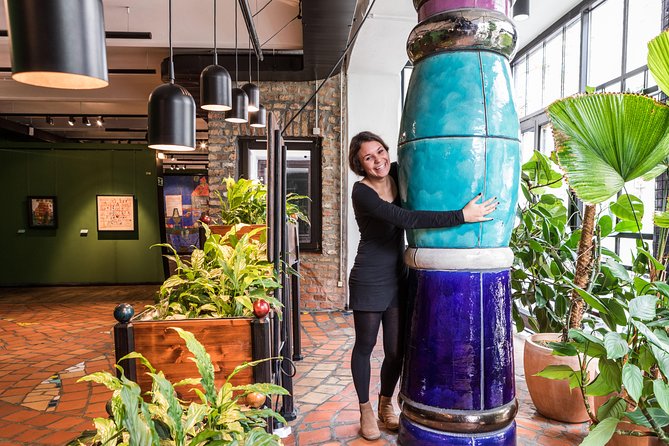
At $4.83 per person, the admission is unusually inexpensive for a Vienna museum visit. The value is especially strong because the ticket includes the permanent Hundertwasser displays, the temporary exhibition, and changing garage exhibitions.
The price works best if you already plan to visit the area and can give the museum at least an hour. It is not a good purchase for someone who dislikes modern art or wants a large, traditional museum with many historical periods. This is a focused experience built around one artist and the subjects connected to his work.
The optional €4 audioguide changes the calculation only slightly. If you want help understanding Hundertwasser’s principles, it may be a sensible extra. If you prefer looking first and forming your own opinion, you can visit without it.
One practical warning affects the value more than the ticket price. The voucher is not the final admission ticket. You must exchange it at the museum cash desk, so do not walk straight past the counter expecting a barcode to take you through. A visitor had trouble bringing up the voucher, though the staff member provided admission anyway. I would keep your booking confirmation easy to access and allow a few extra minutes for the exchange.
Who will enjoy Kunst Haus Wien most?
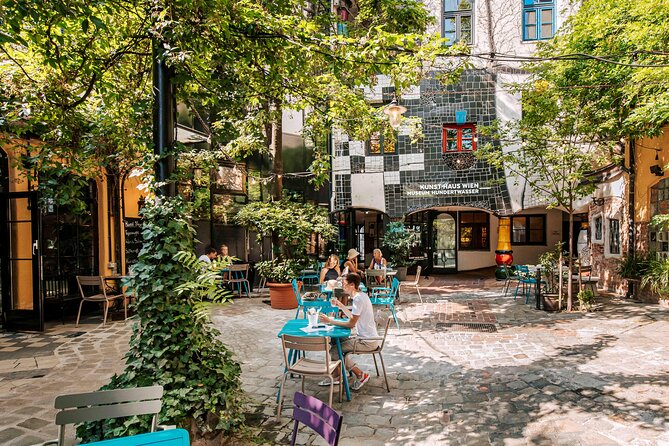
I would recommend this museum to you if you like art that carries a strong point of view. Hundertwasser was not trying to make safe, neutral work, and the displays reflect his confidence in his own principles.
It is also a good choice for anyone interested in architecture, urban planning, ecology, or the way artists influence public spaces. The architectural plans and environmental material make the visit more useful than a quick stop for colorful photographs.
Families may do well here, especially because the art is visually striking and the visit is not too long. Children will not need to understand every theory to respond to the bright colors, unusual shapes, and building ideas. Adults who want a strictly traditional museum may be less comfortable with the artist’s forceful views.
I would not make this your only art museum in Vienna unless Hundertwasser is your main interest. It works best as a focused stop, perhaps paired with the Hundertwasserhaus, rather than as a replacement for the city’s larger art institutions.
Practical details for a smoother visit
The museum is near public transportation, so you do not need to build a complicated route around it. Your ticket is for a self-guided visit, and most people can take part. Children must be accompanied by an adult.
The experience usually sells around 18 days before the visit, which suggests that booking ahead is sensible if your Vienna dates are fixed. You receive confirmation at booking, but remember that the voucher still needs to be exchanged at the cash desk.
Free cancellation is available up to 24 hours before the experience start time. Cancellations made less than 24 hours ahead are not refunded, and changes within that period are not accepted. The cut-off follows local Vienna time.
For the best visit, I would do three things:
- Allow at least 90 minutes if you want the permanent and temporary exhibitions.
- Exchange the voucher before heading into the galleries.
- Decide in advance if you want the €4 audioguide, since it may help make sense of the artist’s philosophy.
Should you book this Kunst Haus Wien ticket?
Book it if you want a compact, inexpensive museum focused on one of Austria’s most unusual artists. The strongest reasons are the large Hundertwasser collection, the architectural plans, and the direct treatment of his environmental ideas.
Skip it if you want a conventional museum with broad historical coverage, or if strong personal artistic statements tend to irritate you. Also check the stair situation before booking if step-free access is important.
For most art-curious visitors, the $4.83 price makes this an easy addition to a Vienna day. Go with an open mind, allow more than a quick photo stop, and remember that the museum is about much more than colorful buildings.
FAQ
Where is the Hundertwasser Museum located?
It is located at Kunst Haus Wien in Vienna, Austria, not far from the Hundertwasserhaus.
How long does a visit take?
The expected visit lasts about 1 to 2 hours, depending on how much time you spend with the permanent collection, temporary exhibition, and garage displays.
What does the admission ticket include?
Admission includes the Hundertwasser Museum, the changing temporary art exhibition, all exhibitions at Kunst Haus Wien, and changing garage exhibitions focused on ecology, sustainability, and urbanity.
Is an audioguide included?
No. An audioguide is available for an additional €4.
Do I enter the museum using the prepaid voucher?
You must exchange the prepaid voucher at the museum’s cash desk for the valid entrance ticket.
Can I visit the museum without a guide?
Yes. The ticket provides independent admission, and you may spend as long as you like exploring the museum.
Is the museum near public transportation?
Yes. The museum is near public transportation.
Are children allowed?
Yes, but children must be accompanied by an adult.
Are service animals allowed?
Yes, service animals are allowed.
Can I cancel the booking for a full refund?
Yes, if you cancel at least 24 hours before the experience start time. Cancellations made less than 24 hours before the start time are not refunded.
Just reviewed in Vienna
- World War II History Vienna Old Town Private Walking Tour★ 4.8 · 9 reviews
- Vienna: Wine Tasting E-Bike Tour★ 4.9 · 46 reviews
- Vienna: Winery and Wine Tasting Tour with a Wine Expert★ 5.0 · 5 reviews
- Vienna: Concert by the Vienna Baroque Orchestra★ 4.6 · 56 reviews
- Vienna: Unforgettable Private City Tour★ 5.0 · 7 reviews
- Vienna Urban Art Tour: Explore a different side of Vienna!★ 3.8 · 14 reviews
- Vienna: Sunday Brunch Danube Cruise & Live Music★ 4.2 · 42 reviews
- Vienna Supreme Orchestra at Palais Niederösterreich★ 4.8 · 10 reviews
Museums, compared.

Skip-the-Line Sisi Museum, Hofburg and Gardens Tour
Read our review →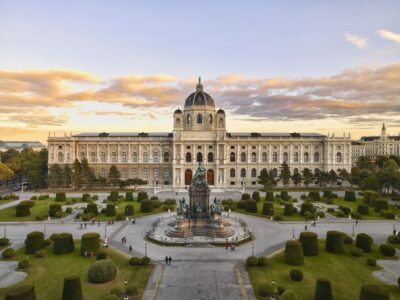
Vienna Kunsthistorisches Museum Day Admission Ticket
Read our review →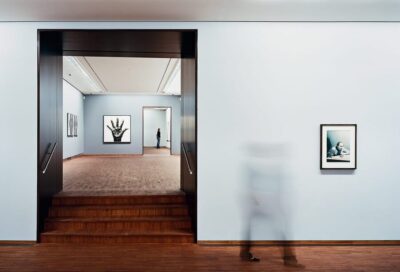
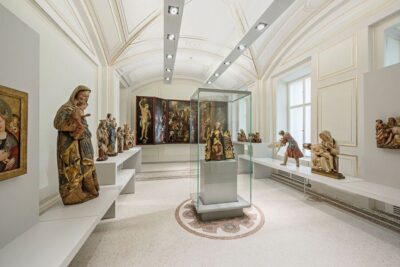
St. Stephen’s Cathedral & Dom Museum Wien Tickets
Read our review →
Skip-the-Line Hofburg and Empress Sisi Museum Tour
Read our review →
Combo Ticket: Kunsthistorisches Museum & Imperial Treasury
Read our review →Browse the lists this tour appears in