
Reviewed · MUSEUMS
MAK – Museum of Applied Arts, Vienna, Ticket
The MAK Museum of Applied Arts gives you a different view of Vienna. Instead of focusing only on paintings, it brings together furniture, objects, textiles, architecture, fashion, and modern design inside one grand Ringstraße building. You can see work from the Middle Ages through today, including permanent Klimt pieces and displays tied to Vienna around 1900.
I like the way the museum connects old craftsmanship with new ideas, and I like that one ticket covers both the permanent collection and temporary exhibitions. The building itself is a major part of the visit, with spacious rooms shaped by contemporary artists. The main drawback is that the collection can feel uneven: some rooms may fascinate you, while others may seem less rewarding than Vienna’s more traditional museums.
Key points to know before you go
- Five centuries under one roof: See applied art, furniture, fashion, architecture, and design from the Middle Ages to the present.
- Klimt is a strong reason to visit: Permanent works connected with Gustav Klimt are among the museum’s most rewarding highlights.
- A fine choice for design lovers: The MAK puts objects and interiors on equal footing with conventional fine art.
- Your ticket covers more than one show: Admission includes the permanent collections and all temporary exhibitions open during your visit.
- Allow one to two hours: You can make a focused visit in an hour, but the museum rewards a slower look.
- Practical extras are included: You get a free digital MAK Guide, cloakroom, Wi-Fi, and free admission for children and teenagers under 19.
Why the MAK feels different from Vienna’s major art museums
Vienna is packed with grand museums devoted to imperial collections, old masters, and famous painters. The MAK takes another route. It asks you to look at the things people use and live with: chairs, cabinets, ceramics, textiles, patterns, rooms, clothing, and buildings.
That makes the museum especially useful if you enjoy design or architecture, but it also gives art lovers a fresh change of pace. A beautifully made object can tell you as much about a period as a painting can. You see what people valued, how they decorated their homes, and how new ideas changed everyday life.
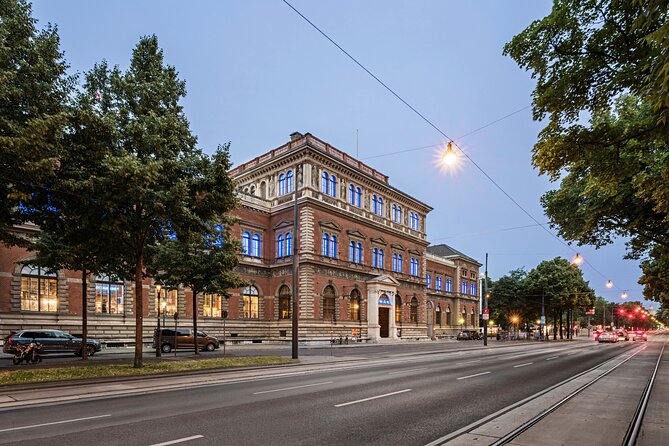
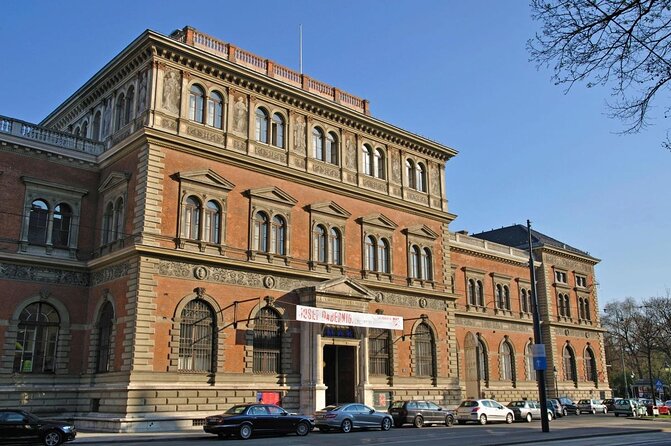
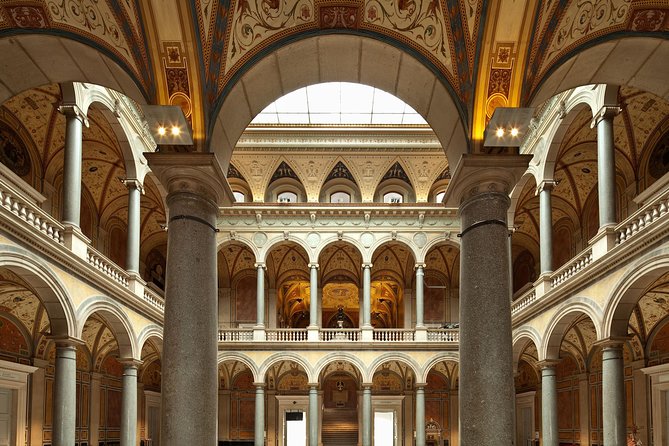
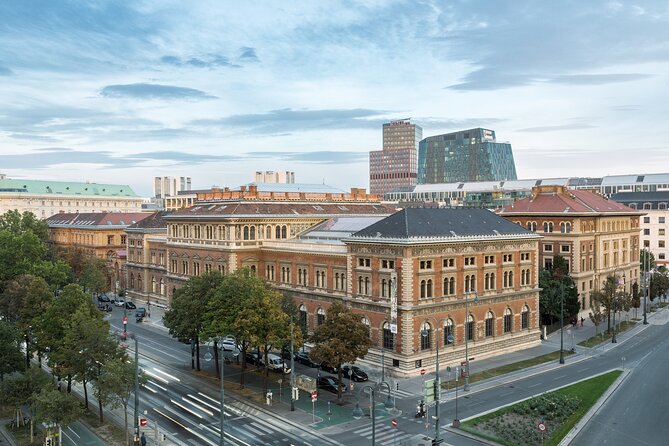
The museum occupies a magnificent building on Vienna’s Ringstraße. The setting gives the visit a formal start, but the exhibition rooms are not presented as a frozen old palace. Contemporary artists helped shape the rooms, so the displays connect the museum’s past with its modern purpose.
I like that tension. You are not simply walking through five centuries in date order. You are moving between historical objects and modern ways of presenting them. That approach can be stimulating, though it may also feel less straightforward if you prefer clearly arranged galleries.
More museums and galleries in Vienna:
- Vienna: Skip-the-Line Sisi Museum, Hofburg and Gardens Tour
★ 4.8 · 5,918 reviews - Vienna Kunsthistorisches Museum Day Admission Ticket
★ 4.6 · 3,690 reviews - Tickets for the Albertina Exhibitions
★ 4.7 · 2,126 reviews
Entering the Ringstraße museum
The MAK is open Tuesday through Sunday from 10 a.m. to 6 p.m. The stated operating period covers 2025 and 2026, so check the date on your booking before setting out. Since Monday is not included in the opening schedule, do not plan your visit then.
The ticket is priced at about $21.72 per person. That is reasonable if you intend to see both the permanent collection and a temporary exhibition. It is less compelling if you only want a quick look at one room, especially because the museum is not always crowded.
That said, the ticket gives you a simple way to plan. You do not have to decide at the door which exhibitions are worth paying for. The same admission covers the permanent collections and temporary exhibitions, so you can adjust your route once inside.
The ticket is held at the MAK for collection on the day of your visit. The experience is offered in English, and the booking confirmation arrives at the time of purchase. The advertised skip-the-line benefit may matter on a busy day, though one April visit was quiet enough that waiting did not appear to be a problem.
What you will see inside the permanent collection
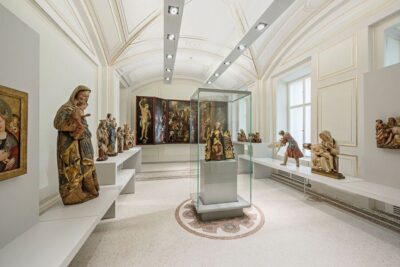
The permanent displays draw from five centuries. That broad span is both the museum’s strength and its challenge. You can encounter rare objects from the Middle Ages, then move toward the furniture, interiors, and visual experiments associated with Vienna around 1900.
Do not expect every room to have the same impact. The museum’s appeal depends on how much you enjoy making connections between periods and materials. If you want a single famous painting after another, this is not the best match. If you like noticing how form, decoration, and function change over time, the collection has much more to offer.
Furniture from around 1900 to the 1930s is a particularly useful focus. These pieces show how modern design began to move away from older decorative habits. You can look at the shapes and construction, then compare them with the more ornate objects from earlier centuries.
The displays also include fashion, architecture, and design. These subjects make the MAK feel broader than a conventional art museum. A building or a chair is not treated as a minor side note. It becomes evidence of how people imagined modern life.
Vienna 1900 and the Klimt connection
The museum’s Vienna 1900 material gives you a way to understand one of the city’s great cultural shifts. Around the turn of the 20th century, artists and designers were questioning established styles and searching for new forms. The MAK helps place that change within a wider world of furniture, interiors, decorative patterns, and architecture.
This is where the visit can become more than a collection of attractive objects. You begin to see that the cultural revolution of Vienna 1900 was not limited to gallery paintings. It affected the rooms people entered, the objects they used, the clothes they wore, and the buildings they designed.
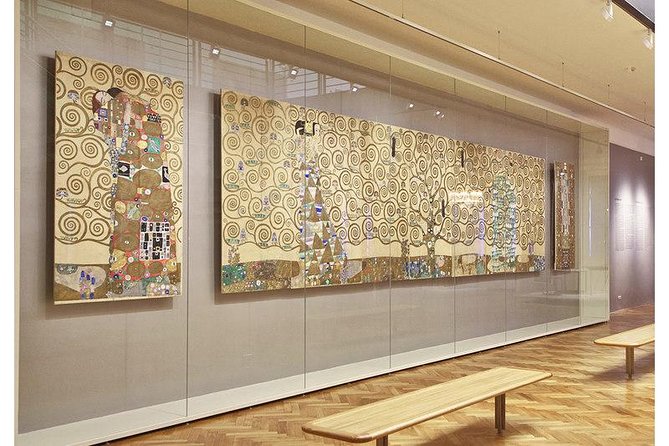
The permanent Klimt works are an important reason to include the MAK in your plans. They are a highlight for many art lovers, and they can make the visit worthwhile even if contemporary design is not your usual interest.
I would not choose the MAK solely as a substitute for Vienna’s major Klimt museums. The point here is context. You see Klimt-related work within a museum devoted to applied art, where decoration, pattern, and design matter as much as the framed image.
A few more Vienna outings worth weighing up
- Vienna: Classic Ensemble Vienna in St. Peter’s Church Ticket
★ 4.7 · 4,819 reviews - Vienna: Tickets for Mozarthaus Vienna with Audio Guide
★ 4.2 · 2,344 reviews - Vienna: Skip-the-Line Entrance Ticket to the Danube Tower
★ 4.5 · 2,303 reviews - Sigmund Freud Museum Ticket
★ 4.6 · 1,668 reviews
How long to spend at the MAK
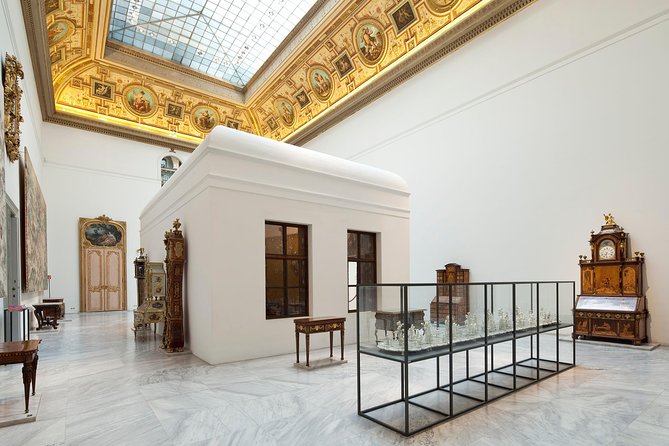
The suggested visit takes one to two hours. I think that is a sensible range for most people.
Give yourself about an hour if you want the main displays, the building, and the best-known highlights without stopping at every object. Plan closer to two hours if you enjoy furniture, textiles, architecture, or the Vienna 1900 material.
The museum’s spacious rooms can make a short visit feel easy, but do not rush through them. Some objects reward a close look at their materials and details. The free digital MAK Guide can help you get more from the collection, especially if you want background without joining a guided tour.
There is no named personal guide attached to this experience. You explore independently, using the museum’s displays and digital guide. That suits people who like setting their own pace, but it will not satisfy you if you want a live expert explaining every room.
The building is part of the experience
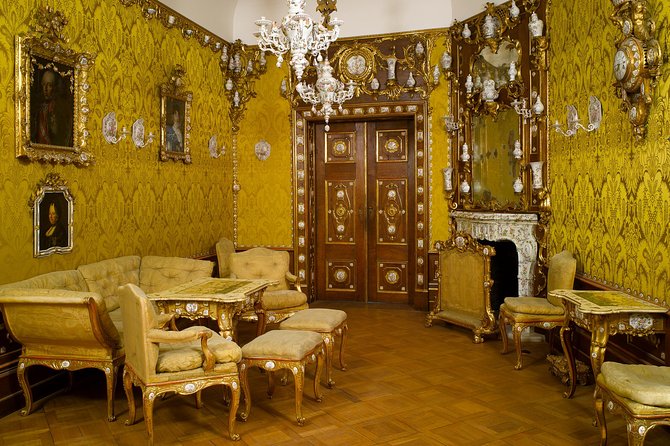
The MAK’s architecture deserves time before you focus on the displays. Its Ringstraße location gives it the grand presence you expect from a major Viennese institution, while the exhibition rooms bring a more modern voice.
Several aspects of the visit come together here. Historical objects sit in rooms designed with contemporary ideas, and the contrast makes you pay attention to both. The building is not just a container for the collection. It helps establish the museum’s argument that the past and the future belong in the same conversation.
This also explains why some people enjoy the MAK even when they do not connect with every exhibition. A less memorable display can still be followed by a room, object, or architectural detail that makes the stop worthwhile.
The museum is not crowded every day. That can be good news if you want time with the displays, but it also means the skip-the-line feature may not always save much time. I would treat it as a convenience and a guarantee of easy entry, not as the main reason to buy.
Comparing the MAK with other Vienna museums
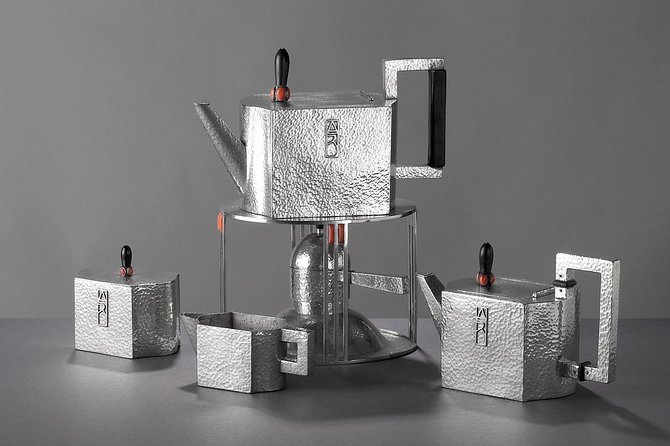
The MAK works best as a complement to Vienna’s better-known art museums. It gives you a chance to step away from a steady diet of portraits, religious paintings, and imperial collections.
It may be less satisfying if your main interest is a tightly focused collection. The museum covers a great deal of ground, and the quality of individual displays can vary according to your taste. One section may feel fascinating and informative, while another may leave you cold.
That is not necessarily a flaw. Applied art asks you to look differently. You may care more about a cabinet’s structure than its label, or spend longer with a textile pattern than with a celebrated name. Go in with that expectation and the museum becomes easier to appreciate.
The MAK is also a good alternative if you have already visited several traditional museums. Its variety can refresh your day. On the other hand, if you have limited time in Vienna and want only the city’s most famous art, place the MAK after your top priorities rather than before them.
Price, access, and practical details
At $21.72 per person, the ticket offers decent value for a one to two hour visit, particularly when a temporary exhibition interests you. The inclusion of all temporary shows removes a common extra cost and lets you spend more time with the subjects that appeal to you.
Children and teenagers under 19 enter free. That makes the museum more practical for families, especially if young visitors enjoy design, objects, fashion, or architecture more than long galleries of paintings.
A free cloakroom is included, which is useful when you are carrying coats or bags through Vienna. Free Wi-Fi and the digital MAK Guide add small but helpful conveniences. Food and drinks are not included, and hotel pickup or drop-off is not part of the experience.
The museum is near public transportation, so you can reach it without arranging a private transfer. Service animals are allowed, and most people can take part. The booking information lists a maximum of 15 participants, though this is an independent museum visit rather than a traditional group tour.
You can cancel for a full refund if you do so at least 24 hours before the experience begins. Changes or cancellations made less than 24 hours ahead are not accepted for a refund, and the cut-off follows local Vienna time.
Who will enjoy the MAK most
I would recommend the MAK to:
- Art lovers who want a break from standard painting collections
- People interested in furniture, textiles, fashion, architecture, or interiors
- Visitors curious about Vienna 1900 and the shift toward modern design
- Families who value free admission for anyone under 19
- Independent museumgoers who prefer a digital guide to a scheduled tour
- Anyone with one to two flexible hours near the Ringstraße
I would be more cautious if you want a museum built around a single famous artist or a small set of universally recognizable masterpieces. The MAK rewards curiosity, not just a checklist of famous names.
You should also allow for personal taste. One visitor may spend a long time studying design from the early 20th century, while another may prefer the historical objects or Klimt works. The museum has variety, but not every room will speak to you equally.
Should you book the MAK ticket?
Book it if you want to see Vienna through design as well as painting. The combination of historical objects, Vienna 1900 material, Klimt works, modern exhibition design, and temporary shows gives you plenty to work with for the price.
The strongest reasons are the building, the range of design, and the chance to connect old craftsmanship with the cultural changes of modern Vienna. The main caution is that the experience is not equally gripping from start to finish, and on a quiet day the skip-the-line benefit may add little.
For a focused visit, arrive with a plan: see the Klimt-related works, choose the Vienna 1900 material, and then spend time with the rooms or objects that catch your eye. That approach gives you the best chance of making the MAK feel purposeful rather than simply broad.
FAQ
How much does the MAK ticket cost?
The listed price is $21.72 per person.
What does the ticket include?
The ticket includes the permanent collections and all temporary exhibitions. It also includes a free digital MAK Guide, cloakroom, and Wi-Fi.
When is the MAK open?
The museum is open Tuesday through Sunday from 10 a.m. to 6 p.m. The provided schedule covers January 1, 2025 through December 31, 2026.
How long should I allow for the visit?
Plan on about one to two hours. You can see the main highlights in less time, but design lovers may want closer to two hours.
Do children enter free?
Yes. Children and teenagers under 19 receive free admission.
Can I cancel for a refund?
Yes. You can cancel at least 24 hours before the experience start time for a full refund. Cancellations or changes made less than 24 hours ahead are not accepted for a refund.
Just reviewed in Vienna
- World War II History Vienna Old Town Private Walking Tour★ 4.8 · 9 reviews
- Vienna: Wine Tasting E-Bike Tour★ 4.9 · 46 reviews
- Vienna: Winery and Wine Tasting Tour with a Wine Expert★ 5.0 · 5 reviews
- Vienna: Unforgettable Private City Tour★ 5.0 · 7 reviews
- Vienna Urban Art Tour: Explore a different side of Vienna!★ 3.8 · 14 reviews
- Vienna: Concert by the Vienna Baroque Orchestra★ 4.6 · 56 reviews
- Vienna: Sunday Brunch Danube Cruise & Live Music★ 4.2 · 42 reviews
- Vienna Supreme Orchestra at Palais Niederösterreich★ 4.8 · 10 reviews
Museums, compared.

Skip-the-Line Sisi Museum, Hofburg and Gardens Tour
Read our review →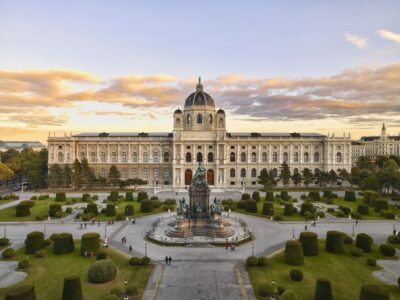
Vienna Kunsthistorisches Museum Day Admission Ticket
Read our review →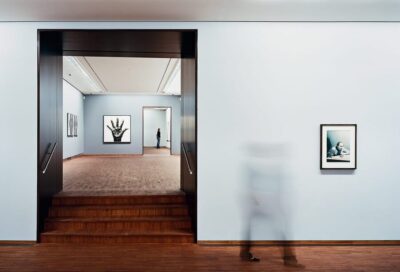
St. Stephen’s Cathedral & Dom Museum Wien Tickets
Read our review →
Skip-the-Line Hofburg and Empress Sisi Museum Tour
Read our review →
Combo Ticket: Kunsthistorisches Museum & Imperial Treasury
Read our review →Browse the lists this tour appears in