Reviewed · TICKETS
Esterhazy Palace Entrance Ticket
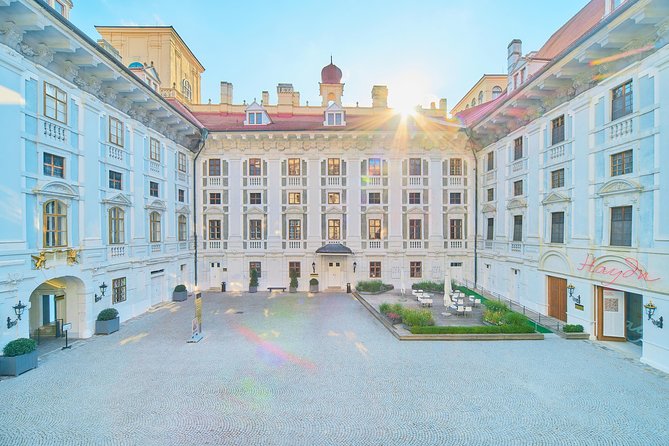
The most memorable part of Esterházy Palace is the way music, court life, and wine history meet under one roof. You move from glittering Empire rooms to hand-painted Chinese wallpaper, then into displays about Joseph Haydn, who served the Esterházy princes for more than 40 years.
I like the self-guided audio format, which lets you set your own pace instead of following a group. I also like the mix of rooms and exhibits: the palace is not just pretty furniture and chandeliers, but a place where you can connect Haydn’s work to the people and household that supported it.
The main consideration is timing. The visit is listed at one to two hours, but the opening schedule is limited to Saturdays and Sundays from 10 a.m. to 4 p.m. during the listed seasonal periods. Ongoing events can also restrict access to the Haydnsaal.
Key points to know before you go
- The Empire-style Empiresaal is a former banquet hall with gilded decoration and elegant chandeliers.
- The small and large Chinese salons contain hand-painted Chinese wallpaper.
- Haydn’s story is told through multimedia stations, installations, personal objects, documents, and instruments.
- The Haydnsaal is the palace room linked most closely to the composer’s performances and work.
- The wine museum occupies more than 300-year-old cellars and contains over 700 objects tied to winemaking.
- Mobile admission and an audio guide make this a flexible visit for independent sightseers and families.
Entering Esterházy Palace and choosing your pace
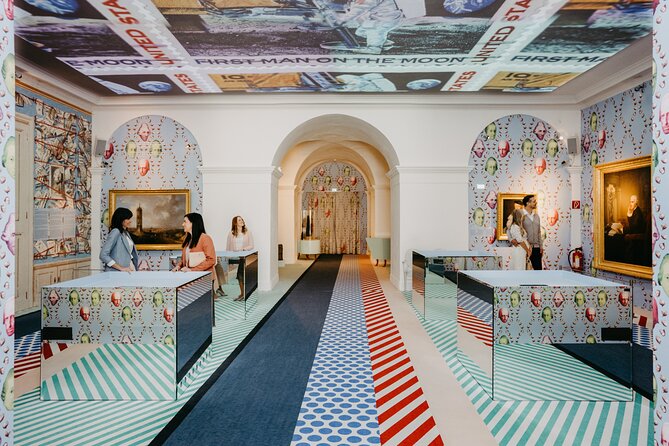
You make your own way to Esterházy Palace and present your mobile voucher for admission. There is no transportation included, so you need to arrange your route to the palace separately. The attraction is near public transportation, which makes the independent setup fairly practical.
The audio guide is central to the visit. Instead of simply walking through decorated rooms, you receive recorded commentary about the palace interiors, its objects, and the people connected with them. That matters here because many of the rooms look impressive at first glance, but their purpose and background give them meaning.
Plan for about one to two hours. You can move steadily if you mainly want the highlights, or take longer at the Haydn displays and wine museum. Families should find the format manageable because you are not tied to a fixed group pace, though children must be accompanied by an adult.
The listed seasonal hours are Saturday and Sunday from 10 a.m. to 4 p.m., from February 21 through March 31 in the stated years. Check the date carefully when booking, since the schedule provided is not a daily opening schedule. A limited time window also means you should avoid arriving at the last possible moment.
A few more Vienna outings worth weighing up
- Vienna: Classic Ensemble Vienna in St. Peter’s Church Ticket
★ 4.7 · 4,819 reviews - Vienna Kunsthistorisches Museum Day Admission Ticket
★ 4.6 · 3,690 reviews - Vienna: Tickets for Mozarthaus Vienna with Audio Guide
★ 4.2 · 2,344 reviews
The bel étage: grand rooms with a personal story
The palace tour begins in the grand rooms on the bel étage, or principal floor. These rooms present the courtly side of Esterházy life, with art-historical pieces and formal interiors that show how the palace functioned as a place of ceremony and display.
The Empiresaal is one of the visual highlights. This former banquet hall has a gilded 19th-century Empire-style interior and is lit by elegant chandeliers. It is easy to picture large meals and formal gatherings here, even if the audio commentary is what supplies the specific historical background.
The room is worth taking slowly. Look up at the decoration, then step back to take in the full effect of the space. This is not a bare historical shell. The design is meant to impress, and the scale helps explain how the Esterházy princes used architecture and decoration to signal status.
The first-floor visit also tells the story of Melinda Esterházy, described as a remarkable and strong personality. This adds a useful human angle. Rather than presenting the palace only through male patrons, composers, and dynastic titles, the tour gives one woman a central place in the story of the house.
That focus may appeal to you if you prefer personal stories to a long list of dates. The audio guide can help connect the formal rooms with the individuals who lived, worked, and made decisions there.
Chinese salons and the palace chapel
The small and large Chinese salons offer a sharp change from the Empire-style banquet room. Their walls are covered with hand-painted Chinese wallpaper, giving the rooms a more intimate and decorative character.
These salons are a good reminder that palace interiors were assembled from different fashions over time. You will not see one single design style repeated from room to room. Instead, the palace presents changing tastes, from formal European grandeur to decorative rooms shaped by interest in East Asian art and design.
The palace chapel adds another shift in mood. It contains the reliquary of Saint Constantine and brings together several architectural and decorative styles. The chapel is not described as a single, uniform design, so pay attention to how the different elements work together rather than expecting a simple room with one clear period.
I find this variety useful because it keeps the visit from becoming a parade of similar state rooms. The rooms have different purposes and visual languages. If you use the audio guide rather than rushing through, you can better understand why the palace feels layered instead of perfectly uniform.
Joseph Haydn’s forty years with the Esterházy princes
The second major part of the visit moves from palace life to music. Joseph Haydn served the Esterházy princes for more than 40 years as director of music and composer. That long connection gives the palace a strong musical identity.
The Haydn section focuses on his early life and his growth into a musical genius. You will find interactive displays, multimedia stations, project installations, personal artifacts, documents, and instruments. These features give you more to do than simply read labels beside portraits.
This section is especially useful if you know Haydn mainly as a famous name. The exhibits help explain his development and his working relationship with the Esterházy court. The palace becomes more than a setting for grand rooms. It becomes a workplace tied to the creation and first hearing of music.
The displays should suit a range of ages. Adults who already know Haydn can look for the documents and personal objects, while children may respond more readily to the interactive stations and installations. The family-friendly format is a real advantage, although the experience remains primarily a museum visit rather than a live performance.
A different sort of day out in Vienna:
- Vienna: Vivaldi’s Four Seasons Concert in Karlskirche
★ 4.7 · 14,951 reviews - Vienna: Skip-the-cashier-desk-line Giant Ferris Wheel Ride
★ 4.5 · 7,859 reviews - Vienna: Schönbrunn Palace & Gardens Skip-the-Line Tour
★ 4.7 · 7,739 reviews - Vienna: Light of Creation Votive Church Immersive Light Show
★ 4.8 · 6,779 reviews
The Haydnsaal and the risk of restricted access
The Haydnsaal is the emotional center of the music portion. This elegant salon is where many of Haydn’s pieces were first heard, so it connects the composer’s name to an actual room rather than leaving him as an abstract figure in a display.
Take time here to imagine the room in use. The importance of the Haydnsaal is not only its appearance. It represents the link between composition, court employment, and performance. After seeing the documents and instruments, entering this salon gives the story a physical setting.
There is one important warning: ongoing events can occasionally restrict visits to the Haydnsaal. Since access is not guaranteed on every visit, keep your expectations flexible. The rest of the palace and Haydn exhibition still provide plenty to see, but anyone booking mainly for this room should confirm current conditions if possible.
The wine museum in the old cellars
The wine museum gives the palace visit a different subject and a different setting. It is housed in cellars more than 300 years old and contains over 700 objects connected with wine and viticulture.
The collection includes historic barrels and Burgenland’s oldest Baumpresse, or tree press. These are the sorts of objects that can make an agricultural and household story feel concrete. You are not just hearing that winemaking mattered under the Esterházy princes. You are seeing the tools and equipment linked to that work.
The cellar section may be the most surprising part of the visit because it moves away from court rooms and concert history. It shows the practical side of the estate and the role of wine production in the region. If you enjoy traditional tools, local foodways, or working history, allow enough time for this section instead of treating it as an optional extra.
At the same time, the wine museum may appeal less if your main goal is only the palace interiors or Haydn. That is not a flaw, but it helps you decide how to use your time. With a one to two-hour visit, you may need to choose whether to linger over the music displays, the rooms, or the cellar objects.
Is the $22.83 admission good value?
At about $22.83 per person, the ticket is reasonably priced if you want several different experiences in one admission. You receive entry to the palace, the audio commentary, the Haydn displays, access to the historic interiors, and the wine museum.
The value is strongest for visitors who would otherwise pay for separate cultural stops. The visit combines decorative arts, court history, music, religious objects, and winemaking. That range gives you more substance than a quick walk through a single set of rooms.
The price is less compelling if you want a guided live tour with personal questions and conversation. The information is delivered through recorded commentary, and the experience is self-guided. You gain freedom, but you give up the chance to ask a guide about a detail that catches your attention.
The ticket also makes more sense when you have enough time to see the full route. If you arrive near closing or spend only a short time inside, you may not get the full value of the admission. The audio guide helps, but it cannot replace time.
Who will enjoy this visit most?
I would recommend Esterházy Palace to several types of visitors:
- Music lovers who want to connect Haydn with the court where he worked.
- History-minded visitors who enjoy seeing how elite households operated.
- Families looking for a flexible museum visit with interactive displays.
- Architecture and interior fans drawn to gilded decoration, Chinese wallpaper, and changing styles.
- Wine-history enthusiasts interested in old tools, barrels, and cellar collections.
- Independent sightseers who prefer an audio guide to a fixed group schedule.
You should think twice if you need a fully guided tour, a guaranteed visit to every room, or a long daily opening schedule. The experience is also not designed around food or drink, since those are not included.
The mobile ticket is convenient, but it does not remove the need to plan your arrival. You still need to reach the palace yourself, and you should check the seasonal opening hours before setting out.
Practical tips for making the most of it
Start with the palace rooms, then give the Haydn section your full attention rather than treating it as a quick add-on. The progression from grand interiors to the composer’s working life makes more sense when you follow it in order.
Use the audio narration for context, especially in the Empiresaal, Chinese salons, and chapel. The decoration is easy to admire without explanation, but the stories behind each space make the visit more rewarding.
Leave time for the wine museum. The collection of more than 700 objects is a substantial part of the experience, not just a token display. If your interests are divided between music and wine history, you may want closer to two hours than one.
For families, set a relaxed pace and make use of the interactive displays. Children must be accompanied by an adult, and the self-guided setup lets you pause when needed.
Finally, keep the Haydnsaal restriction in mind. An event may limit access, so do not make the entire decision based on seeing that one room.
Should you book Esterházy Palace?
Book this experience if you want a flexible cultural visit that combines palace decoration, Joseph Haydn, and regional wine history for about $22.83. The beautiful rooms, hand-painted Chinese wallpaper, and Haydn exhibits give you several clear highlights, while the audio guide lets you explore without rushing behind a group.
I would skip it only if your schedule does not fit the limited weekend hours, or if you want a live guide rather than recorded commentary. For everyone else, it is a sensible choice for one to two hours, especially if you value authentic objects and a visit that reaches beyond the usual grand-room tour.
Free cancellation is available when you cancel at least 24 hours before the start time. Changes or cancellations made later are not accepted for a refund.
FAQ
How long does the Esterházy Palace visit take?
The visit takes approximately one to two hours, depending on how much time you spend in the palace rooms, Haydn exhibition, and wine museum.
What does the ticket include?
The ticket includes palace admission, the audio guide, and all fees and taxes.
Is transportation to Esterházy Palace included?
No. You make your own way to the palace, and transportation to and from the attraction is not included.
When is the palace open during the listed seasonal period?
The listed opening hours are Saturday and Sunday from 10 a.m. to 4 p.m., from February 21 through March 31 in the stated years.
Can children visit the palace?
Yes. The experience is family-friendly, but children must be accompanied by an adult.
Is the Haydnsaal always available to visit?
Not always. Ongoing events can occasionally restrict access to the Haydnsaal.
Just reviewed in Vienna
- World War II History Vienna Old Town Private Walking Tour★ 4.8 · 9 reviews
- Vienna: Wine Tasting E-Bike Tour★ 4.9 · 46 reviews
- Vienna: Winery and Wine Tasting Tour with a Wine Expert★ 5.0 · 5 reviews
- Vienna: Unforgettable Private City Tour★ 5.0 · 7 reviews
- Vienna Urban Art Tour: Explore a different side of Vienna!★ 3.8 · 14 reviews
- Vienna: Concert by the Vienna Baroque Orchestra★ 4.6 · 56 reviews
- Vienna: Sunday Brunch Danube Cruise & Live Music★ 4.2 · 42 reviews
- Vienna Supreme Orchestra at Palais Niederösterreich★ 4.8 · 10 reviews
Tickets, compared.
Classic Ensemble Vienna in St. Peter’s Church Ticket
Read our review →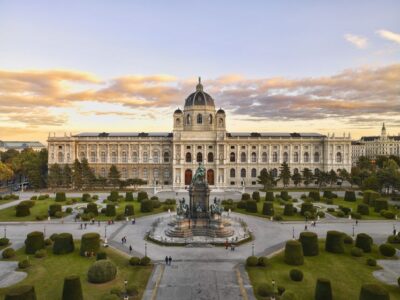
Vienna Kunsthistorisches Museum Day Admission Ticket
Read our review →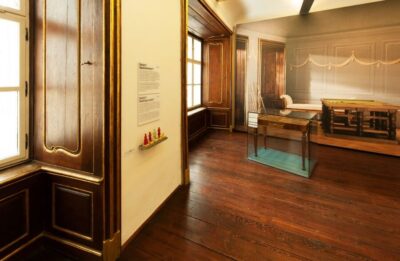
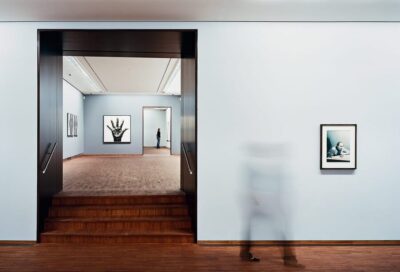
St. Stephen’s Cathedral & Dom Museum Wien Tickets
Read our review →