Reviewed · PRIVATE
Private Spooky Vienna Tour
Vienna’s grand center has a darker side. Behind the imperial palace, St. Stephen’s Cathedral, and quiet cobbled lanes are stories of plague, murder, devil’s bargains, catacombs, and citizens who gave the city a distinctly eerie reputation. This private walk turns familiar sights into a stage for old legends.
I like the small-group format, which lets your guide shape the storytelling around your interests instead of delivering a fixed speech to a large crowd. I also like the focus on lesser-known tales, especially the Blood Countess, the plague-era bagpiper Augustin, Blood Alley, and the circumstances surrounding Mozart’s death. The main drawback is the short 1.5-hour length. You get a lively introduction to Vienna’s macabre side, not a full treatment of every story or landmark.
Key points to know before you book
- A private walk for up to 25 people: The $341 price covers the group, so the value improves sharply when shared by several people.
- A tale-driven route through central Vienna: You connect famous sights with strange stories about plague, murder, death, and superstition.
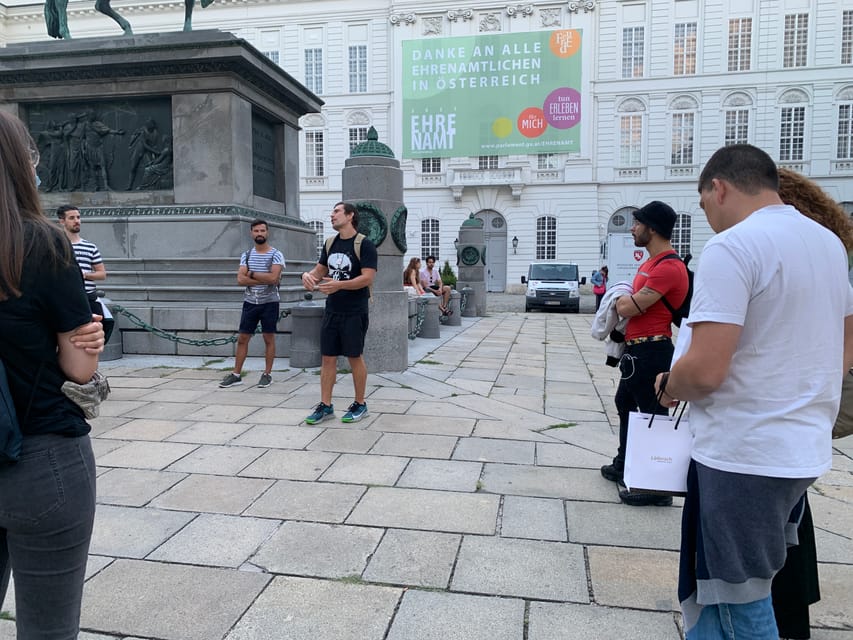
- A clear meeting point: Look for the guide in front of the Memorial Against War and Fascism at Helmut-Zilk-Platz, holding a red-and-white-striped umbrella.
- English or German guiding: Guides such as Marko and Lisa are associated with the experience, with Marko praised for lively storytelling and Lisa for clear historical context.
- A rain-or-shine activity: Bring suitable clothing and shoes, since the walk operates in all weather.
- A convenient finish near St. Stephen’s Cathedral: The route is centered in Vienna’s historic core, making it easy to continue sightseeing afterward.
Why Vienna’s famous center works so well after dark
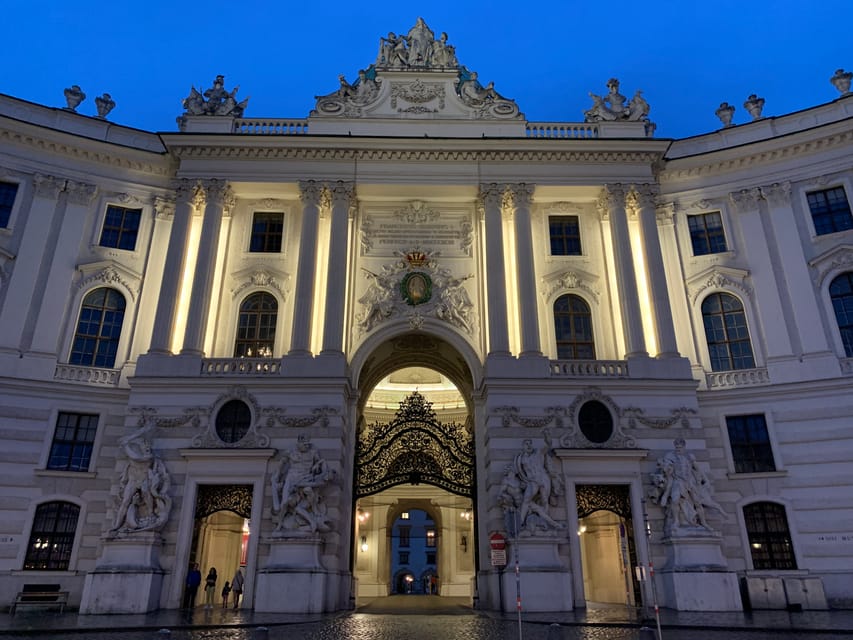
You do not need a remote castle or a forest path to find spooky material in Vienna. The setting is right in the city center, where imperial power, religious ritual, plague, and public punishment once shaped daily life.
The tour begins at Helmut-Zilk-Platz, a practical and meaningful place to meet. Your guide waits in front of the Memorial Against War and Fascism, holding a red-and-white-striped umbrella. That marker matters because the area is easy to identify, even if you do not know Vienna well.
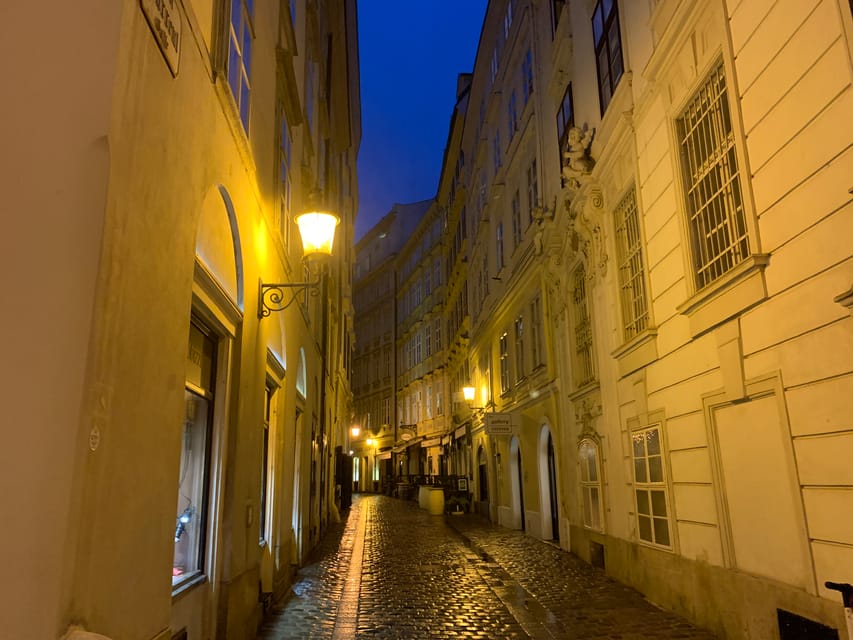
From there, you head into the historic center. The route connects well-known landmarks with the less polished stories that official city tours often skip. The imperial palace becomes more than a grand residence. St. Stephen’s Cathedral becomes more than a postcard stop. Narrow lanes become places tied to crime, fear, superstition, and public memory.
I like this approach because the stories give you a different way to read Vienna. You are not simply looking at architecture and dates. You are asking what people feared, what they believed, and how the city responded to disease and death.
The tone is described as slightly haunted rather than an outright horror show. That distinction matters. Expect macabre history and local legends, not theatrical scares, actors jumping from doorways, or special effects.
A few more Vienna outings worth weighing up
- Vienna: Private Walking Tour with a Local Guide
★ 4.6 · 1,420 reviews - Vienna: Private Walking Tour with a Guide
★ 4.7 · 962 reviews - Vienna: Wine Tasting Experience in a Private Wine Cellar
★ 4.8 · 413 reviews
From Helmut-Zilk-Platz into the historic center
The opening section gets you moving quickly. After meeting your guide, you begin a walking tour through central Vienna, with the focus on legends surrounding buildings and people.
The guide’s role is important here. This tour depends less on lengthy museum-style explanation and more on clear, well-paced storytelling. Marko has been praised for being an excellent storyteller, with an animated presentation that keeps the material lively. Lisa is described as fun and informative, with a talent for explaining lesser-known creepy history while still giving enough background to make the stories understandable.
That balance is useful. Strange tales can lose their force when you do not know the setting or period behind them. A good guide needs to explain the basic context, then get out of the way and let the story work. Lisa’s reported style, concise but informative, sounds particularly helpful if you want substance without a long lecture.
The tour is private, but the group can include up to 25 people. That is a generous maximum for a private booking, not the same thing as a one-on-one walk. If your party is small, you should have an easier time asking questions and staying close to the guide. If you use the full capacity, the group will naturally feel less personal.
The imperial palace and the city’s polished face
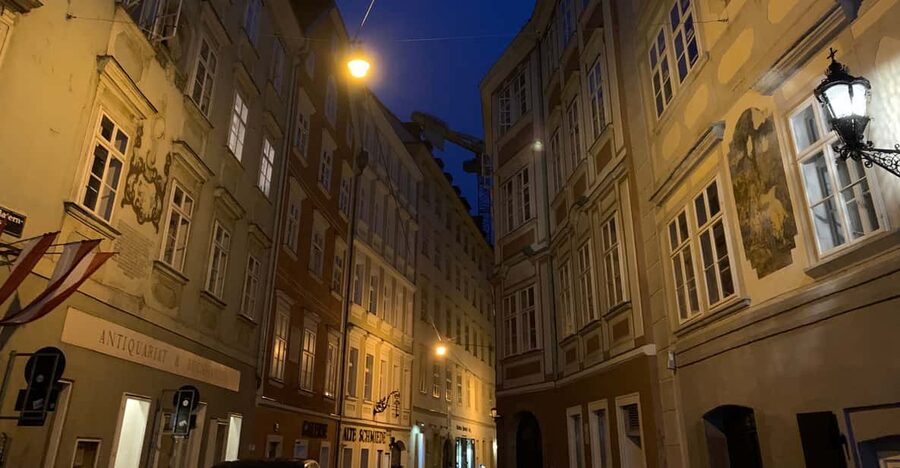
The imperial palace provides a strong contrast for this subject. Its formal courtyards and monumental buildings represent the controlled, public face of Vienna. The legends you hear along the way bring in the private fears and troubling episodes that grand architecture tends to hide.
The value here is not simply seeing another landmark. You already can visit the palace on a standard sightseeing route. This tour gives you a different lens for understanding the city center, linking power, ceremony, religion, and death.
One theme is why medieval apprentices were said to make deals with the devil. That story opens a window onto old beliefs about work, ambition, failure, and supernatural forces. You should treat such material as legend rather than a courtroom record, but legends still tell you a great deal about the society that repeated them.
The tour also explores why a famous poet said Death must be Viennese. That line captures the city’s long association with funerals, music, ceremony, illness, and dark humor. It is one of the tour’s strongest ideas because it gives the scattered stories a common thread.
Blood Alley and the city’s criminal legends
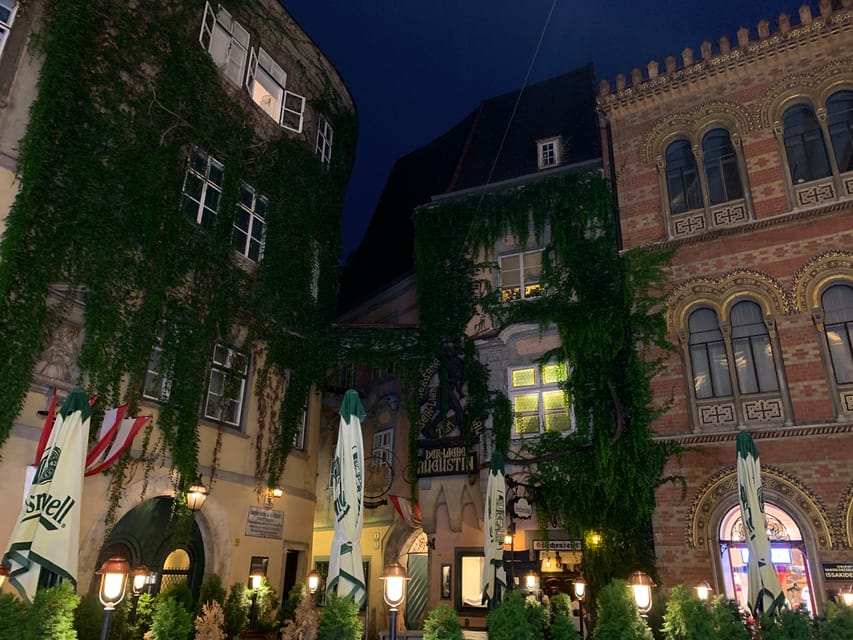
Blood Alley is one of the route’s more memorable story locations. The name alone invites a question, and the guide explains how it earned that reputation.
This is where the tour’s format works best. You are not hearing a list of unrelated ghost stories. You are walking through actual streets and hearing why a particular lane, building, or district became linked with violence or fear.
The Blood Countess also enters the story. She is one of the most famous murderous figures connected with medieval Central European legend, and her tale gives the tour a strong dose of crime and cruelty. You will hear about the figure as part of Vienna’s broader collection of unsettling citizens and stories.
The important point is to expect storytelling rather than a detailed criminal investigation. The provided information does not promise archival proof or a long historical debate about each legend. If you enjoy separating fact from folklore, ask your guide where the firm record ends and the popular tale begins.
That uncertainty can actually make the experience more interesting. Old legends survive because people found them useful, frightening, or entertaining. The guide’s job is to make that distinction clear enough that you can enjoy the story without mistaking every detail for established fact.
A different sort of day out in Vienna:
- Vienna: Vivaldi’s Four Seasons Concert in Karlskirche
★ 4.7 · 14,951 reviews - Vienna: Skip-the-cashier-desk-line Giant Ferris Wheel Ride
★ 4.5 · 7,859 reviews - Vienna: Schönbrunn Palace & Gardens Skip-the-Line Tour
★ 4.7 · 7,739 reviews - Vienna: Light of Creation Votive Church Immersive Light Show
★ 4.8 · 6,779 reviews
Catacombs, plague, and the bagpiper Augustin
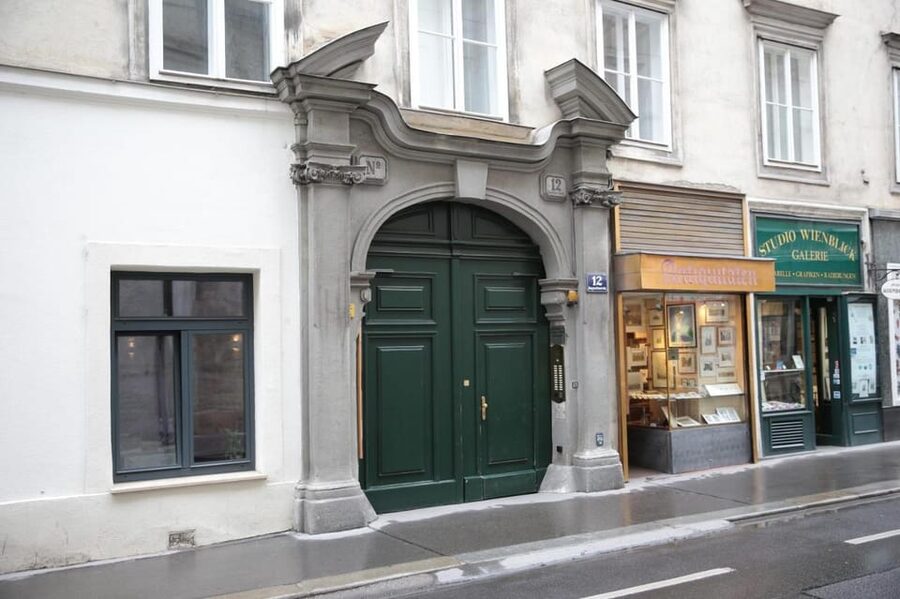
The catacombs bring the tour closer to Vienna’s relationship with death. Even without an extended underground visit, the subject adds weight to the walk. Catacombs are not just spooky props. They reflect how cities dealt with the dead, illness, religious practice, and limited space.
The tour also covers the bubonic plague and the figure of Augustin, the plague-era bagpiper. His story adds an unusual human element to a grim subject. Rather than treating the plague only as a statistic, the tale places an individual character inside a crisis that changed the city.
That is one of the details I would listen for carefully. The best macabre tours use humor, personality, and local character to keep the subject from becoming a string of grim facts. Augustin’s presence suggests that the tour includes some of Vienna’s dark wit as well as its darker episodes.
The route operates rain or shine, so this section also has a practical consequence. Wet cobblestones, umbrellas, and concentrated storytelling do not mix as easily as a dry afternoon and open space. Wear shoes you can walk in comfortably and bring weather protection. You will be outdoors for the full 1.5 hours.
Mozart’s death and Vienna’s musical darkness
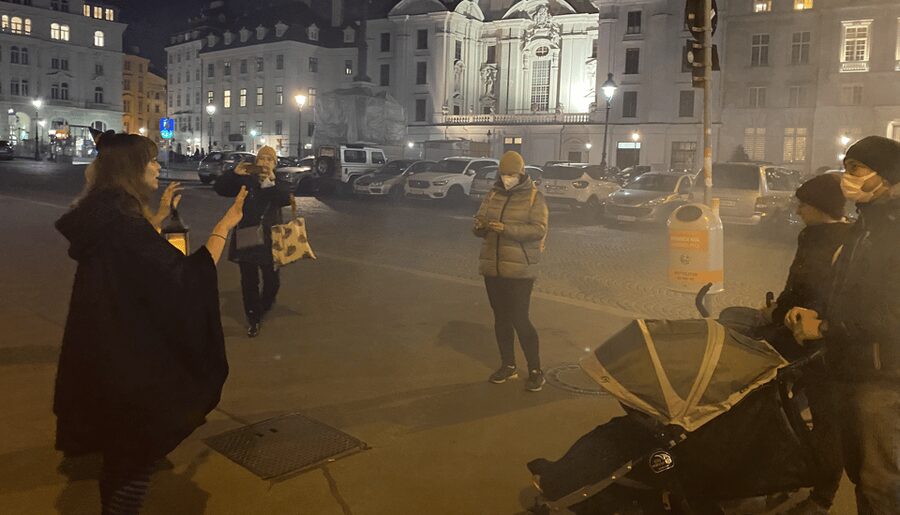
Mozart’s death is another major subject. Vienna is often sold through its musical heritage, but this story adds an uncomfortable edge to the familiar composer narrative.
The tour does not appear to be a full Mozart biography. Instead, his death forms part of a wider look at the city’s famous citizens and the legends that grew around them. That makes the story useful for people who already plan to visit musical landmarks but want something less polished than a standard composer tour.
I like the contrast between Mozart’s celebrated public image and the uncertainty that can surround the end of a famous life. It reminds you that historic Vienna was not only court concerts and elegant salons. It was also a city of disease, rumor, sudden death, and dramatic storytelling.
If Mozart is your main interest, you may want a dedicated music-focused activity as well. This walk gives you one dark chapter, not a complete account of his work or life.
Ending at Stephansplatz
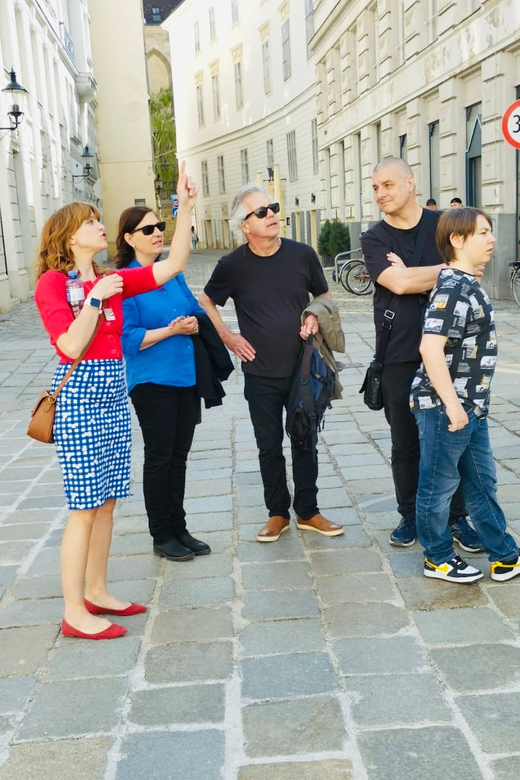
The route is listed as ending at Stephansplatz, beside St. Stephen’s Cathedral. That is a convenient finish because you remain in the heart of Vienna, surrounded by major sights, cafés, shops, and transport connections.
The cathedral works as a final landmark for the tour. Its scale and age suit the subject, and the surrounding square gives the guide a natural place to bring the stories together. Afterward, you can continue exploring the center without spending time getting back to a distant starting point.
There is a small point to clarify before booking. The meeting information also says the activity ends back at the meeting point, while the route details name Stephansplatz as the finish. Since those descriptions do not match perfectly, confirm the exact ending point when you reserve or meet your guide.
The walking distance is not provided, but the duration is fixed at 1.5 hours. You should be prepared for continuous walking through central streets and cobbled areas. The activity is marked wheelchair accessible, though you may still want to confirm the precise route and surface conditions if that is important for your group.
Is $341 good value for your group?
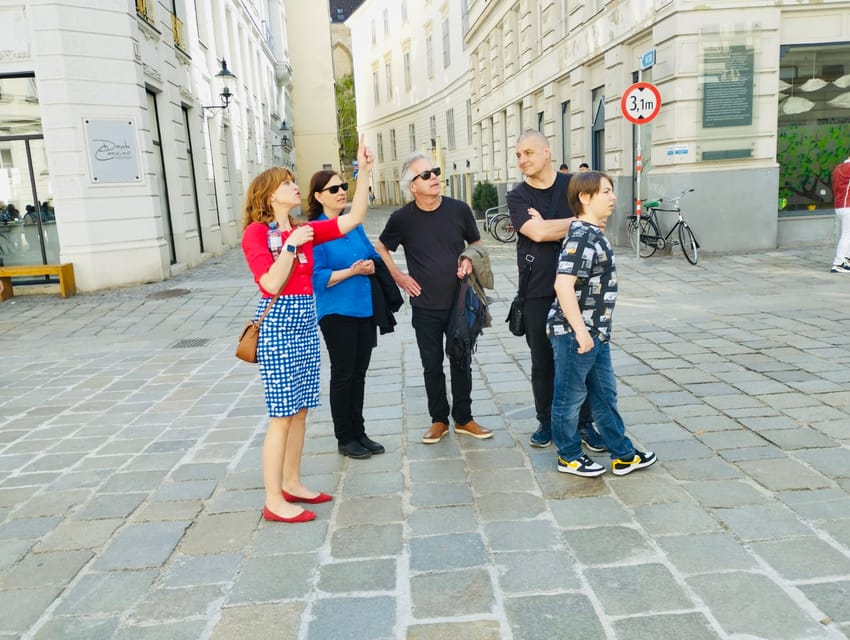
The price is $341 per private group of up to 25 people. That works out to about $13.64 per person if 25 people join, about $28.42 each for 12 people, and about $42.63 each for eight people.
For a large family group, wedding party, school group, or private gathering, that can be a sensible way to get a dedicated guide. For only two people, the total is much harder to justify compared with a shared walking tour, even though private guiding gives you more control and a quieter setting.
You are paying for a local guide, a private format, and a themed route through central Vienna. You are not paying for entry to the catacombs, a palace, or the cathedral, and no hotel pickup or drop-off is included. The tour is built around walking and storytelling.
I would compare the cost with your group size before booking. The larger your party, the stronger the value. If you want a short, focused activity that adds atmosphere to a first visit, the price may feel fair. If you want extensive site access, transport, or a long historical tour, this is not that product.
You can cancel up to 24 hours before the activity for a full refund, and you can reserve now and pay later. Those terms are useful if your Vienna plans are still shifting.
Who will enjoy this walk most?
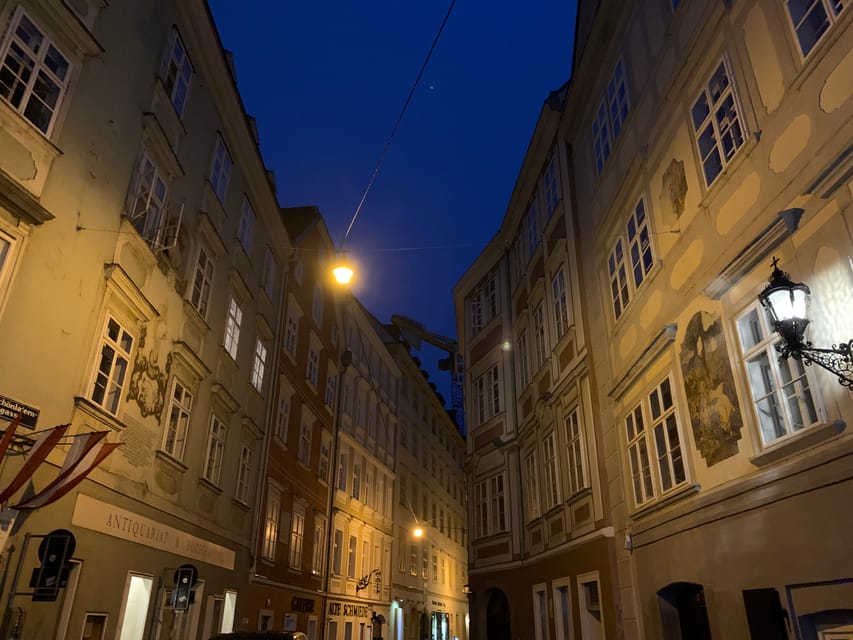
This tour suits you if you like history with a macabre edge, enjoy local legends, or want to see the central sights through a less familiar lens. It is also a good choice for repeat visitors who have already seen Vienna’s imperial highlights and want fresh stories in the same area.
Families with older children and teenagers may enjoy the unusual subject, though the material includes murder, plague, catacombs, and death. Use your judgment for younger children.
I would also recommend it for groups with mixed interests. Someone who likes architecture can focus on the landmarks, while someone who prefers folklore and crime gets the stories. Because the walk is private, you can ask the guide to spend more time on subjects that interest your group.
You may want another activity if you prefer quiet museum visits, formal academic history, or a tour built around interior access. The walk is outdoors, operates in all weather, and relies heavily on the guide’s delivery.
My booking advice
I would book this tour if you have a group large enough to share the $341 cost and want a lively way to understand Vienna’s darker traditions. Marko’s storytelling and Lisa’s clear, concise explanations sound like exactly what this format needs: enough context to make the tales meaningful, without turning the walk into a dry lecture.
The strongest reasons to choose it are the private setting, the central route, and the mix of famous landmarks with unusual subjects such as Blood Alley, Augustin, the Blood Countess, the catacombs, and Mozart’s death.
I would pause if your group is very small, if you need a fully sheltered activity, or if you expect dramatic ghost-hunting effects. This is a guided city walk about legends and macabre history. If that sounds like your kind of Vienna, it offers a compact and memorable change from palaces, galleries, and concert halls.
FAQ
How long does the Private Spooky Vienna Tour last?
The walking tour lasts 1.5 hours. Starting times vary, so check availability when booking.
Where does the tour begin?
It begins at Helmut-Zilk-Platz. Your guide waits in front of the Memorial Against War and Fascism with a red-and-white-striped umbrella.
Where does the tour finish?
The route details name Stephansplatz as the finish, near St. Stephen’s Cathedral. The meeting information also describes the activity as ending back at the meeting point, so confirm the exact end point with the provider.
What languages are available?
The live tour guide is available in English or German.
Is the tour private?
Yes. It is a private group activity for up to 25 people.
Does the tour operate in bad weather?
Yes. The tour operates rain or shine. No hotel pickup or drop-off is included.
Just reviewed in Vienna
- World War II History Vienna Old Town Private Walking Tour★ 4.8 · 9 reviews
- Vienna: Wine Tasting E-Bike Tour★ 4.9 · 46 reviews
- Vienna: Winery and Wine Tasting Tour with a Wine Expert★ 5.0 · 5 reviews
- Vienna: Unforgettable Private City Tour★ 5.0 · 7 reviews
- Vienna Urban Art Tour: Explore a different side of Vienna!★ 3.8 · 14 reviews
- Vienna: Concert by the Vienna Baroque Orchestra★ 4.6 · 56 reviews
- Vienna: Sunday Brunch Danube Cruise & Live Music★ 4.2 · 42 reviews
- Vienna Supreme Orchestra at Palais Niederösterreich★ 4.8 · 10 reviews
Private, compared.

Wine Tasting Experience in a Private Wine Cellar
Read our review →
Private Day Tour Trip Salzburg Hallstatt and Melk from Vienna
Read our review →
Private Day Tour of Hallstatt and Salzburg from Vienna
Read our review →
Private Hidden Vienna Walk — Stories Behind Quiet Corners
Read our review →
Vienna Private Walking Tour with a Local
Read our review →
Vienna at First Glance a Private Walking Tour for First Timers
Read our review →