
Reviewed · VIENNA COFFEE HOUSE AND CAKE TOURS
Vienna: Dessert Tour with Pastries, Cakes & Hidden Cafes
Vienna’s best sweets are not all waiting along the grand boulevards. This tour takes you by subway and tram into local districts for krapfen, cakes, strudel, dumplings, crepes, and other Austrian treats. I like the family-owned bakery in the 10th district and the chance to see a less polished, more everyday side of Vienna. I also like that your guide shows you how to use public transport, a useful skill for the rest of your stay.
The tour includes plenty of food, including two cakes with a drink, two typical pastries, a seasonal sweet, and a savory Austrian dish. That is good value at $119, especially if you arrive hungry. The main drawback is that metro tickets are extra, and the amount of walking and transit makes this a poor fit if you have serious mobility limits or want to remain in central Vienna.
Key points at a glance
- Start with krapfen in Vienna’s 10th district: Visit a family bakery in a multicultural neighborhood and try the sugar-dusted, jam-filled doughnut.
- Eat more than dessert: The package includes a savory Viennese dish such as goulash, schnitzel, or spinach dumplings.
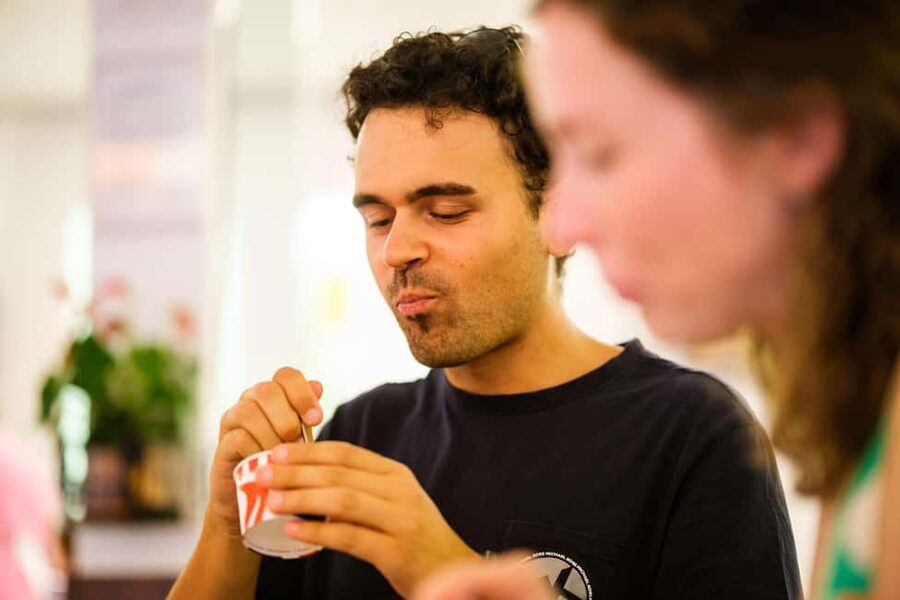
- Follow the seasons: You might taste palatschinken, marillenknödel, gugelhupf, Austrian ice cream, or hot chocolate.
- Use public transport with a local guide: Subway and tram rides connect the stops and help you get comfortable moving around Vienna.
- Keep the group small: A maximum of 10 people allows room for questions and personal tips.
- Expect a generous meal: Several tastings plus dinner can leave you very full, so plan a light breakfast or lunch beforehand.
Why this Vienna food tour feels different
Many Vienna food experiences stay near the famous coffeehouses in the Innere Stadt. Those cafés are worth visiting, but they show only one slice of the city. This tour moves into the 10th and 4th districts, then brings you to Naschmarkt and a more modern local hangout.
That change of setting matters. You get to see Vienna as a working city, not just a collection of palaces and grand cafés. The 10th district is particularly useful for that contrast. It is multicultural and local in feel, with a family bakery that serves the people who live nearby.
I also like the transport lesson built into the route. Your guide does not simply lead you from one pastry counter to the next. Guides such as Maria, Patrick, Julia, and Verena have helped participants understand the subway and tram system while moving between stops. If Vienna’s public transport map looks confusing when you first arrive, this can save you time later.
The group limit is 10 people. That is small enough for a guide to answer questions, explain unfamiliar dishes, and adjust the pace when possible. It is not a private tour, though, and the route involves several transfers and a fair amount of walking.
More coffee house and cake stops:
- Vienna for Food Lovers: Cafés, Markets & Austrian Cuisine
★ 5.0 · 1,063 reviews - Vienna: Hard Rock Cafe with Set Menu for Lunch or Dinner
★ 4.5 · 643 reviews - Vienna Coffee, Cake & Pastries Tour with Local Stories
★ 5.0 · 470 reviews
The 10th district bakery and the first krapfen
The tour begins in front of the Wein@co store at Jasomirgrottstrasse 3. From there, you ride the subway to Vienna’s 10th district and visit a family-owned bakery.
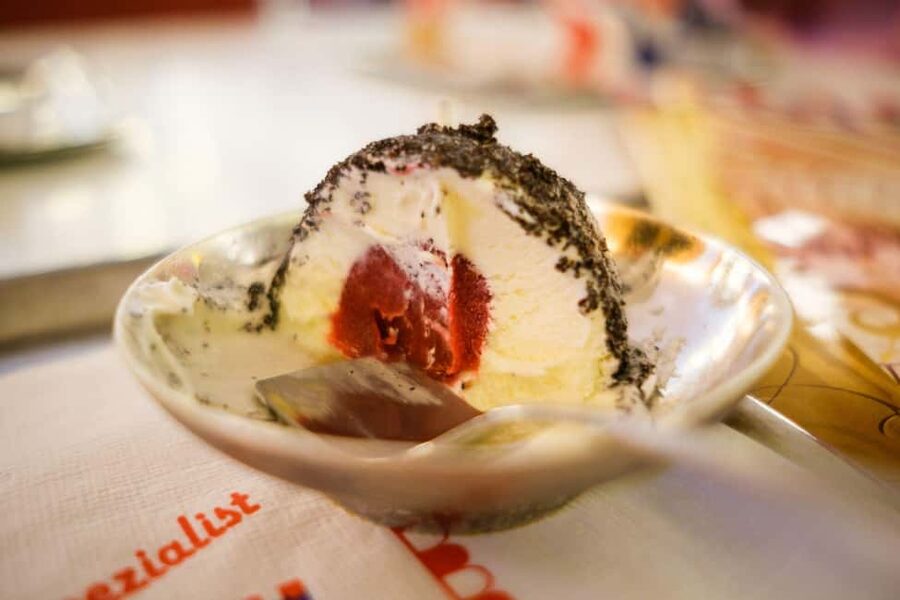
The first featured treat is krapfen, a soft doughnut filled with jam and covered with sugar. It is eaten throughout the year and is especially popular before Lent. This is a smart opening tasting because it is simple, familiar, and very Austrian. You can understand the appeal immediately, but the guide can also explain when and why it appears in local food traditions.
The bakery itself is part of the point. You are not starting at a famous stop selected only for its name. You are entering a place loved by local customers, in a district many short visits to Vienna skip.
The 10th district stop also gives the tour some social and geographic context. Your guide can explain how Vienna’s neighborhoods differ and what foods are associated with them. One guide, Maria, has also used the route to discuss districts and local customs along the way.
Do not expect a long bakery workshop or a formal cooking demonstration. The value here is the combination of a real neighborhood, a local business, and an early pastry tasting before the larger meal develops.
The 4th district café, cakes, and Austrian coffee culture
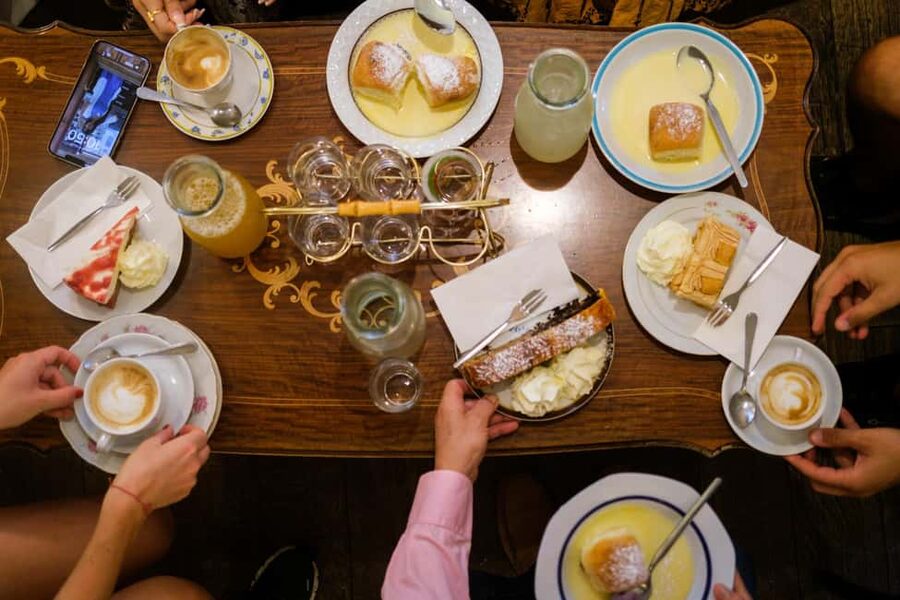
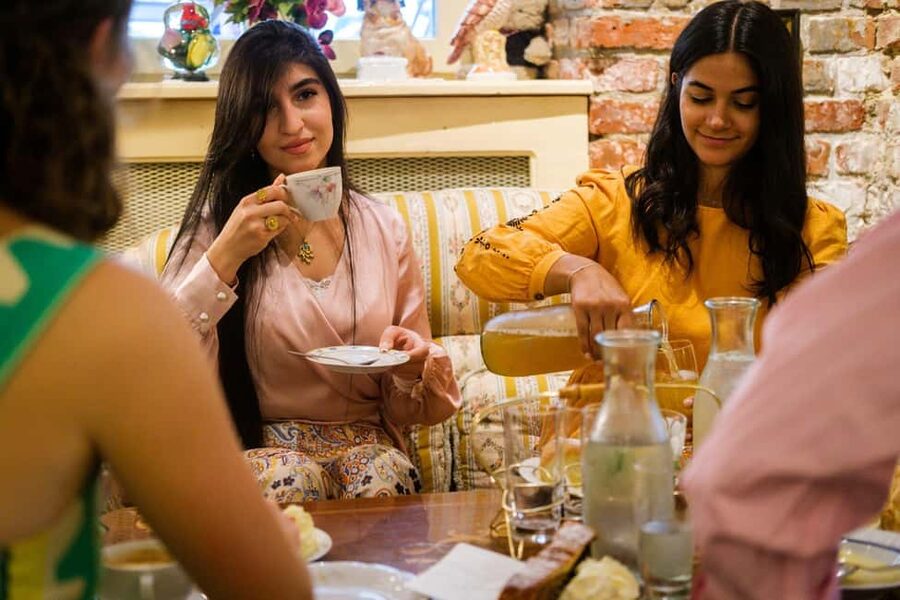
Next, the route continues to the 4th district and a small coffeehouse that is less famous than Vienna’s grand café institutions. The setting is intentionally modest, while the food remains central: Austrian cakes and strudels are served with coffee, tea, or a soft drink such as iced tea, apple juice, or homemade juice.
The package includes two homemade cakes with your choice of one of those drinks. Depending on the season and the day, you may also encounter strudel or other pastry specialties. This is where the tour gives you time to sit down and understand Vienna’s café culture instead of treating dessert as a quick sample eaten while standing.
Austrian cake is not one single style. The tour may introduce you to different textures and preparations, from a light gugelhupf, a ring-shaped cake similar to a bundt cake, to fruit-filled pastries and creamy desserts. The exact selection changes, so you should treat the menu as seasonal rather than fixed.
The coffeehouse stop is also a good place to ask questions. Guides explain the background of famous Austrian pastries and how coffeehouse traditions fit into daily life. The information is not only about ingredients. You learn why certain sweets matter and how they became part of the country’s food identity.
If you are expecting the grand interiors of Café Central or another famous institution, this stop may feel less dramatic. That is intentional. You are trading architectural fame for a smaller café and, potentially, a more relaxed local experience.
Seasonal sweets from crepes to apricot dumplings
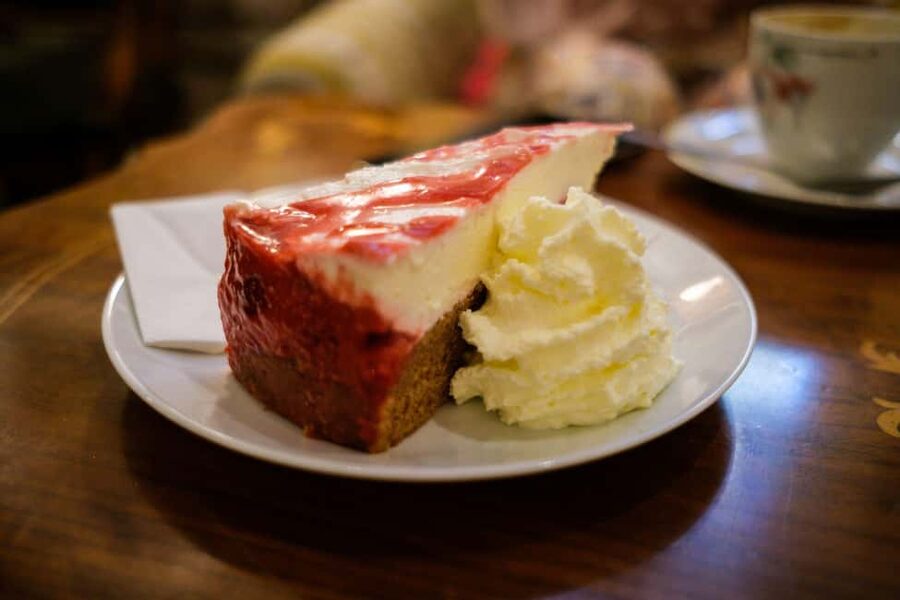
The dessert list changes with the time of year. That keeps the experience from becoming a fixed sampler, but it also means you cannot count on every dish shown in the description.
Possible tastings include:
- Palatschinken, thin crepes filled with jam
- Marillenknödel, dumplings made with apricots
- Gugelhupf, a ring-shaped cake
- Austrian ice cream
- Hot chocolate in winter
- Homemade ice cream in summer
- Buchteln, a soft brioche-style pastry filled with plum compote and served with vanilla cream
The Buchteln is an especially interesting possibility. It is not simply another cake or biscuit. The soft pastry, plum filling, and vanilla cream make it a more substantial sweet, and it reflects the Austrian preference for desserts that can almost function as a meal.
Marillenknödel offers another useful lesson. Apricots are closely associated with Austrian pastry traditions, and placing fruit inside a dumpling shows how broad the word dessert can be here. You may be tasting something closer to a sweet main course than a small after-dinner bite.
Some food tours give you tiny portions so you can keep moving. This one appears more generous. The included food can add up to several desserts, drinks, and dinner. One particularly full itinerary included 11 dessert tastings, but that should not be treated as a guaranteed number. The stops and portions vary by season and availability.
A few more Vienna outings worth weighing up
- Chocolate workshop in Chocolate Museum Vienna “BO-YO”
★ 4.5 · 352 reviews - Vienna: 2.5-Hour Viennese Coffee, Cake, and Chocolate Tour
★ 4.6 · 44 reviews - Vienna Private City Tour: Palaces, Churches & Sacher Cake Option
★ 4.5 · 41 reviews - Strauss Exhibition incl. LED Concert Show / Coffee + Strauss Cake
★ 5.0 · 30 reviews
Naschmarkt and the savory break
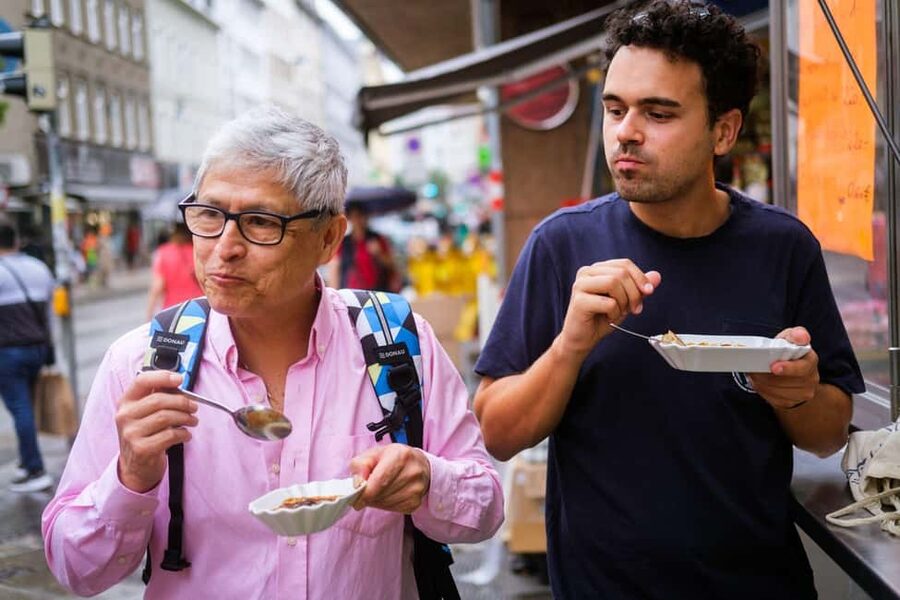
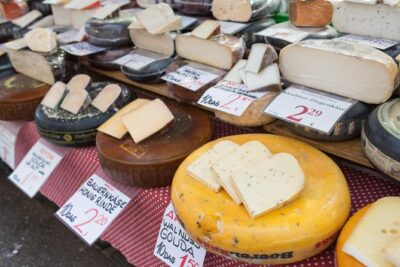
The tour finishes its Vienna food route at Naschmarkt, one of the city’s best-known food areas. Here, the focus is not only on sweets. You may stop to look at local products and get help choosing Austrian cheese or other foods.
Naschmarkt works well near the end of the tour because it gives you a chance to compare what you have tasted with ingredients you might want to buy. It is also a practical stop if you want to return later for snacks, gifts, or a casual meal.
The included savory dish keeps the experience from becoming an exhausting sugar crawl. Depending on the day, you may receive goulash, schnitzel, or spinach dumplings at a typical Viennese restaurant. This is a proper food stop, not just a token bite.
That meal is an important part of the $119 price. If the tour included only pastries and coffee, the cost would be harder to justify. With two cakes, two typical pastries, a seasonal drink or sweet, and a substantial savory dish, you are paying for a half-day of food as well as guiding and neighborhood transport.
The final drink is at a modern, hipster-style hangout. The exact place can vary, but the idea is to end somewhere less traditional than the earlier coffeehouse. It gives the tour a useful final contrast between old Viennese café customs and the city’s newer food culture.
What the $119 price really covers
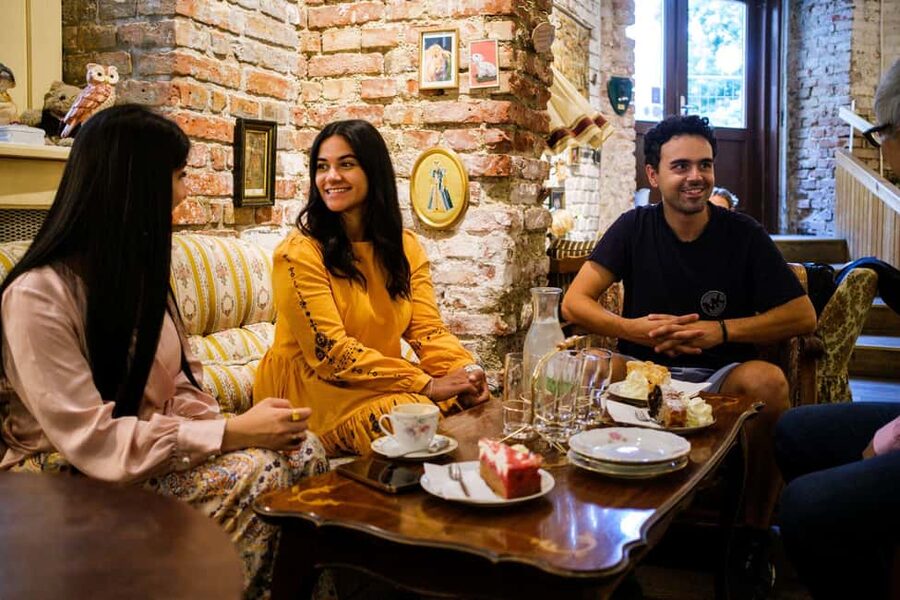
At $119 per person, this is not a cheap pastry walk. It is also more than a standard café crawl. You are paying for 3.5 hours with an English-speaking local guide, several organized food stops, a savory dish, drinks, and help navigating Vienna’s public transport.
The listed inclusions cover:
- Two homemade cakes with coffee, tea, or a soft drink
- Two typical Austrian pastries
- Hot chocolate in winter or homemade ice cream in summer
- One savory dish at a Viennese restaurant
- An English-speaking local guide
- Personal recommendations for nearby bars and restaurants
Metro tickets are not included, and extra food or drinks cost more. That is a small but important detail. Bring enough for public transport, especially since the route uses the subway and may include tram travel.
I consider the price reasonable if you want both food and orientation. A visitor who already knows Vienna well and only wants to buy a pastry may find it expensive. You get better value if you use the guide’s transport advice, neighborhood suggestions, and restaurant tips during the rest of your visit.
Arrive hungry. The combination of pastries, cakes, drinks, and a savory dish is likely to be more than you expect from the word dessert. If you have a large dinner reservation immediately afterward, schedule a gap.
Walking, transport, and group size
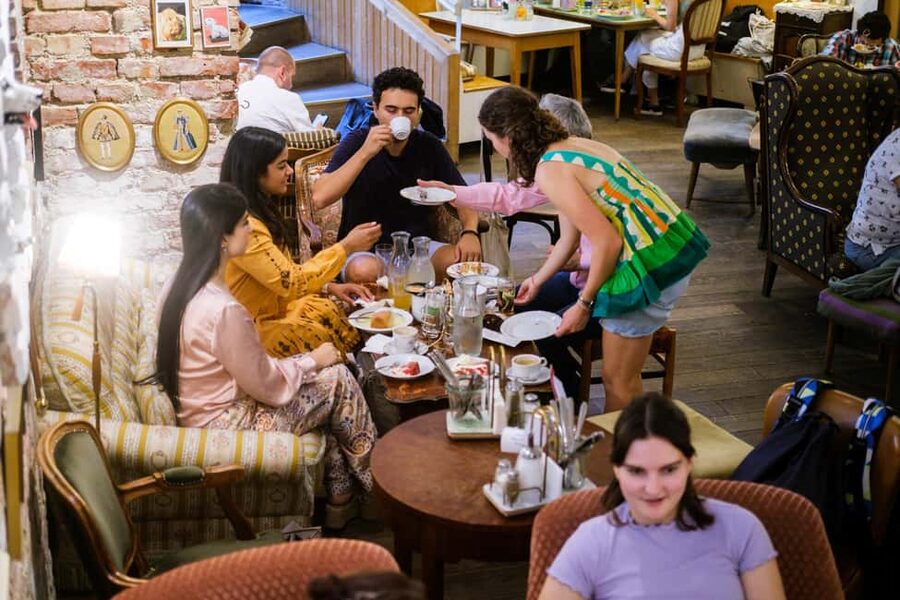
This is an active food tour. You walk between stops, enter and leave subway or tram stations, and spend part of the time standing. The duration is 3.5 hours, and the route crosses several districts rather than staying in one compact central area.
The transit is an advantage if you want to learn Vienna’s system, but it adds moving parts. The exact starting time should be checked when you book, since multiple departure times may be available. The activity begins and ends at the meeting point near Wein@co store.
The group has no more than 10 participants per guide. That keeps the experience personal without making it a private tour. The guide can explain a pastry to the whole group and still respond to individual food questions.
The tour is not suitable for children under 12. A private tour can be arranged for younger children, but that is a separate option. It is also not designed for people with mobility impairments. If you have mobility concerns but still want to participate, contact the provider at least 24 hours ahead because the route may be adjusted.
Dietary limits you should consider first
Vegetarians and vegans can be accommodated if you contact the provider at least 24 hours before the tour. Gluten-free choices are very limited, so this experience is not a safe pick if you need a strictly gluten-free menu.
Traditional Austrian baking also relies heavily on milk and butter. Even though Austrian cooking has become lighter, many of the cakes, pastries, and creamy dishes remain dairy-based.
The best approach is to share your needs before booking or at least 24 hours before the start time. Do not assume that a vegetarian request automatically covers every sweet, since pastry fillings and preparation methods can vary.
The guides and the personal touch
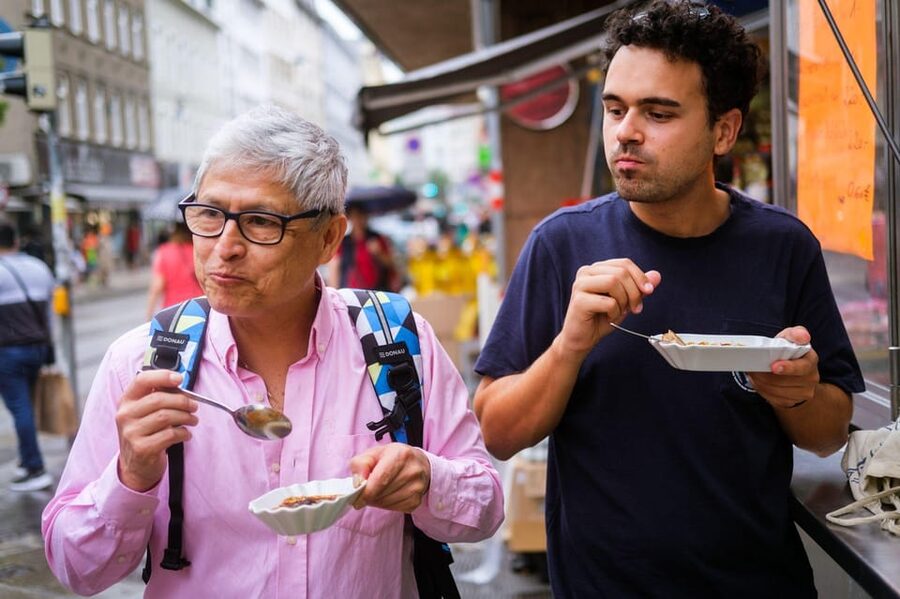
The guide can make or break a food tour, and this experience depends on a personable local host. Maria is repeatedly singled out in the supplied material for explaining districts, local customs, cafés, and public transport. Patrick is described as a friendly storyteller who added context at each stop. Julia and Verena also lead the tour.
That range matters because the exact tone may vary by guide. The common thread is an English-speaking host who knows the food and can give practical advice beyond the scheduled tastings.
The personal recommendations at the end are useful. You can ask about bars and restaurants in the areas you pass through, then use those suggestions later in your stay. I would bring a short list of food questions, such as which café to visit for strudel or where to find a traditional meal without a formal setting.
Who should book this tour?
I would choose this tour if you want Vienna’s food culture explained as you eat it. It suits first-time visitors who want help with public transport, curious eaters who want more than the famous central cafés, and anyone who prefers a meal-sized experience to a quick tasting.
It is also a good fit for people who enjoy variety. You may move from a jam-filled doughnut to cake, dumplings, coffee, ice cream, cheese, and a savory Austrian dish in one outing.
I would think twice if you need gluten-free food, dislike public transport, have trouble walking, or want a tightly fixed menu. The seasonal format is part of the appeal, but it means you cannot guarantee every named pastry.
Should you book the Vienna dessert tour?
Book it if you want a generous, social introduction to Austrian sweets and neighborhoods beyond the usual center. The strongest reasons are the local bakery, the mix of dessert and savory food, the small group, and the practical lesson in using Vienna’s subway and tram system.
Skip it if $119 feels high for a food outing or if you need strict gluten-free choices. For most suitable participants, though, the combination of food, stories, transport help, and restaurant advice gives the tour a fair value. Come hungry, wear comfortable shoes, and leave room for one more pastry than you think you can manage.
FAQ
How long does the Vienna dessert tour last?
The tour lasts 3.5 hours. Starting times vary, so check availability for the date you want.
Where does the tour begin and end?
It begins in front of the Wein@co store at Jasomirgrottstrasse 3 and ends back at the meeting point.
What food is included?
The tour includes two homemade cakes with coffee, tea, or a soft drink, two typical Austrian pastries, hot chocolate in winter or homemade ice cream in summer, and one savory dish at a Viennese restaurant.
Are metro and tram tickets included?
No. Metro tickets are not included, so you must pay for your public transport separately.
What pastries might I taste?
Seasonal options may include krapfen, palatschinken, marillenknödel, gugelhupf, Austrian ice cream, and other Austrian cakes or pastries. The exact selection varies.
Is the tour conducted in English?
Yes. The tour has a live English-speaking guide.
How large is the group?
The maximum group size is 10 participants per guide.
Can children join the tour?
Children under 12 are not permitted to join the group tour. A private tour can be arranged for younger children.
Can the tour accommodate dietary or mobility needs?
Vegetarian and vegan requests can be accommodated if you contact the provider at least 24 hours before the tour. Gluten-free choices are very limited. The tour involves considerable walking and is not suitable for people with mobility impairments, though the route may be adjusted if you discuss mobility concerns in advance.
Just reviewed in Vienna
- World War II History Vienna Old Town Private Walking Tour★ 4.8 · 9 reviews
- Vienna: Wine Tasting E-Bike Tour★ 4.9 · 46 reviews
- Vienna: Winery and Wine Tasting Tour with a Wine Expert★ 5.0 · 5 reviews
- Vienna: Concert by the Vienna Baroque Orchestra★ 4.6 · 56 reviews
- Vienna: Unforgettable Private City Tour★ 5.0 · 7 reviews
- Vienna Urban Art Tour: Explore a different side of Vienna!★ 3.8 · 14 reviews
- Vienna: Sunday Brunch Danube Cruise & Live Music★ 4.2 · 42 reviews
- Vienna Supreme Orchestra at Palais Niederösterreich★ 4.8 · 10 reviews
Vienna Coffee House and Cake Tours, compared.
Vienna for Food Lovers: Cafés, Markets & Austrian Cuisine
Read our review →
Vienna Coffee, Cake & Pastries Tour with Local Stories
Read our review →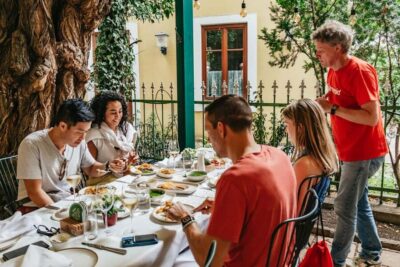
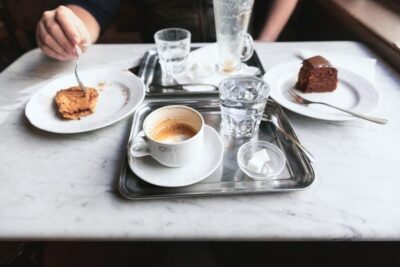
Typical Austrian Food Tour with Coffee House Visit
Read our review →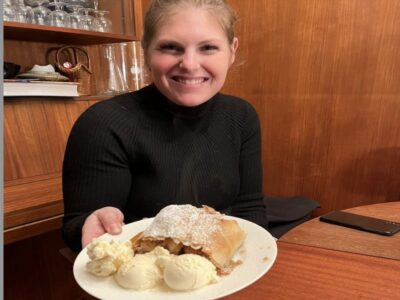
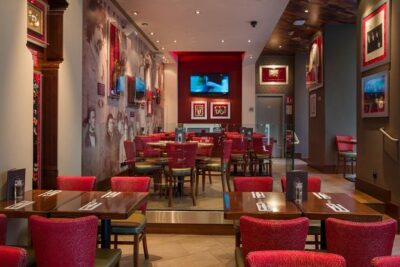
Hard Rock Cafe Vienna with Set Menu for Lunch or Dinner
Read our review →
Vienna Eats: Private Foodie Walk with Coffee & Markets
Read our review →Browse the lists this tour appears in