
Reviewed · SCHöNBRUNN PALACE TOURS
Schönbrunn Palace & Gardens Tour
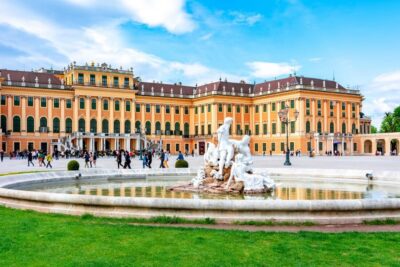
Schönbrunn Palace was built to rival Versailles, but its best stories are smaller and more human: Maria Theresa ruling an empire from the Porcelain Room, Sisi slipping away through a private stairway, and a family of 16 children filling this summer residence with court drama. The tour combines the formal gardens with two hours inside the palace.
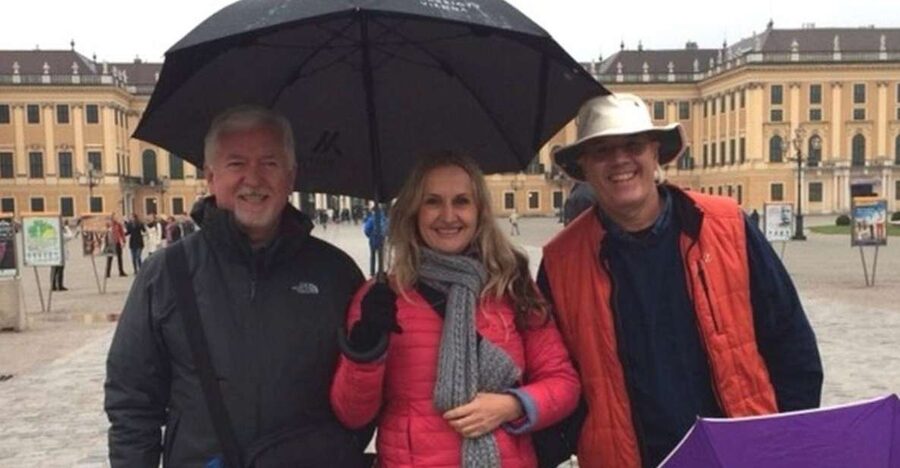
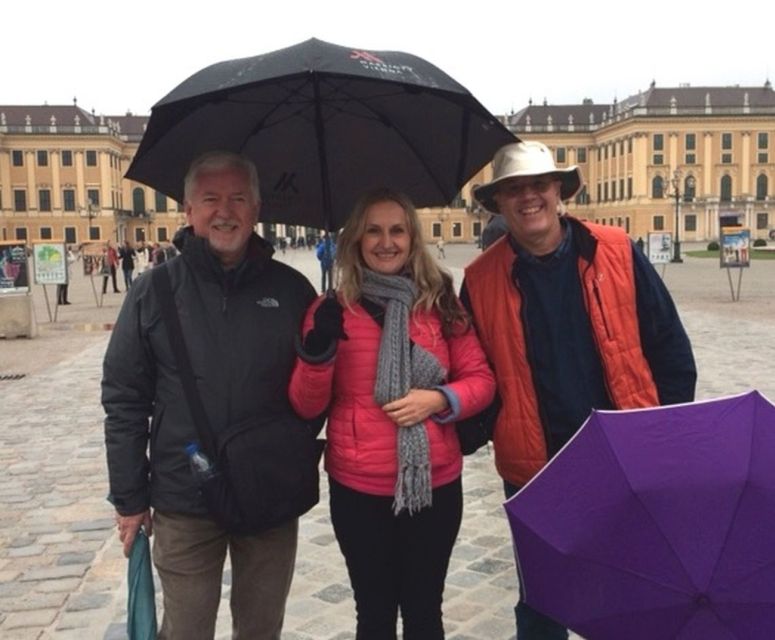
I like the Gloriette views and the chance to see rooms that are easy to pass without context, especially the Millions Room. I also like the historian-led format. Katharina, praised by name in several bookings, met one group in central Vienna and explained the palace as they moved from room to room. The main drawback is price: $176 per person is high, and the palace and park entrance fee is not included.
Key points to know before booking
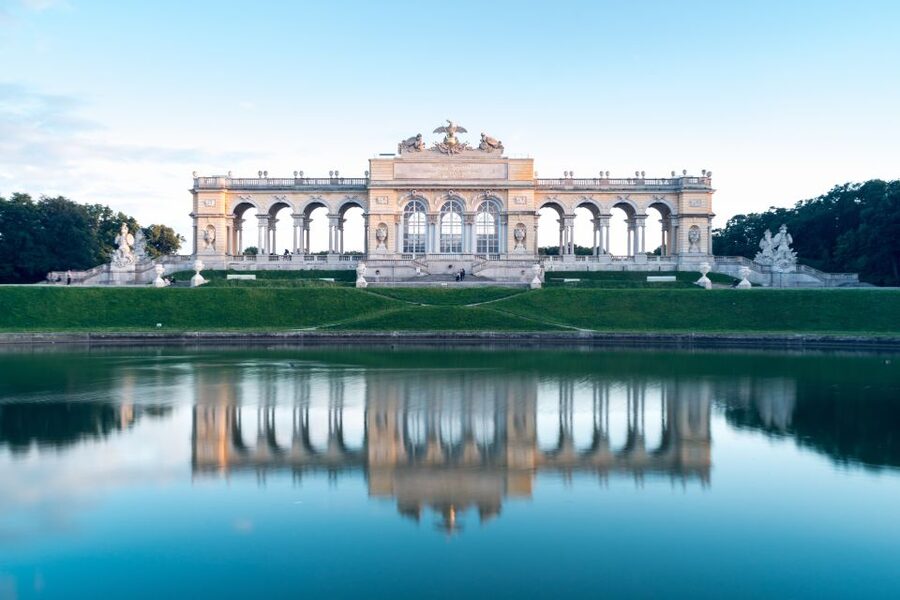
- The Gloriette gives the garden walk a clear payoff: You climb toward a hilltop triumphal arch with views over Vienna’s woods.
- Maria Theresa’s Porcelain Room has a practical past: It served as the empress’s office, not just a pretty reception room.
- The Millions Room is the palace’s great decorative surprise: Indo-Persian miniatures, Rococo frames, and carved rosewood meet in one lavish interior.
- Katharina is a praised guide: She has been described as lively, personable, and generous with anecdotes and answers.
- The ticket cost needs careful checking: Your guide helps you buy admission, but it is separate from the tour price.
- The Jewish Quarter reference needs clarification: It appears among the highlights, yet the stated route focuses on Schönbrunn and finishes at its Group Center.
Why Schönbrunn needs a guide
Schönbrunn is not merely a grand house with pretty rooms. It was the summer center of Hapsburg court life and a working symbol of Austrian power. Without a guide, you can admire gold trim and painted ceilings, but the rooms can blur together.
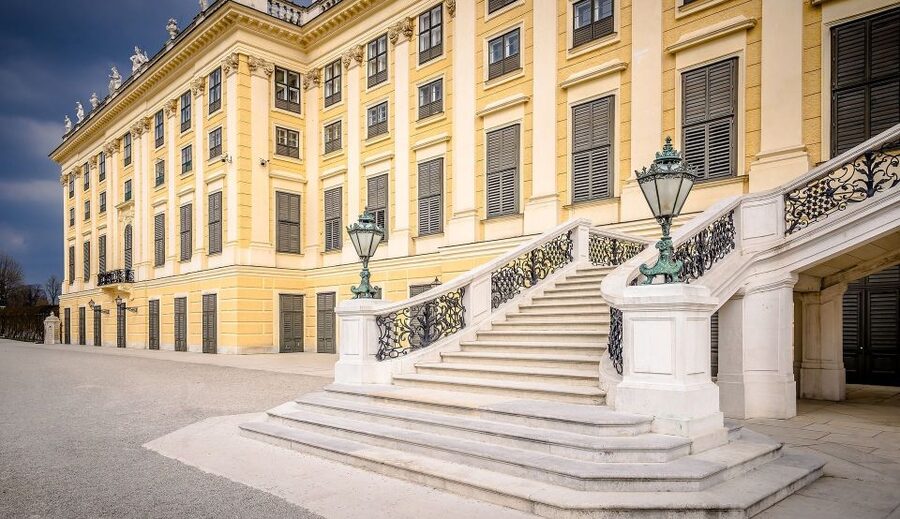
A good guide gives the palace a cast of characters. Maria Theresa used Schönbrunn as a political and family center during the high point of her reign. Franz Joseph later occupied the palace with a very different style of rule. His wife, Elisabeth, known as Sisi, disliked court ceremony and the heavy formal life expected of an empress.
That contrast gives the tour its shape. You move from public power to private escape. You see the rooms built to impress, then hear about the woman who wanted a way out of them.
The guides offered here are historians, professors, doctoral students, journalists, art critics, and published authors. That matters if you enjoy questions and context rather than a quick recitation of dates. Katharina, also spelled Katarina in one booking note, was especially praised for adding anecdotes and making time for questions.
More ways into Schonbrunn Palace:
- Vienna: Schönbrunn Palace & Gardens Skip-the-Line Tour
★ 4.7 · 7,739 reviews - Vienna: Skip-the-Line Schönbrunn Palace & Gardens Tour
★ 4.8 · 5,411 reviews - Vienna: Mozart and Strauss Concert at Schönbrunn
★ 4.5 · 2,364 reviews
Starting at the Arrival Centre
The meeting point is the Schönbrunn Arrival Centre at Schönbrunner Schloßstrasse 50. Your guide waits in front of the Group Centre Building, across from the palace’s main entrance.
That location is useful because Schönbrunn is a large complex and the palace entrance can feel confusing at first. Give yourself enough time to find the Group Centre rather than arriving at the last minute. If you book the private option, pickup can take place at a central hotel, holiday flat, or another agreed meeting point.
Private pickup does not mean a private car ride. The guide accompanies you to the palace using Vienna’s metro. That is a sensible arrangement in a city with excellent public transport, but you should understand what is included before booking. The private option gives you personal guidance from the start, not necessarily door-to-door vehicle service.
The tour lasts 150 minutes. About 30 minutes are assigned to the gardens and two hours to the palace. That is long enough for real explanation, but not so long that the visit becomes an all-day commitment.
The gardens and the climb to the Gloriette
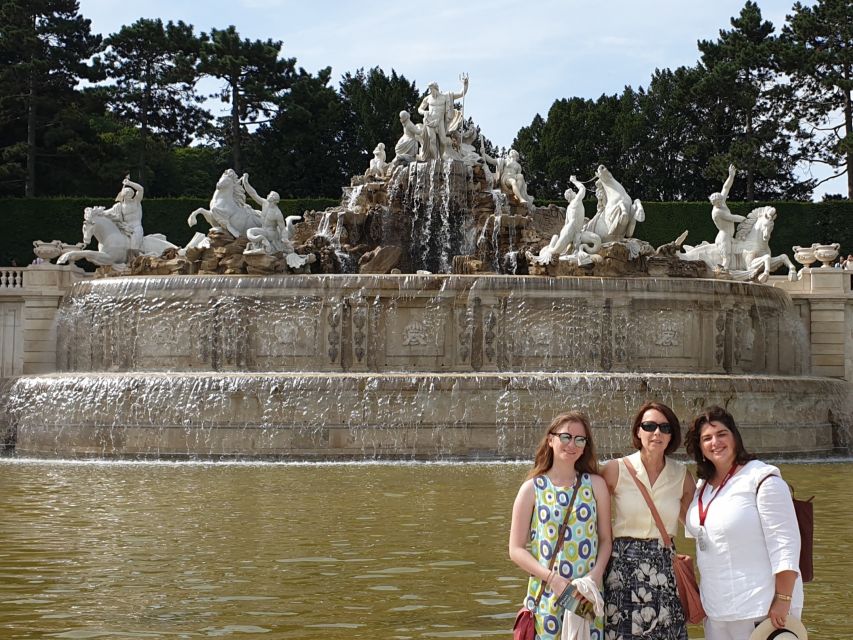
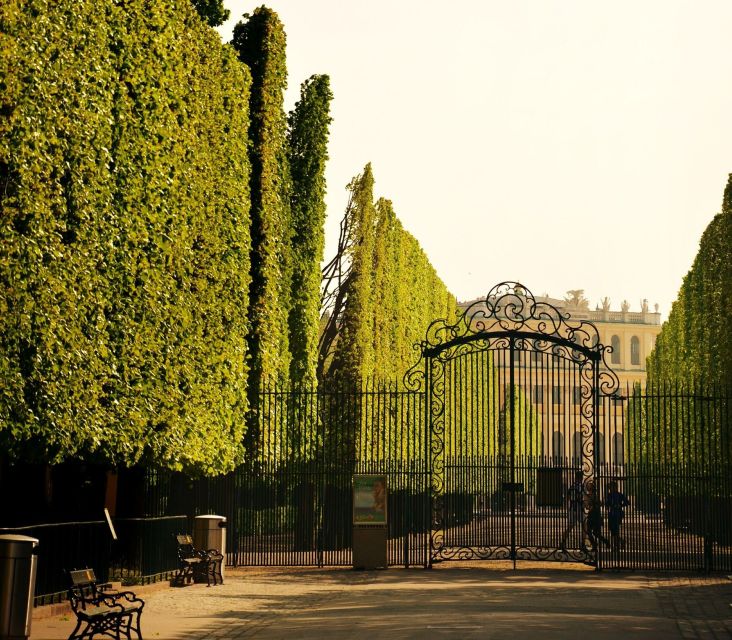
The garden walk begins with Schönbrunn’s formal design. Baroque planning treated nature and architecture as partners, so the garden is not just a green break between palace rooms. Its paths, views, and structures were planned to frame imperial power.
Your guide explains how the grounds were tied to Maria Theresa’s reign and to the military victories that helped make her period a high point of Hapsburg influence in Europe. The park was opened to the public in 1779, a smart public gesture from a ruler who understood the value of appearing approachable while maintaining absolute authority.
The walk leads toward the Gloriette, the huge triumphal arch on the hill above the palace. This is the clearest visual reward of the outdoor portion. From there, you can look across Vienna’s woods and understand how the palace was designed to dominate its setting.
The 30-minute garden portion is brief. You should not expect a full survey of every path, fountain, or corner of the grounds. Instead, think of it as a guided introduction that explains how Schönbrunn presents power through views and movement. The uphill approach may also require a little effort, so comfortable shoes are a sensible choice.
Maria Theresa’s Porcelain Room
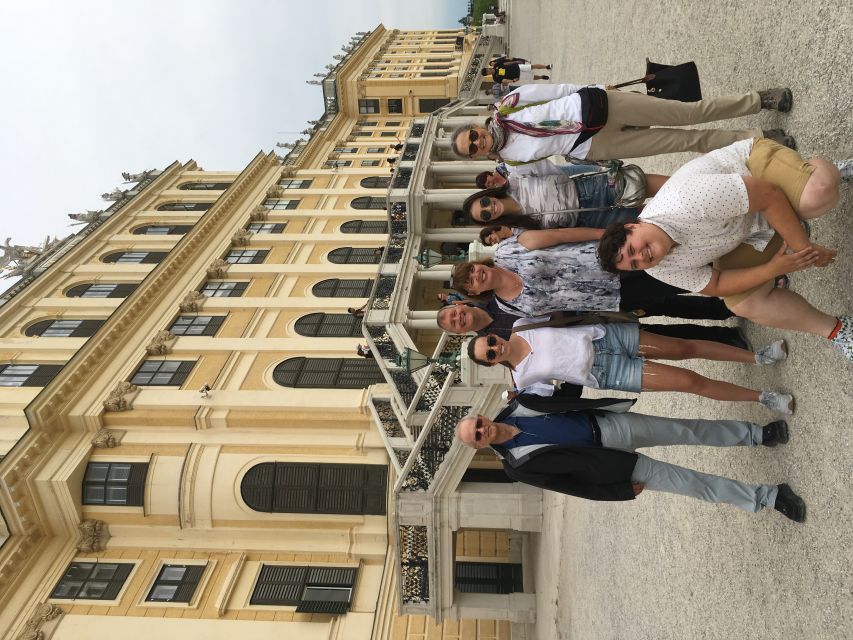
Inside the palace, the Porcelain Room gives you a more personal look at Maria Theresa. It served as her office, which makes it more interesting than a room presented only as decoration.
The setting reflects the court’s love of fine objects and controlled display, but its function tells you how the empress worked. Maria Theresa had 16 children and presided over a court that was both a family center and a political machine. Seeing the office helps connect the huge palace to daily decisions, correspondence, and administration.
This is one reason a guide adds real value. A room can look delicate and ornamental at first glance. With context, you begin to ask who used it, why it was placed there, and how it fit into court life.
A different sort of day out in Vienna:
- Vienna: Vivaldi’s Four Seasons Concert in Karlskirche
★ 4.7 · 14,951 reviews - Vienna: Skip-the-cashier-desk-line Giant Ferris Wheel Ride
★ 4.5 · 7,859 reviews - Vienna: Light of Creation Votive Church Immersive Light Show
★ 4.8 · 6,779 reviews - Vienna Spanish Riding School Guided Tour
★ 4.7 · 6,765 reviews
The Millions Room and Rococo excess
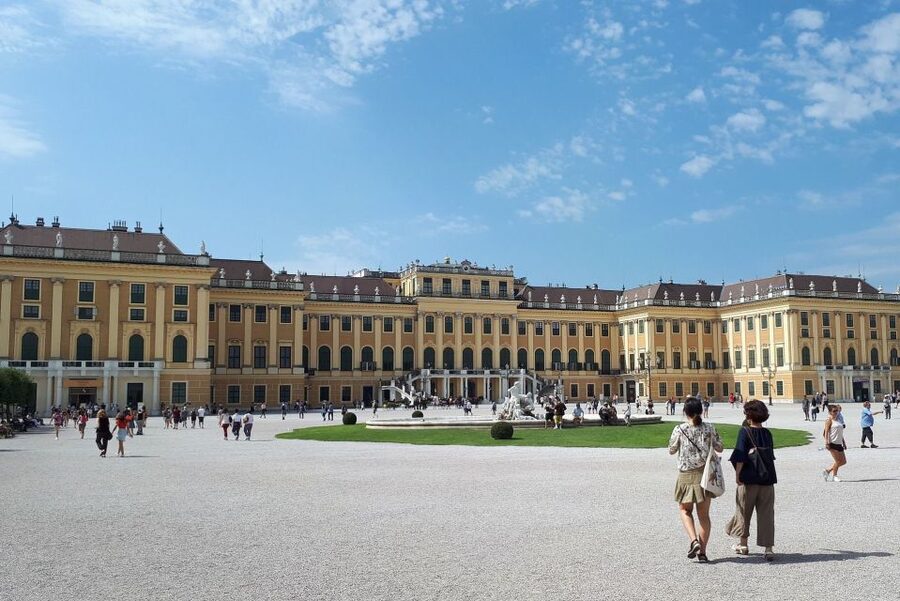
The Millions Room is the palace’s most memorable decorative room for many people. Its name comes from its cost, and the design backs up the title.
The room combines antique Indo-Persian miniatures with Rococo frames and wall hangings made from carved rosewood brought from the Antilles. The result blends Oriental and European decorative art in a way that feels both refined and wildly expensive.
I would pay close attention here to the mixture of materials and styles. The room is not simply overloaded with decoration. Its interest comes from how carefully those different traditions were joined together. A guide can point out details that are easy to miss while a group moves through a lavish sequence of interiors.
The Millions Room also puts the palace’s spending in perspective. Schönbrunn was designed to compete with Versailles, so every major interior carried a political message. Wealth was not private taste alone. It was proof that the Hapsburg court belonged among Europe’s most powerful ruling families.
Franz Joseph and Sisi’s divided palace life
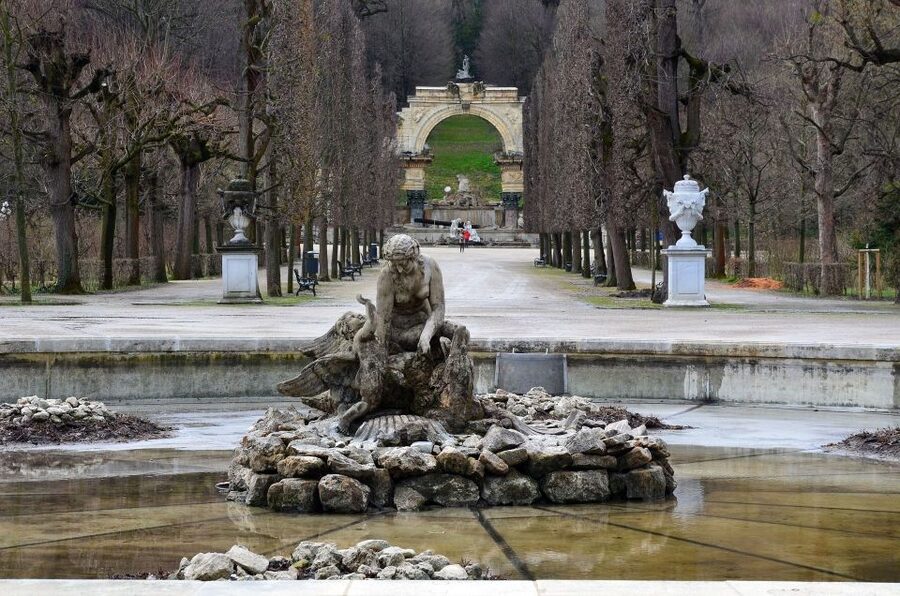
The Franz Joseph and Elisabeth Apartments shift the mood. Here, the palace becomes the setting for a marriage shaped by state duty.
Franz Joseph married the Bavarian princess Elisabeth in 1854. She later became known affectionately as Sisi, but the nickname should not hide the tension in her life. She disliked court rituals and the ornate world of the summer palace.
The tour connects that dislike to a striking detail: Sisi commissioned a spiral staircase from her official rooms to a private entrance, allowing her to leave the palace and reach the gardens with less ceremony. It is a small architectural change with a strong story behind it. The palace may have been grand, but Sisi wanted distance from its rules.
As you move through the apartments, look for the contrast between public rooms and private needs. One room presents authority and ceremony. The next story concerns escape, privacy, and the burden of being watched. This is where the tour moves beyond decoration and gives the palace emotional shape.
The Jewish Quarter connection
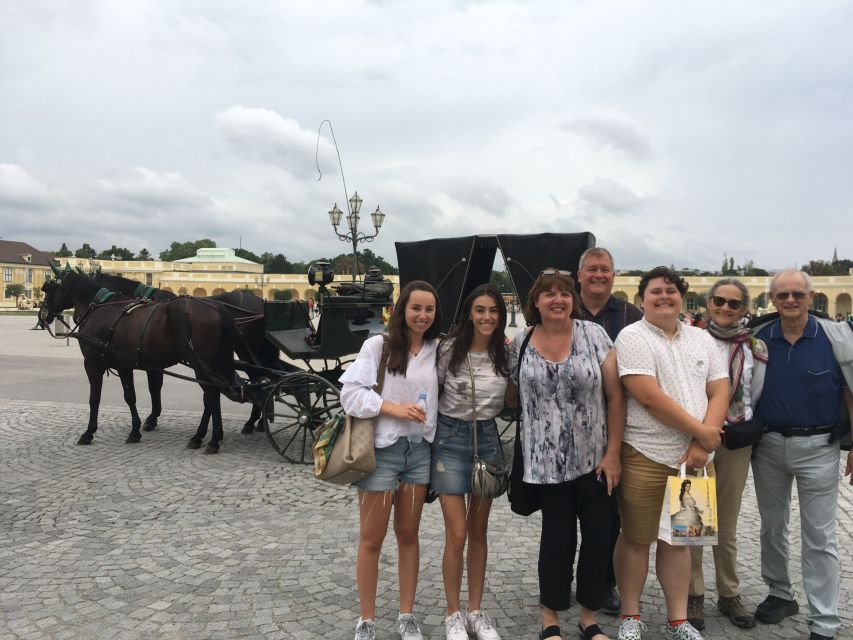
The experience also lists an exploration of Vienna’s Jewish Quarter, including stories from the period of the Jewish ghetto. That subject adds an important social and historical dimension, since it moves beyond imperial rooms and court life.
However, the stated route lists the Schönbrunn Gardens, a two-hour palace tour, and a finish at the Schönbrunn Group Center. It does not explain when the Jewish Quarter visit takes place, how it connects to the palace, or whether it belongs only to a selected private option.
I would ask for clarification before paying, especially if the Jewish Quarter is a main reason you are booking. Do not assume that the 150-minute Schönbrunn route includes a separate central Vienna walking tour. The available information confirms the topic but does not provide a detailed route for it.
What $176 per person really buys
At $176 per person, this is not a cheap palace admission with a basic audio guide. You are paying for a live English-language historian, a structured visit, and the option of a private or small group experience.
The value is strongest if you want help reading the rooms. The guide can connect Maria Theresa’s office, the Millions Room, Sisi’s private stairway, and the wider Hapsburg story. The value is also stronger for first-time visitors who do not want to spend time figuring out the palace route on their own.
The price is harder to defend if you only want to enter the palace, take photographs, and move at your own pace. The entrance fee is not included, although your guide helps you purchase the tickets. Add that cost to the advertised price when comparing options.
Private tours may suit families, couples, or anyone who wants to ask many questions. Small groups offer a middle ground, with more personal contact than a large coach tour. The supplied booking information does not state the maximum group size, so ask before booking if group size is important to you.
Timing, tickets, and practical planning
You can reserve now and pay later, and cancellation is free up to 24 hours before the start time. Those terms help if your Vienna plans are still shifting.
The experience is offered in English. Starting times depend on availability and the option you select. Since the guide helps with palace tickets, arrive ready to follow their instructions rather than expecting admission to be included automatically.
The tour skips the ticket line, which can matter at Schönbrunn, particularly when the palace is busy. The benefit is not that you avoid every person in the building. You still visit a major attraction. The advantage is a more organized entry and less time spent waiting before the guided portion begins.
Wear shoes suited to the garden walk and the approach to the Gloriette. The outdoor section lasts only about 30 minutes, but the palace portion takes two hours, so you will be on your feet for most of the experience.
Who will get the most from this tour
I would choose this for someone who wants Schönbrunn explained rather than simply photographed. It suits history fans, first-time Vienna visitors, and anyone curious about Maria Theresa, Franz Joseph, or Sisi.
It is also a good fit if you like asking questions. One booking described Katharina as personable and full of useful anecdotes, while another noted that she kept the group moving through crowds and found quieter corners for explanations. That combination matters in a palace where a guide may need to pause without blocking the flow of other people.
Families may appreciate the stories of a ruler with 16 children and an empress who planned her own private escape route. The details give younger visitors something concrete to remember.
I would hesitate if you prefer unhurried solitude. The guide keeps the visit moving, and the two-hour palace schedule is designed to cover many rooms. You will receive a strong overview, but you may not have unlimited time at every object.
Should you book it?
Book this tour if you want the palace’s rooms tied to people, politics, and personal choices. The gardens, Gloriette, Porcelain Room, Millions Room, and Sisi’s apartments make a well-shaped visit, and a strong guide can turn a grand palace into a readable story.
At $176 per person plus admission, it is a premium choice. I would book it for the historian guide and small-group or private format, not simply for entry. Before confirming, ask how the Jewish Quarter material fits into the route and what group size your selected option uses.
If those details match your plans, the tour offers a focused way to understand Schönbrunn in two and a half hours. If you mainly want independent access, compare the total cost carefully and consider visiting without a private guide.
FAQ
How long does the Schönbrunn Palace and Gardens Tour last?
The tour lasts 150 minutes, or two and a half hours.
What does the itinerary include?
The stated route includes about 30 minutes in Schönbrunn Gardens and a two-hour guided tour of Schönbrunn Palace.
Where does the tour meet?
Meet at the Schönbrunn Arrival Centre at Schönbrunner Schloßstrasse 50. The guide waits in front of the Group Centre Building across from the palace’s main entrance.
Where does the tour finish?
The stated finishing point is the Group Center Schönbrunn.
Is the palace entrance fee included?
No. The Schönbrunn Palace and Park entrance fee is not included. Your guide helps you purchase the tickets.
Is the tour offered in English?
Yes. The live tour guide language is English.
Is hotel pickup available?
Pickup is available with the private tour option. Your guide can meet you at a central hotel, holiday flat, or another meeting point, then accompany you to the palace by Vienna metro.
Is this a private tour or a group tour?
Private and small-group options are available. The exact group size depends on the option selected.
Can I cancel for a full refund?
Yes. You can cancel up to 24 hours in advance for a full refund.
Does the tour include Vienna’s Jewish Quarter?
The experience includes stories connected with Vienna’s Jewish Quarter and the Jewish ghetto among its highlights. The stated route does not explain when that part takes place, so confirm the details before booking.
Just reviewed in Vienna
- World War II History Vienna Old Town Private Walking Tour★ 4.8 · 9 reviews
- Vienna: Wine Tasting E-Bike Tour★ 4.9 · 46 reviews
- Vienna: Winery and Wine Tasting Tour with a Wine Expert★ 5.0 · 5 reviews
- Vienna: Unforgettable Private City Tour★ 5.0 · 7 reviews
- Vienna Urban Art Tour: Explore a different side of Vienna!★ 3.8 · 14 reviews
- Vienna: Concert by the Vienna Baroque Orchestra★ 4.6 · 56 reviews
- Vienna: Sunday Brunch Danube Cruise & Live Music★ 4.2 · 42 reviews
- Vienna Supreme Orchestra at Palais Niederösterreich★ 4.8 · 10 reviews
Schönbrunn Palace Tours, compared.
Skip the Line Schönbrunn Palace and Gardens Guided Tour
Read our review →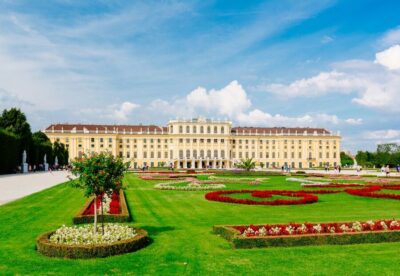
Schönbrunn Palace & Garden Skip-the-Line Guided Tour
Read our review →
Skip-the-Line Schonbrunn Palace Guided Tour and Vienna Historical City Tour
Read our review →Browse the lists this tour appears in