
Reviewed · VIENNA STRAUSS CONCERTS
Vienna: Johann Strauss 200th birthday anniversary exhibition
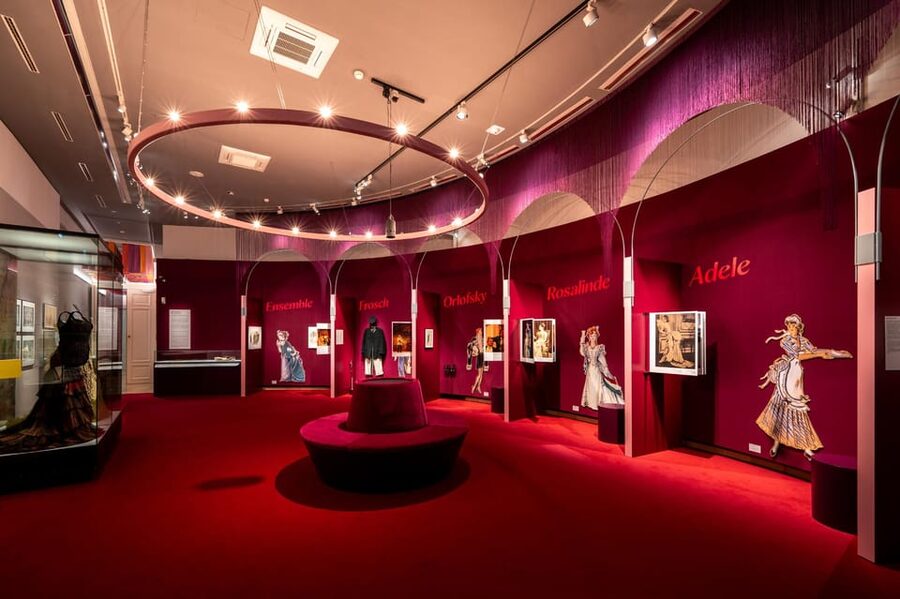
Johann Strauss’ music is so closely tied to Vienna that a visit to this 200th birthday exhibition feels like meeting the city through its most famous soundtrack. Inside Palais Lobkowitz, the Theatermuseum and Vienna Library in City Hall trace his work, family life, marriages, love affairs, and remarkable reach from Vienna to Boston.
I like two things here: the original Die Fledermaus score gives the exhibition a real connection to Strauss’ creative work, and the music examples keep the presentation from becoming a silent parade of old objects. The main thing to consider is that the music is not always synchronized with the films, which can make parts of the presentation feel less polished.
Key points
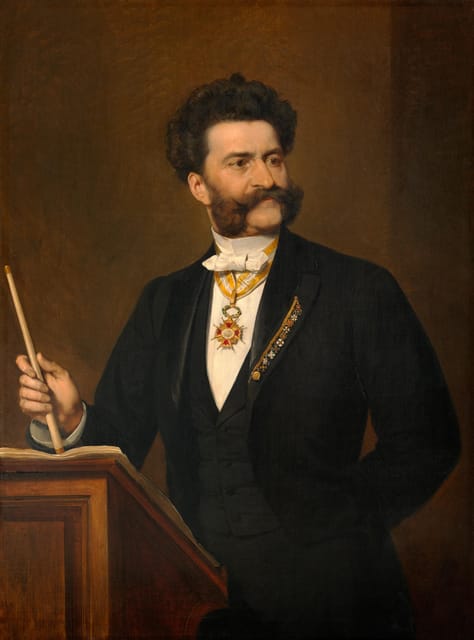
- Original Die Fledermaus score: See one of the exhibition’s most important objects, tied directly to Strauss’ music theater.
- Palais Lobkowitz setting: The Theatermuseum occupies a historic palace in central Vienna.
- Strauss beyond the waltz: Explore dance music, concert works, operettas, and the composer’s international career.
- A family and personal story: Learn about his parents, brothers, three wives, and love affairs in Russia.
- Music and film presentation: Enjoy music examples, while keeping in mind that the sound and film are not always synchronized.
- Flexible one-day ticket: Admission costs $18 per person, with free cancellation up to 24 hours before the visit.
Entering Palais Lobkowitz and the Strauss anniversary show
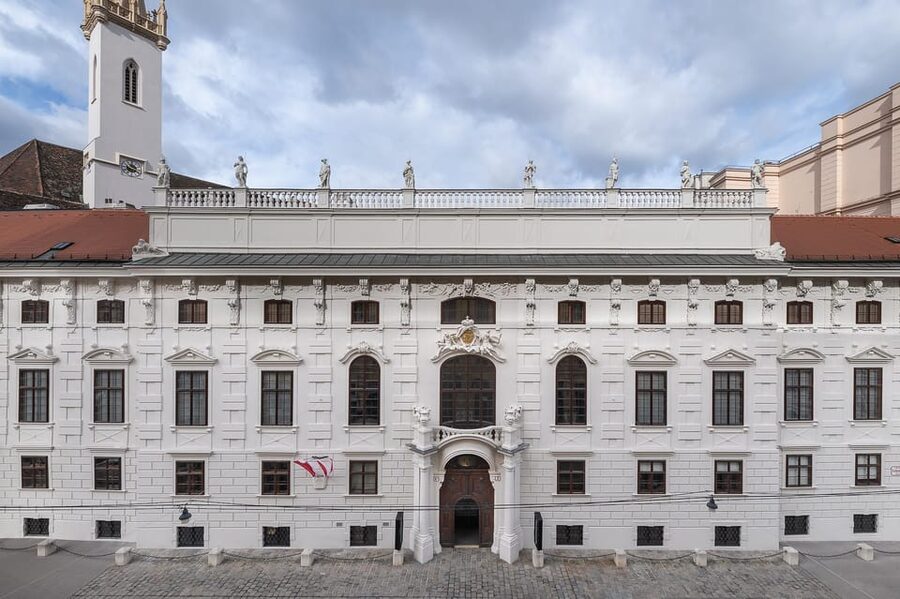
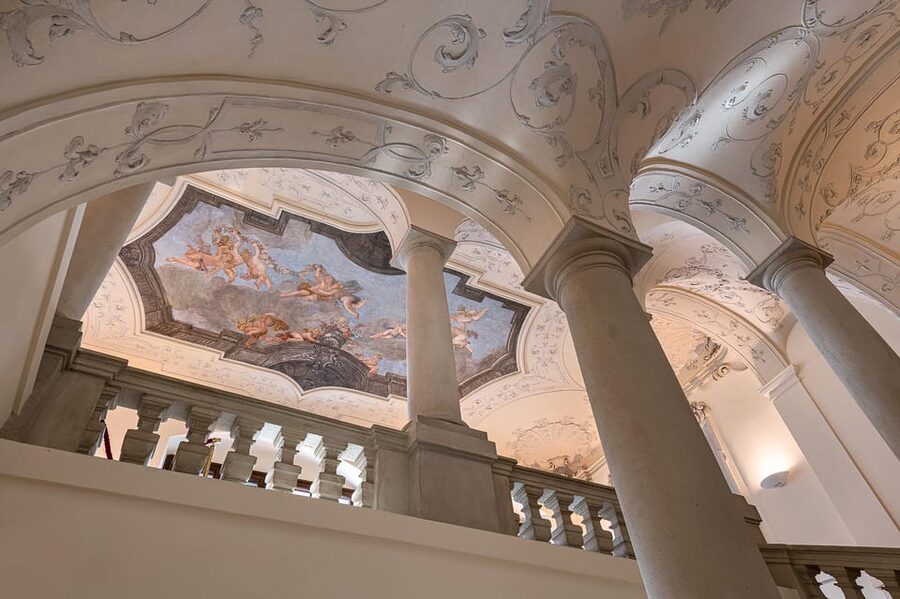
The exhibition takes place at the Theatermuseum in Palais Lobkowitz, a fitting address for a composer whose work was made for grand rooms, public celebrations, and the social life of Vienna. The palace setting gives the visit more weight than a simple display in a modern gallery. You are seeing Strauss material in a building connected to Vienna’s long theater tradition.
The ticket includes admission to the Theatermuseum and the Johann Strauss anniversary exhibition. You do not need to buy a separate museum ticket for this show, though an audio guide is not included.
The visit is valid for one day. Since starting times can vary, check the available time before you book. This is useful if you are fitting the exhibition around a concert, museum visit, or walk through central Vienna.
At $18 per person, the price is reasonable if you have an interest in music, theater, or Vienna’s cultural story. It is less compelling if you only want a quick look at one Strauss object. The value comes from the combination of the temporary exhibition and the broader Theatermuseum admission.
More Strauss and waltz evenings:
- Vienna: Mozart and Strauss Concert at Schönbrunn
★ 4.5 · 2,364 reviews - Vienna: Johann Strauss Dinner Show at the Prater
★ 4.5 · 730 reviews - Strauss Dinner Show
★ 4.5 · 395 reviews
Seeing Strauss through original objects
The exhibition uses original objects from performances, along with items from Strauss’ written legacy. These materials help move the story beyond familiar images of the Waltz King conducting elegant dances.
You can expect to see evidence of Strauss’ artistic production, including his dance music, concert music, and music theater works. That range matters. Strauss is often reduced to the Blue Danube and the annual New Year’s concert, but his career covered much more than a handful of famous waltzes.
The displays also place his work in the historical and political setting of his time. The supplied information does not specify every object or gallery stop, so you should not expect a fixed room-by-room itinerary. Instead, think of the exhibition as a guided look at the different forces that shaped Strauss’ public career and private life.
For me, the original objects are most useful when they connect a name or event to a physical piece of evidence. A score, a performance item, or a written document can show how music moved from the composer’s desk to the stage and then out into the world.
The original score of Die Fledermaus
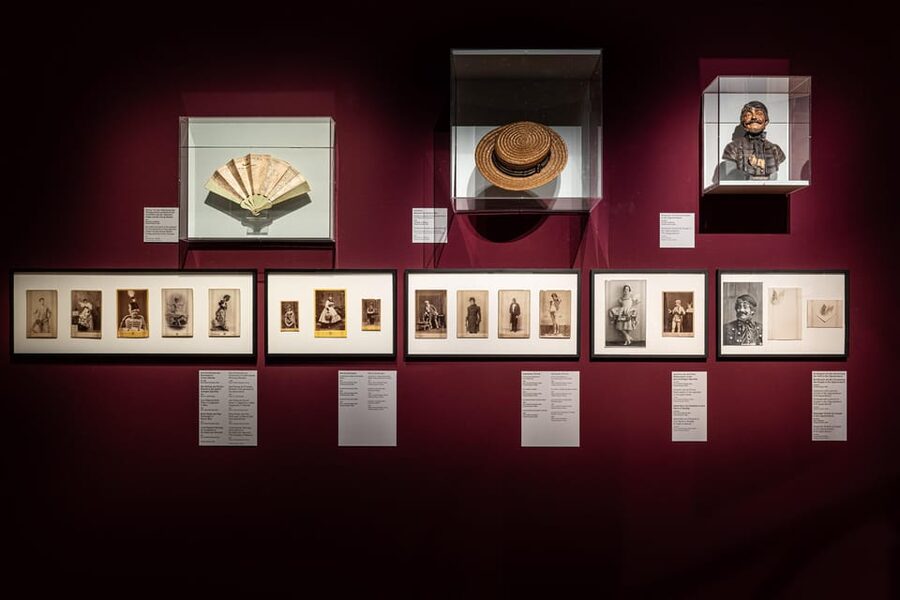
The original score of Die Fledermaus is a central reason to visit. This operetta remains one of Strauss’ best-known music theater works, and seeing the original score brings you close to the practical side of composition.
A score is not just a decorative old manuscript. It is the working plan for a performance, with the music set down for singers and instrumentalists. In an exhibition about Strauss, this kind of object helps you picture the composer as a working artist rather than only as a symbolic figure from Vienna’s past.
You may not be able to read every musical mark, but the score still has value. Its presence shows the scale of Strauss’ work and the care behind music that can sound effortless when performed.
If Die Fledermaus is the work that first brought you to the exhibition, allow time for the surrounding material. The show is not built around one score alone. It uses the score as part of a larger story about Strauss’ theater works, concert music, and public reputation.
Hearing the music instead of only reading about it
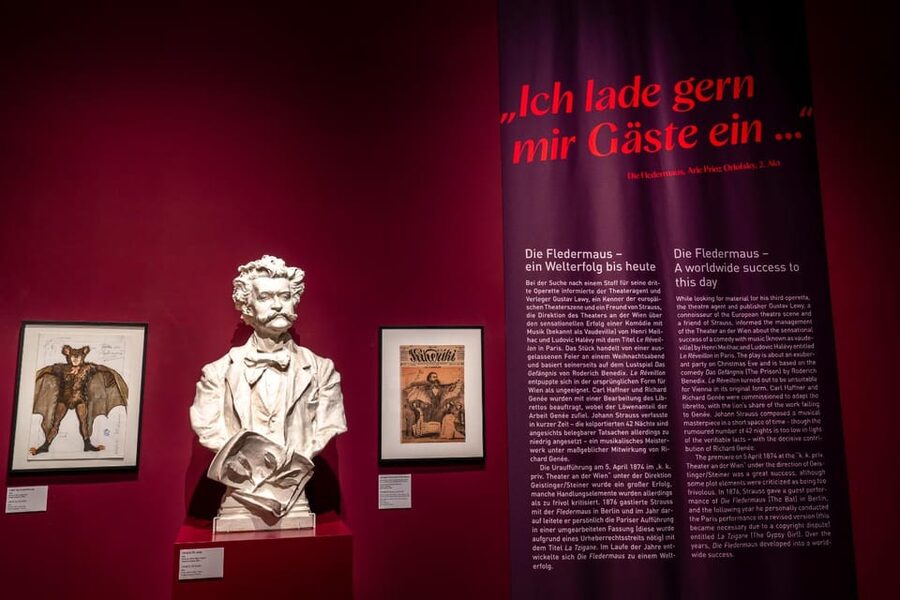
A strong feature of the presentation is its use of music examples. Strauss’ work depends on rhythm, movement, and sound, so a purely visual exhibition would miss an important part of the story.
The music helps you connect the displayed material with the experience Strauss intended. A written reference to dance music can feel remote. Hearing an example makes the subject more immediate and gives you a better sense of why his work traveled so well beyond Vienna.
The language used in the presentation is clear, which helps if you want useful background without a heavy academic approach. You can follow the main story even if you are not a serious classical music expert.
There is one technical weakness. The music is not always synchronized with the films. When the image and sound fall out of step, the effect can be distracting. This does not erase the value of the examples, but it is worth knowing if you expect a polished multimedia show.
More museums and galleries in Vienna:
- Vienna: Skip-the-Line Sisi Museum, Hofburg and Gardens Tour
★ 4.8 · 5,918 reviews - Vienna Kunsthistorisches Museum Day Admission Ticket
★ 4.6 · 3,690 reviews - Tickets for the Albertina Exhibitions
★ 4.7 · 2,126 reviews - Sigmund Freud Museum Ticket
★ 4.6 · 1,668 reviews
Following Strauss from Vienna to Boston
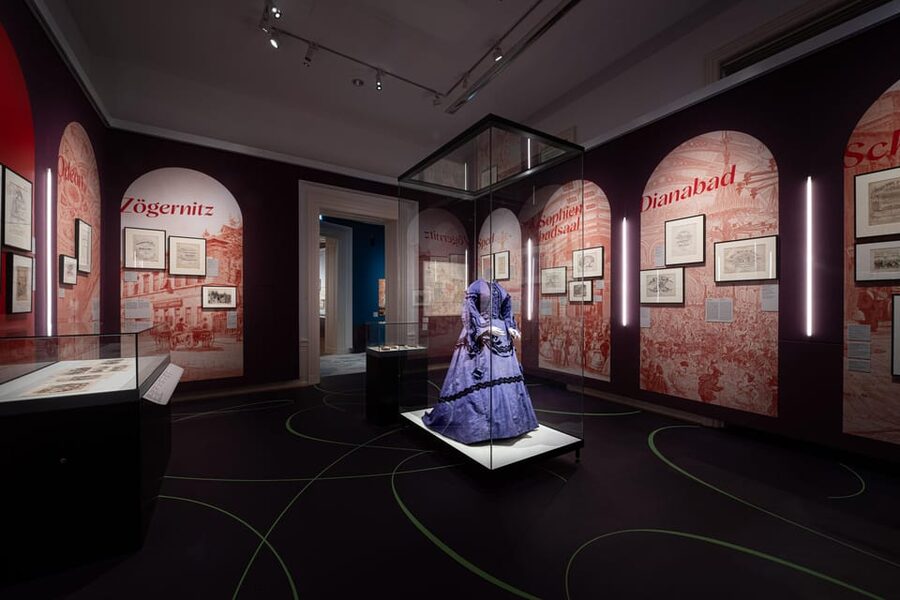
The exhibition follows Strauss’ international reach, including his world tour to Boston. This is one of the more interesting parts of the story because it shows that Strauss was not simply a local Viennese favorite.
His music became a global sensation, and the Boston material gives that idea a specific destination. You can see how the Strauss name traveled across the Atlantic and how Vienna’s musical identity became part of a wider international culture.
This section should appeal even if you are less interested in the details of music theory. It connects the composer to travel, performance, and public demand. Strauss’ career was shaped not only by what he wrote, but also by where audiences wanted to hear it.
The Boston connection also gives the exhibition a wider frame. You are not looking only at a composer from the past. You are looking at an early example of a European cultural figure whose work crossed borders and became recognizable far from its birthplace.
The private life behind the public image
The exhibition does not present Strauss as a purely polished public figure. It examines his relationships with his parents and brothers, as well as his three wives and love affairs in Russia.
That personal material adds useful tension to the familiar image of the Waltz King. Public success and private life rarely follow the same smooth rhythm, and the exhibition presents Strauss as a person with complicated family and romantic relationships.
The information provided describes his life as demanding and strenuous. That detail is important because Strauss’ fame can make his career look effortless. The exhibition instead points to the work, pressure, and personal relationships behind the public performances.
You should not expect a gossip-focused attraction. The personal story supports the larger account of Strauss’ development and career. It explains the people around him and gives context to the man behind the music.
Dance music, concert works, and theater
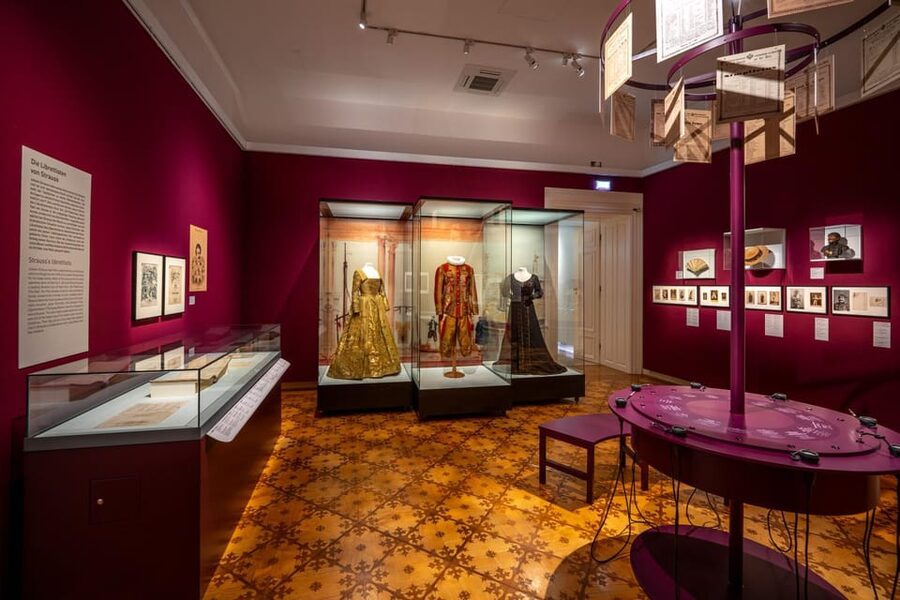
The Theatermuseum display focuses on three broad areas: Strauss’ dance music, concert music, and music theater. Each area shows a different side of his career.
His dance music is the easiest entry point for most people. Vienna’s waltz tradition is closely tied to his name, and hearing or seeing material connected to that tradition will likely feel familiar.
The concert music widens the picture. Strauss was not only writing music for people to dance to. His works also belonged in formal listening settings, where audiences came to hear the music as a performance in its own right.
The music theater works bring together score, stage, and story. The inclusion of Die Fledermaus gives this part of the exhibition a clear focal point, while the performance objects help show how music became theater.
I like this three-part approach because it avoids treating Strauss as a one-style composer. If you already know his waltzes, the theater and concert sections may give you the most to think about. If Strauss is new to you, the familiar dance music provides an easy starting point.
What the exhibition says about Vienna
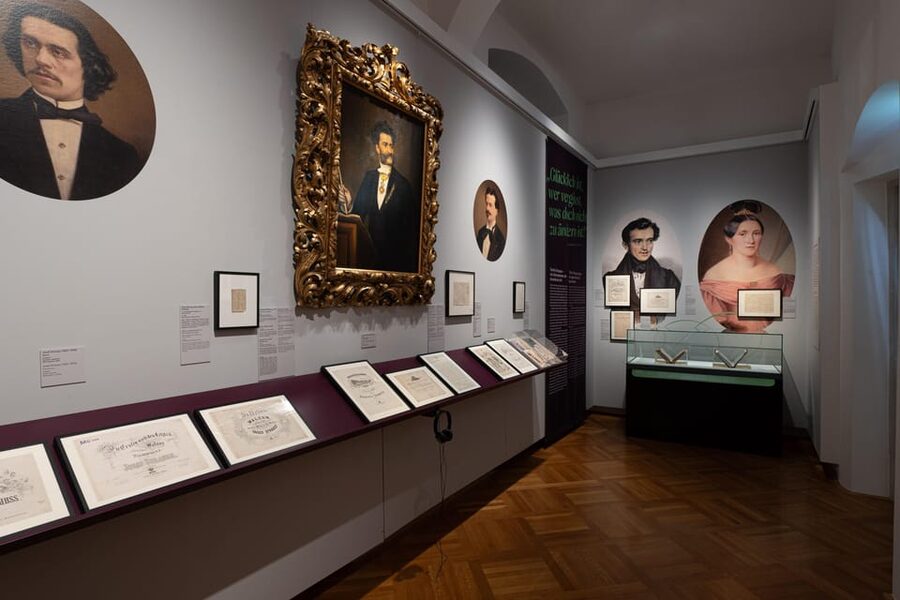
This experience is also a way to understand Vienna. Strauss did not simply write music that happened to be popular in the city. His work became part of how Vienna presented itself to the world.
The exhibition shows how the city’s musical life, theaters, public performances, and social culture helped make Strauss famous. At the same time, Strauss helped turn Vienna into a musical destination for audiences far beyond Austria.
That two-way relationship is the exhibition’s larger theme. Vienna shaped Strauss, and Strauss shaped the image of Vienna. The music still appears in the city’s public identity, so the anniversary show connects the past with a tradition that remains visible today.
You will get the most from the visit if you listen for that connection. Do not see the exhibition only as a biography. Think of it as a story about a composer and a city building each other’s fame.
How much time to allow
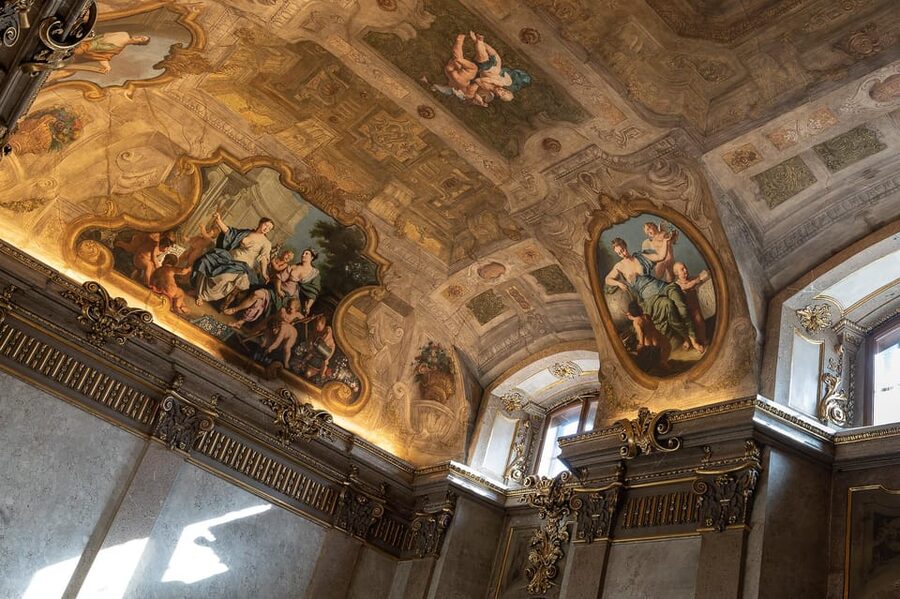
The ticket is valid for one day, but the supplied information does not give a required visit length. That flexibility is helpful. You can plan the exhibition as a focused museum stop or give it a larger part of your day.
The show includes objects, written material, performance exhibits, films, and music examples. The number of sections and the exact amount of time you need will depend on how closely you read and listen.
If you mainly want to see the original Die Fledermaus score and sample the music, you might make a shorter visit. If you want to follow the family story, international tour, historical setting, and different branches of Strauss’ work, plan extra time.
I would avoid treating it as a rushed stop between two fixed appointments. The music examples and written displays work better when you pause long enough to connect them.
Who will get the most from this visit
This exhibition is a good fit for:
- People who enjoy Strauss, waltzes, or operetta
- Visitors interested in Vienna’s theater and concert traditions
- Anyone who wants a museum experience centered on original documents and performance objects
- Music lovers who prefer historical context along with listening examples
- Visitors looking for an indoor cultural stop in central Vienna
You do not need to be an expert in classical music. The clear language and music examples make the subject approachable.
It may be less satisfying if you want a live concert, a guided tour with a named expert, or a large-scale performance. This is a museum exhibition, not a concert event. An audio guide is also not included, so you will rely on the exhibition’s own presentation and displays.
The experience is wheelchair accessible, which makes it a practical option for visitors who need an accessible museum setting.
Booking, cancellation, and overall value
The cost is $18 per person. Since that includes both the Theatermuseum and the Johann Strauss anniversary exhibition, the price makes more sense than it would for a small single-room display.
You can reserve now and pay later, which keeps your plans flexible. Free cancellation is available up to 24 hours in advance for a full refund. The ticket is valid for one day, and you should check the available starting times before choosing your date.
The main value is in the quality of the subject matter: an original Die Fledermaus score, performance objects, written material, international career details, and music examples. The drawback is the limited information about the exact layout and the imperfect synchronization between some films and music.
The exhibition is presented by the Kunsthistorisches Museum. That provides a strong museum setting, but you should still approach it as a temporary anniversary show rather than a full biography covering every detail of Strauss’ life.
Should you book the Johann Strauss exhibition?
Book it if you want to understand why Johann Strauss became one of Vienna’s defining cultural figures. The original Die Fledermaus score, the personal story, the Boston connection, and the music examples give you more than a display of famous melodies.
I would especially recommend it if you are already planning a visit to the Theatermuseum or want a quieter cultural stop away from Vienna’s big concert halls. The $18 price is fair because it includes museum admission as well as the exhibition.
Skip it if you want a live performance or if you have only a few minutes for a quick photo stop. The film and music synchronization can also be irritating, but it is a technical flaw rather than a reason to dismiss the show. For anyone curious about Strauss and Vienna’s musical identity, this is a useful and focused visit.
FAQ
Where does the Johann Strauss anniversary exhibition take place?
It takes place at the Theatermuseum in Palais Lobkowitz in Vienna, Austria.
What does the ticket include?
The ticket includes admission to the Theatermuseum in Palais Lobkowitz and a visit to the Johann Strauss anniversary exhibition.
How much does admission cost?
Admission costs $18 per person.
How long is the ticket valid?
The ticket is valid for one day.
Do I need to check a starting time?
Yes. You should check availability to see the starting times offered for your visit.
Is an audio guide included?
No. An audio guide is not included in the ticket.
Can I see the original score of Die Fledermaus?
Yes. The exhibition includes the original score of Johann Strauss’ Die Fledermaus.
Does the exhibition cover Strauss’ trip to Boston?
Yes. The exhibition follows Strauss’ world tour to Boston.
Is the experience wheelchair accessible?
Yes. The activity is wheelchair accessible.
Can I cancel my booking for a refund?
Yes. You can cancel up to 24 hours in advance for a full refund.
Just reviewed in Vienna
- World War II History Vienna Old Town Private Walking Tour★ 4.8 · 9 reviews
- Vienna: Wine Tasting E-Bike Tour★ 4.9 · 46 reviews
- Vienna: Winery and Wine Tasting Tour with a Wine Expert★ 5.0 · 5 reviews
- Vienna: Unforgettable Private City Tour★ 5.0 · 7 reviews
- Vienna Urban Art Tour: Explore a different side of Vienna!★ 3.8 · 14 reviews
- Vienna: Concert by the Vienna Baroque Orchestra★ 4.6 · 56 reviews
- Vienna: Sunday Brunch Danube Cruise & Live Music★ 4.2 · 42 reviews
- Vienna Supreme Orchestra at Palais Niederösterreich★ 4.8 · 10 reviews
Vienna Strauss Concerts, compared.
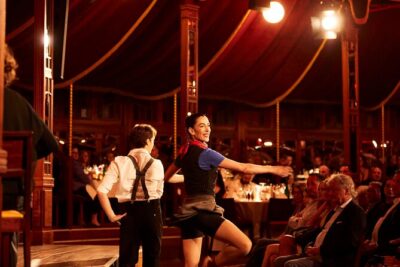
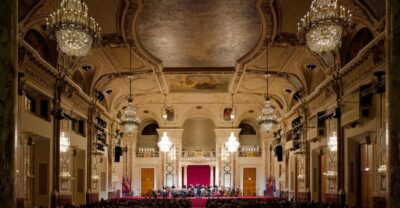
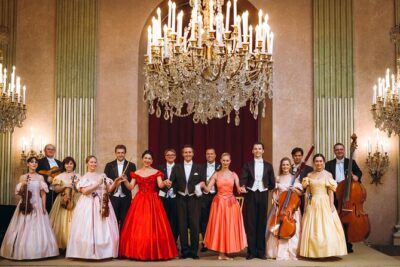
Vienna Residence Orchestra: Mozart and Strauss Concert
Read our review →
Vienna Classical Concert – Strauss in Historic 1837 Hall
Read our review →
Browse the lists this tour appears in