
Reviewed · VIENNA COFFEE HOUSE AND CAKE TOURS
Vienna: Guided Viennese Coffee-House Tour
Vienna’s coffeehouses are not simply places to grab caffeine. They are places to linger, read, talk, and watch the city go by. This three-hour tour takes you into that old Viennese habit, with stops that may include Prückel, Hawelka, Demel, and Coultur, plus three coffee tastings and a piece of strudel.
I like the relaxed pace and the small group, limited to eight people. I also like that the tour goes beyond ordering a Melange and taking a quick photo. You hear how coffee is prepared, learn the differences between Viennese specialties, and may see baristas create latte art up close.
The main consideration is the walking and moving between venues. The tour is listed as wheelchair accessible, but it is not recommended for people with limited mobility. Bring no large luggage, and be ready for a rain-or-shine outing.
Key points to know before booking
- Four distinct coffeehouse settings: The route may include Prückel, Hawelka, Demel, and Coultur, giving you a look at both classic and more modern café styles.
- Three coffee specialties included: Tastings can include Viennese favorites such as Melange and Einspänner, with different preparation styles at each stop.
- A guide makes the difference: Lilit and Tina have both led highly praised tours, using stories, humor, and practical answers rather than a dry lecture.
- A proper café snack is included: You receive one piece of strudel, along with water and sweet candies or bonbons.
- Small group, three hours: Eight people or fewer gives you a better chance to ask questions and follow the conversation inside busy cafés.
- Simple meeting point: Arrive five minutes early and look for the GTOUR-Guide waiting in front of the coffeehouse.
Why Vienna’s coffeehouses are worth three hours
Vienna’s coffeehouse culture reaches back to the 17th century. The important point for you is not just the age of the tradition. It is the idea behind it: a coffeehouse is a social room where you can sit for a while with a drink, a newspaper, a pastry, or a good conversation.
That habit gives the café a different feel from a quick coffee counter. You are not simply being served a drink and moved along. The surroundings, the table service, the style of the cup, and the pastry all form part of the experience.
This tour gives that custom some structure. Instead of trying to decode a long menu on your own, you can taste several styles while a guide explains what makes them different. For a first visit to Vienna, that is useful. You leave with a better idea of what to order when you return to a café on your own.
The three-hour length may look long if you are thinking of this as a simple tasting. It makes more sense if you see it as a walking and sitting tour. You spend time in the coffeehouses, not just outside them, and the slower pace lets you notice the room and the rituals around the drink.
More coffee house and cake stops:
- Vienna for Food Lovers: Cafés, Markets & Austrian Cuisine
★ 5.0 · 1,063 reviews - Vienna: Hard Rock Cafe with Set Menu for Lunch or Dinner
★ 4.5 · 643 reviews - Vienna Coffee, Cake & Pastries Tour with Local Stories
★ 5.0 · 470 reviews
Starting at the first coffeehouse
You meet the guide in front of the designated coffeehouse. Arrive five minutes early and look for the person holding the GTOUR-Guide sign or identification. Hotel pickup and drop-off are not included, so you need to make your own way to the meeting point.
The exact starting time depends on availability when you book. The tour is offered in English or German, and the small group format should make it easier to hear the guide and ask questions.
At the first stop, expect an introduction to the basic customs of a Viennese coffeehouse. Your guide explains the role these cafés have played in city life and gives you a framework for understanding the stops that follow.
This opening matters because the coffee names can be confusing. A Melange is rich and creamy, while an Einspänner is a different experience with its own traditional presentation. The tour includes three Viennese coffee specialties, so you can compare rather than rely on a single cup.
Water is included, which is a practical touch during a tasting. Sweet candies or bonbons are also provided, adding a small treat between coffeehouse visits.
Prückel, Hawelka, Demel, and Coultur
The route is described as visiting several well-known coffeehouses, and the experience has included Prückel, Hawelka, Demel, and Coultur. Each brings a different character to the tour.
Prückel is associated with a classic Viennese café setting, the sort of place where the room is part of the attraction. Hawelka is another traditional name, tied to the old coffeehouse habit of staying awhile rather than rushing through a drink.
Demel adds a famous pastry stop to the mix. Its presence makes sense on a tour that includes strudel and coffeehouse sweets, since Viennese café culture is as much about the food beside the cup as the drink itself.
Coultur gives the route a more modern contrast. The tour is not limited to one type of café. You see how the old customs continue in different surroundings, including places with a newer approach to coffee.
The precise order can vary, and the included information does not promise that every departure uses exactly the same sequence. Think of these names as examples of the coffeehouses you may visit rather than a guaranteed minute-by-minute route.
That variety is one of the tour’s strengths. One ornate or historic room can make the next café feel different, even when both serve familiar drinks. You also get a clearer sense of why Vienna’s coffeehouse tradition is not one single style.
Tasting Melange, Einspänner, and modern coffee
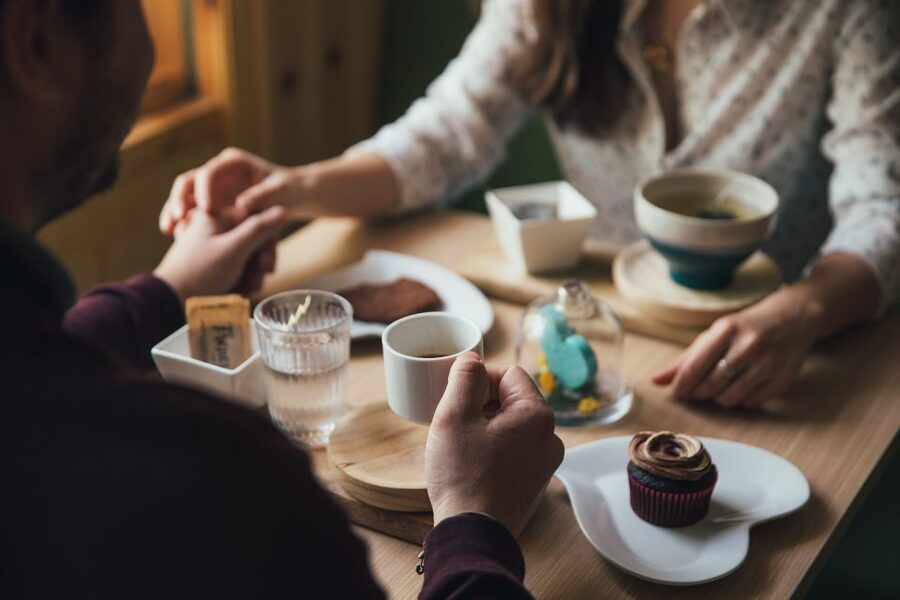
The coffee tasting is the heart of the activity. You receive three Viennese coffee specialties, and the guide explains the preparation and serving choices that set them apart.
A Melange is a natural starting point for many people. Its creamy character makes it approachable, but the tour puts it in a wider context rather than treating it as the only classic choice.
An Einspänner offers a different balance and presentation. Trying both helps you understand that ordering coffee in Vienna is not simply a choice between small, medium, and large. The name of the drink tells you something about what will arrive at the table.
The tour also covers roasting and brewing. You learn how the beans are handled and how the coffeehouse prepares each drink. This is not a professional barista course, so you should not expect hands-on training or a detailed technical workshop. It is a guided introduction, suited to curious coffee drinkers.
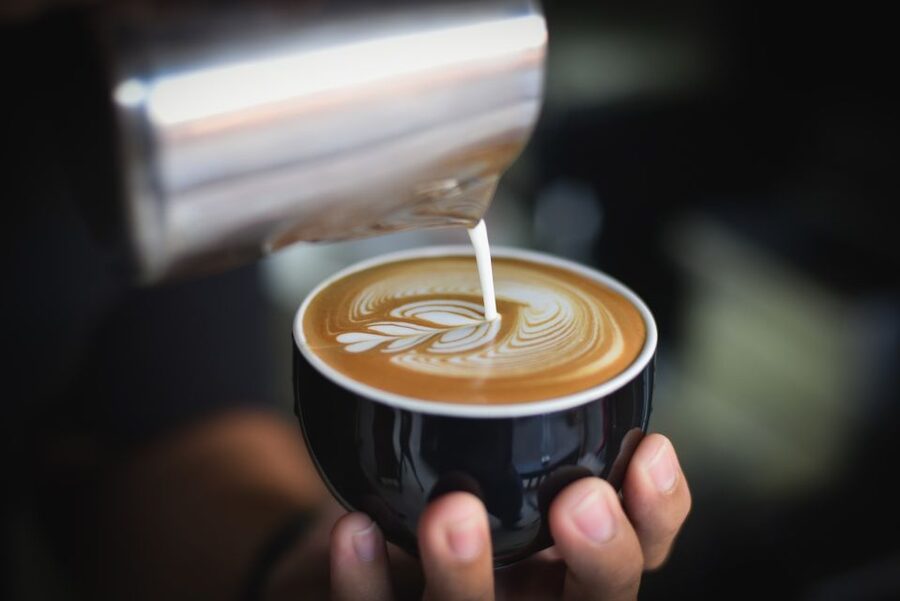
At one point, you may watch a barista make latte art. This is a lively visual part of the tour, especially if you enjoy seeing the craft behind the cup. It also gives the experience a link between Vienna’s older café customs and present-day coffee culture.
The tasting is not designed only for coffee experts. The guide can help you understand unfamiliar names and serving styles, making it friendly for someone who normally orders a basic coffee. At the same time, someone already interested in coffee gets useful comparisons between drinks and methods.
A different sort of day out in Vienna:
- Vienna: Vivaldi’s Four Seasons Concert in Karlskirche
★ 4.7 · 14,951 reviews - Vienna: Skip-the-cashier-desk-line Giant Ferris Wheel Ride
★ 4.5 · 7,859 reviews - Vienna: Schönbrunn Palace & Gardens Skip-the-Line Tour
★ 4.7 · 7,739 reviews - Vienna: Light of Creation Votive Church Immersive Light Show
★ 4.8 · 6,779 reviews
Strudel, sweets, and the café table
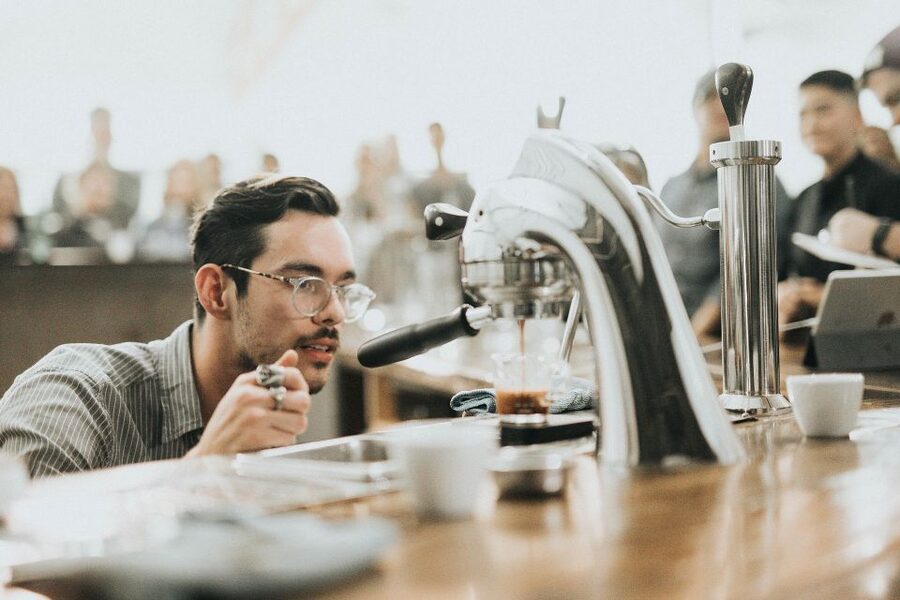
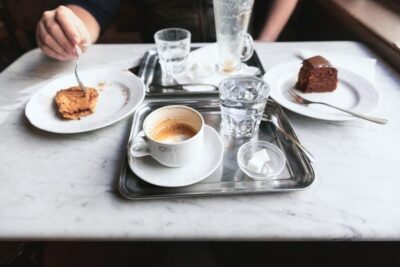
One piece of strudel is included. That may sound modest, but it is enough to show why pastries matter so much in the Viennese café tradition without turning the tour into a full meal.
You can think of the strudel as part of the lesson. Coffeehouse food is not an afterthought. The sweetness and texture of a pastry change how the coffee tastes, and the pause gives you time to enjoy the room instead of treating each stop as a quick sample.
Water and sweet candies or bonbons are included as well. Since you taste three coffees over three hours, having water available is useful. The tour does not promise a full lunch, so plan another meal if you need something substantial afterward.
The included food is best viewed as a café accompaniment, not a replacement for breakfast or lunch. That distinction helps you judge the $84 price fairly.
The guides: stories matter more than a script
The guide is one of the most important parts of this experience. A coffeehouse tour can easily become a list of dates, drink names, and famous buildings. The stronger version feels like a conversation with someone who can explain why the customs matter.
Lilit has led the tour with humor, warmth, and a good supply of anecdotes. Her approach is described as informative without becoming stiff or school-like. That matters in a setting where you are sitting with a coffee and trying to enjoy yourself.
Tina has also guided the tour, answering questions and adapting to what the group wants to know. If you are curious about preparation, café history, or local ordering customs, a small group gives you a better chance to ask.
Guide availability is not guaranteed, so you should not book expecting a specific person. Still, Lilit and Tina are useful names to know because they show the kind of hosting this tour aims for: personal, humorous, and attentive.
The best part of a guide-led café visit is often the small explanation you would not find on a menu. You may learn why a drink is served in a certain way, how different cafés developed their own character, or why sitting for a long time is part of the tradition.
How the three-hour pace feels
Three hours is enough time to visit several venues without forcing you through them at top speed. The tour includes walking between coffeehouses, sitting down, listening, tasting, and moving on.
One useful detail is that the time is not spent entirely on the street. You have time inside the cafés, which makes the length feel less demanding than a three-hour walking tour with no proper pause.
Still, this is not a completely stationary activity. You need to move between stops, and the provider specifically says it is not recommended for people with limited mobility. The listing also describes it as wheelchair accessible, so there is a practical distinction here: accessibility may be possible, but the amount of walking and movement may still make it unsuitable for some people.
If mobility is a concern, contact GTOUR before booking to confirm the route and venue access for your date. That is especially important because the route can involve more than one coffeehouse.
The tour runs rain or shine. Carry suitable weather protection, but do not bring large bags or luggage. The restriction is sensible in compact cafés, where bulky belongings can make seating awkward.
Is $84 a fair price?
At $84 per person, this is not the cheapest way to drink coffee in Vienna. You could order three coffees and a pastry for much less if you planned the route yourself.
The price pays for more than the drinks. It includes a personal guide for three hours, access to a planned sequence of coffeehouses, explanations of the culture, three specialties, strudel, water, and sweets. The small group, limited to eight, also adds value because the guide can respond to questions instead of delivering a speech to a large crowd.
I see the tour as good value for a first-time visitor who wants context and structure. You avoid spending part of your day wondering which café to choose, what to order, or how the cafés differ.
It is less compelling for someone who already knows Vienna’s coffeehouses and prefers to sit alone with a book. That person may get more from choosing one or two cafés independently and spending the full afternoon there.
The value also depends on your interest in coffee culture. If you enjoy food history, café interiors, and local customs, the explanations add real substance. If you only want a strong cup of coffee, the $84 cost may feel high.
Who should book this coffeehouse tour?
I would recommend it to first-time Vienna visitors, coffee fans, and people who like a gentle cultural activity with food built in. It also suits solo travelers and couples who want a small group rather than a large city tour.
The tour is a good fit if you enjoy asking questions. The guide speaks English or German, and the group size makes conversation more practical.
It may not suit you if you have limited mobility, dislike moving between several venues, or want a full meal. The tour is also not the best choice if your schedule is so tight that three hours feels like too much time for coffee and pastry.
Book with the weather in mind. Since the tour operates rain or shine, a wet day will not cancel the experience, but it may make the walks between cafés less pleasant.
Cancellation is flexible up to 24 hours before the activity for a full refund, and you can reserve now and pay later. The provided information also lists a 2G requirement, meaning vaccinated or recovered participants only, due to COVID-19 regulations. Because that rule may change, check the current conditions before booking.
My verdict: a thoughtful introduction to Vienna’s café life
This is a strong choice when you want to understand Vienna through a daily ritual rather than race between major sights. The combination of historic cafés, three coffee specialties, strudel, and a guide who can tell a good story gives the tour a clear purpose.
I especially like the chance to compare Prückel, Hawelka, Demel, and Coultur instead of treating all coffeehouses as interchangeable. The small group and guides such as Lilit and Tina also make the experience feel more personal.
Book it if you want an organized introduction and enjoy sitting down to learn as you taste. Skip it if you would rather explore at your own pace, already know the city’s café scene, or need a fully stationary activity.
FAQ
How long does the Viennese coffeehouse tour last?
The tour lasts three hours, including time spent walking between coffeehouses, sitting inside, hearing explanations, and tasting coffee and sweets.
How many coffee specialties are included?
Three Viennese coffee specialties are included. Examples named for the tour include Melange and Einspänner.
Is strudel included?
Yes. The tour includes one piece of strudel, along with water and sweet candies or bonbons.
What languages does the guide speak?
The live guide speaks English or German.
How large is the group?
The tour is limited to eight participants.
Is the tour suitable for people with limited mobility?
The activity is listed as wheelchair accessible, but it is not recommended for people with mobility impairments. The route includes moving between coffeehouses, so check with GTOUR before booking if you have specific access needs.
What happens if it rains?
The tour takes place rain or shine. Bring suitable weather protection, and do not bring luggage or large bags.
Just reviewed in Vienna
- World War II History Vienna Old Town Private Walking Tour★ 4.8 · 9 reviews
- Vienna: Wine Tasting E-Bike Tour★ 4.9 · 46 reviews
- Vienna: Winery and Wine Tasting Tour with a Wine Expert★ 5.0 · 5 reviews
- Vienna: Unforgettable Private City Tour★ 5.0 · 7 reviews
- Vienna Urban Art Tour: Explore a different side of Vienna!★ 3.8 · 14 reviews
- Vienna: Concert by the Vienna Baroque Orchestra★ 4.6 · 56 reviews
- Vienna: Sunday Brunch Danube Cruise & Live Music★ 4.2 · 42 reviews
- Vienna Supreme Orchestra at Palais Niederösterreich★ 4.8 · 10 reviews
Vienna Coffee House and Cake Tours, compared.
Vienna for Food Lovers: Cafés, Markets & Austrian Cuisine
Read our review →
Vienna Coffee, Cake & Pastries Tour with Local Stories
Read our review →
Typical Austrian Food Tour with Coffee House Visit
Read our review →
Hard Rock Cafe Vienna with Set Menu for Lunch or Dinner
Read our review →
Vienna Eats: Private Foodie Walk with Coffee & Markets
Read our review →Browse the lists this tour appears in