
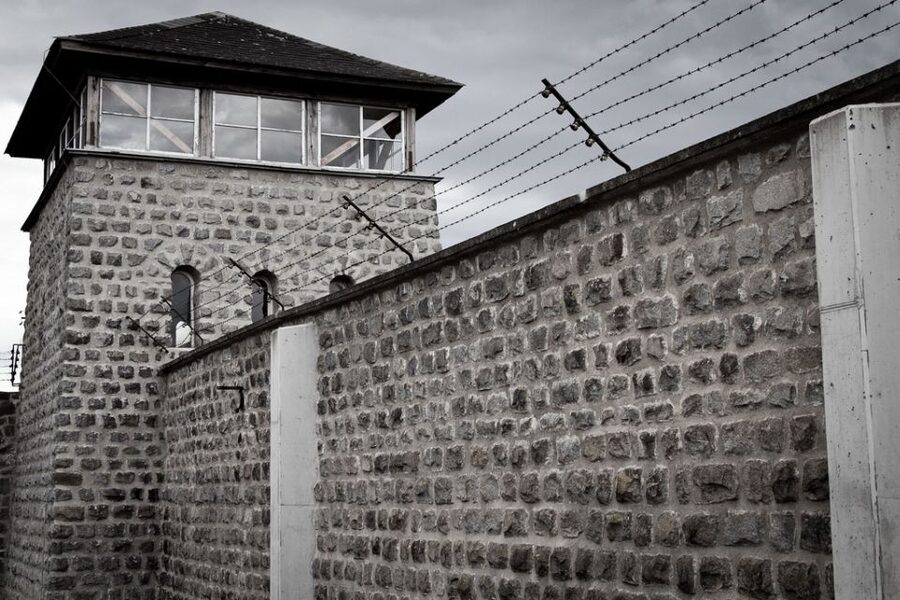
Reviewed · MAUTHAUSEN MEMORIAL DAY TRIPS FROM VIENNA
Vienna: Day Trip to Mauthausen Concentration Camp Memorial
Mauthausen is not a casual sightseeing stop. It is a preserved concentration camp memorial where the Stairs of Death, quarry, barracks, and execution areas force you to face the machinery of Nazi persecution in a quiet corner of Upper Austria. The long day from Vienna is worthwhile if you want serious historical context, not just a quick look at a memorial.
I like two things here. First, the guide begins the history lesson on the bus, so you arrive with a clearer sense of Austria under Nazi rule and Mauthausen’s place in the camp system. Second, the combination of an English-led visit and free time with an audio guide lets you learn with a group, then pause alone in the museum or Room of Names.
The main drawback is time. The excursion lasts 510 minutes, but roughly four hours are spent on the road, leaving about three hours and 40 minutes at the memorial. That is enough for the main visit, yet some people will want more time to read displays and process what they have seen.
Key points before you book

- A full day from central Vienna: Meet at Tourist-Info Wien, ride about two hours each way, and return to downtown Vienna near the State Opera House.
- A serious, adult-focused visit: The experience is not recommended for children aged 14 and younger because of the subject matter and graphic historical content.
- Strong historical briefing on the bus: The English-speaking tour leader explains Austria’s Nazi past before you enter the memorial.
- A mix of guided and independent time: See key locations with a guide, then use the museum, signs, and optional audio guide at your own pace.
- The quarry is part of the visit: You see the place where prisoners were forced into brutal labor, including the famous Stairs of Death.
- Good language support: Audio guides are available in English, Spanish, Czech, Dutch, French, German, Hebrew, Hungarian, Italian, Polish, Russian, and Turkish.
Why Mauthausen matters
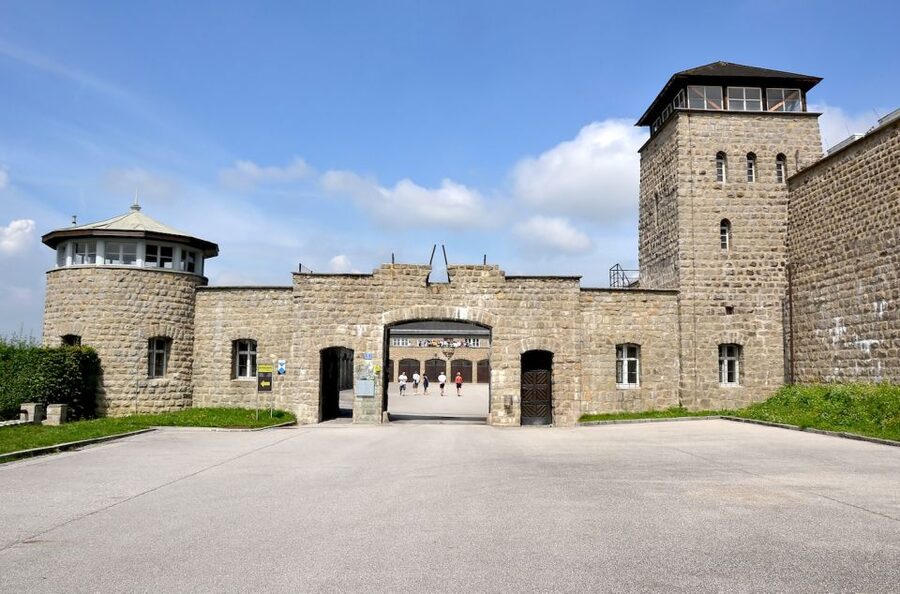
Mauthausen was one of the largest labor camp complexes in the Third Reich. From 1938 to 1945, about 190,000 people from across Europe were imprisoned here, and at least 90,000 died.
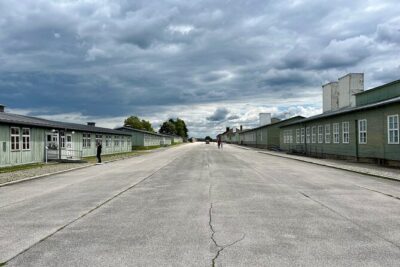
Those numbers can feel distant when read on a page. The memorial helps give them physical scale. You walk through the former prisoners’ area, see the roll call ground, look toward the quarry, and enter buildings connected to the camp’s system of imprisonment and killing.
The visit also deals with more than the actions of the SS. The guided discussion considers perpetrators, bystanders, the Austrian government of the period, and the wider public. That matters because the site is not presented as a sealed-off crime committed by a few unknown men. You are asked to think about how such a system operated around ordinary communities and how people responded to it.
This is a place for attention and quiet. You may find that the most useful part is not a dramatic story but a small detail in a display, a name in the Room of Names, or the view from the quarry toward the surrounding countryside.
More Mauthausen Memorial day trips:
- Mauthausen Concentration Camp Day Trip from Vienna
★ 5.0 · 271 reviews - Full-Day Private Trip from Vienna to Mauthausen Memorial
★ 4.8 · 10 reviews - Private Day Trip From Vienna To Mauthausen and Melk
★ 5.0 · 9 reviews
The two-hour ride from Vienna
The day begins at Tourist-Info Wien in central Vienna. Hotel pickup is not included, so you need to reach the meeting point yourself. The tour then heads west by coach through Lower Austria toward Mauthausen.
The ride takes about two hours in each direction. That is a significant part of the day, but the bus is not simply dead time. The English-speaking tour leader provides background on Vienna, Austria, and the Nazi period. Several guides have been praised for making the journey useful, including Clara, Fleming, Robert, Adam, and Ben on different departures.
The quality of the day depends heavily on this introduction. Mauthausen can be hard to understand if you arrive without context. A good briefing helps you see the camp as part of a larger political system rather than as an isolated historic site.
Past departures have also included documentaries or other preparatory material on the ride. You should not assume that every departure includes the same extras, but the stated program does include English commentary from the tour leader.
The coach journey is also practical. You avoid arranging separate trains, buses, and local connections to a memorial outside Vienna. That convenience is a major part of the price, particularly if you have only one day available for this visit.
Entering the Mauthausen Memorial
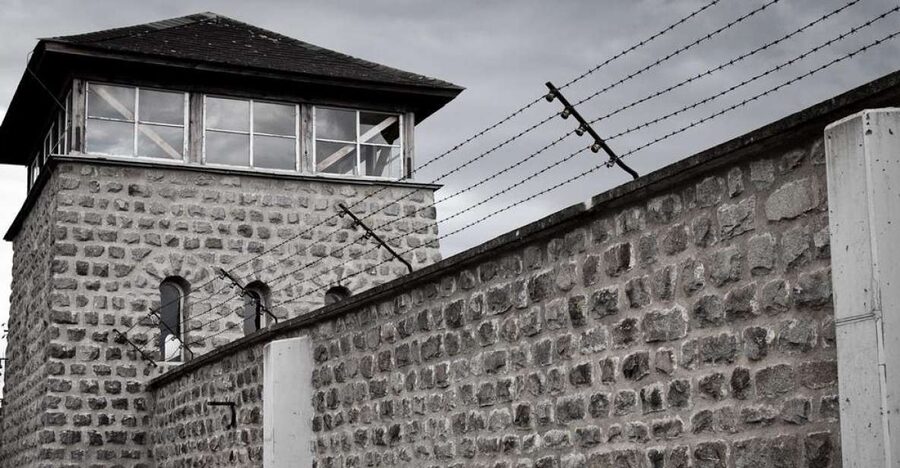
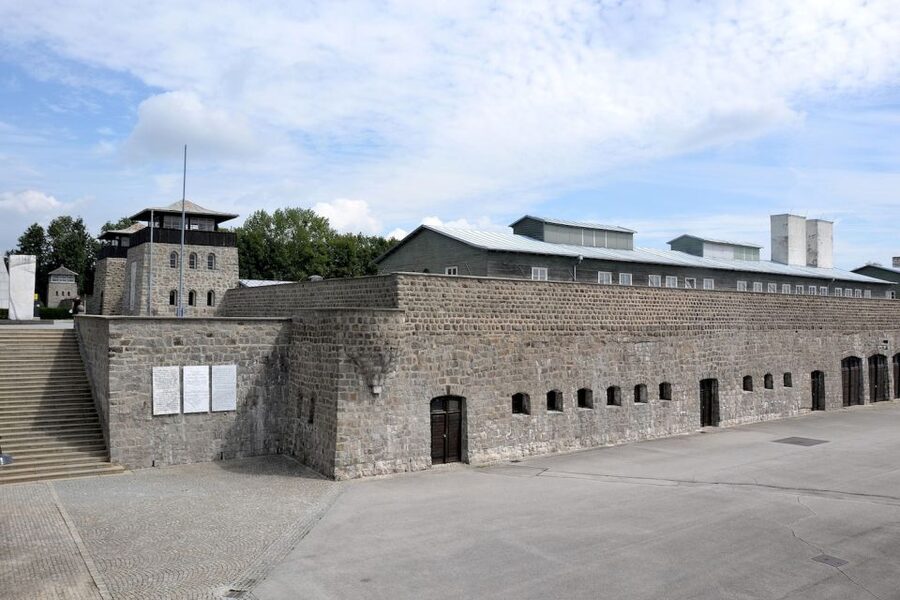
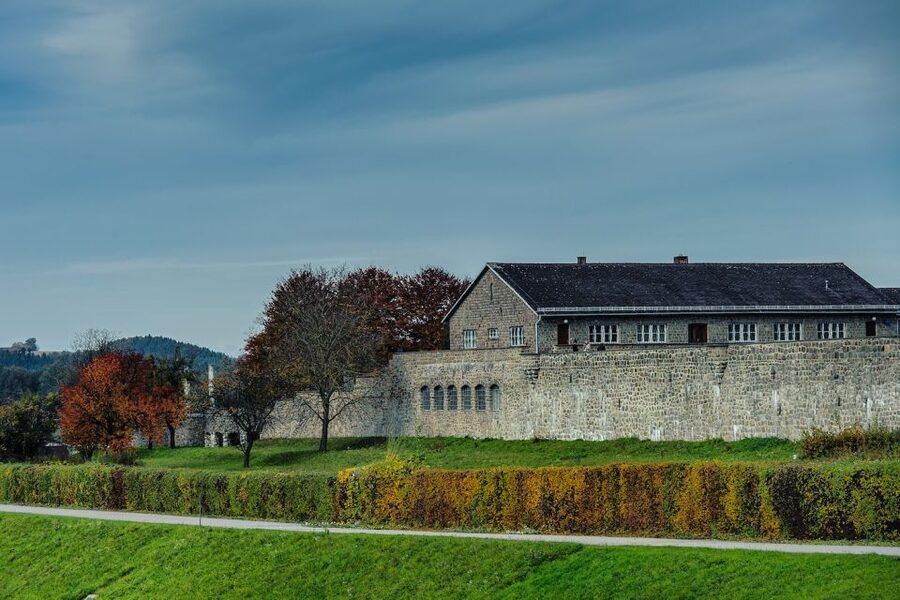
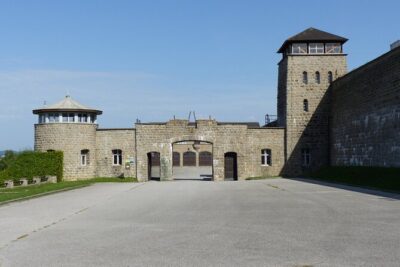
At the memorial, entrance and the English guided tour are included. The visit follows important parts of the former camp and SS area, including the roll call area, prisoners’ barracks, memorial park, and other preserved locations.
The guide’s job is not only to list dates. The best guiding here explains how the camp functioned and helps you connect buildings, routines, forced labor, and the treatment of prisoners. Some departures have had excellent English-speaking guides who used maps, photographs, or other materials at each stop. Others have been less polished, with a guide speaking too quickly or searching for the right English words.
That variation is worth knowing. The site itself remains powerful, but the pace and clarity of the live tour can affect how much you take in. If your guide moves quickly, listen carefully at each stop and use the independent time afterward to revisit areas that need more thought.
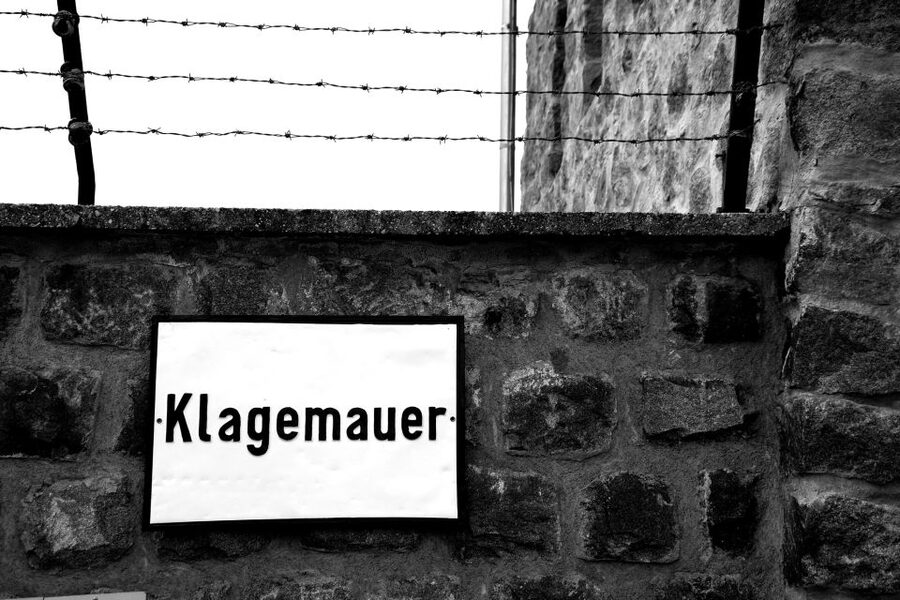
The camp is emotionally difficult. You may see the gas chamber, execution areas, cremation ovens, and other evidence of mass murder. The tour is designed to educate, not entertain, and the tone should remain respectful throughout.
The Stairs of Death and the quarry
The quarry is one of the most memorable parts of Mauthausen. Prisoners were forced to perform brutal labor there, and the steep staircase became infamous. The name Stairs of Death is not a theatrical label. It points to the deadly conditions prisoners faced while carrying heavy stone up the steps.
You should expect some walking and uneven outdoor surfaces. The memorial is wheelchair accessible, but the physical character of the quarry area may affect how comfortably you can see every part of it. If mobility is a concern, check current access details before booking and tell the tour provider what help you need.
The quarry also shows why a visit in person can add something that books and documentaries cannot. You can see the distance between the camp and the work area, the steepness of the route, and the scale of the labor site. The setting is quiet and open today, which can make the contrast with its past even more unsettling.
Allow yourself a moment here. You do not need to rush from one point to the next simply because the group is moving. The memorial is most useful when you have enough time to listen, look, and think.
A few more Vienna outings worth weighing up
- Vienna: Hallstatt & Alpine Peaks Day Trip with Skywalk Lift
★ 4.7 · 5,458 reviews - Danube Valley Day Trip from Vienna
★ 4.0 · 1,576 reviews - Hallstatt Guided Day Trip from Vienna With Boat Ride Option
★ 4.5 · 1,301 reviews - From Vienna: Full Day Trip to Hallstatt and Salzkammergut
★ 4.4 · 972 reviews
The museum and Room of Names
After the guided portion, you have time to explore the Mauthausen Museum. This is where an audio guide can be especially useful. You can stop the commentary, read the displays, and spend longer with subjects that matter most to you.
The Room of Names is one of the most moving areas of the museum. It brings individual identity into a place often described through enormous numbers. That shift from statistics to names can change the way you understand the scale of the camp’s crimes.
Do not rely only on the audio guide. Printed displays and signs add detail, and the pace of a self-guided visit lets you choose what to examine. If you use the English live tour, the audio guide is still useful for filling gaps or revisiting sections after the group leaves.
Audio guides are offered in 12 languages: English, Spanish, Czech, Dutch, French, German, Hebrew, Hungarian, Italian, Polish, Russian, and Turkish. This makes the visit more accessible for people who do not want to depend entirely on an English-language explanation.
How much time will you have?
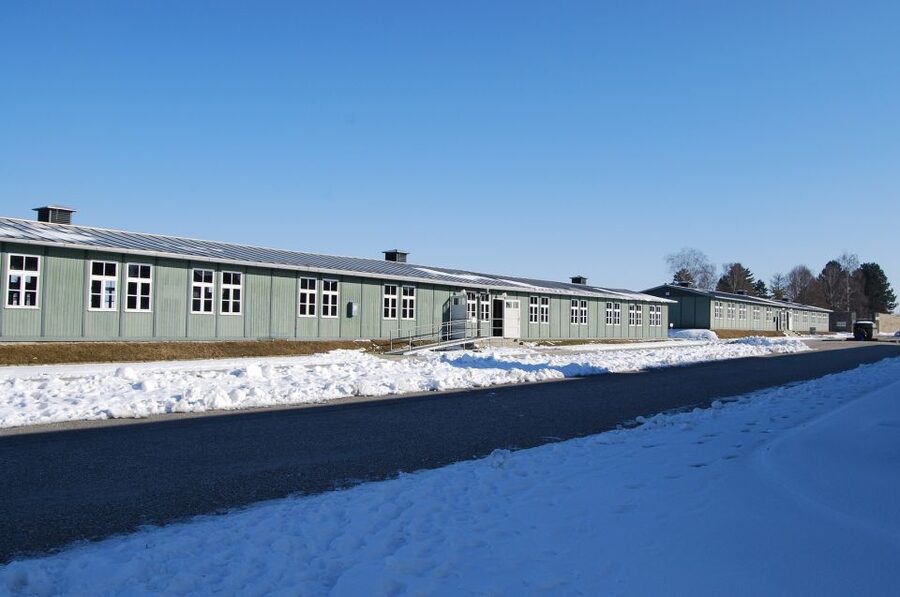
The scheduled stop at Mauthausen lasts about 3 hours and 40 minutes. That sounds generous, but it includes the guided visit, time for the museum, the quarry, and a possible break for food.
In practice, you may feel pressed. Several departures have left only about an hour for independent exploration after the guided section. That is enough to see more of the museum, but not enough for a slow reading of every display.
I would treat the live tour as your essential introduction. During the remaining time, choose your priorities before you arrive:
- The museum and Room of Names
- The quarry and Stairs of Death
- Additional memorials in the former SS camp
- Displays or buildings you want to examine again
If you want to read everything, this may not be the right format. A private visit could offer more control over timing, but it would require arranging your own transport and historical preparation. This excursion is better for a first visit when you value ease and expert direction.
Lunch and the return to Vienna
Lunch is not included. Food and drinks are available at the on-site Bistrot, though the tour information does not promise a meal stop there. Past departures have also stopped at a separate restaurant, with mixed results. Some people found the food basic, while one departure included a meal that was expensive and uncomfortable because of flies.
The sensible approach is to bring water and a small snack, then treat any sit-down meal as a practical break rather than a highlight. Do not count on lunch being included in the $174 price.
After the memorial visit, the coach returns to Vienna in the early afternoon. The tour concludes downtown at the Vienna State Opera House, close to the original central meeting area. The return trip can be useful for questions, reflection, and further historical discussion with the tour leader.
The day’s schedule makes this a major commitment. You leave Vienna in the morning and spend most of the day away, so avoid booking a tight evening reservation or theater ticket unless you have plenty of spare time.
Is the $174 price fair?
At $174 per person, this is not a cheap add-on. The price includes round-trip transportation, entrance to the memorial and museum, the English guided tour, an English-speaking tour leader, and optional audio guides in multiple languages.
The strongest value comes from the transport and historical preparation. Mauthausen is outside Vienna, and reaching it independently takes planning. You also avoid the risk of arriving without enough background or missing important parts of the site.
The value is weaker if you want a long, unhurried museum visit. The fixed schedule and long road time mean you are paying for convenience and guidance more than maximum time at the memorial.
I would compare the price with your priorities. If you have one day, want a structured visit, and prefer not to manage the journey yourself, it is a reasonable use of your sightseeing budget. If you are researching a family connection or want to study every display, consider a more flexible arrangement.
Who should book this day trip?
This excursion suits adults and older teenagers who want a serious introduction to Mauthausen. It is also useful for anyone who wants historical explanations before entering the site rather than relying only on signs.
It may be particularly meaningful if your family has a connection to the camp, the liberation, the Austrian army, or the wider history of World War II. One person joined because a relative had served in the army that liberated Mauthausen. That kind of personal link can make the visit even more important, though you should be prepared for limited time if you need to investigate specific names or records.
The tour is not a good match for a light sightseeing day. You may feel sad, angry, or unsettled afterward. That is not a flaw in the memorial, but it is part of what you are choosing.
Children aged 14 and younger are not recommended for this experience. An older child may be able to handle it, but that decision depends on maturity and family judgment.
Practical advice for a respectful visit
Wear comfortable shoes and expect outdoor walking. The quarry and former camp grounds are central to the visit, so you will spend time moving between indoor and outdoor areas.
Listen closely during the bus briefing. It gives you the political and historical frame that makes the memorial easier to understand. If your guide offers a documentary or preparatory material, pay attention to it rather than treating the ride as simple transport.
Use the guided portion to learn the site’s structure, then use independent time for the places that affect you most. Read the museum displays instead of depending only on the audio guide.
Finally, leave room in your schedule after returning to Vienna. A concentration camp memorial is not something I would pair with a rushed dinner, a demanding performance, or another major attraction immediately afterward.
Should you book it?
Book this tour if you want a well-organized first visit to Mauthausen, need transport from Vienna, and value an English historical briefing before entering the memorial. The strongest departures are made special by the tour leader, with people such as Clara, Fleming, Robert, Adam, or Ben bringing useful context to the long bus ride.
Do not book it expecting a leisurely day at the museum. The drive is long, lunch is separate, guide quality can vary, and the time at the memorial may feel short. Still, the combination of transport, admission, guided interpretation, and independent audio-guide time makes this a practical way to reach one of Austria’s most important memorial sites.
FAQ
Where does the tour begin?
The tour begins at Tourist-Info Wien in central Vienna.
How long does the excursion last?
The full experience lasts 510 minutes, or about eight and a half hours.
How long is the bus ride to Mauthausen?
The coach ride from Vienna to Mauthausen takes about two hours, followed by about two hours on the return journey.
Where does the tour finish?
The tour concludes at the Vienna State Opera House in downtown Vienna.
Is hotel pickup included?
No. Hotel pickup and drop-off are not included. You need to reach the central meeting point yourself.
Is entrance to the memorial included?
Yes. Admission to the Mauthausen Memorial and Museum is included.
Is a guided tour included?
Yes. An English-language guided tour of the memorial is included, along with an English-speaking tour leader for the broader excursion.
Are audio guides available in other languages?
Yes. Audio guides are available in English, Spanish, Czech, Dutch, French, German, Hebrew, Hungarian, Italian, Polish, Russian, and Turkish. Turkish is listed among the available audio-guide languages.
Is lunch included?
No. Lunch is not included. Food and refreshments are available at the on-site Bistrot.
Is this tour suitable for children?
The tour is not recommended for children aged 14 and younger because of the serious subject matter and the nature of the memorial.
Just reviewed in Vienna
- World War II History Vienna Old Town Private Walking Tour★ 4.8 · 9 reviews
- Vienna: Wine Tasting E-Bike Tour★ 4.9 · 46 reviews
- Vienna: Winery and Wine Tasting Tour with a Wine Expert★ 5.0 · 5 reviews
- Vienna: Unforgettable Private City Tour★ 5.0 · 7 reviews
- Vienna Urban Art Tour: Explore a different side of Vienna!★ 3.8 · 14 reviews
- Vienna: Concert by the Vienna Baroque Orchestra★ 4.6 · 56 reviews
- Vienna: Sunday Brunch Danube Cruise & Live Music★ 4.2 · 42 reviews
- Vienna Supreme Orchestra at Palais Niederösterreich★ 4.8 · 10 reviews
Mauthausen Memorial Day Trips from Vienna, compared.
Mauthausen Concentration Camp Day Trip from Vienna
Read our review →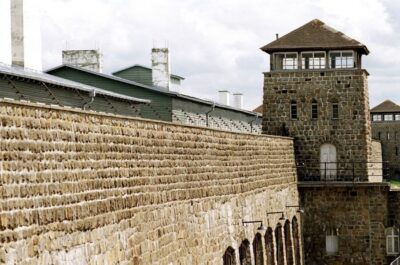

Private Day Trip From Vienna To Mauthausen and Melk
Read our review →
Private Memorial Tour from Vienna to Mauthausen & Eagle’s Nest
Read our review →
Browse the lists this tour appears in