
Reviewed · VIENNA WINE TASTINGS
Vienna: Austrian Wine Tasting
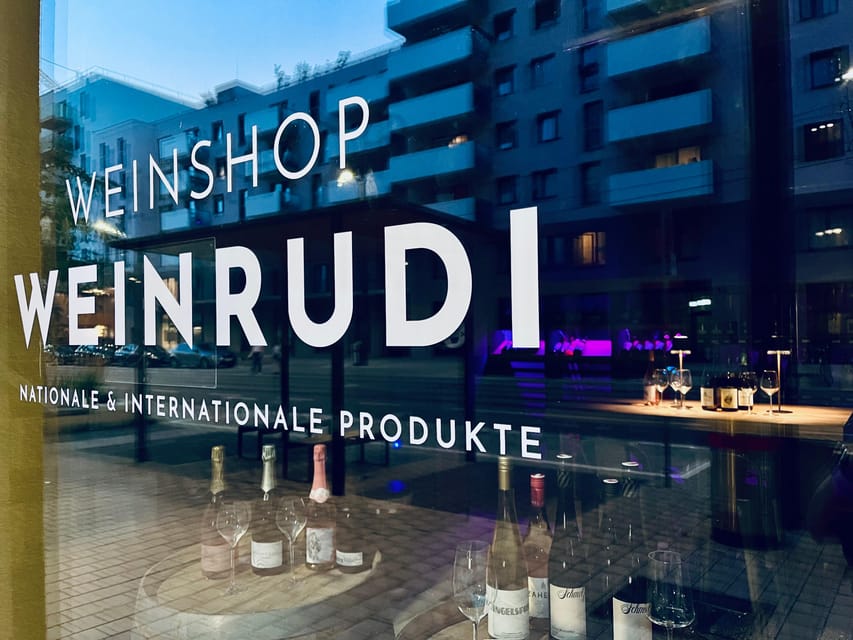
Vienna’s wine story comes into focus at Weinrudi, where Rudi leads a small tasting through six Austrian wines, from Wiener Gemischter Satz made in the city to Grüner Veltliner from the Wachau and Riesling from the Kremstal. This is not a quick sip-and-smile stop. You get a proper introduction to how Austrian wine is made, labeled, tasted, and matched with food.
I like the small group of up to eight, which gives the session a friendly, informal feel. I also like the generous format: a welcome glass of Frizzante, six wine pours, bread, snacks, and water are included. The main consideration is that the pours can add up quickly. One particularly enthusiastic afternoon reportedly ran to 12 wines, so pace yourself if you want to walk comfortably back to the Prater area.
Key points
- Six Austrian wines in one sitting: Taste representative bottles from Vienna, the Wachau, and Kremstal.
- Rudi leads the session: He holds Wine Academy training and also knows French and Spanish wines.
- Useful tasting instruction: Learn how to assess wine instead of simply deciding if you like it.
- Easy Vienna location: Weinrudi is at Bruno-Marek-Allee 11 in the second district, near the Prater and Giant Ferris Wheel.
- Food is part of the experience: Bread, snacks, and water accompany the wines.
- Good for serious beginners: The tone is relaxed, but the information goes beyond a basic tourist tasting.
Why this Vienna wine tasting works
Vienna is unusual among European capitals because vineyards are part of the city itself. That makes a city wine tasting more than a convenient substitute for a day trip into the countryside. At Weinrudi, you can compare Vienna’s own wine style with bottles from some of Lower Austria’s best-known growing areas, all without leaving the city.
The session is designed as a compact lesson in Austrian wine. Rudi explains the main regions and grape varieties, then uses the wines in your glass to make those points practical. You are not asked to memorize a list of appellations. Instead, you get a sense of how location, grape, winemaking, and serving style affect what you taste.
The setting is a wine shop at Bruno-Marek-Allee 11. You meet directly at the shop, rather than being collected from a hotel or herded onto a bus. That keeps the price focused on the wine and instruction, though you need to arrange your own way there.
More wine tastings and Heurigen around Vienna:
- Wachau Valley Wine Tasting Bike Tour from Vienna
★ 5.0 · 829 reviews - Countryside Half Day Wine Tour near Vienna
★ 5.0 · 545 reviews - Wachau Valley Small-Group Tour and Wine Tasting from Vienna
★ 5.0 · 540 reviews
Starting at Weinrudi in Vienna’s second district
The meeting point is in Vienna’s second district, near the Prater and its famous Giant Ferris Wheel. This is useful if you are planning a full afternoon in the area. You could visit the Prater before the tasting, enjoy the wines, then continue with dinner nearby.
You should allow enough time to find Bruno-Marek-Allee 11. The experience does not include pickup, and the shop is the fixed meeting point. Once you arrive, the format is simple: check in at Weinrudi, settle in, and begin with an aperitif.
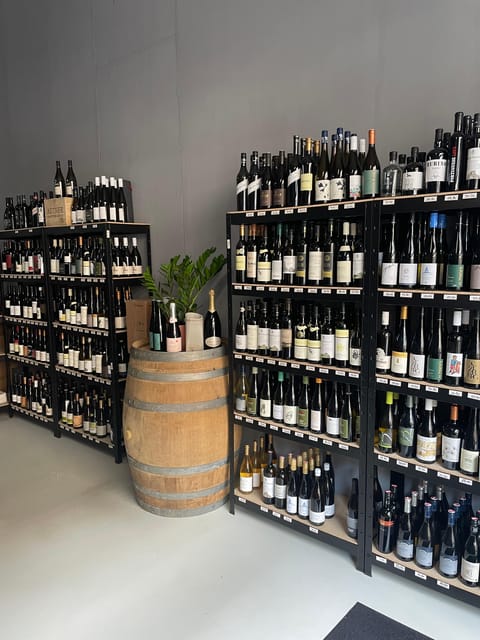
The shop setting gives the tasting a practical edge. You are surrounded by bottles rather than seated in a grand cellar or formal restaurant. That may appeal to you if you want to ask about particular wines and possibly buy a bottle afterward. It may feel less theatrical than a vineyard visit, but the tradeoff is access to a wider selection of Austrian producers in one place.
The first glass: Frizzante and a gentle introduction
The tasting begins with a welcome glass of Frizzante. This gives Rudi an easy way to introduce Austrian sparkling wine before moving into still wines and regional styles.
The opening drink also sets the tone. You can settle in, meet the other members of the group, and get used to the tasting pace before the more detailed comparisons begin. Bread, snacks, and water are provided throughout, which matters when you are sampling several wines rather than having a single glass with dinner.
Do not treat the Frizzante as a minor extra. A welcome drink makes the start feel more social, while water and food help you remain comfortable as the tasting continues. You still need to drink at your own pace. The inclusion of snacks does not make a series of generous pours harmless.
Learning how to taste Austrian wine
The instruction is aimed at people who want more than a list of bottle names. Rudi explains basic tasting techniques so you can look at the wine, smell it, taste it, and think about its structure. You do not need previous wine training, and you will not be expected to use specialist language perfectly.
This part can be especially useful if you usually choose wine by grape name alone. Austrian labels can include grape variety, vineyard site, regional designation, and quality terms. A short explanation from a trained presenter helps those details make more sense.
The session is offered in English and German. That makes it suitable for international visitors as well as people living in Vienna. The informal atmosphere is a plus here. The Austrian participants who attended in German described the session as funny, friendly, and full of useful information, while an English-language attendee found the explanation of Austrian wine clear and instructive.
A different sort of day out in Vienna:
- Vienna: Vivaldi’s Four Seasons Concert in Karlskirche
★ 4.7 · 14,951 reviews - Vienna: Skip-the-cashier-desk-line Giant Ferris Wheel Ride
★ 4.5 · 7,859 reviews - Vienna: Schönbrunn Palace & Gardens Skip-the-Line Tour
★ 4.7 · 7,739 reviews - Vienna: Light of Creation Votive Church Immersive Light Show
★ 4.8 · 6,779 reviews
The wines: from Vienna to the Wachau
The tasting includes six quality wines from leading Austrian winemakers. The exact lineup may vary, but the listed examples show the range you can expect.
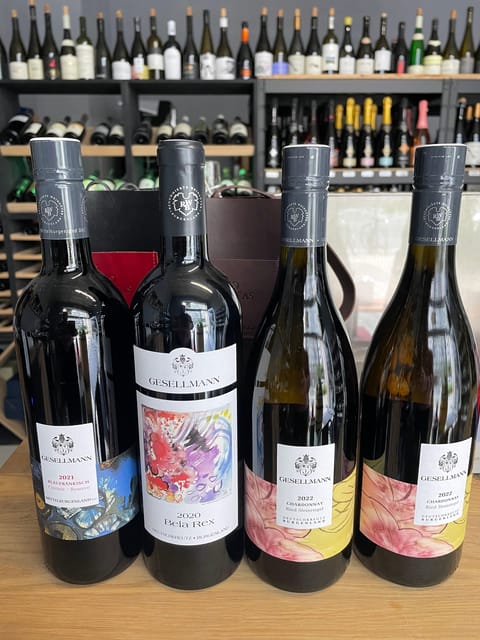
The first key style is Wiener Gemischter Satz DAC, Vienna’s best-known traditional wine. Unlike a wine made from one grape variety, Gemischter Satz comes from several grape varieties grown together and harvested together. It is a direct expression of Vienna’s vineyards and gives the tasting a strong local starting point.
You then move beyond the city to the Wachau, with a Grüner Veltliner Ried Pichl Point. Grüner Veltliner is Austria’s signature white grape, known for its fresh character and food-friendly style. The vineyard designation lets you consider not only the grape but also the specific site where it was grown.
A Riesling Handwerk from the Kremstal adds another important comparison. Riesling and Grüner Veltliner can both produce lively, precise white wines, but they do not taste identical. Sampling them in the same session helps you notice differences in aroma, acidity, texture, and finish.
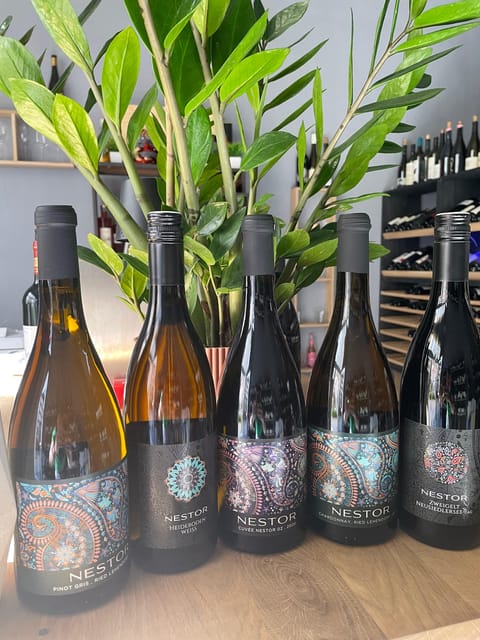
The six-wine format is well judged for a short city activity. Three examples already introduce major ideas, while the full lineup gives you enough contrast to understand that Austrian wine is not one single style. You may taste whites, reds, sparkling wine, or other regional expressions, depending on the current selection.
Rudi’s wider wine knowledge
Rudi’s training comes from the Wine Academy, and the experience benefits from his interest in wines beyond Austria. During one especially extended tasting, he discussed French wines when the group mentioned Saint-Émilion and brought out a Spanish wine that was already open.
That does not mean you should book this expecting a world wine course. The central subject is Austrian wine, and the advertised tasting focuses on six Austrian bottles. Still, Rudi’s wider frame of reference can help you understand where Austrian wines fit in Europe.
His approach also appears flexible rather than rigid. One session moved into another room when a later party arrived, and the group was allowed to continue at an unhurried pace. That kind of welcome can make the afternoon feel personal. It also means the exact rhythm may depend on the shop’s other bookings.
A small-group format with a social feel
With no more than eight participants, the tasting avoids the lecture-hall problem common to larger wine events. You can hear the presenter, ask questions, and compare impressions with the people around you.
The group size is particularly useful for beginners. If you are unsure how to describe a wine, you can listen to other people’s observations and learn without feeling put on the spot. If you already know wine, you have room to ask more specific questions about producers, regions, and grape varieties.
The atmosphere is clearly intended to be relaxed. Bread, meats, and cheese were provided during one session, and the tasting continued in a friendly shop environment. The food details may vary, but the official inclusions are bread, snacks, and water, so you should not book it as a full meal.
A lively host can make the session memorable, but it can also lead to longer pours or extra samples. The experience is scheduled for about 1.5 hours in the itinerary, while the main description allows approximately two hours. In practice, plan for roughly two hours and avoid scheduling a tight appointment immediately afterward.
Is $81 good value?
At $81 per person, this is not the cheapest way to drink wine in Vienna. You could order several glasses at a wine bar for less, especially if you are mainly looking for a pleasant drink.
The value improves if you want instruction and variety. The price includes the welcome Frizzante, six wine tastings, bread, snacks, and water, plus a guided explanation of Austrian wine regions and tasting methods. You are paying for access to a knowledgeable presenter, a structured selection of bottles, and the chance to compare wines side by side.
The small group also matters. A large public tasting can offer more bottles, but it often gives you less time to ask questions. Here, the limit of eight participants makes the cost easier to justify for anyone who wants personal attention.
The reported experience of one couple suggests that pours can be generous. Another group ended up tasting 12 wines after the scheduled selection, including a Spanish bottle. That sounds generous, but it is not something you should assume will happen every time. Consider the advertised six wines the reliable basis for judging the price.
Who should book this experience?
I would recommend it to you if Austrian wine is new to you and you want a clear introduction without spending a full day outside Vienna. It also suits people who enjoy regional food and drink but do not want a stiff, formal lesson.
It is a good choice for couples, solo visitors, and small groups who appreciate conversation. The English and German options make it broadly accessible, and wheelchair access is available.
You should skip it if you want a vineyard walk, a countryside setting, or a full meal. This is a wine-shop tasting in the city. It is also not suitable for children under 18, pregnant women, or people with a cold.
The tasting is best treated as an afternoon appointment rather than a quick stop between sights. If you are staying near the Prater, the location is especially convenient. If you are based elsewhere in Vienna, add travel time because pickup is not provided.
Practical tips for a better afternoon
Arrive ready to take notes if you want to remember particular bottles. The lineup includes regional names and vineyard designations, so a quick note on the grape, area, and style can help when you later shop for Austrian wine.
Eat something beforehand, but do not arrive overly full. The snacks are helpful, yet the tasting is not intended to replace lunch or dinner. Drink the water provided and take your time with each pour.
Keep your schedule open after the tasting. The formal plan is around 1.5 to 2 hours, but the friendly style may lead to extra discussion or samples. One session extended well beyond the advertised six wines, which can be a pleasant surprise if you have no immediate plans.
The experience offers free cancellation up to 24 hours before the start, and you can reserve while paying later. Those terms are useful if your Vienna plans are still shifting, though you should still check the available start time before booking.
Final call: book it for wine knowledge, not scenery
Book this tasting if you want to understand Austrian wine while staying in Vienna. The combination of six wines, regional comparisons, food, a small group, and Rudi’s wide wine background gives you more substance than a casual bar flight.
I would be more cautious if you are seeking a polished vineyard tour or a predictable, tightly timed event. The shop setting is informal, and the host may spend extra time with the group or offer additional samples. For many people, that is part of the charm. For others, it may feel less controlled.
At $81, the experience earns its price through instruction and variety rather than scenery. If that is what you want, Weinrudi offers a useful and sociable way to get acquainted with Austria’s wine regions, all within easy reach of the Prater.
FAQ
Where does the Austrian wine tasting meet?
Meet directly at Weinshop Weinrudi, Bruno-Marek-Allee 11, in Vienna’s second district. The shop is near the Prater and the Giant Ferris Wheel.
How long does the wine tasting last?
The tasting is described as approximately two hours, while the itinerary lists the wine tasting at 1.5 hours. Allow around two hours, with some flexibility for discussion.
How many wines are included?
Six glasses of Austrian wine are included, along with a welcome glass of Frizzante. Bread, snacks, and water are also provided.
Which Austrian wines might be served?
The listed examples include Wiener Gemischter Satz DAC from Vienna, Grüner Veltliner Ried Pichl Point from the Wachau, and Riesling Handwerk from the Kremstal. The full selection may vary.
Is the tasting available in English?
Yes. The experience is offered in English and German, with a live guide.
Is the experience wheelchair accessible?
Yes, the activity is wheelchair accessible. It is not suitable for children under 18, pregnant women, or people with a cold.
More food tours in Vienna
- Vienna for Food Lovers: Cafés, Markets & Austrian Cuisine
★ 5.0 · 1,063 reviews - Vienna: Gerstner KuK Hofzuckerbäcker Baking Show & Tasting
★ 4.8 · 823 reviews - Authentic Vienna Food Tour inc. lunch, street food, 3 drinks
★ 5.0 · 749 reviews - From Vienna: Bratislava City Tour with Food Options
★ 4.0 · 451 reviews
Just reviewed in Vienna
- World War II History Vienna Old Town Private Walking Tour★ 4.8 · 9 reviews
- Vienna: Wine Tasting E-Bike Tour★ 4.9 · 46 reviews
- Vienna: Winery and Wine Tasting Tour with a Wine Expert★ 5.0 · 5 reviews
- Vienna Urban Art Tour: Explore a different side of Vienna!★ 3.8 · 14 reviews
- Vienna: Concert by the Vienna Baroque Orchestra★ 4.6 · 56 reviews
- Vienna: Unforgettable Private City Tour★ 5.0 · 7 reviews
- Vienna: Sunday Brunch Danube Cruise & Live Music★ 4.2 · 42 reviews
- Vienna Supreme Orchestra at Palais Niederösterreich★ 4.8 · 10 reviews
Vienna Wine Tastings, compared.
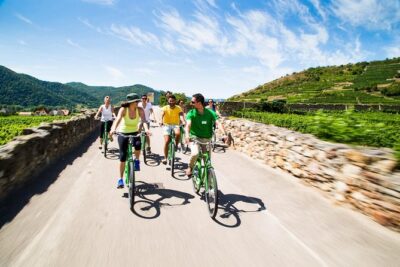
Wachau Valley Wine Tasting Bike Tour from Vienna
Read our review →
Countryside Half Day Wine Tour near Vienna
Read our review →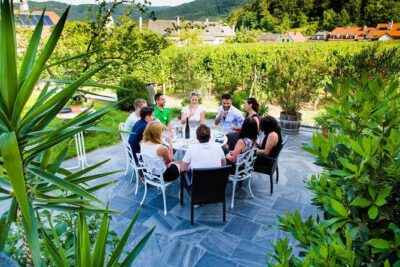
Wachau Valley Small-Group Tour and Wine Tasting from Vienna
Read our review →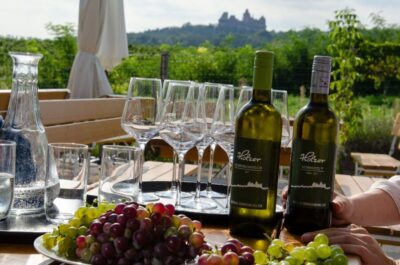
Half-day Countryside Wine Tour with Meal
Read our review →
Wine Tasting Experience in a Private Wine Cellar
Read our review →
Browse the lists this tour appears in