
Reviewed · SCHöNBRUNN PALACE TOURS
Schönbrunn Palace Concerts in Vienna
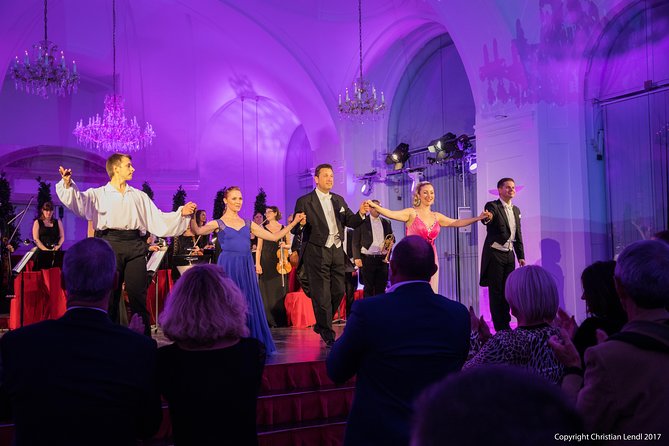
Schönbrunn’s evening concert gives you a taste of Vienna’s classical tradition without requiring a full night at the opera. Mozart and Strauss fill the program, with opera singers, waltzes, polkas, and a few theatrical touches in a setting tied to Mozart’s 1786 performance.
I like the easy U4 metro access and the choice of seating prices. I also like the lively conductor, skilled musicians, and strong vocal performances. The main caution is that the Orangery can feel more like a plain event hall than a palace interior, and sound and comfort vary by seat.
Key points to know before booking
- Mozart and Strauss share a 90-minute program: Expect two musical halves, usually with an intermission.
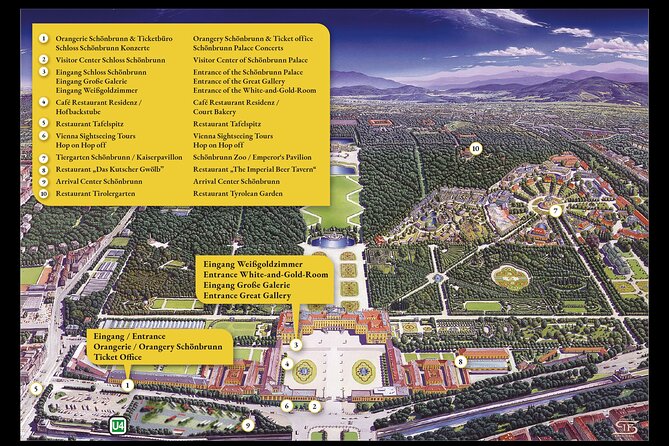
- The Orangery is separate from the palace interiors: You will not automatically tour Schönbrunn Palace or see its grand rooms.
- VIP includes useful extras: Priority entry, two drinks, one program, and free cloakroom service are listed with the VIP category.
- The concert may move inside the palace: Relocations can place the performance in the Great Gallery or White Gold Room.
- The season affects the musicians: The Schönbrunn Palace Orchestra performs from April through October; the Schönbrunn Palace Ensemble performs during the other listed months.
- Arrive with realistic expectations: This is a polished tourist concert, not a full opera-house production.
What the Schönbrunn concert actually offers
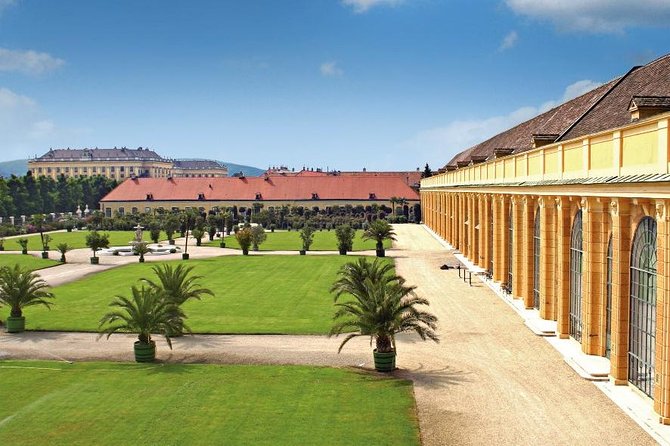
The evening begins at the Schönbrunn Palace Orangery, at Schönbrunner Schloßstraße 47. You make your own way there, check in, and go to the seating section selected at booking.
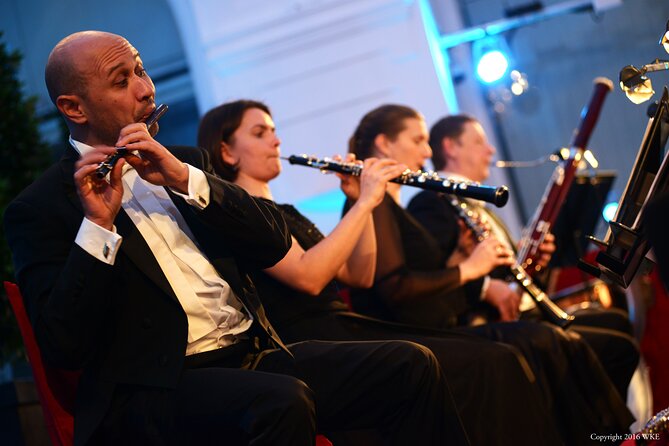
The performance lasts about 90 minutes. A typical arrangement places Mozart in the first half and Strauss in the second, with an intermission of roughly 20 minutes. The program can include symphonic excerpts, waltzes, polkas, and vocal numbers. Opera singers add color and drama, while the conductor may speak to the audience or invite a little participation.
This format matters. You are not signing up for a complete Mozart opera or a long symphonic concert. You get a carefully chosen sampling of familiar Viennese music, shaped for an evening outing. That makes it approachable if you enjoy classical music but do not want a demanding three-hour performance.
The musical quality can be very good, especially from the singers and front sections of the orchestra. Several performances have been praised for personable conductors, expressive soloists, and an ensemble that clearly enjoys the material. The Blue Danube waltz is a natural highlight, particularly in Vienna.
Still, the experience has a tourist-concert feel. Pieces are shorter, the mood is often light, and the conductor may play to the room. If you want long, serious works performed in a formal concert hall, you may find the program too brief or familiar.
More ways into Schonbrunn Palace:
- Vienna: Schönbrunn Palace & Gardens Skip-the-Line Tour
★ 4.7 · 7,739 reviews - Vienna: Skip-the-Line Schönbrunn Palace & Gardens Tour
★ 4.8 · 5,411 reviews - Vienna: Mozart and Strauss Concert at Schönbrunn
★ 4.5 · 2,364 reviews
The Orangery and the palace setting
The Orangery is part of the Schönbrunn complex, but it is not the main palace interior. From outside, the location has historical character, and the site is connected with Mozart’s performance in 1786. Inside, however, the room may look fairly plain and modern compared with the palace’s grand state rooms.
That distinction is important when you decide how much to pay. The concert takes place on palace grounds, but this ticket does not include a palace tour. You should not expect to walk into the famous apartments, see the ceremonial rooms, or spend the evening surrounded by elaborate imperial decoration.
Some performances are relocated without advance notice to the Great Gallery or the White Gold Room inside Schönbrunn Palace. These rooms can feel more special and intimate. If the concert moves indoors, there is no ballet, so do not book expecting dancers as part of every performance.
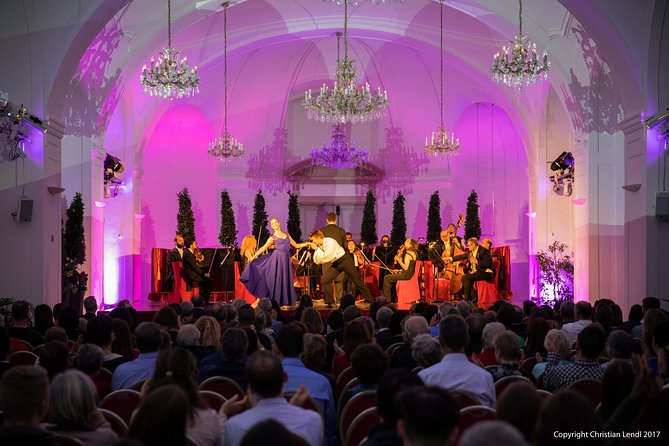
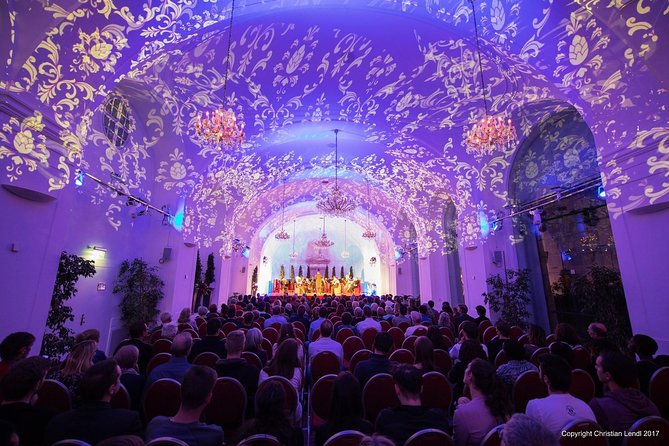
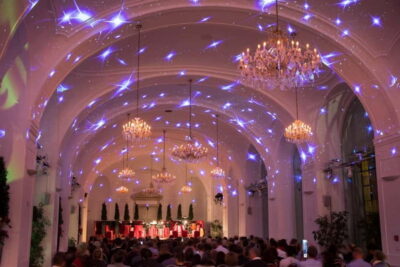
The lighting is part of the atmosphere. Projected effects on the ceiling can add a little theater, and some performances include attractive lighting moments. Yet the room itself may not deliver the grand visual setting suggested by photographs of Schönbrunn Palace. I would treat the building as a historic concert location, not as a substitute for a palace visit.
If seeing Schönbrunn’s interior is high on your list, book the palace separately during the day. Pairing the two works well: tour the state rooms and grounds earlier, then return for music in the evening.
Mozart, Strauss, singers, and the musical style
The program draws from two very different but compatible Viennese traditions. Mozart brings elegant melodies, clear structure, and the refined sound associated with the eighteenth century. Strauss supplies waltzes and polkas with more sparkle and public energy.
The vocal numbers are a major part of the appeal. The soprano and other vocal soloists can turn a straightforward orchestral evening into something more theatrical. From a closer seat, you have a better chance to see facial expressions and interaction between the singers and musicians.
The orchestra is not a huge symphonic body. It is a smaller ensemble, which gives the concert a more direct, intimate feel. That works especially well in the vocal pieces and lively Strauss numbers. Several performances have featured around seven musicians and two opera singers, although the exact lineup can vary.
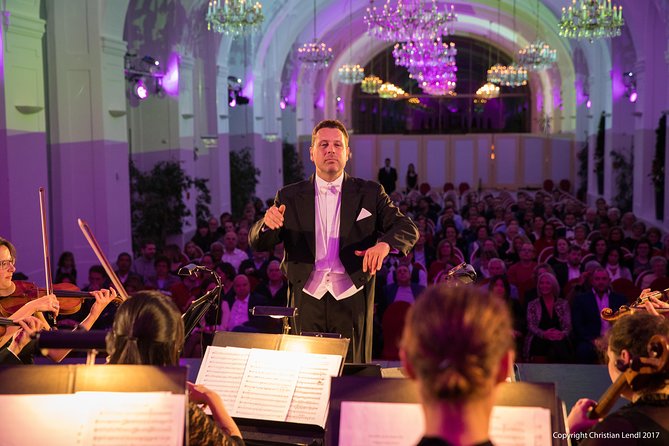
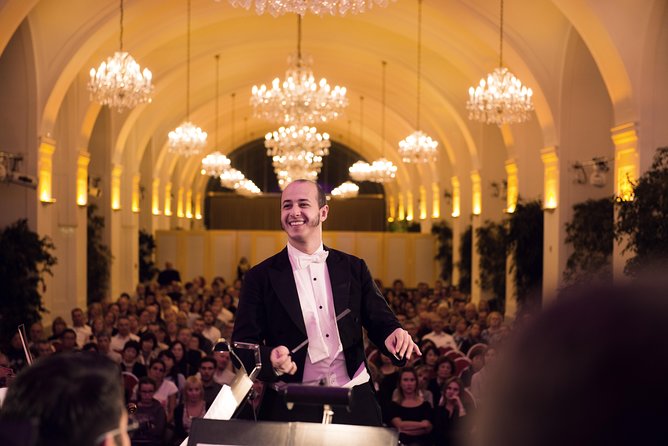
The conductor is often an active presence rather than someone who simply disappears behind the music stand. A good conductor can make the evening feel welcoming, explain the mood of a piece, and bring out audience response during the waltzes and polkas.
There is a trade-off. A smaller ensemble and informal presentation may feel less grand than a major orchestra at the Musikverein or Vienna State Opera. Sound quality also depends on the hall and your location. Some seats at the back have been criticized for weaker clarity, especially in the violins.
Choosing between seating categories
Your seat category affects the evening more than the difference between Mozart and Strauss. The seating is priced by area, with higher categories closer to the performers.
The most expensive sections are worth considering if you care about seeing the singers clearly. Vocalists rely on expression, gestures, and interaction, and those details can be lost from the rear. Front seating also helps if the room’s acoustics are less crisp at a distance.
Cheaper seating can still work if your main goal is simply to hear the music. You will likely save money, but you may face a more distant view and less direct sound. The room can feel long, so the back rows may not provide the intimate experience suggested by the word Orangery.
Arriving early is sensible. You are directed to the category printed on your ticket, but the best position within that category may depend on when you arrive. Do not count on moving forward during the intermission. Seating is sold by section, and attempts by people to shift into pricier areas can create confusion.
For most people, a middle category is the sensible compromise. VIP makes more sense if the price difference is modest and you value a front-area seat, priority access, and the included extras.
More classical concerts in Vienna:
- Vienna: Vivaldi’s Four Seasons Concert in Karlskirche
★ 4.7 · 14,951 reviews - Vienna: Classical Concert in the World-Famous Musikverein
★ 4.6 · 6,673 reviews - Vienna: Mozart Concert at the Golden Hall
★ 4.6 · 3,986 reviews - Vienna: Classical Concert in St. Anne’s Church (Annakirche)
★ 4.6 · 3,414 reviews
What VIP adds for the price
The listed price is about $66.38 per person, though the amount can change with date and category. At that price, the experience is not cheap, but it includes a full evening performance in a famous Vienna setting rather than a brief musical demonstration.
VIP includes priority access to the concert hall and bar, two drinks, one program, and free cloakroom service. The cloakroom is useful because coats can be bulky, particularly in the colder months. Standard admission may require a cloakroom payment of about 1 euro, and a concert program is listed at about 10 euros.
The drinks are a modest perk, not the main reason to upgrade. The stronger reasons are the better seating and reduced waiting at entry. A program also helps when the conductor does not announce every piece clearly.
Check the exact inclusions shown during booking. One account of a VIP booking reported not receiving the promised extras, so keep your confirmation details handy and ask staff at arrival if something is missing. The stated VIP package includes two drinks, but the serving arrangement can vary by performance.
The bar and cloakroom areas may become crowded before the concert and during the break. If you dislike queues, priority access is more useful than the free drinks. At the end, collect your coat promptly, since there may be a line at the cloakroom and only one main exit.
Getting there and planning the evening
The Orangery is easy to reach by public transport. Schönbrunn is served by Vienna’s U4 metro line, and the station is close to the palace complex. The concert location is reported to be directly in front of the station, though you should still allow time to follow signs and find the correct entrance.
A taxi from central Vienna is another option. One reported fare from Vienna City Hall was about 25 euros, but the price depends on traffic and the exact starting point. Public transport is usually the simpler choice for a fixed evening start.
The concert is not a dinner tour. Food is not included, and standard admission does not include drinks unless you purchase them or select VIP. Plan dinner before the performance or find a restaurant for afterward. The concert ends early enough to continue your evening in Vienna, but allow extra time if you need to collect a coat.
Smart casual clothing is the right approach. You do not need formal evening wear, and this is not the opera house. A light jacket is useful in warm months because temperatures can vary between outdoors and the hall. Some performances have felt unusually warm inside, even when it was cold outside.
Children aged eight and under are not recommended. Most older children and adults can participate, but the 90-minute format and classical repertoire will suit people who are comfortable sitting through a concert.
Seasonal differences and possible relocations
From April 1 through October 31, the concert is performed by the Schönbrunn Palace Orchestra. From November 1 through December 23 and January 2 through March 31, the Schönbrunn Palace Ensemble performs instead.
That seasonal change does not mean one period is automatically better. The Orchestra may offer the fuller name recognition associated with the palace program, while the Ensemble can suit an intimate winter evening. Your date also affects the room, crowd size, temperature, and holiday atmosphere.
Relocation is possible without notice. The Great Gallery and White Gold Room offer a more palace-like setting than the Orangery, but the format changes slightly because there is no ballet in the relocated version.
This is one reason to keep expectations flexible. You are buying an evening of music at Schönbrunn, not a guarantee of one exact room. The performance itself remains the main attraction.
The best reasons to book, and the reasons to pause
I would book this concert if you want an easy introduction to Vienna’s classical tradition, especially if Mozart and Strauss are already on your list. The famous melodies, opera singers, lively conductor, and manageable length make it a good choice for a first classical evening.
It also works well after a day at Schönbrunn. You can see the palace and gardens separately, eat nearby, and return for music without crossing the city again.
I would pause if you are mainly paying for an opulent palace interior. The Orangery may feel plain, and the audience is usually made up of people seeking a convenient Vienna activity rather than a formal concert crowd. Sound from the rear can also disappoint.
For serious classical music fans, compare this with a performance at one of Vienna’s major concert halls. This event is more relaxed and tourist-friendly, with shorter pieces and a stronger visual and entertainment element.
Should you book Schönbrunn Palace Concerts?
Book it for a polished, accessible evening of Mozart, Strauss, waltzes, polkas, and opera singing in the Schönbrunn complex. Choose a middle or front seating category if sound and singer visibility matter, and consider VIP for the priority entry, drinks, program, and free cloakroom.
Do not book it as a palace tour or a substitute for a full opera performance. If you understand that distinction, the concert offers a pleasant and convenient taste of Vienna’s musical tradition. Free cancellation is available up to 24 hours before the start time, which gives you some flexibility while planning.
FAQ
Where does the Schönbrunn Palace concert take place?
The meeting and ticket redemption point is the Schönbrunn Palace Orangery at Schönbrunner Schloßstraße 47, 1130 Vienna.
How long does the concert last?
The concert lasts approximately 1 hour and 30 minutes, usually including an intermission.
What music is performed?
The program features music by Wolfgang Amadeus Mozart and Johann Strauss. It can include orchestral pieces, waltzes, polkas, and vocal performances.
Are opera singers included?
Vocal soloists are included in the concert program. The performances can feature soprano and other opera singers.
Does the ticket include a tour of Schönbrunn Palace?
No. The concert ticket does not include a palace tour. The Orangery is a separate building, and you should book a palace visit separately if you want to see the state rooms.
What does the VIP ticket include?
VIP includes priority access to the concert hall and bar, two drinks, one program, and free cloakroom service.
Can the concert be moved to another room?
Yes. The concert may be relocated without notice to the Great Gallery or White Gold Room inside Schönbrunn Palace. There is no ballet when the performance is relocated.
Is the concert suitable for children?
The experience is not recommended for children aged eight and under. Most other people can participate.
Can I cancel for a refund?
You can cancel up to 24 hours before the experience start time for a full refund. Cancellations or changes made less than 24 hours before the start time are not accepted for a refund.
Just reviewed in Vienna
- World War II History Vienna Old Town Private Walking Tour★ 4.8 · 9 reviews
- Vienna: Wine Tasting E-Bike Tour★ 4.9 · 46 reviews
- Vienna: Winery and Wine Tasting Tour with a Wine Expert★ 5.0 · 5 reviews
- Vienna: Unforgettable Private City Tour★ 5.0 · 7 reviews
- Vienna Urban Art Tour: Explore a different side of Vienna!★ 3.8 · 14 reviews
- Vienna: Concert by the Vienna Baroque Orchestra★ 4.6 · 56 reviews
- Vienna: Sunday Brunch Danube Cruise & Live Music★ 4.2 · 42 reviews
- Vienna Supreme Orchestra at Palais Niederösterreich★ 4.8 · 10 reviews
Schönbrunn Palace Tours, compared.
Skip the Line Schönbrunn Palace and Gardens Guided Tour
Read our review →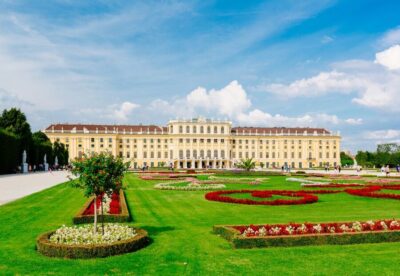
Schönbrunn Palace & Garden Skip-the-Line Guided Tour
Read our review →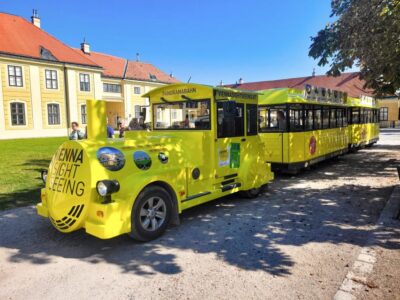
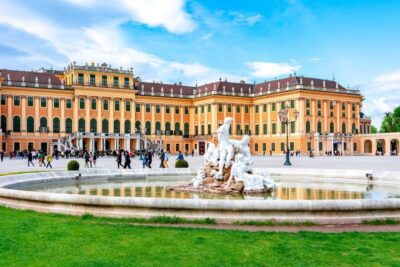

Skip-the-Line Schonbrunn Palace Guided Tour and Vienna Historical City Tour
Read our review →Browse the lists this tour appears in