
Reviewed · SKIP THE LINE
Vienna: Skip-The-Line Ticket to the Museum of Technology
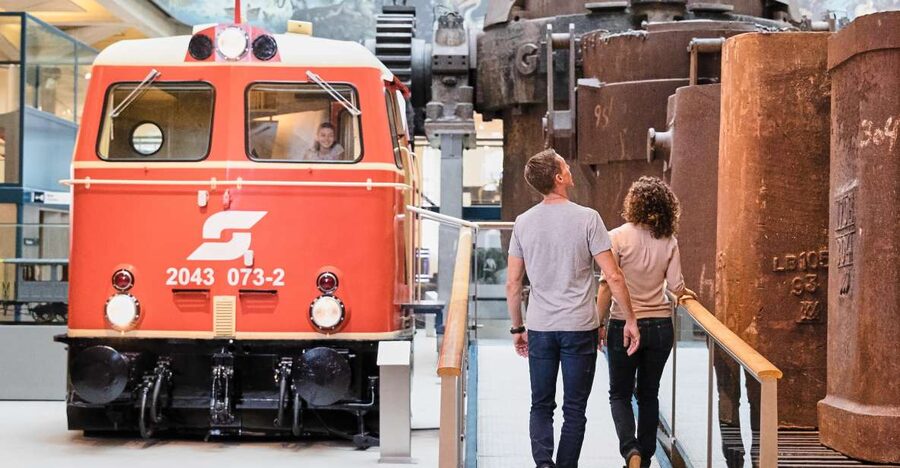
Vienna’s Museum of Technology turns machines and scientific ideas into things you can see, touch, and test. The big draw is a steam locomotive in action, but the museum also brings technology into everyday life with interactive displays, historic vehicles, and a chance to anchor your own news show.
I like the way the museum connects inventions with their effect on society, rather than showing isolated objects behind glass. I also like its family-friendly approach, with hands-on sections that give children a reason to stay interested. The main drawback is simple: this is a large indoor museum, so anyone expecting a short, tightly guided attraction may find the one-day validity encourages a longer visit than planned.
Key points to know before you go
- A steam locomotive moves from static display to working machine, giving the museum one of its most memorable demonstrations.
- Empress Sisi’s personal horse carriages add a royal and human touch to the technology exhibits.
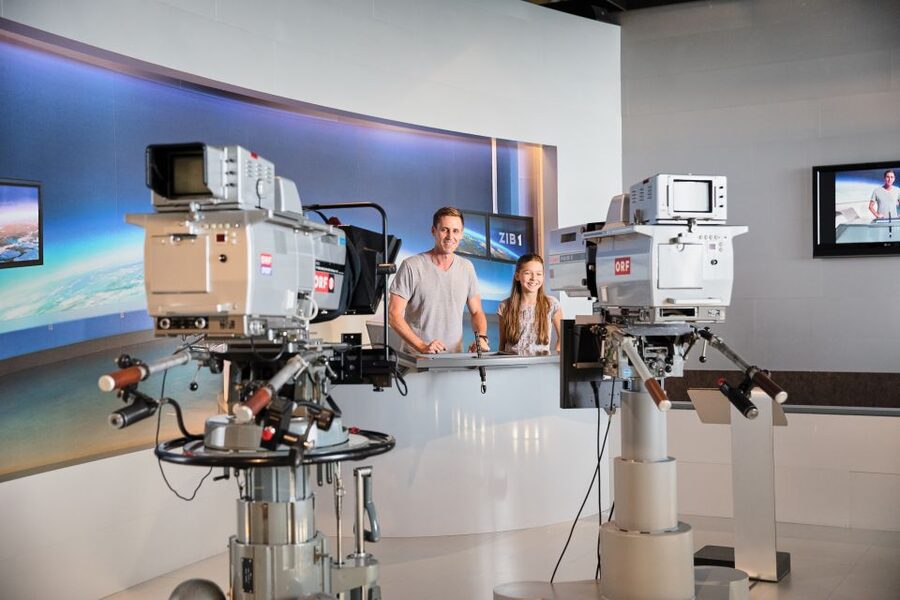
- A news-studio activity lets you try anchoring a broadcast, making media technology easier to understand.
- More than 100 years of technological history are presented in cultural context, not just as a collection of objects.
- Skip-the-line admission saves you from waiting at the ticket counter, though you still need to reserve your time.
- Wheelchair access and interactive displays make this a practical choice for many families and mixed-age groups.
Why Vienna’s Technology Museum is worth your time
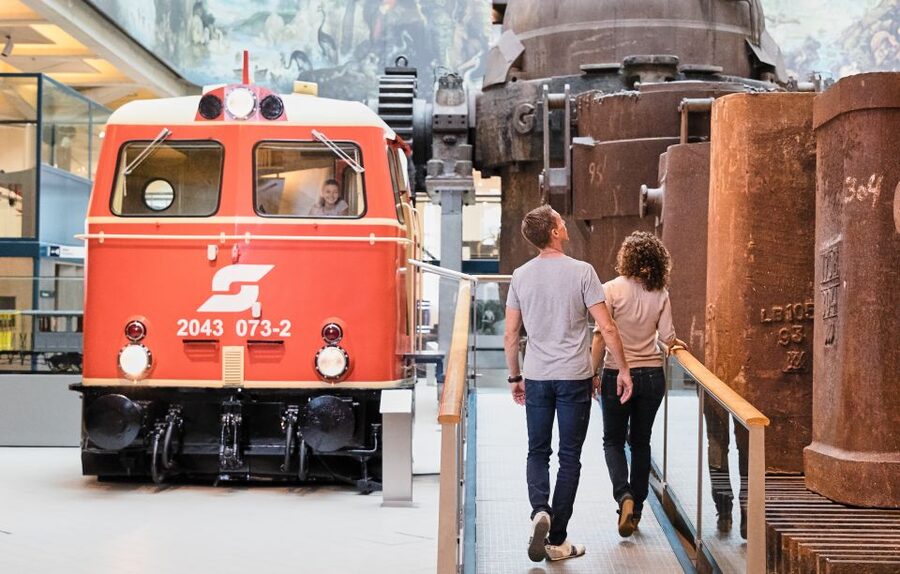
I find technology museums most useful when they explain not only how something works, but also why it changed people’s lives. That is the approach here. The museum looks at technology and science as forces that shape daily routines, industry, communication, transport, and society.
That broader setting gives the exhibits more meaning. A locomotive is not merely a large machine. It represents changes in travel, trade, work, and the movement of people. A broadcast activity is not simply a children’s game. It gives you a small taste of how media turns information into a public performance.
The museum has more than a century of experience presenting technological development. That long background helps explain why the displays cover such different subjects. You can move from transport to communication, from historic objects to interactive stations, without treating each topic as an unrelated collection.
The result suits curious adults as much as children. You can take the museum seriously without needing specialist knowledge, and younger visitors have plenty of chances to learn by doing.
More museums and galleries in Vienna:
- Vienna: Skip-the-Line Sisi Museum, Hofburg and Gardens Tour
★ 4.8 · 5,918 reviews - Vienna Kunsthistorisches Museum Day Admission Ticket
★ 4.6 · 3,690 reviews - Tickets for the Albertina Exhibitions
★ 4.7 · 2,126 reviews
Entering with a skip-the-line ticket
The ticket provides skip-the-line admission, which is useful when you want to get inside without spending part of your visit at the ticket counter. It does not turn the museum into a guided tour, and no guide is included, so you explore at your own pace.
The ticket is valid for one day. That matters because a museum with working demonstrations, historic vehicles, and hands-on stations deserves more than a quick glance. You can give the major exhibits proper attention instead of rushing from one room to the next.
You should still reserve ahead. A verified booking note specifically points out that a reservation is required, so do not treat the skip-the-line ticket as a reason to arrive without checking availability. The activity has starting times, and the available time should be confirmed when you book.
At $21 per person, the value depends on how you use the day. If you spend only half an hour inside, the price feels less attractive. If you stay for several hours and make time for the interactive areas and demonstrations, the cost is easier to justify, especially for a family looking for one substantial indoor activity.
Seeing a steam locomotive in action
The working steam locomotive is the museum’s most distinctive feature. Many transport museums display locomotives as impressive but silent machines. Here, the chance to see one in action helps you understand the force, noise, and movement that made steam power such a major part of industrial development.
This is especially useful for children, who may find a static engine hard to connect with. Motion gives the machine a clear purpose. You can see that historic technology was not just a collection of metal parts, but a system designed to produce power and carry people or goods.
The locomotive also gives the museum a strong sense of scale. Some technology is small enough to hold in your hand. A steam engine is not. Its size and movement make the shift from manual work to machine-powered transport easier to picture.
Check the timing of the demonstration when you arrive, since the supplied information does not state how often it operates. If seeing the locomotive is your top priority, plan around it rather than hoping to catch it by chance.
Meeting Empress Sisi through her carriages
The display of Empress Sisi’s personal horse carriages adds a change of pace. You move from industrial machinery to objects linked with a well-known royal figure and the practical details of travel in her time.
These carriages help you think about technology on a human scale. They were designed for comfort, status, movement, and protection, not simply speed. Their presence also shows that technological history includes the tools of daily and ceremonial life, not only engines and factory equipment.
I like this kind of exhibit because it gives historical objects a direct connection to a person. Instead of seeing a carriage as an anonymous vehicle, you can consider who used it and what its design tells you about travel and society.
The museum identifies them as Sisi’s personal horse carriages, but the supplied information does not provide details about individual carriage names, dates, or interiors. Go for the visual and historical connection rather than expecting a full royal biography.
More skip-the-line tickets in Vienna:
- Vienna: Schönbrunn Palace & Gardens Skip-the-Line Tour
★ 4.7 · 7,739 reviews - Vienna: Skip-the-Line Schönbrunn Palace & Gardens Tour
★ 4.8 · 5,411 reviews - Vienna: Skip-the-Line Entrance Ticket to the Danube Tower
★ 4.5 · 2,303 reviews - Vienna: Skip the Line Schönbrunn Palace and Gardens Guided Tour
★ 4.5 · 1,540 reviews
Trying your hand at a news broadcast
One of the museum’s more playful activities lets you feel what it is like to anchor your own news show. This is a clever way to explain communication technology because it connects machinery with the human work that gives media its purpose.
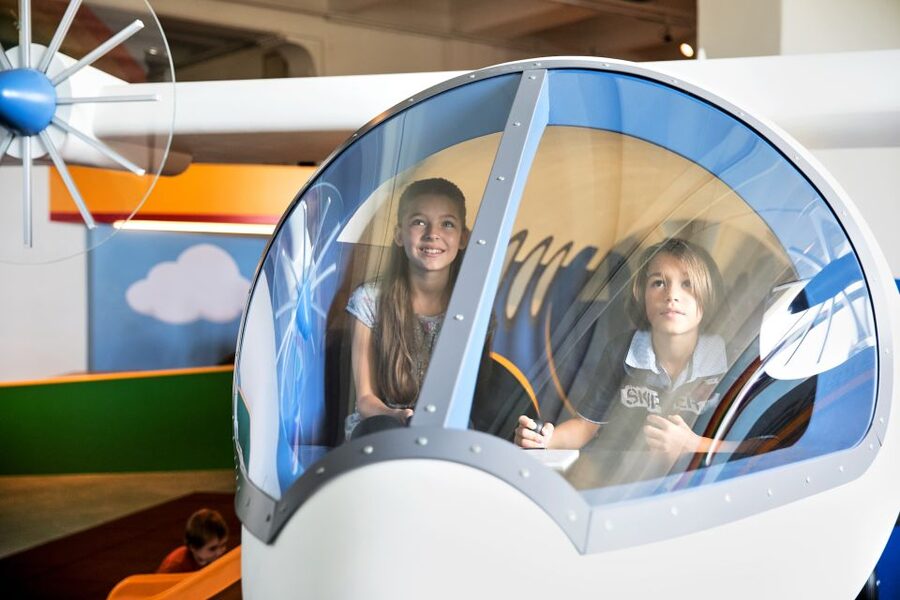
You are not just looking at a television or broadcast setup. You are placed in the role of the person delivering information. That small change makes the subject more memorable, particularly for children who may understand a news program better by participating in it.
Adults can appreciate the wider idea too. Broadcasting changed how people received news, formed opinions, and experienced events beyond their own neighborhoods. The activity turns a large social development into something immediate and easy to grasp.
As with the locomotive, the information provided does not specify operating hours or whether every station is available at all times. If this activity matters to your group, allow enough time to explore rather than arriving just before closing.
Technology explained through cultural context
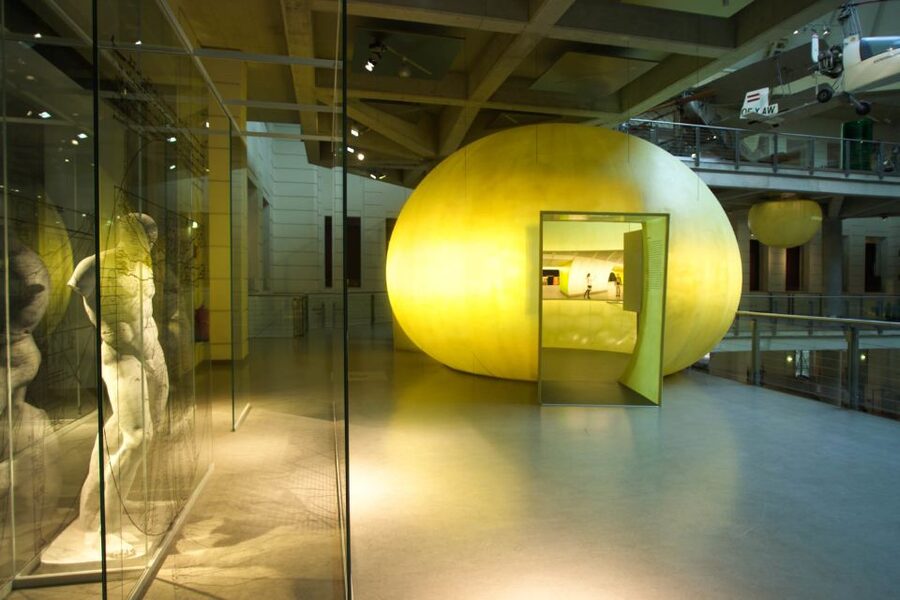
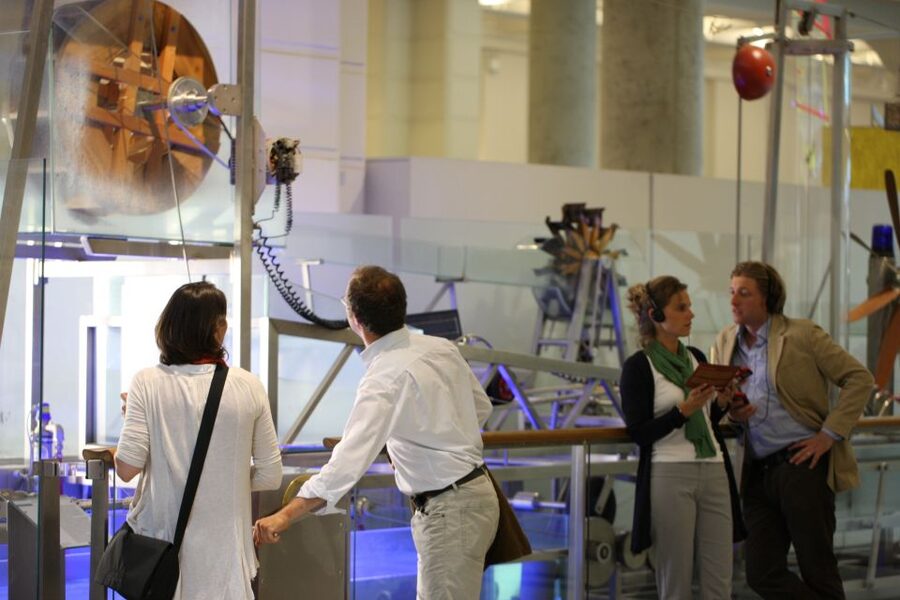
The museum’s strongest educational feature is its effort to place historic objects in context. Technology can seem dry when it is reduced to dates, inventors, and technical terms. It becomes more useful when you see how an invention affected work, travel, communication, or home life.
That approach also helps you understand why development brings new challenges. The museum presents technology as an ongoing process, with each advance shaping the next set of problems. You are encouraged not only to discover how things work, but also to reflect on their influence.
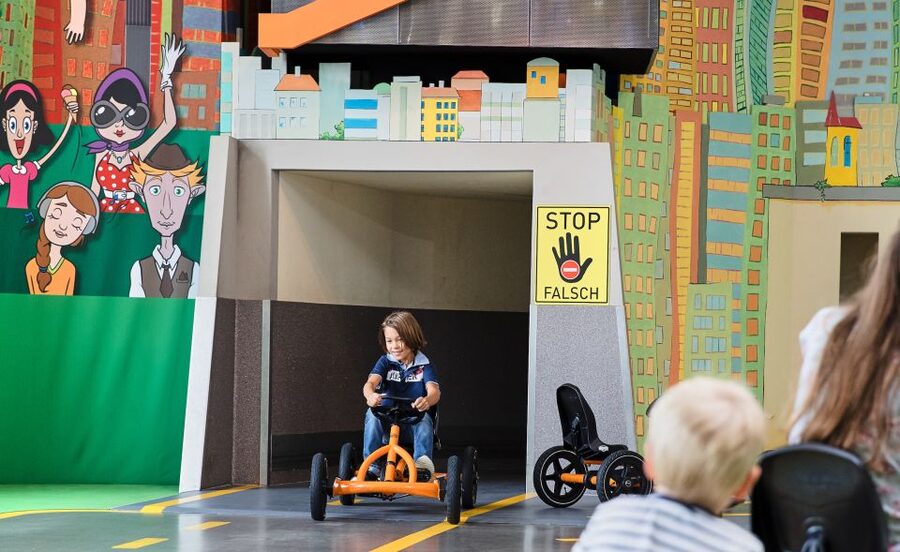
I would especially recommend this setting for families with children who ask practical questions. Hands-on displays give them a way to test ideas instead of simply reading labels. At the same time, the historical objects provide enough substance for adults who want more than entertainment.
The museum’s message is not that every new invention is automatically good. Its purpose is to show how technology surrounds you and how quickly it changes. That makes the visit relevant even when the displays focus on earlier periods.
How to plan your visit
This is a one-day admission, not a short timed activity with a fixed route. You decide how long to spend in each area, so a little planning will improve the experience.
I suggest identifying your must-see elements first. For many people, that means the steam locomotive, Sisi’s carriages, and the news-show activity. Once you know where they are and when demonstrations may take place, you can use the rest of your time for exhibits that catch your attention.
A full day is available, but you do not have to spend every minute inside. The ticket gives you room to take breaks and return to areas you passed too quickly. That flexibility is helpful for families, since younger children often need a change of pace.
Because the museum covers several fields of technology, do not expect a single simple storyline from entrance to exit. Its strength is variety. The tradeoff is that you may need to choose what deserves close attention.
Reserve in advance and check the starting time. The museum is closed on January 1, May 1, December 25, and December 31. Wheelchair access is available, which makes the attraction a practical option for visitors who need an accessible museum setting.
Who will enjoy this museum most
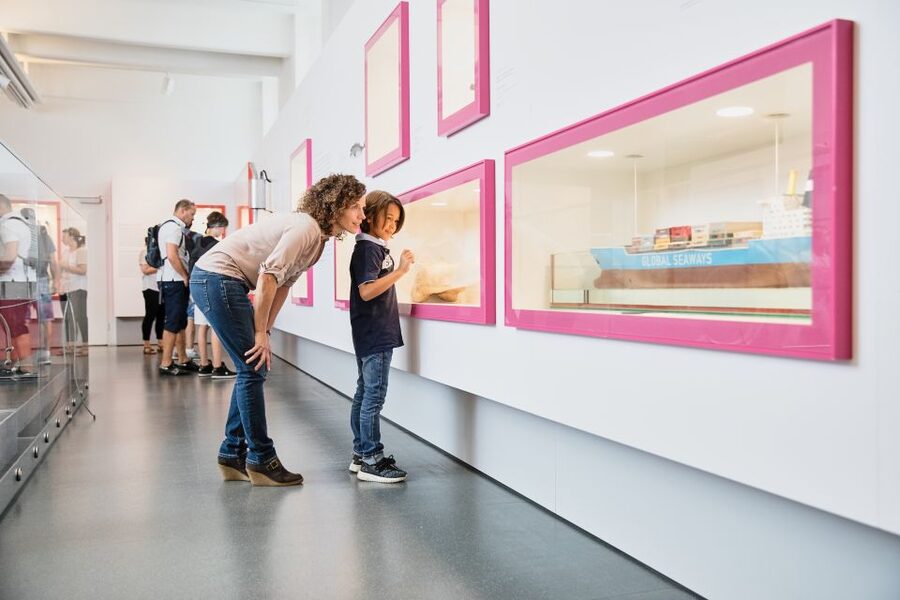
This experience is a strong choice for families. The interactive design gives children ways to participate, and the verified booking note specifically highlights that the museum is well suited to them. Reserve ahead, since a reservation is required.
It also works for adults interested in transport, engineering, communication, or the history of everyday life. You do not need a technical background. The exhibits are presented so that you can learn through objects and activities rather than through specialist study.
The museum is less suitable if you want a guided tour with a named expert leading you from room to room. No guide is included. It is also not the best choice if you prefer a small collection that can be finished quickly.
The $21 price makes the most sense when you treat the museum as a substantial part of your day. For a short visit, you are paying more for convenience than for time. For a longer visit, skip-the-line entry and the range of activities make the ticket more useful.
Should you book the Museum of Technology?
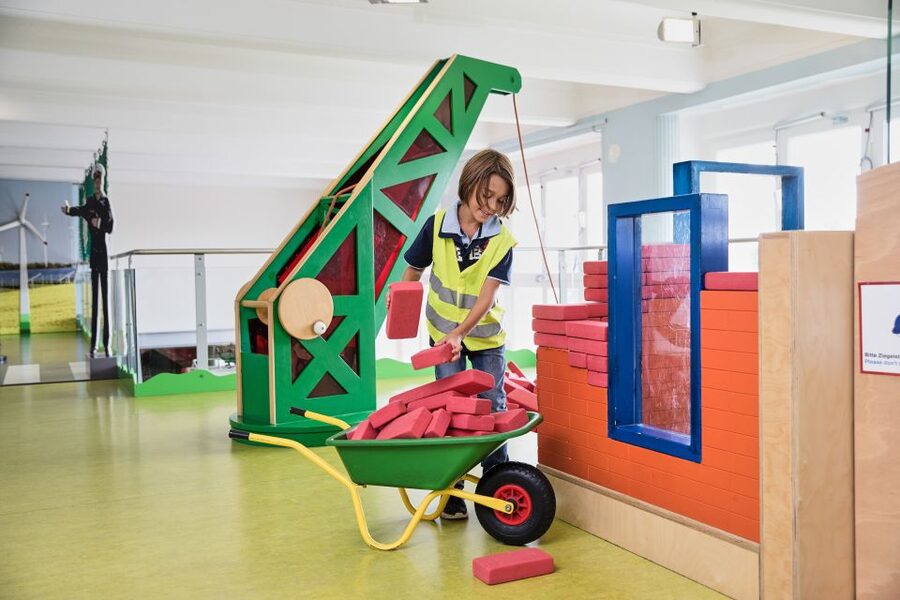
Book it if you want an indoor Vienna activity that combines working machinery, historic objects, and hands-on learning. The steam locomotive demonstration gives the museum a memorable centerpiece, while Sisi’s carriages and the news-studio activity add variety.
I would choose this for families, curious adults, and anyone who likes seeing technology in use rather than only reading about it. Reserve ahead, check the available starting time, and allow several hours so the $21 admission earns its keep.
Skip it if your schedule allows only a brief stop or if you want a guide and a tightly organized tour. For everyone else, this is a practical, accessible way to connect Vienna’s past with the technology that continues to shape daily life.
FAQ
Where is the Museum of Technology experience located?
It is located in Vienna, Austria.
How much does admission cost?
The listed price is $21 per person.
How long is the ticket valid?
The ticket is valid for one day.
Does the ticket include skip-the-line admission?
Yes. Skip-the-line admission is included.
Is a reservation required?
Yes. A reservation is required, and you should check availability for starting times.
Can I see a steam locomotive in action?
Yes. The museum features a special steam locomotive in action.
Can I see Empress Sisi’s personal carriages?
Yes. The museum displays Empress Sisi’s personal horse carriages.
Is the museum wheelchair accessible?
Yes. The activity is wheelchair accessible.
When is the museum closed?
The museum is closed on January 1, May 1, December 25, and December 31.
Just reviewed in Vienna
- World War II History Vienna Old Town Private Walking Tour★ 4.8 · 9 reviews
- Vienna: Wine Tasting E-Bike Tour★ 4.9 · 46 reviews
- Vienna: Winery and Wine Tasting Tour with a Wine Expert★ 5.0 · 5 reviews
- Vienna: Unforgettable Private City Tour★ 5.0 · 7 reviews
- Vienna Urban Art Tour: Explore a different side of Vienna!★ 3.8 · 14 reviews
- Vienna: Concert by the Vienna Baroque Orchestra★ 4.6 · 56 reviews
- Vienna: Sunday Brunch Danube Cruise & Live Music★ 4.2 · 42 reviews
- Vienna Supreme Orchestra at Palais Niederösterreich★ 4.8 · 10 reviews
Skip the Line, compared.


Skip-the-Line Sisi Museum, Hofburg and Gardens Tour
Read our review →

Skip the Line Schönbrunn Palace and Gardens Guided Tour
Read our review →
Schönbrunn Palace & Garden Skip-the-Line Guided Tour
Read our review →

Skip-the-Line Schonbrunn Palace Guided Tour and Vienna Historical City Tour
Read our review →Browse the lists this tour appears in