
Reviewed · VIENNA SELF-GUIDED AND AUDIO TOURS
Palais Lobkowitz Audio Guide Tour
Palais Lobkowitz gives you a close look at Vienna’s grand palace life without committing to a long museum visit. The real stars are Gustav Klimt’s Nuda Veritas and the Eroica Hall, where Beethoven’s celebrated symphony was first performed. I like the palace’s manageable scale and the way the audio guide links art, architecture, and music.
I also like the flexible seven-day validity. You can fit the visit around a busy Vienna schedule rather than race across town for one fixed entry time. The main consideration is that this is an audio-guided visit, not a personal tour with a live historian, so you should come ready to set your own pace and make your own connections.
Key points to know before you go
- Klimt’s Nuda Veritas: See one of Gustav Klimt’s best-known Jugendstil paintings and hear about its meaning and symbolism.
- Beethoven’s Eroica Hall: Visit the room linked to the first performance of the composer’s Eroica Symphony.
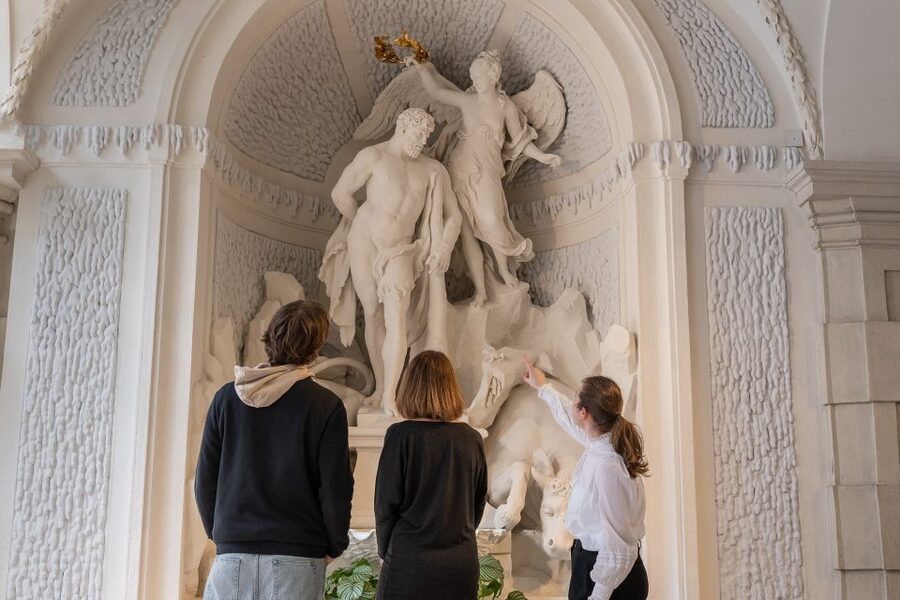
- Baroque palace interiors: Walk through an ornate Viennese city palace rather than a large, crowded museum complex.
- Flexible seven-day validity: Use your ticket within seven days, with starting times checked during booking.
- English and German audio: Follow the tour in either English or German, with the audio guide included in admission.
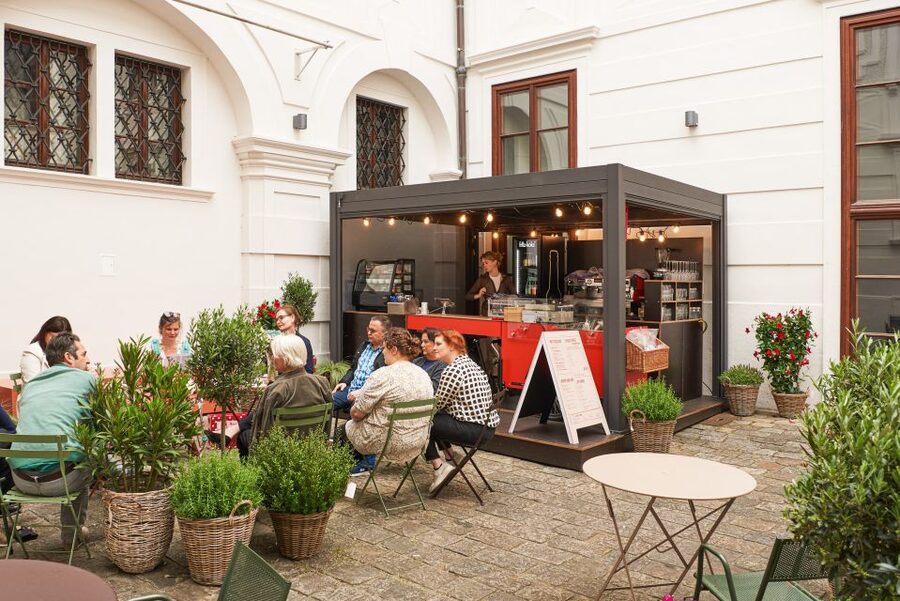
- Café im Lobkowitz: End the visit with a break at the palace’s new café.
Entering Palais Lobkowitz in Vienna
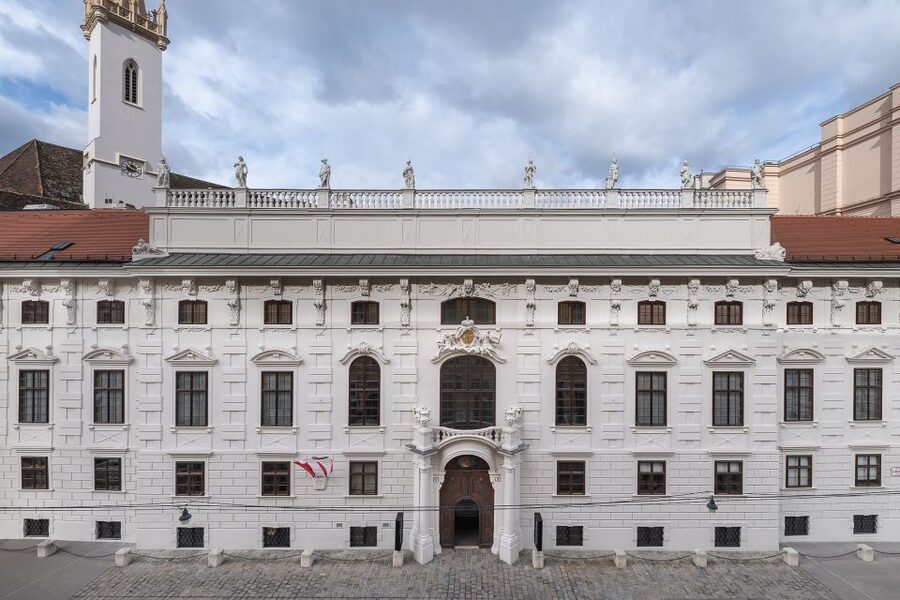
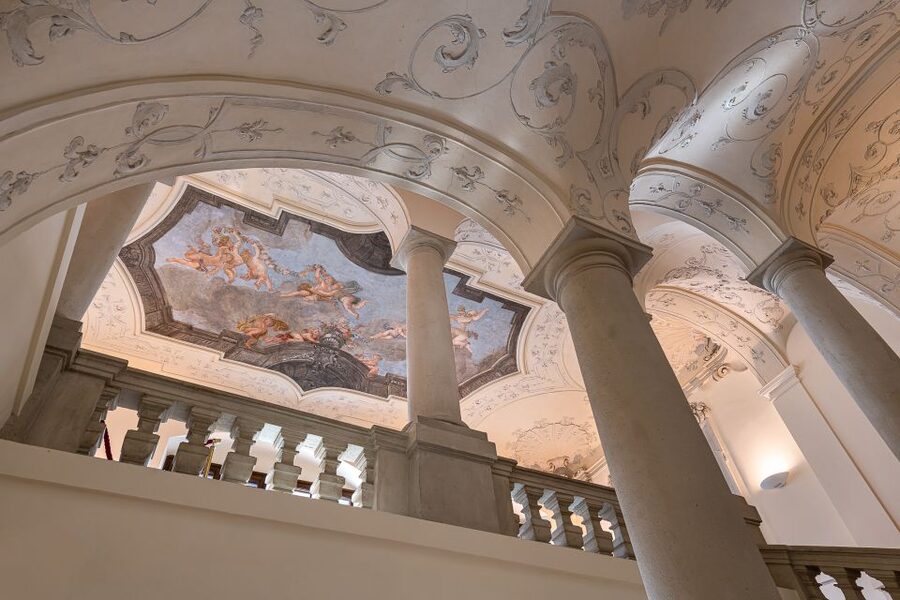
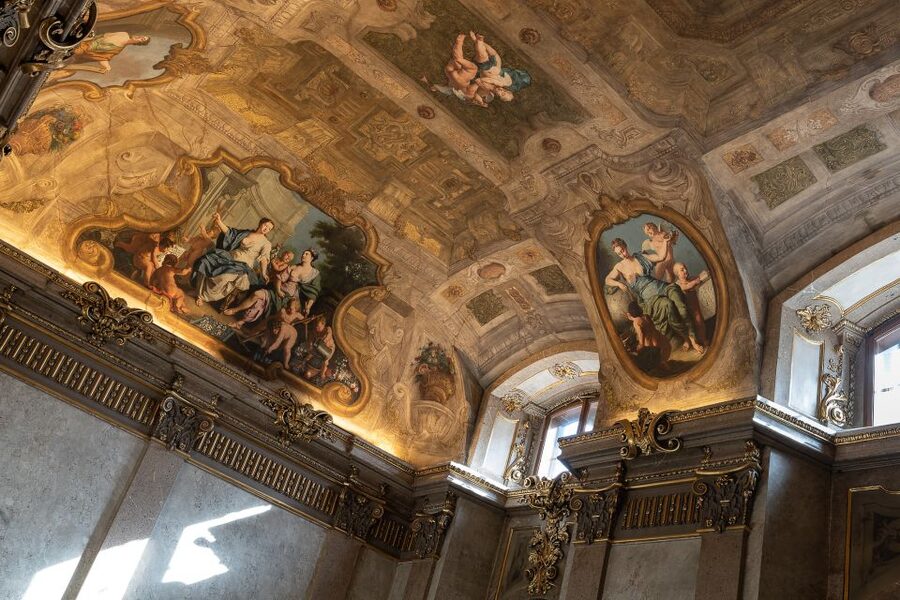
Palais Lobkowitz offers the sort of Vienna experience that can be easy to miss if you focus only on the city’s giant imperial sights. This is a historic city palace, built for aristocratic life rather than designed as a modern gallery. From the moment you enter, the baroque architecture sets the mood with formal decoration and a sense of ceremony.
I like the scale here. You get the visual drama of a palace, but the visit is focused around a few important rooms, artworks, and stories. That makes it a good choice when you want culture with a clear theme instead of another huge collection that takes half a day to understand.
The audio guide is included with your entry ticket. It lets you move through the palace independently, listening in English or German. The booking information also lists instruction in English and German, so you should select the language that suits you when arranging the visit.
This format gives you control. You can pause in front of a painting, spend more time in the Eroica Hall, or move along when you feel you have taken in enough. The tradeoff is simple: you will not have a live guide adjusting the explanation to your questions or interests.
More self-guided walks and audio tours:
- Vienna: Tickets for Mozarthaus Vienna with Audio Guide
★ 4.2 · 2,344 reviews - Vienna: Schlumberger Wine Cellar Guided or Self-Guided Tour
★ 4.8 · 285 reviews - Vienna: Scavenger Hunt Self-Guided Tour
★ 4.7 · 83 reviews
Why the baroque rooms matter
The palace interior is not just a backdrop for the art. Its baroque design helps explain how the Lobkowitz family lived and how a Viennese aristocratic residence functioned. The architecture gives the tour its sense of place before the audio guide begins connecting individual rooms to their stories.
You can expect ornate surroundings and a formal style that contrasts with Klimt’s later Jugendstil work. That contrast is one of the visit’s strengths. Instead of seeing Nuda Veritas in isolation, you encounter it inside a palace with its own older visual language.
I find this kind of setting more useful than viewing a famous work in a plain room. You gain a better sense of how Vienna’s artistic life changed over time, from aristocratic baroque interiors to the bold, decorative art of the late nineteenth century.
The palace is also a good stop for visitors who want to understand Vienna through its buildings. You are not only looking at objects behind glass. You are moving through rooms created for social, cultural, and family life.
Klimt’s Nuda Veritas and its symbolism
The visit’s major art stop is Nuda Veritas, a well-known Jugendstil painting by Gustav Klimt. The title means naked truth, and the audio guide explains the work’s meaning and symbolism rather than asking you to simply admire its decorative surface.
That explanation matters because Klimt’s paintings can look easy to read at first. The rich pattern, strong figure, and polished surface draw your eye, but the ideas behind the work give it more weight. I recommend listening carefully before moving on, then looking at the painting again with the guide’s points in mind.
Nuda Veritas also gives the tour a useful change of pace. The palace’s baroque rooms are formal and historic. Klimt’s work brings in a more modern Viennese voice, one concerned with artistic freedom, symbolism, and the power of the individual image.
You should not expect a large Klimt collection here. The appeal is seeing one important work in an intimate palace setting. If Klimt is your main reason for booking, keep your expectations focused on this single highlight rather than a full survey of his career.
For art lovers, this stop alone may justify the $20 price. For everyone else, it gives the tour a clear visual anchor and a memorable piece to carry with you after the visit.
Beethoven in the Eroica Hall
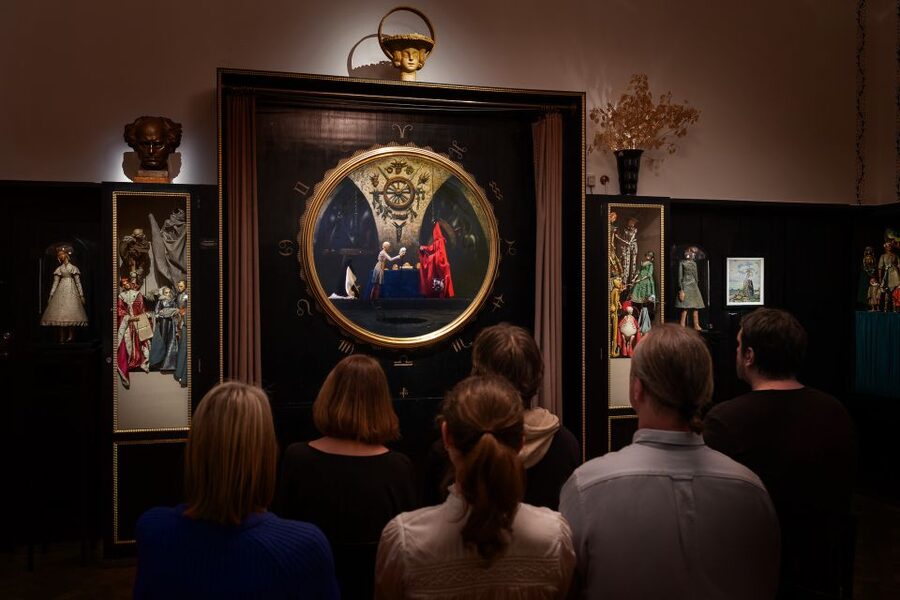
The Eroica Hall is the other central reason to visit. It takes its name from Beethoven’s Eroica Symphony, which was performed here for the first time. The room connects the palace to one of the most important moments in Beethoven’s musical story.
This is where the audio guide adds real value. It covers both the history of the room and the musicological importance of the symphony. You are not just entering a handsome hall and hearing that Beethoven once stood nearby. You get context for why the Eroica matters and how its first performance fits into the palace’s past.
I like the physical link between composer and room. Music history can feel abstract when you encounter it only in books or concert programs. Standing in the space associated with a first performance gives the story a more direct point of reference.
The hall also broadens the appeal of the tour. You do not need to be a serious Beethoven expert to enjoy it. If you already know the Eroica, the setting adds atmosphere and historical meaning. If you know little about the symphony, the guide gives you a starting point.
The available information does not promise a concert or live music during the visit, so you should treat the hall as a historic and interpretive stop rather than a performance venue. Its value lies in the connection between the room, Beethoven, and the symphony.
A different sort of day out in Vienna:
- Vienna: Vivaldi’s Four Seasons Concert in Karlskirche
★ 4.7 · 14,951 reviews - Vienna: Skip-the-cashier-desk-line Giant Ferris Wheel Ride
★ 4.5 · 7,859 reviews - Vienna: Schönbrunn Palace & Gardens Skip-the-Line Tour
★ 4.7 · 7,739 reviews - Vienna: Light of Creation Votive Church Immersive Light Show
★ 4.8 · 6,779 reviews
Following the Lobkowitz family story
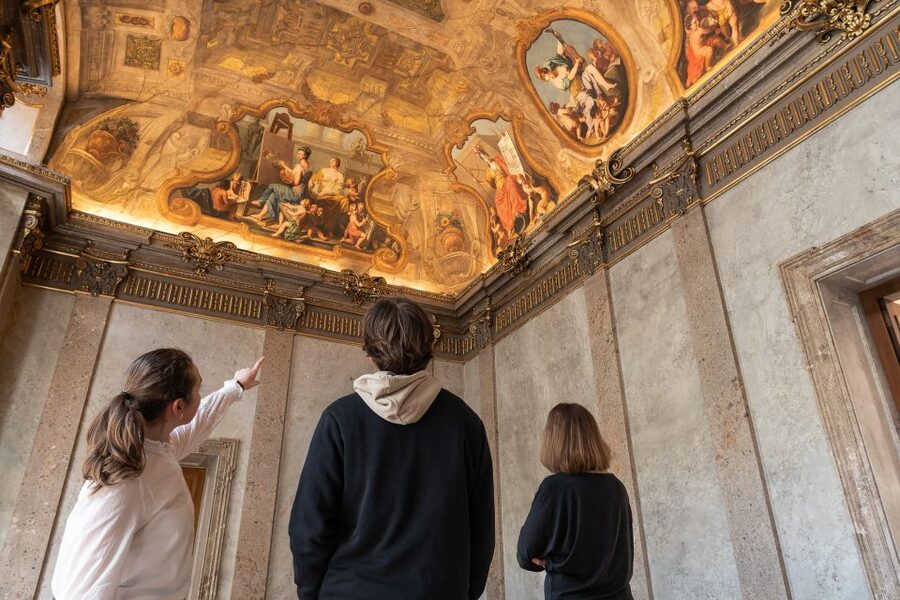
The audio guide introduces you to the Lobkowitz family and places the palace’s rooms within that family setting. This adds a personal layer to the visit. You are not just touring an anonymous aristocratic building. You are learning how one family’s home became tied to Vienna’s art and music worlds.
That family connection helps hold the stops together. The baroque architecture explains the palace. Nuda Veritas brings in Klimt and Viennese modernism. The Eroica Hall links the building to Beethoven. The Lobkowitz story gives these different pieces a common address.
I would listen to the guide in order rather than skip straight to the two famous highlights. The background makes the paintings and music room more meaningful. You will also get a better sense of why a city palace could serve as a place for family life, artistic display, and important musical events.
The tour’s strongest quality is its focus. It does not try to explain all of Vienna. Instead, it uses one building to show how architecture, family history, art, and music overlap.
How long to plan for the visit
The ticket is valid for seven days, and you check availability for starting times when booking. That is a useful arrangement if you are building a full Vienna itinerary around museum visits, concerts, and city walks.
A flexible ticket can also help you avoid stacking too many major sights into one morning. You might visit the palace on a day when you are already exploring central Vienna, or save it for a quieter gap between larger attractions.
The exact length of the audio tour is not stated, so I would avoid assigning a fixed number of minutes to the visit. Your time will depend on how closely you listen, how long you spend with Nuda Veritas, and how much attention you give the Eroica Hall and palace interiors.
The seven-day window does not mean you can enter repeatedly unless that is specifically stated. Read it as flexibility around when you use the ticket, not as an unlimited museum pass.
I like this setup for independent visitors. You can create a short cultural stop or take your time with the rooms. It is less suitable if you want a tightly scheduled guided experience with a known start and finish.
Is the $20 price good value?
At $20 per person, the ticket is reasonably priced if you care about Klimt, Beethoven, or historic interiors. Admission includes entry to Palais Lobkowitz and the audio guide, so you are paying for both the setting and the interpretation.
The value depends on what you want from a museum visit. If you are looking for a large collection with many galleries, this is not that kind of ticket. The palace offers a concentrated experience built around a small number of important highlights.
I see the price as strongest for visitors who would otherwise pass by the palace without learning what is inside. You get a historic building, a major Klimt work, a Beethoven connection, and a guided explanation without the cost or time commitment of a long private tour.
The ticket is also easier to justify because of the seven-day validity. You do not lose the full value of your purchase simply because your plans shift by a day. Free cancellation up to 24 hours before the visit adds another layer of flexibility, and the reserve-now, pay-later option lets you hold a place without paying immediately.
The listing has a rating of 4 from three reviews. That is a positive but very small sample, so I would not treat it as a firm measure of every visitor’s experience. The practical facts are more useful here: the key sights are strong, the price is moderate, and the format is self-guided.
Café im Lobkowitz and the rhythm of the visit
The new Café im Lobkowitz gives you a natural place to pause after the palace rooms. A café inside or connected with a cultural site can make the visit feel less rushed, especially after listening to several sections of an audio guide.
The available details do not specify the café’s menu, seating, or prices, so I would not plan a meal around it without checking separately. Think of it as a convenient break attached to the experience rather than a guaranteed culinary highlight.
I like having this option because the palace visit has several layers to process. You may want to sit for a moment after hearing about Klimt’s symbolism or Beethoven’s first Eroica performance. A short pause can help the details settle instead of blending into the rest of your Vienna sightseeing.
Who will enjoy Palais Lobkowitz most
I would recommend this experience to you if you like art, music, and historic rooms but prefer a focused visit. It suits independent people who enjoy choosing their own pace and listening to explanations when they want them.
It is especially good for:
- Klimt fans who want to see Nuda Veritas in person.
- Beethoven admirers interested in the Eroica Symphony’s first performance.
- First-time Vienna visitors who want a manageable palace experience.
- Museum visitors with limited time who prefer one focused cultural stop.
- Independent sightseers who do not need a live guide.
- Visitors using wheelchairs, since the experience is listed as wheelchair accessible.
You may want to choose another activity if your priority is a long, personal conversation with a historian, a large collection of paintings, or a live Beethoven performance. None of those are promised here.
The language choice is straightforward. The audio guide is available in English and German, and the activity information also lists English and German for instruction. Make sure the language you need is selected when you book.
Practical details that affect your decision
You can cancel up to 24 hours in advance for a full refund. You can also reserve now and pay later, which is useful if your Vienna schedule is still changing.
Starting times depend on availability, so check them before you build the rest of your day around the palace. The seven-day validity gives you room to shift the visit, but you still need to use the ticket within that stated period.
The experience is provided by the Kunsthistorisches Museum, a name that gives the visit a strong museum connection. Even so, the tour itself remains centered on Palais Lobkowitz, its rooms, Klimt, Beethoven, and the Lobkowitz family.
Because the tour is audio-guided, bring the mindset of an independent museum visit. You control the speed, the order of your attention, and the time spent at each highlight. That freedom is useful, but you will need to stay engaged rather than expect a live person to lead every step.
Should you book Palais Lobkowitz?
Book it if you want a reasonably priced, focused look at a Viennese city palace with two clear stars: Klimt’s Nuda Veritas and Beethoven’s Eroica Hall. The audio guide gives both stops context, while the baroque rooms provide the setting.
I would especially choose it if you have already seen Vienna’s biggest imperial attractions and want something more intimate. The flexible seven-day ticket, English and German audio, wheelchair accessibility, and cancellation terms make the visit easy to fit into a changing itinerary.
Skip it if you want a large museum, a live guide, or a concert. But for a compact cultural experience that joins art, music, and palace life, $20 is a fair price.
FAQ
Where is Palais Lobkowitz Audio Guide Tour located?
The experience is located in Vienna, Austria, at Palais Lobkowitz.
How much does the tour cost?
The listed price is $20 per person.
How long is the ticket valid?
The ticket is valid for seven days. You should check availability for the starting times offered when booking.
Is an audio guide included?
Yes. Admission includes the Palais Lobkowitz entry ticket and an audio guide.
Which languages are available?
The audio guide is available in English and German. The activity also lists English and German for instruction.
Can I cancel the booking?
Yes. You can cancel up to 24 hours in advance for a full refund.
Is the experience wheelchair accessible?
Yes. Palais Lobkowitz Audio Guide Tour is listed as wheelchair accessible.
Just reviewed in Vienna
- World War II History Vienna Old Town Private Walking Tour★ 4.8 · 9 reviews
- Vienna: Wine Tasting E-Bike Tour★ 4.9 · 46 reviews
- Vienna: Winery and Wine Tasting Tour with a Wine Expert★ 5.0 · 5 reviews
- Vienna: Unforgettable Private City Tour★ 5.0 · 7 reviews
- Vienna Urban Art Tour: Explore a different side of Vienna!★ 3.8 · 14 reviews
- Vienna: Concert by the Vienna Baroque Orchestra★ 4.6 · 56 reviews
- Vienna: Sunday Brunch Danube Cruise & Live Music★ 4.2 · 42 reviews
- Vienna Supreme Orchestra at Palais Niederösterreich★ 4.8 · 10 reviews
Vienna Self-Guided and Audio Tours, compared.


The Great Plague Exploration Game
Read our review →
Vienna Walking Tour with Audioguide on Your Smartphone
Read our review →
The Heart of Vienna: A Self-Guided Audio Tour
Read our review →
Browse the lists this tour appears in