
Reviewed · VIENNA MOZART CONCERTS AND TOURS
Mozart Kugel Workshop
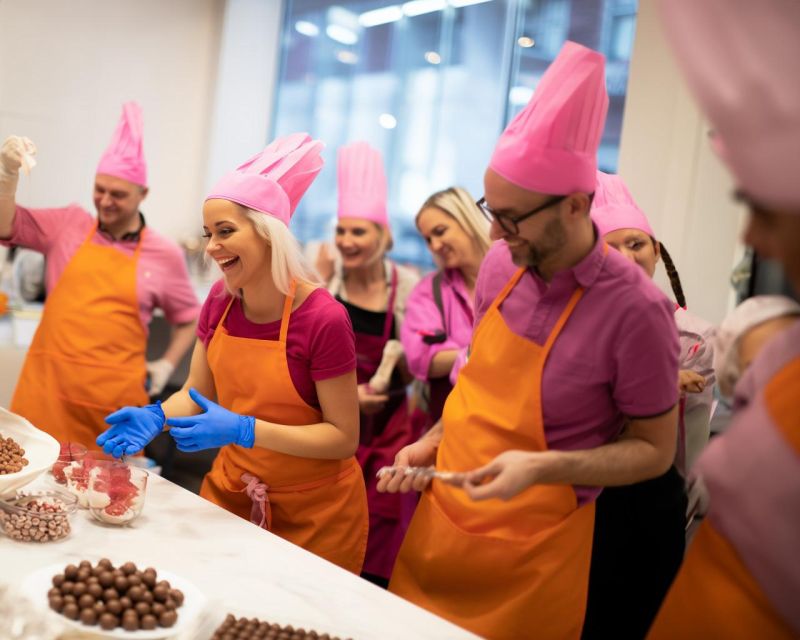
The best part of this Vienna workshop is that you do not just taste a Mozart Kugel, you build one from its nutty center outward. In 90 minutes, you shape hazelnut, pistachio, and marzipan layers, choose a milk, white, or dark chocolate shell, and leave with 24 handmade sweets.
I like the generous take-home box and the way the class works for different ages, from children practicing small motor skills to older adults who want a relaxed indoor activity. I also like the warm orange hot chocolate, which gives the class a little historical flavor without turning it into a lecture.
The main limitation is clear: this is an English-only workshop, and people with nut allergies should not book. At $82 per person, it is best value if you want both a hands-on class and a substantial edible souvenir, not simply a chocolate tasting.
Key points to know before you book
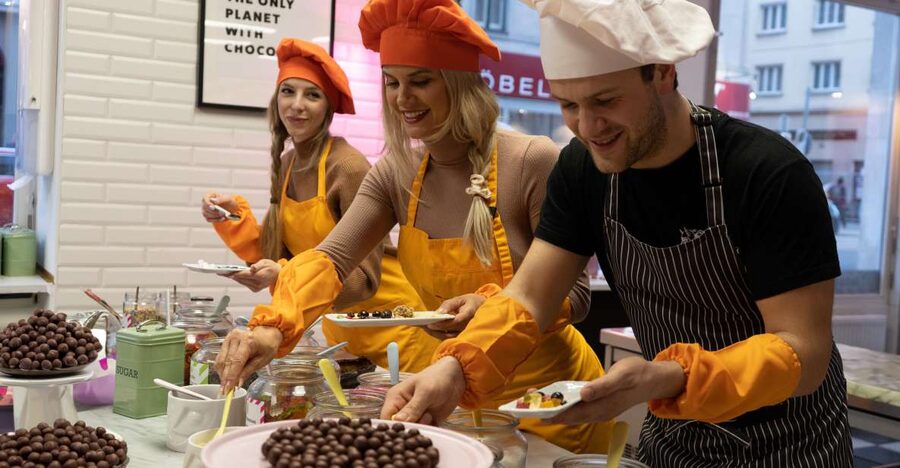
- Make 24 Mozart Kugels: You build the sweets yourself and take the finished batch home in a proper box.
- Choose your chocolate: Pick milk, white, or dark chocolate for the outer coating.
- Learn the layered recipe: Hazelnut forms the center, pistachio adds the next layer, and marzipan completes the structure.
- Prepare orange hot chocolate: The Maria Antonietta-inspired drink combines chocolate, orange zest, and spices.
- Meet at the Chocolate Museum Vienna: The workshop takes place at Schönbrunner Strasse 99, in a pink building.
- Expect a family-friendly pace: The instructions are easy to follow, though children cannot attend without an accompanying adult.
Building a Mozart Kugel from the center out
The class begins with the ingredients that give a Mozart Kugel its distinctive character. You start by blending hazelnuts into a smooth mixture that becomes the center of the sweet.
Next comes the pistachio layer. You work this green nut mixture around the hazelnut core, adding both color and another flavor. The process is more hands-on than simply dipping candy into chocolate, because you are shaping the layers and trying to keep the finished piece neat.
Marzipan forms the next layer. You mold it around the pistachio and hazelnut center, creating the base that will later receive its chocolate coating. This is where the class feels more like a craft session than a standard cooking demonstration. The pieces do not need to look factory-perfect, and that is part of the charm.
Your chocolatier gives instructions as you go, showing you how to handle the ingredients and assemble the layers. The precise techniques are kept manageable, so you do not need previous candy-making experience. The class is designed for participation, not for watching an expert do all the work.
The finished Kugels are then coated in your choice of chocolate. Milk chocolate gives the most familiar, creamy result. White chocolate is sweeter and lighter in flavor, while dark chocolate gives the strongest contrast with the marzipan and nut layers.
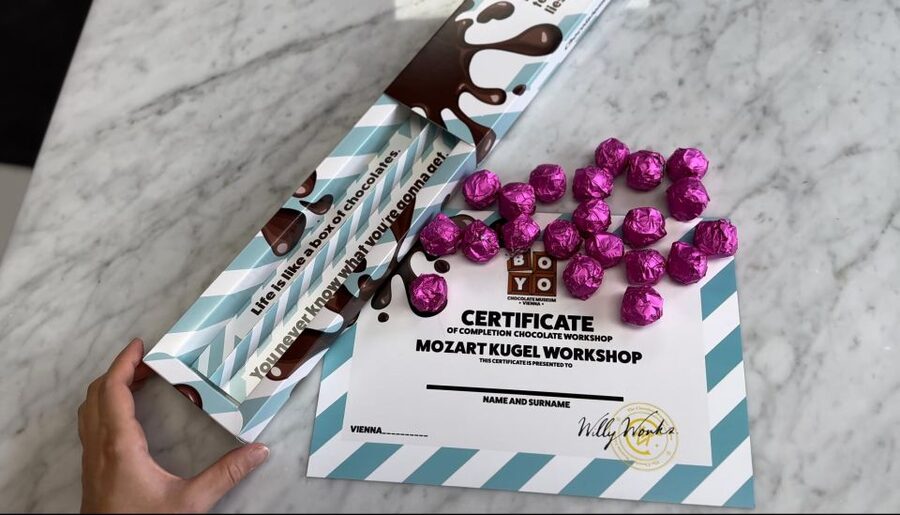
You also select colorful foil for wrapping the sweets. That small final step makes the batch feel personal and gives you something attractive to show when you bring the box home.
More Mozart concerts and walks:
- Vienna: Mozart Concert at the Golden Hall
★ 4.6 · 3,986 reviews - Vienna: Classical Concert at Mozart’s First House
2,423 reviews - Vienna: Mozart and Strauss Concert at Schönbrunn
★ 4.5 · 2,364 reviews
Why 24 handmade sweets make a difference
Many food activities leave you with a sample or two. This one gives you 24 Mozart Kugels, which changes the value calculation.
You can eat one during the workshop and save the rest for later. The included box helps protect and transport them, so you do not need to improvise a container in your luggage. It also makes the finished batch suitable as a small gift, assuming you can resist eating them first.
The large quantity is particularly useful for families or couples. You can share the sweets at home, bring them to friends, or use them as edible reminders of Vienna. If you are visiting for several days, the box gives you a souvenir that lasts beyond the afternoon.
There is one practical catch. Handmade chocolates are not the easiest item to carry around all day, especially if the weather is warm. Plan to take the box back to your accommodation after the workshop rather than leaving it in a sightseeing bag for hours.
Maria Antonietta’s orange hot chocolate
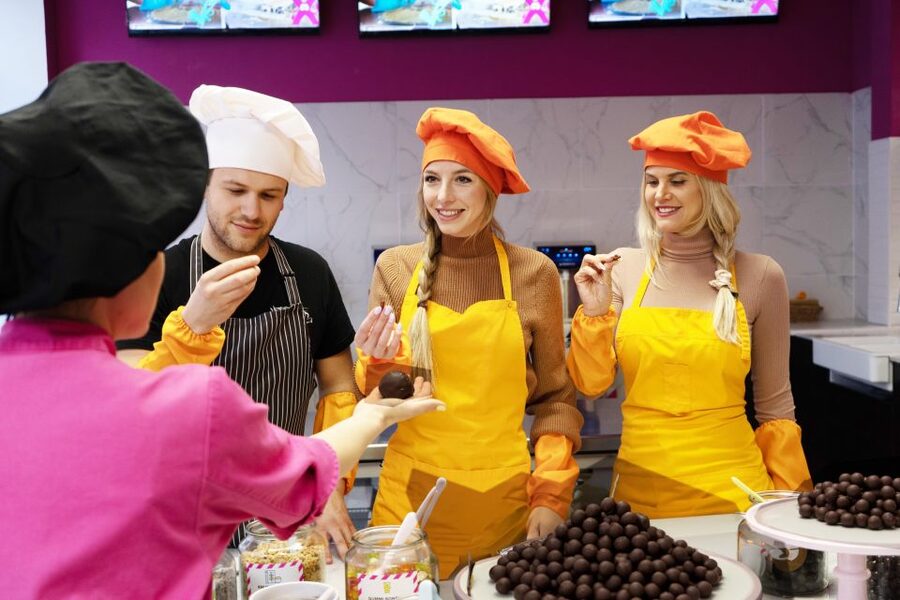
The second part of the class shifts from solid chocolate to a warm drink. You prepare Maria Antonietta’s Orange Hot Chocolate using premium chocolate, fresh orange zest, and selected spices.
The orange keeps the drink from tasting like an ordinary cup of cocoa. It adds a fragrant note that cuts through the sweetness, while the spices give the recipe a period-inspired feel. You receive the ingredients and prepare the drink under guidance from the chocolatier.
This section is valuable because it breaks up the shaping and coating work. It gives you a chance to sit with a warm drink while still taking part in the food preparation.
The historical connection is light rather than academic. You get a taste of the courtly style associated with Maria Antonietta and Austrian nobility, but this is still a practical chocolate workshop. If you want a detailed lesson in imperial food history, this will feel brief. If you want a pleasant story attached to your hot chocolate, it works well.
The instructors make the class work
The quality of a hands-on class depends heavily on the person leading it. Here, several instructors have earned especially warm praise.
Jana is described as an excellent instructor, while Selma is noted for being friendly, helpful, and skilled at making the process easy to follow. Dimi is remembered for creating an intimate and informative class, with a personable style that encouraged conversation. Jelena and Zelma are also singled out for being helpful and well informed.
You should not assume that one particular instructor will lead your session, but these names give you a sense of the teaching style to expect. The strongest pattern is patience. One participant particularly appreciated an instructor who showed small tricks and took time to help.
That matters if you are bringing a child, an older parent, or anyone who is not confident with crafts. A chocolate class can become frustrating if the instructions move too fast. This one appears to leave room for help while keeping the activity moving.
The class has also worked well for a 75-year-old mother and for a parent with a child. That makes it a useful choice when your group has different ages and energy levels. You do not need to be a serious cook to take part.
A few more Vienna outings worth weighing up
- Chocolate workshop in Chocolate Museum Vienna “BO-YO”
★ 4.5 · 352 reviews - Nabiel’s Vienna Cooking Class
★ 5.0 · 234 reviews - Vienna: Wiener Schnitzel and Strudel Cooking Class
★ 4.9 · 126 reviews - Viennese Waltz Workshop
★ 5.0 · 65 reviews
A good indoor break at the Chocolate Museum Vienna
The meeting point is the Chocolate Museum Vienna at Schönbrunner Strasse 99, housed in a pink building. That location gives you a clear landmark and places the activity in a setting suited to the subject.
The 90-minute length is well judged for a city break. It is long enough to make the chocolates and prepare the drink, but short enough to fit between other Vienna plans. It also offers a welcome change from museums, palaces, and long walks.
I would especially consider it on a cold or rainy day. You get a warm drink, a seated craft activity, and food to take home. One participant specifically found it a good winter activity, and that makes sense: the workshop gives you a useful indoor plan without asking for half a day.
You should still check the starting time before booking, since the available times can vary. Allow enough time to arrive at the pink building without rushing. The activity is in Vienna state, but the meeting point itself is the detail you need for planning.
How the $82 price compares with the experience
At $82 per person, this is not a bargain if you judge it as a simple chocolate snack. You are paying for instruction, all ingredients, the equipment, the drink preparation, the box, and 24 finished Mozart Kugels.
The value improves if you would otherwise buy several boxes of Mozart Kugels as souvenirs. You receive a full batch and get the experience of making them, rather than only purchasing factory-made sweets. The box also saves you from finding suitable packaging for the journey home.
For a family, the cost can add up quickly. Children may enjoy the process, but an adult must accompany any minor, since unaccompanied minors are not allowed. I would choose this for a family that genuinely likes making food, not for a group that only wants a quick taste.
The price also makes more sense for people who value a guided activity. A skilled chocolatier helps you through the layers and coating, and the class includes the orange hot chocolate as a second project. If you want the cheapest way to sample Austrian chocolate, visit a shop instead.
Who will enjoy this most
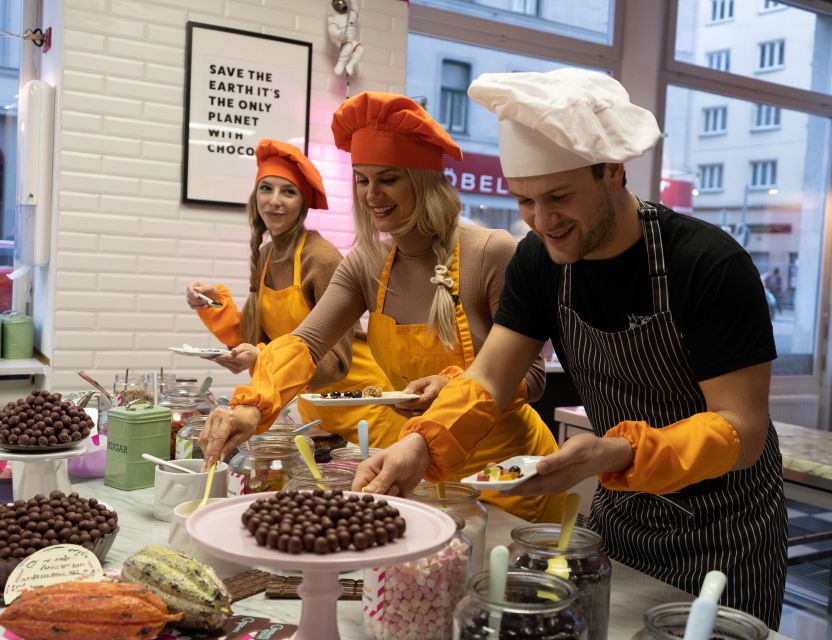
This workshop suits you if you like to bring an activity into your sightseeing day. It is not passive, and you leave with something you made yourself.
It is a strong pick for:
- Families looking for a short, hands-on activity
- Couples who want an edible souvenir
- Adults traveling with parents or grandparents
- Chocolate lovers who enjoy milk, white, or dark chocolate
- Visitors needing an indoor plan in colder weather
- Anyone who prefers an English-speaking class
The class may not suit you if you dislike marzipan, nuts, or sweet chocolate. Hazelnuts and pistachios are central to the recipe, so people with nut allergies should not attend.
You should also skip it if you need a German-language activity. The workshop is conducted in English only, including the instruction from the chocolatier.
What the finished experience feels like
The pace moves through several small tasks: mix, shape, layer, coat, wrap, and pack. That variety keeps the 90 minutes from feeling repetitive.
The hands-on work also gives the activity a social side. You can compare shapes and foil choices with the people in your group, while the instructor helps with technique. The setting is described as colorful and filled with chocolate and candy, which adds to the playful mood.
The class is not about producing perfect professional confectionery. Your Kugels may vary in shape, and your foil wrapping may look more personal than polished. That is exactly why the take-home box feels worthwhile: it holds your own batch, not a standard product picked from a shelf.
You also get a taste of Austrian food culture in a direct way. Mozart Kugels are tied to the composer Wolfgang Amadeus Mozart, but the workshop focuses on how the confection is made and enjoyed. You learn through your hands, not through a long presentation.
Booking details worth keeping in mind
The activity lasts 90 minutes, and you should check the available starting times before fitting it into your day. The meeting point is the Chocolate Museum Vienna at Schönbrunner Strasse 99.
Cancellation is free up to 24 hours before the scheduled activity for a full refund. You can also reserve now and pay later, which helps if you are still arranging the rest of your Vienna plans.
The class is English only. Children must be accompanied by an adult, and the workshop is not suitable for people with nut allergies.
The activity has a listed rating of 4.7 from 129 reviews, with repeated praise for friendly instructors, simple directions, family appeal, and the generous box of 24 chocolates. The most useful takeaway is that the experience depends as much on the chocolatier’s patience as on the recipe itself.
Should you book the Mozart Kugel Workshop?
Book it if you want more than a souvenir and like the idea of making one of Vienna’s famous sweets from scratch. The combination of 24 chocolates, a personal box, three coating choices, and orange hot chocolate gives the 90 minutes real substance.
I would especially recommend it for families, mixed-age groups, and anyone looking for a warm indoor activity. The workshop has enough structure for beginners, but still gives you choices in flavor and decoration.
Skip it if $82 feels too high for a confectionery class, if you have a nut allergy, or if your main goal is a short tasting. For everyone else, this is a cheerful way to spend part of a Vienna day, with a box of edible souvenirs to prove you did more than just admire the chocolate.
FAQ
How long does the Mozart Kugel Workshop last?
The workshop lasts 90 minutes.
Where does the workshop take place?
It takes place at the Chocolate Museum Vienna at Schönbrunner Strasse 99 in Vienna.
What language is the workshop conducted in?
The instructor teaches the workshop in English only.
How many Mozart Kugels do I take home?
Each person receives 24 handmade Mozart Kugels to take home.
Can I choose the type of chocolate coating?
Yes. You can choose milk, white, or dark chocolate for the coating.
What ingredients are used to make the Mozart Kugels?
The recipe includes hazelnuts, pistachio, marzipan, and chocolate.
Is the orange hot chocolate included?
Yes. The workshop includes the Maria Antonietta’s Orange Hot Chocolate experience and the ingredients needed to prepare it.
Can children attend alone?
No. Unaccompanied minors are not allowed. Children must attend with an accompanying adult.
Just reviewed in Vienna
- World War II History Vienna Old Town Private Walking Tour★ 4.8 · 9 reviews
- Vienna: Wine Tasting E-Bike Tour★ 4.9 · 46 reviews
- Vienna: Winery and Wine Tasting Tour with a Wine Expert★ 5.0 · 5 reviews
- Vienna: Unforgettable Private City Tour★ 5.0 · 7 reviews
- Vienna Urban Art Tour: Explore a different side of Vienna!★ 3.8 · 14 reviews
- Vienna: Concert by the Vienna Baroque Orchestra★ 4.6 · 56 reviews
- Vienna: Sunday Brunch Danube Cruise & Live Music★ 4.2 · 42 reviews
- Vienna Supreme Orchestra at Palais Niederösterreich★ 4.8 · 10 reviews
Vienna Mozart Concerts and Tours, compared.
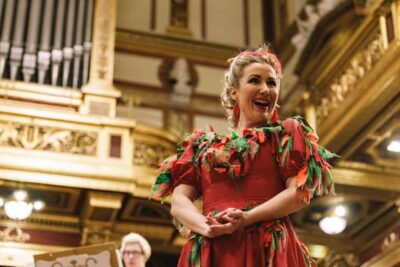
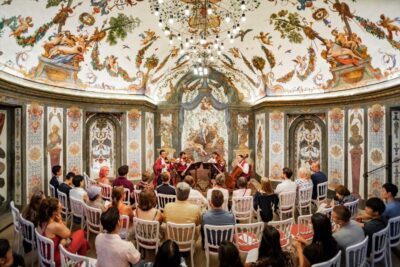
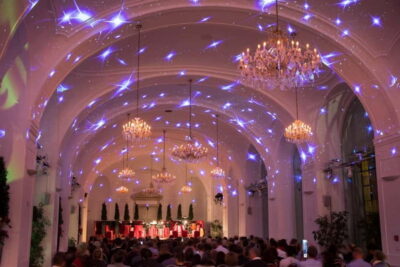
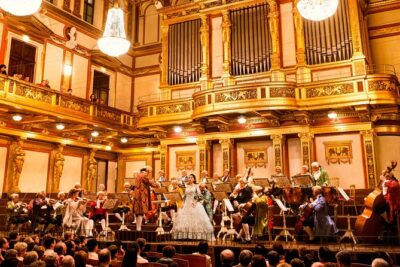
Vienna Mozart Concert in Historical Costumes at the Musikverein
Read our review →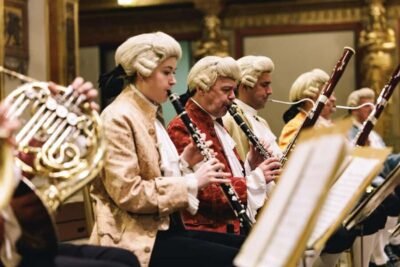
Browse the lists this tour appears in