
Reviewed · SCHöNBRUNN PALACE TOURS
Vienna: Imperial Carriage Museum in Schönbrunn Palace Ticket
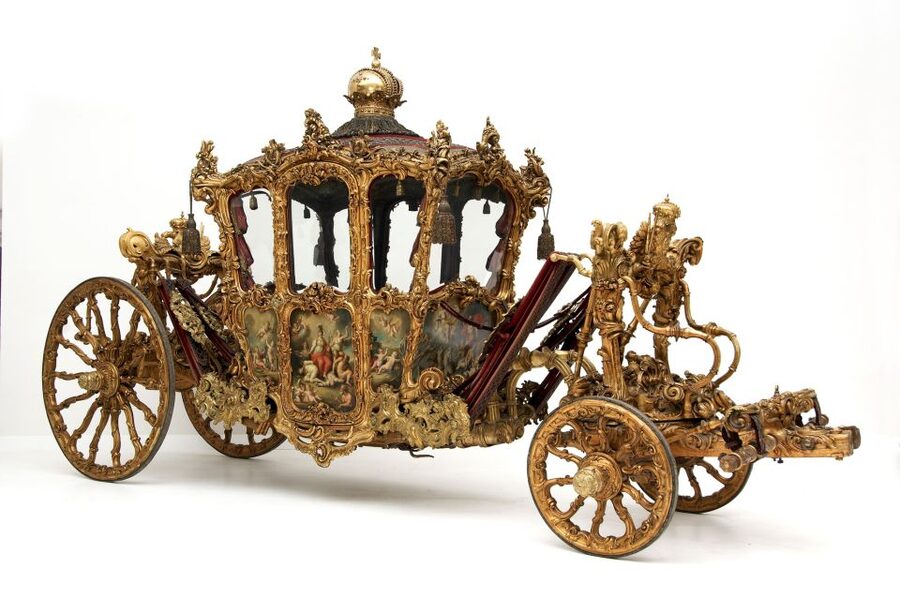
The grand Baroque imperial coach is the star here, but the museum is more than a room full of decorated wheels. You follow the lives of Maria Theresia, Napoleon, Franz Joseph, and Empress Elisabeth through the vehicles they used for ceremonies, travel, family life, and royal display. I especially like the Sisi Trail, with Elisabeth’s surviving saddle, riding chapel, and original dresses. I also like the mix of imposing state coaches and small children’s carriages, which makes the Habsburg story feel more human.
The main catch is practical: your voucher must be printed, and one recent visitor lost several hours looking for a place to print and exchange the ticket. I’d handle that before reaching Schönbrunn. The $14 price is fair for a focused museum visit, particularly if you care about imperial history, decorative arts, or Sisi.
Key points to know before you go
- The Baroque imperial coach is the visual centerpiece, built for ceremony rather than comfort.
- Maria Theresia, Napoleon, and Franz Joseph each have a place in the story, giving the collection a clear historical path.
- The Sisi Trail adds personal detail, including Empress Elisabeth’s only surviving saddle, riding chapel, and original gowns.
- The collection includes more than royal coaches, with traveling vehicles and charming carriages made for Habsburg children.
- An audio guide is available only with the appropriate booking option, and one Italian-language user found it concise and useful.
- Bring a printed voucher, since a digital booking alone may not be enough for entry and ticket exchange.
Why the carriages tell a better story than a palace room
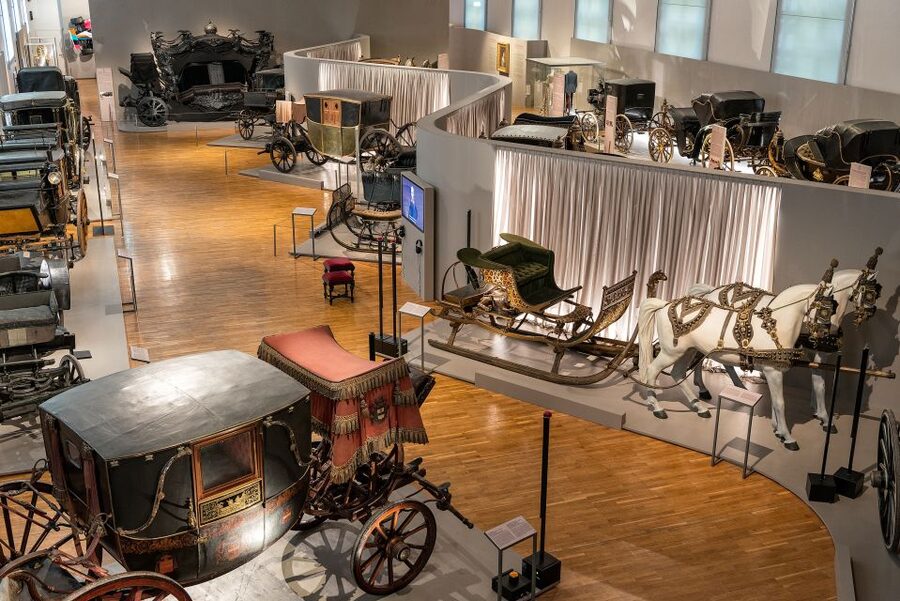
Schönbrunn Palace is famous for rooms, gardens, and imperial ceremony. The Imperial Carriage Museum gives you another way to understand that world: by showing how the Habsburgs moved through it.
A carriage was never just transport for a ruler. Its size, decoration, materials, and intended use told people who was inside and why that person mattered. A huge ceremonial coach projected power. A traveling coach had to offer more comfort. A child’s carriage revealed something about family life that formal portraits often hide.
That range makes this museum useful even if you are not a carriage enthusiast. You are not simply comparing wheels and paint. You are seeing the machinery of court life, from public entrances to private journeys.
The route connects vehicles with the people who used them. Maria Theresia, Napoleon, and Franz Joseph appear as historical figures, but the carriages give their lives physical shape. Empress Elisabeth, better known as Sisi, receives the most personal treatment through the dedicated Sisi Trail.
I like this approach because it keeps the visit focused. You can see the main collection in one day without committing to another enormous palace tour. At the same time, the exhibits offer enough detail for anyone who wants to pause and study the objects.
More ways into Schonbrunn Palace:
- Vienna: Schönbrunn Palace & Gardens Skip-the-Line Tour
★ 4.7 · 7,739 reviews - Vienna: Skip-the-Line Schönbrunn Palace & Gardens Tour
★ 4.8 · 5,411 reviews - Vienna: Mozart and Strauss Concert at Schönbrunn
★ 4.5 · 2,364 reviews
The Baroque imperial coach deserves your first close look
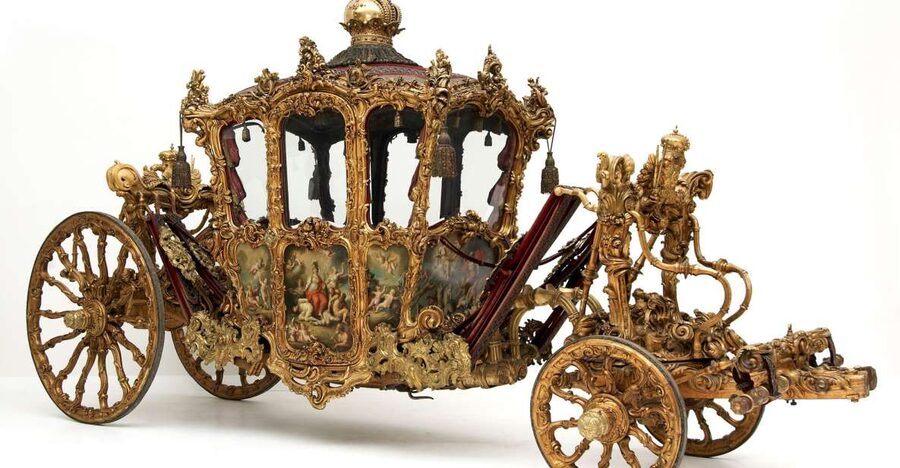
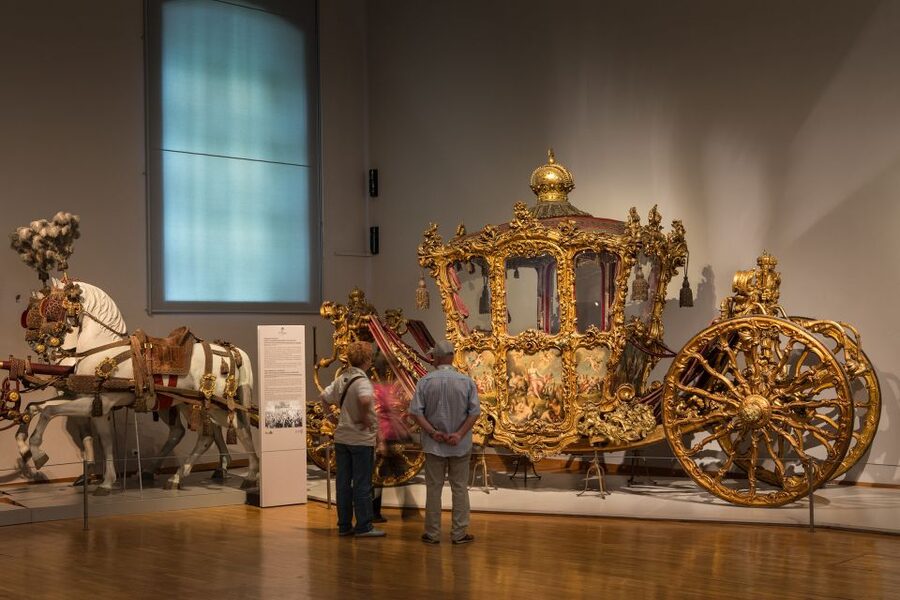
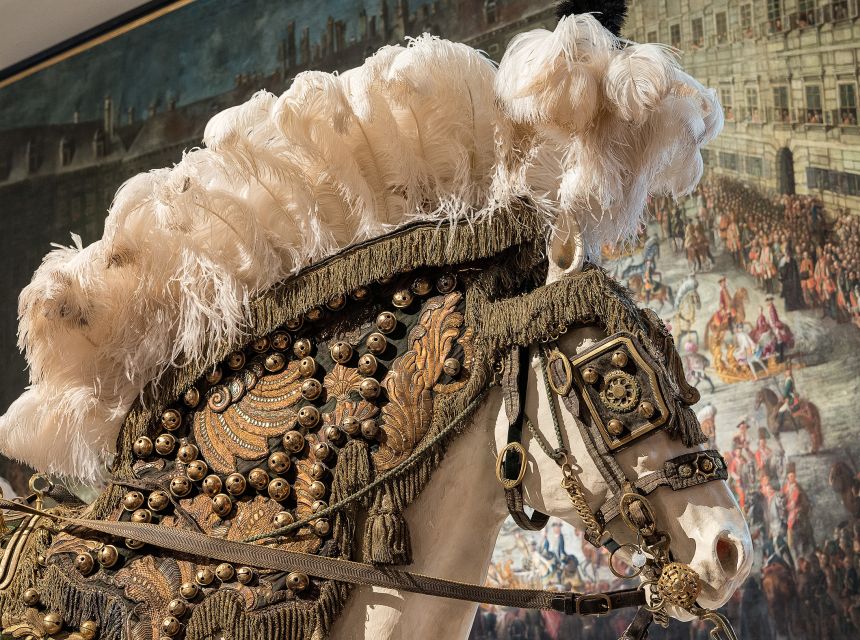
Begin with the Baroque imperial coach, the museum’s main visual prize. Its purpose was ceremony, not an easy ride across town. The scale and decoration make clear that the carriage was designed to be seen by crowds.
Give it time from more than one angle. You will notice the difference between a vehicle meant to announce imperial authority and a carriage intended for ordinary travel. The coach is a useful starting point because it explains the basic language of the collection: ornament, rank, public theater, and royal expense.
This is also where expectations matter. If you picture a hands-on transport museum, you may find the visit more static than expected. The emphasis is on preservation and historical display, not demonstrations or rides. You look, read, and connect each vehicle to the person or occasion behind it.
For many people, that is enough. The Baroque coach gives you the memorable image, while the smaller carriages and personal items supply the human details afterward.
Maria Theresia, Napoleon, and Franz Joseph in one compact route
The museum’s historical path brings together rulers from different periods and political settings. Maria Theresia’s carriages point to the ceremonial and family world of the Habsburg court. Napoleon’s presence adds a wider European dimension. Franz Joseph connects the display to the late imperial era familiar from Vienna’s grand public buildings.
The value here is comparison. You can ask what changed between these figures and what stayed the same. The court still needed vehicles for ceremony, travel, and representation, but styles and practical needs shifted over time.
You also get a clearer sense of how public and private life overlapped. A ruler might require an elaborate coach for a formal appearance, then use a more comfortable traveling carriage away from the ceremony. That contrast prevents the collection from becoming a parade of identical royal objects.
I would not rush this section just because you have already seen carriages in other museums or palace displays. The names give each vehicle a reason to matter. Even a visitor with only a general interest in European history can follow the progression without needing specialist knowledge.
The Sisi Trail adds the museum’s most personal details
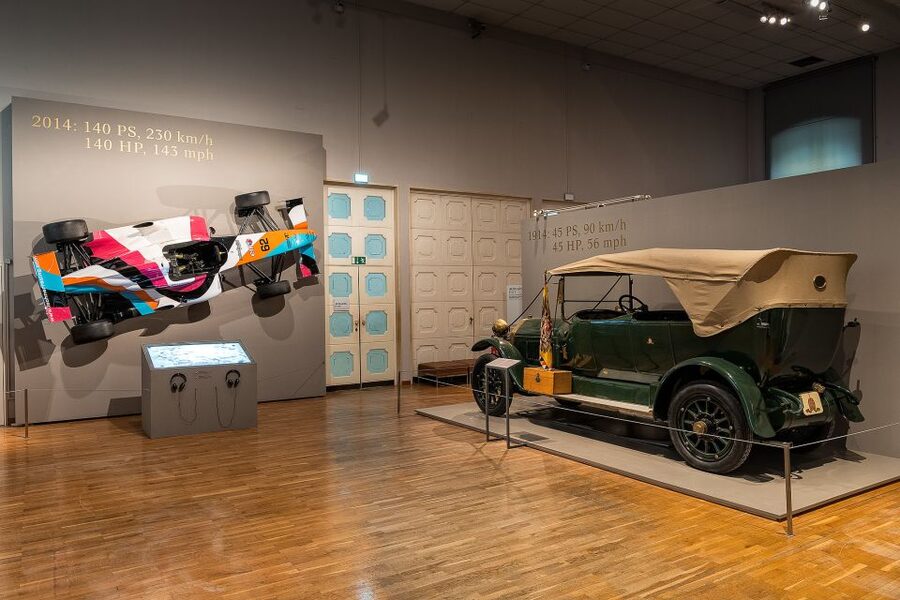
The Sisi Trail is likely to be the most appealing section for anyone interested in Empress Elisabeth. It includes her carriages, but it also moves beyond official transport with personal objects and clothing.
Her only extant saddle is especially useful because it connects the famous image of Sisi as a rider with a real object she used. The riding chapel adds another unusual detail. These are not generic court decorations. They help you picture the empress’s interests and daily life outside formal ceremonies.
The original dresses add visual impact, but they also change the mood of the display. A carriage can feel remote and public. Clothing and riding equipment bring the person closer, even when the historical distance remains.
Sisi is often presented through romance and legend. This museum gives you something firmer to look at: carriages, a saddle, a riding chapel, and surviving dresses. I appreciate that balance. You can enjoy the glamour without treating the empress as only a storybook character.
If Sisi is your main reason for visiting Schönbrunn, this section makes the ticket more worthwhile. If she is not, the trail still breaks up the larger carriage display with personal objects and a different kind of historical evidence.
More Fiaker carriage rides:
- Vienna: 30-Minute Fiaker Ride in the Old Town
★ 4.5 · 1,092 reviews - Vienna: Secrets of the Fiaker & Horse-Drawn Carriage Ride
★ 4.8 · 743 reviews - Vienna: Culinary Horse-Drawn Carriage Experience
★ 4.7 · 291 reviews - Vienna: Carriage Ride Through Schönbrunn Palace Gardens
★ 4.6 · 96 reviews
State coaches, traveling carriages, and everyday royal needs
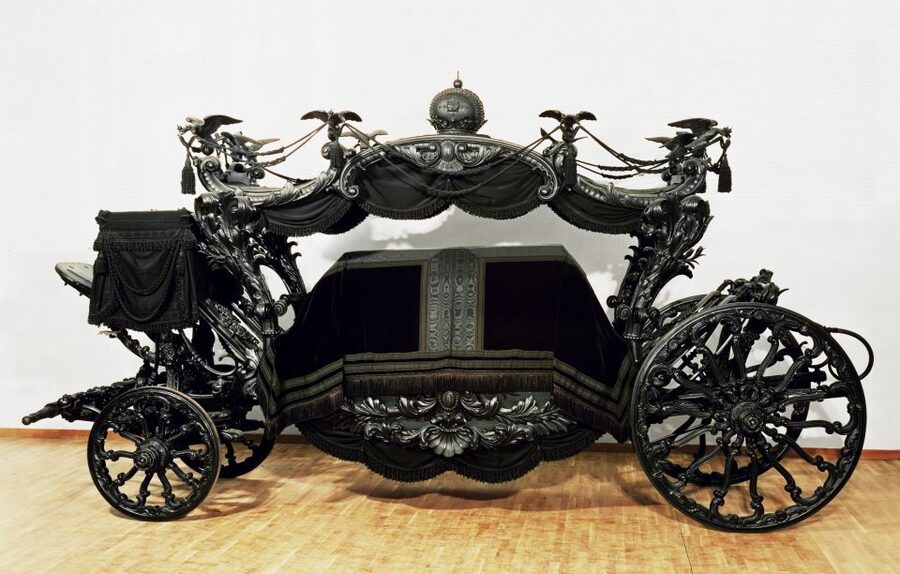
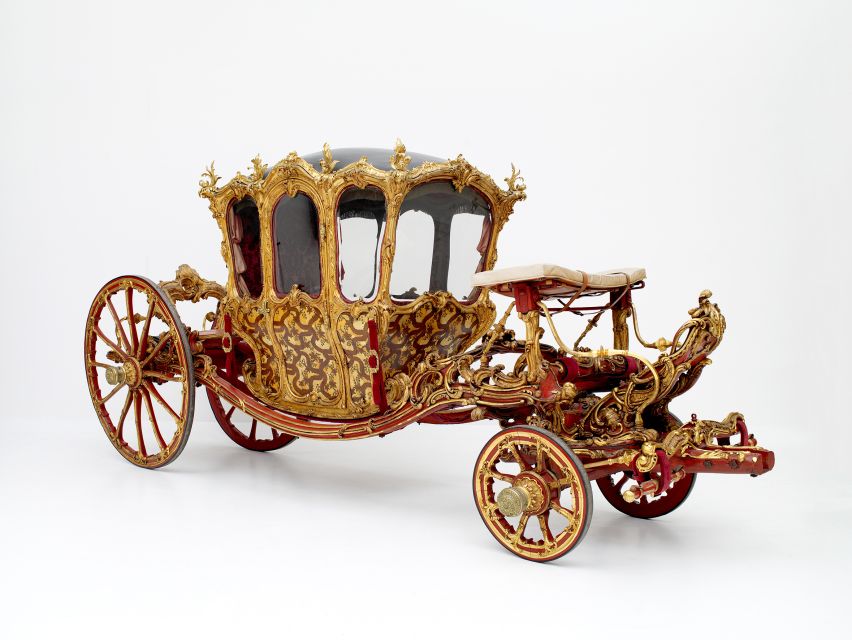
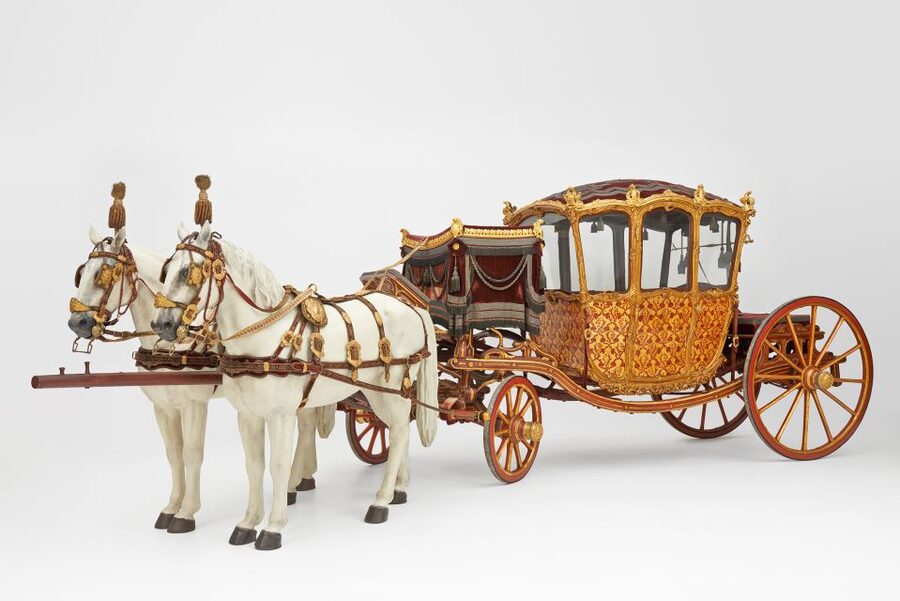
The collection does not stop with the most ornate coaches. You will also see exquisite state carriages, comfortable traveling coaches, and vehicles connected with the Habsburg children.
That mix is important. State coaches show how the monarchy wanted to be seen. Traveling coaches suggest the practical side of movement. Children’s carriages show that the imperial household was also a family, with infants and young princes and princesses needing their own equipment.
I find the children’s vehicles among the most approachable objects in the museum. They soften the formality of the collection without turning it into a novelty display. A small carriage can say plenty about wealth, rank, and the careful staging of royal childhood.
The traveling coaches are useful for another reason. They remind you that long-distance journeys were not simply grand entrances. Comfort mattered, and royal travel required a range of vehicles suited to different conditions and purposes.
Do not judge the museum only by the largest coach. The smaller objects give the display variety and help explain how the court functioned day to day.
Audio guide value and the question of languages
An audio guide is included only when you book the option that specifically includes it. That detail matters, since the basic entrance ticket does not automatically guarantee an audio guide.
The available Italian audio guide has been described as concise and functional. That is a good way to think about the audio option generally. It should help you follow the objects and people, but you should not assume it replaces a full guided tour.
No guided tour is included. You may bring your own guide, which could suit a private group or anyone who wants detailed historical commentary. A self-guided visit gives you more freedom to set your pace, especially if you want to linger over the Sisi material or move quickly through less familiar sections.
If you prefer a structured explanation, check the exact booking option and language before paying. The information supplied for this experience does not provide a full language list, so you should not assume your preferred language is available.
Is $14 good value for a one-day ticket?
At $14 per person, the museum is reasonably priced for a specialist collection in the Schönbrunn complex. The ticket is valid for one day, so you are not forced into a very short visit.
The value depends on your interests. If you enjoy imperial Vienna, Sisi, historic clothing, decorative arts, or unusual transport, I think the price works well. The museum gives you a focused experience rather than asking you to spend hours in a vast collection.
If you are visiting Schönbrunn only for the gardens or palace rooms, the carriage museum may feel optional. It is not a substitute for the palace experience, and the ticket does not include a guided tour. Still, its narrower focus can be an advantage after a crowded palace schedule.
The ticket also gives you a useful break from grand interiors. You can see the public side of monarchy in the coach displays, then the private side in the dresses, saddle, riding chapel, and children’s vehicles.
The printed voucher is the detail you must plan around
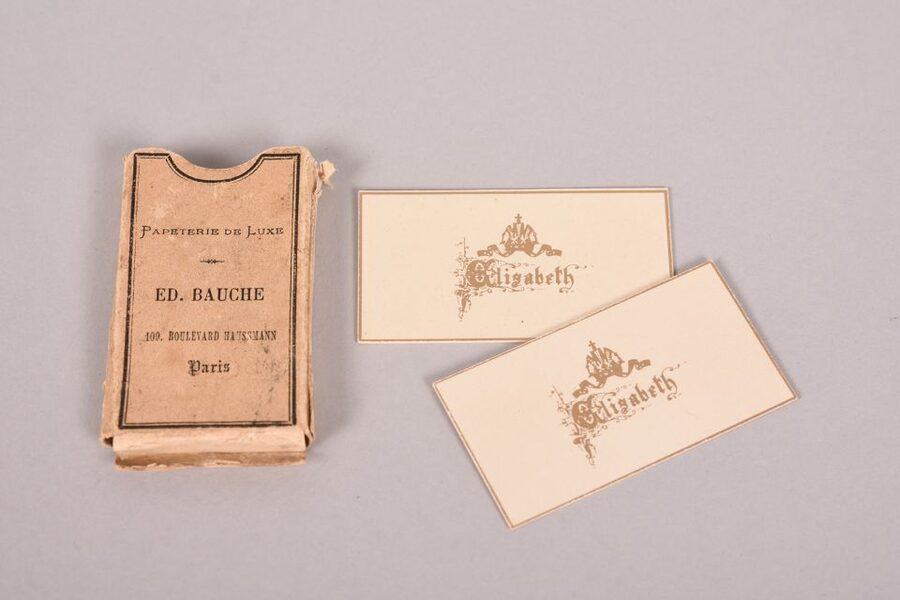
This is the most important practical warning. A printed voucher is required.
The process may involve exchanging that printed voucher for an entrance ticket at the museum. One buyer arrived with a purchased booking but had not printed it, then spent much of the morning walking and using public transport to find somewhere to print it. That is an avoidable headache in a city where your time is better spent at Schönbrunn.
Print the voucher before you leave for the palace. Do not rely on finding a printer, shop, or machine nearby. Also check that you have the correct document, not merely a booking confirmation on your phone.
The meeting point is the Imperial Carriage Museum in Schönbrunn Palace. The supplied information does not give a more detailed entrance route, so allow enough time to locate the museum within the palace complex rather than arriving at the last minute.
The cancellation terms are flexible: you can cancel up to 24 hours in advance for a full refund. A reserve now and pay later option is also available when offered for your booking. Check availability for the starting time, since the ticket is valid for one day but may still have a selected entry schedule.
Guide rules for groups of 10 or more
If you are arranging a group, pay attention to the guide policy. A group consists of at least 10 people for the free guide-entry rule to apply.
Only one tour guide per voucher-booked group receives free entrance if that guide accompanies the group into the museum. A state-certified guide has free entrance. Under 10 people, the free-ticket rule does not apply, and an additional guide or accompanying person counts as a paying member.
This is easy to overlook when calculating the total cost. A small private group should not assume that its guide enters free. Larger groups should confirm that the guide meets the stated conditions and that the booking reflects the group size.
For a solo visitor, couple, or family, these rules are mostly irrelevant. They matter if you are coordinating a school group, organized tour, or private guide.
Who will enjoy this museum most?
I would choose this experience for:
- Anyone interested in Sisi and the Habsburg family
- Visitors who enjoy historic clothing and decorative objects
- Families who may connect with the children’s carriages
- People curious about how rulers traveled and appeared in public
- Visitors wanting a focused museum rather than another huge palace collection
- Anyone already planning time at Schönbrunn and interested in adding a specialist stop
I would be more cautious if you dislike display-based museums or expect an interactive transport attraction. The collection is about looking closely and following historical context. It is not a carriage ride, a live demonstration, or a guided tour unless you arrange one separately.
The audio guide can help, but only if you book it as an included option. Without it, you should be comfortable exploring at your own pace or bringing your own guide.
Should you book the Imperial Carriage Museum?
Yes, if the Baroque imperial coach, Sisi, or the daily machinery of Habsburg court life interests you. The $14 ticket buys a compact, distinctive museum visit, and the Sisi Trail gives it more personality than a standard collection of ceremonial vehicles.
Book with care. Select the audio guide if you want one, print the voucher before heading to Schönbrunn, and allow time to find the museum within the palace complex. If you follow those practical steps, this is a sensible addition to a Schönbrunn day, especially for visitors who want more than rooms and formal portraits.
FAQ
Where is the Imperial Carriage Museum located?
It is located at Schönbrunn Palace in Vienna, Austria. The meeting point is the Imperial Carriage Museum itself.
How much does the ticket cost?
The listed price is $14 per person.
How long is the ticket valid?
The ticket is valid for one day. You should check availability for the available starting times.
Is an audio guide included?
An audio guide is included only when you book the option that specifically includes it. It is not automatically part of every entrance ticket.
Is a guided tour included?
No. A guided tour is not included. You may bring your own guide.
Do I need a printed voucher?
Yes. A printed voucher is required, and you may need to exchange it at the museum for an entrance ticket.
Can I cancel the booking?
You can cancel up to 24 hours in advance for a full refund.
Can I reserve now and pay later?
Yes, the reserve now and pay later option lets you book your spot without paying immediately when that option is available.
How many people must be in a group for a guide to receive free entry?
A group must have at least 10 people for the free guide-entry rule to apply. Only one guide per voucher-booked group receives free entrance under the stated conditions.
More museums and galleries in Vienna
- Vienna: Skip-the-Line Sisi Museum, Hofburg and Gardens Tour
★ 4.8 · 5,918 reviews - Vienna Kunsthistorisches Museum Day Admission Ticket
★ 4.6 · 3,690 reviews - Tickets for the Albertina Exhibitions
★ 4.7 · 2,126 reviews - Sigmund Freud Museum Ticket
★ 4.6 · 1,668 reviews
Just reviewed in Vienna
- World War II History Vienna Old Town Private Walking Tour★ 4.8 · 9 reviews
- Vienna: Wine Tasting E-Bike Tour★ 4.9 · 46 reviews
- Vienna: Winery and Wine Tasting Tour with a Wine Expert★ 5.0 · 5 reviews
- Vienna: Unforgettable Private City Tour★ 5.0 · 7 reviews
- Vienna Urban Art Tour: Explore a different side of Vienna!★ 3.8 · 14 reviews
- Vienna: Concert by the Vienna Baroque Orchestra★ 4.6 · 56 reviews
- Vienna Supreme Orchestra at Palais Niederösterreich★ 4.8 · 10 reviews
- Vienna: Swarovski DIY Workshop Experience★ 5.0 · 9 reviews
Schönbrunn Palace Tours, compared.

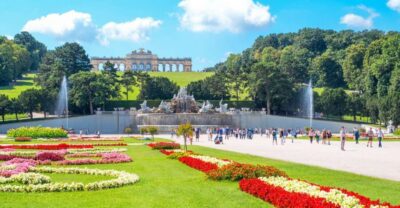
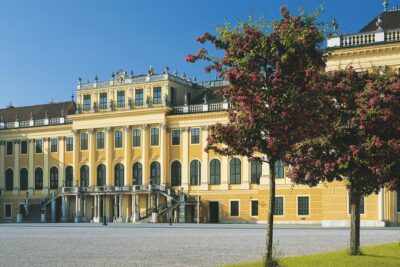
Skip the Line Schönbrunn Palace and Gardens Guided Tour
Read our review →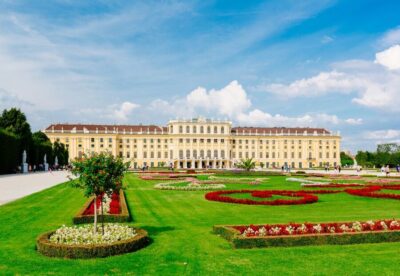
Schönbrunn Palace & Garden Skip-the-Line Guided Tour
Read our review →
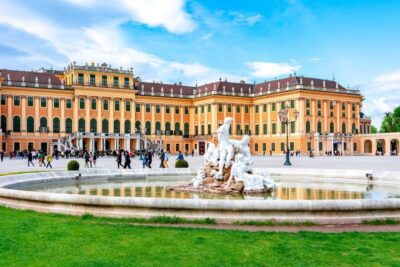
Skip-the-Line Schonbrunn Palace Guided Tour and Vienna Historical City Tour
Read our review →Browse the lists this tour appears in