
Reviewed · ST. STEPHEN'S CATHEDRAL TOURS
Vienna: Hidden Gems near St. Stephen’s & Old University
Vienna’s most interesting stories often hide behind its grand façades. This two-hour walk takes you from Albertina Square through courtyards, lanes, and passages that many visitors miss, then into the Old University Quarter, the Greek Quarter, and the so-called Bermuda Triangle. You also get Mozart stories, Prince Eugene, wartime destruction, and practical food advice in one compact outing.
I like the tour for two clear reasons: it connects famous names with ordinary city streets, and it ends near Schwedenplatz, a useful area for continuing your evening. I also like the local tips on coffeehouses, sausage stalls, ice cream, restaurants, and bars. The main consideration is that not every stop will feel secret. One section follows central Vienna’s familiar sights, so the tour is best for context and access to less obvious corners rather than a parade of unknown monuments.
- A two-hour route from Albertina Square to Schwedenplatz: The walk crosses central Vienna without requiring transport.
- The Old University Quarter: See an impressive Baroque church and learn how wartime destruction shaped the area.
- Mozart without the usual myths: Hear stories about his Vienna years, including common false claims.
- Prince Eugene’s palace: Admire one of the city’s grandest aristocratic settings from the outside.
- Food and nightlife advice: Get practical suggestions for Viennese meals, coffeehouses, bars, sausage stalls, and ice cream.
- Private group format: The $353 price covers up to eight people, which can make sense for a small party wanting a flexible guide.
Starting at Albertina Square with Vienna already at your feet
The tour begins in front of the Tourist Information at Albertina Square. That is a sensible meeting point because you are already in the historic center, close to some of Vienna’s most famous buildings and streets. You do not need to spend time finding a distant neighborhood or arranging transport before the walk starts.
From here, the guide shifts your attention away from the obvious postcard views. You can expect a route through side lanes, enclosed courtyards, and passages that are easy to pass without noticing. The appeal is not that every doorway leads to a major sight. It is that these small spaces help you see how central Vienna fits together behind its formal streets.
A two-hour walk is long enough to give the city a shape, but short enough to fit into a busy first day. You will cover a fair amount of ground, so comfortable shoes matter. The route is a walking tour rather than an indoor attraction visit, and entrance fees, food, and drinks are not included.
Courtyards and passages that reward a slower pace
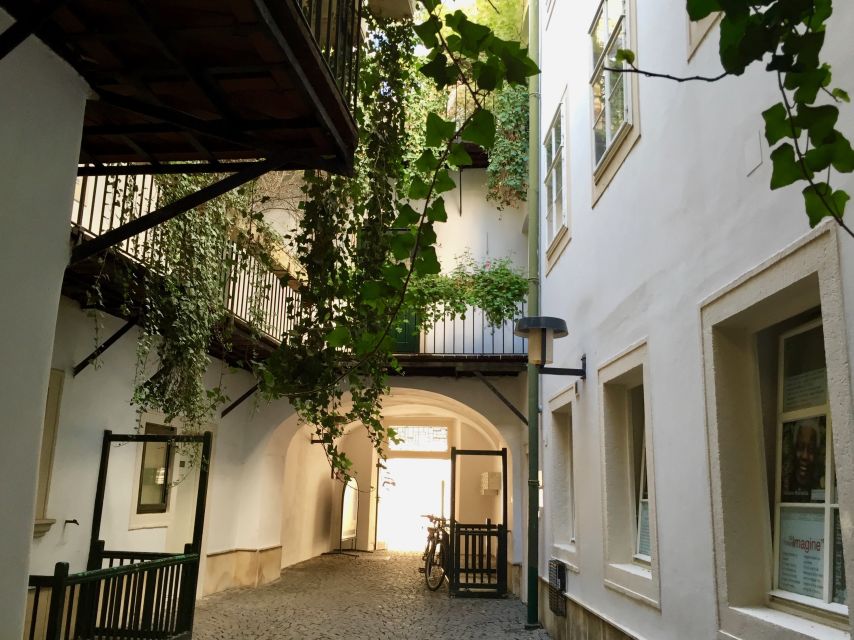
Vienna can encourage quick sightseeing. You look at St. Stephen’s Cathedral, take a photograph, and move on. This route asks you to notice the spaces between the major sights. A courtyard may reveal an older arrangement of buildings, while a narrow passage can show how commercial and residential life developed around the grand center.
I find this type of walk especially useful early in a visit. You learn how to read the city before spending time inside its major museums. The guide can point out connections between places, stories, and streets that are easy to miss when you are following a map alone.
There is also a realistic limit. The word hidden can raise expectations too high. One rating specifically judged the stops less secret than advertised and felt the route could resemble a standard central Vienna sightseeing walk. That is a fair warning. You should book this for extra detail and local interpretation, not because every location will be unknown to anyone who has studied a city map.
More ways to see St. Stephen's Cathedral:
- Vienna: St. Stephen’s Cathedral & Dom Museum Wien Tickets
★ 4.5 · 1,652 reviews - Concert at Vienna’s St. Stephen’s Cathedral
★ 4.0 · 432 reviews - Vienna: St. Stephan’s Cathedral Guided Tour
★ 4.7 · 58 reviews
The Old University Quarter and its Baroque church
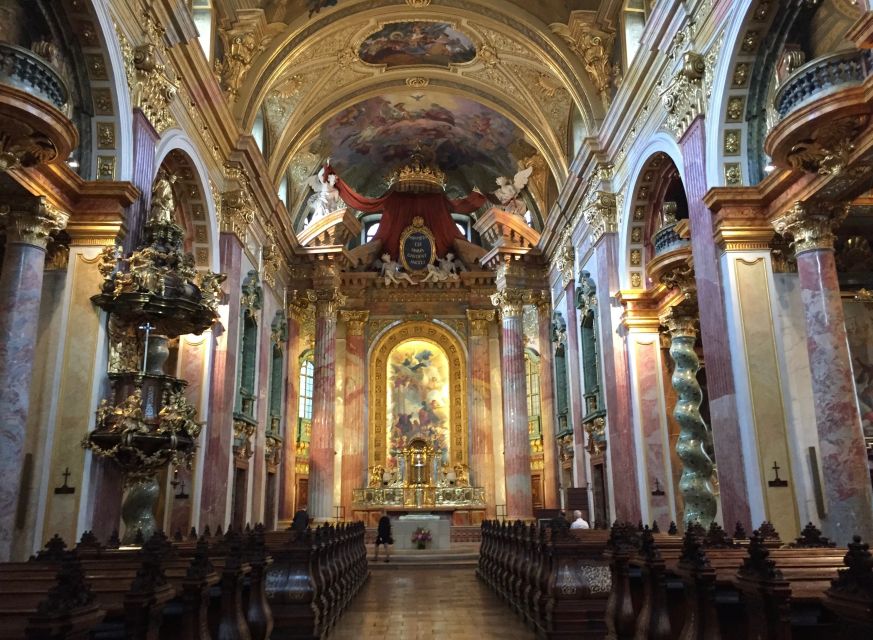
The Old University Quarter is one of the tour’s strongest sections. Here, you see an impressive Baroque church and learn about the area’s former role in Vienna’s intellectual and religious life. The church gives the walk a visual center, but the surrounding story is just as important.
The guide explains how this part of the city was damaged during World War II. That adds useful depth to what might otherwise look like a polished historic district. Vienna’s past is not only a story of imperial buildings surviving unchanged. Some streets and structures were damaged, altered, or rebuilt, and the city had to decide how much of the old character to restore.
The post-war reconstruction is another worthwhile subject. The tour highlights innovative efforts to rebuild the area, giving you a chance to think about restoration as a modern choice rather than a simple return to the past. I like this because it helps you notice the difference between an original historic building and a later attempt to preserve an older appearance.
The church itself is viewed as part of the walk, and entrance fees are not included. If you want to explore interiors beyond what is included in the route, you should be prepared for separate costs and time.
Mozart’s Vienna, with the myths separated from the facts
Mozart is one of the names most closely tied to Vienna, but his story often gets polished into a collection of dramatic tales. This tour uses places linked to his life in the city while also addressing common false stories about him.
That is a useful approach. You get the pleasure of following a famous composer’s footsteps without accepting every popular anecdote as fact. I especially value this kind of correction in a city where souvenir shops, plaques, and repeated guidebook claims can blur the line between documented events and attractive legend.
The route does not promise a museum visit or a concert. Instead, Mozart’s life becomes part of the street-level story. You hear how his Vienna years connect to the buildings and districts around you, then continue walking through the city where his reputation still shapes the visitor experience.
If Mozart is your main reason for booking, keep your expectations measured. This is not a dedicated composer tour. It gives you a broader view of Vienna, with Mozart as one important thread rather than the only subject.
Prince Eugene’s palace and the power of display
The walk also reaches a palace associated with Prince Eugene of Savoy, the celebrated military leader. The building provides a sharp change of mood from narrow lanes and courtyards. Here, Vienna’s ruling class used architecture to display wealth, power, and confidence.
The palace is described as breathtaking, and it is one of the tour’s big visual moments. You will admire it as part of the city route, but entrance fees are not included, so you should not assume that an interior visit forms part of the two-hour program.
Prince Eugene’s presence also gives the guide a chance to explain Vienna through personalities beyond composers and emperors. Military success, court life, architecture, and public reputation all meet in this one figure. That variety keeps the walk from becoming a simple list of pretty buildings.
I like this stop because it balances the smaller details of the side streets. You move from the intimate scale of a passageway to the grand scale of a palace, then continue into neighborhoods with a more everyday feel.
A different sort of day out in Vienna:
- Vienna: Vivaldi’s Four Seasons Concert in Karlskirche
★ 4.7 · 14,951 reviews - Vienna: Skip-the-cashier-desk-line Giant Ferris Wheel Ride
★ 4.5 · 7,859 reviews - Vienna: Schönbrunn Palace & Gardens Skip-the-Line Tour
★ 4.7 · 7,739 reviews - Vienna: Light of Creation Votive Church Immersive Light Show
★ 4.8 · 6,779 reviews
The Greek Quarter and Vienna’s Bermuda Triangle
Two of the more distinctive parts of the route are the Greek Quarter and Vienna’s Bermuda Triangle. These names promise a different side of central Vienna, one built around local stories, nightlife, and neighborhood identity rather than only imperial landmarks.
The Greek Quarter gives the guide room to explain one of the city’s smaller cultural districts. The Bermuda Triangle, meanwhile, is presented as a place with its own stories and reputation. The supplied details do not define the exact streets or establishments included, so you should treat these sections as guided neighborhood orientation rather than a guaranteed stop at a specific bar or restaurant.
This is where the tour’s local voice matters most. A guide can explain why a district has a nickname, how people use it today, and which stories are fact, legend, or exaggeration. The walk promises scandals, myths, and tales of Viennese life in the past and present, so you will hear more than architectural dates.
The nightlife angle also helps with planning. Since the tour ends at Schwedenplatz, you can use the advice right away if you want food or a drink afterward. Just remember that purchases are separate from the tour price.
Practical food advice you can use after the walk
Many city tours offer restaurant advice as an afterthought. Here, food and drink suggestions are one of the stated aims. Your guide can point you toward Viennese cuisine, famous coffeehouses, bars, sausage stalls, and ice cream shops.
That information can be more valuable than another quick photograph. Vienna has plenty of places to eat, but a visitor may not know which type of stop fits the moment. You might want a sit-down meal, a fast sausage, a traditional coffeehouse, or a small treat. Getting suggestions while you are already walking through the center helps turn a sightseeing route into a plan for the rest of the day.
The advice is general rather than a meal included in the booking. Food and drinks are not covered, and no tasting is promised. If you want a tasting tour, this is not the right product. If you want a local orientation that includes what to eat and where to look, the food guidance adds real value.
I would bring a note on your phone so you can record names as the guide gives them. A two-hour conversation covers a lot, and the best coffeehouse or sausage-stall suggestion is easy to forget by dinner.
Why the private group price can make sense
The cost is $353 for a group of up to eight people. That is a serious price for a two-hour walk if you are traveling alone or as a couple. It becomes easier to justify when shared among a full small group, especially if you value having a private guide rather than joining a large public walk.
At eight people, the cost works out to about $44 per person. At four people, it is about $88 per person. For two people, it is about $176 each. Those figures help you judge the offer honestly.
The private format may suit families and friend groups that want to ask questions, move at their own pace, and focus on subjects such as Mozart, food, or wartime rebuilding. It also avoids the uncertainty of joining a very large group. The available languages are English, German, and Polish.
The tradeoff is simple: you pay for the group, not for each individual place visited. There are no included admissions, meals, or drinks. The value comes from the guide’s time, route planning, interpretation, and recommendations.
A past booking also involved a guide not appearing at the agreed meeting point. That is a serious service concern, even though the overall rating is 4.7 from 153 ratings. I would confirm the meeting details before setting out and keep the provider’s contact information handy. The consistently positive comments about guides, including specific praise for Evelin’s ability to answer questions, suggest that guide quality can be excellent, but the no-show incident is worth keeping in mind.
The pace, language, and practical details
The tour lasts two hours and runs as a private group. You meet in front of the Tourist Information office at Albertina Square and finish at Schwedenplatz. There is no hotel drop-off.
Hotel pickup is included only if you select the private option. Since the activity is already described as a private group, check the exact booking choice and pickup terms before paying if pickup matters to you.
You should wear comfortable shoes. This sounds obvious, but the route includes lanes, courtyards, and a substantial walk through central Vienna. The tour does not include food or drink, so plan a snack or meal afterward rather than expecting a tasting along the way.
The cancellation policy is flexible: you can cancel up to 24 hours in advance for a full refund. You can also reserve now and pay later, which is helpful if your Vienna schedule is still changing. Starting times depend on availability.
Who will get the most from this walk
I would recommend it most strongly to first-time visitors who have already seen the main central sights or want a broader introduction than a standard landmark route. You get famous names, major architecture, local districts, myths, and practical advice in a short span.
It also suits small groups who want a private conversation. The tour has enough range for different interests. One person can ask about Mozart, another about food, and another about wartime reconstruction without forcing the entire group into one narrow subject.
Families may appreciate the stories and short duration, though the walking pace and lack of included refreshments are worth considering. It is also a good fit for visitors staying near the center who want to finish near Schwedenplatz and continue into the evening.
I would choose a different activity if your main goal is a long museum visit, a formal palace interior tour, a food tasting, or a deeply specialized Mozart itinerary. This is a city walk with several subjects, not a single-topic lesson.
My verdict on the Vienna city walk
Book this tour if you want a private, story-led introduction to central Vienna and plan to use local food and nightlife advice during the rest of your stay. The best elements are the Old University Quarter, the wartime reconstruction story, the correction of Mozart myths, and the way the route moves from grand architecture into smaller neighborhood corners.
Think carefully about the price if your group is small. At the full eight-person capacity, the cost is much easier to defend. At one or two people, you need to care strongly about private guiding to make the numbers work.
I would also keep the word hidden in perspective. Some stops may feel like lesser-known corners, while other parts pass through the familiar center. The tour’s real strength is not secrecy. It is the combination of unusual details, a clear route, guide conversation, and useful advice for eating and drinking after the walk.
FAQ
How long is the Vienna walking tour?
The tour lasts two hours.
Where does the tour begin?
It begins in front of the Tourist Information office at Albertina Square.
Where does the tour end?
The route ends at Schwedenplatz.
Is the tour private?
Yes. It is offered as a private group experience for up to eight people.
What languages are available?
The live guide can conduct the tour in English, German, or Polish.
Is hotel pickup included?
Hotel pickup is included if the private option is selected. Hotel drop-off is not included.
Are food, drinks, and entrance fees included?
No. Food, drinks, and entrance fees are not included in the tour price.
Just reviewed in Vienna
- World War II History Vienna Old Town Private Walking Tour★ 4.8 · 9 reviews
- Vienna: Wine Tasting E-Bike Tour★ 4.9 · 46 reviews
- Vienna: Winery and Wine Tasting Tour with a Wine Expert★ 5.0 · 5 reviews
- Vienna: Unforgettable Private City Tour★ 5.0 · 7 reviews
- Vienna Urban Art Tour: Explore a different side of Vienna!★ 3.8 · 14 reviews
- Vienna: Concert by the Vienna Baroque Orchestra★ 4.6 · 56 reviews
- Vienna: Sunday Brunch Danube Cruise & Live Music★ 4.2 · 42 reviews
- Vienna Supreme Orchestra at Palais Niederösterreich★ 4.8 · 10 reviews
St. Stephen's Cathedral Tours, compared.
St. Stephen’s Cathedral & Dom Museum Wien Tickets
Read our review →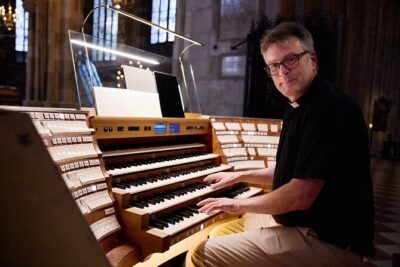
Concert at Vienna’s St. Stephen’s Cathedral
Read our review →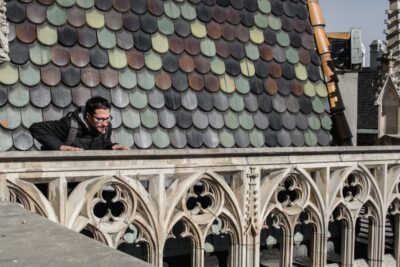
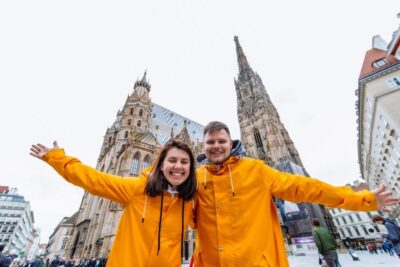
St Stephen’s Cathedral Vienna Old Town Walking Tour
Read our review →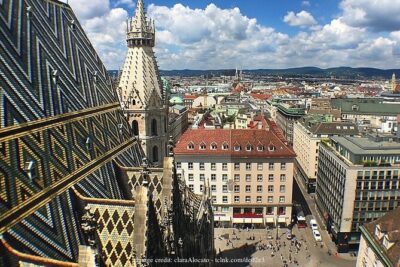
Underground 2.5h Tour with St. Stephen’s Cathedral Catacombs
Read our review →
St. Stephen’s cathedral – old symbol newly discovered
Read our review →Browse the lists this tour appears in